You are thinking about retiring in Airport West, but you need the daily version: can you walk to essentials, stay social, and avoid noisy streets? The short answer is yes, if you choose the right pocket and keep expectations grounded.
The Verdict
Airport West suits retirees who want a real suburb, not a sealed-off retirement bubble. Pick it if your priority is staying connected to shops, cafes, basic healthcare, public transport, and a mixed-age community without moving somewhere frantic. The best version of Airport West retirement is a smaller home or unit within walking distance of the local shopping strip, but not directly on the busiest main-street sections.
The case for it is practical. Daily needs are close enough for many people to manage without driving every trip: supermarket, chemist, post office, cafes, and local services are all part of the suburb’s rhythm. Public transport also matters here because retirement gets harder when every appointment depends on a car; Airport West gives you enough access to reach the city, shopping centres, and medical appointments without feeling stranded. See the Airport West Transport Guide if transport is your make-or-break issue. The community side is the other reason it works. You are not moving into silence. You are moving into a suburb where park regulars, cafe regulars, neighbours, and local groups still create the kind of small recognition that stops retirement from becoming isolated.
The catch is location inside the suburb. Do not buy or rent just because the address says Airport West. A home right on a busier stretch may give you convenience but also traffic noise, tighter parking, and weekend shop crowds. Do not choose the biggest garden block if you are trying to make life easier; you will regret swapping one maintenance burden for another.
What It’s Actually Like
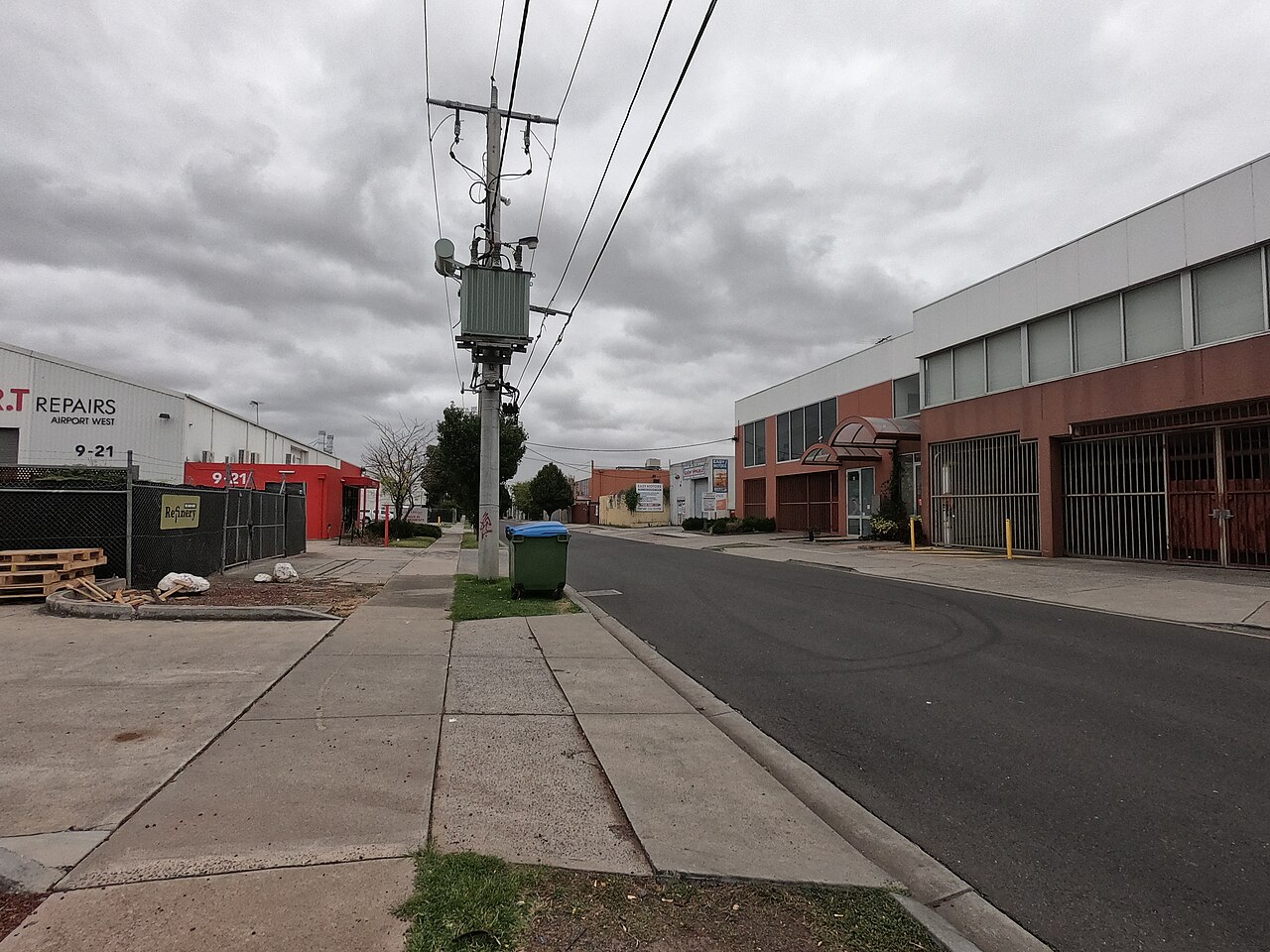
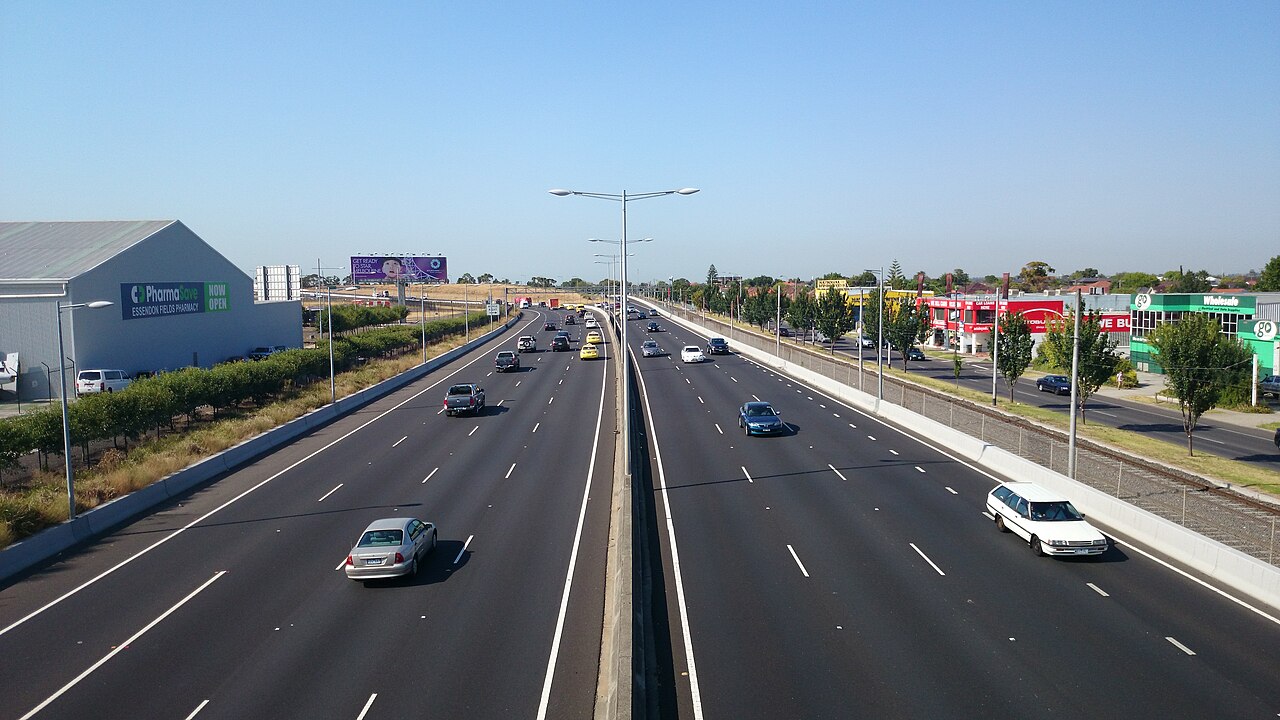
Airport West is not sleepy in the way some retirees imagine when they say they want quiet. It has busy main streets, cafe-hour movement, shopping-strip parking pressure, and enough through-traffic that the wrong street can feel more active than you expected. The better retirement pockets are usually a block or two back from the main strip, where you can still walk to the supermarket, chemist, Australia Post, cafes, and everyday errands without having traffic outside your front window.
The day-to-day rhythm is the point. Mornings are when the suburb feels most useful: coffee, errands, medical basics, pharmacy runs, and walks through nearby parks all fit naturally into the first half of the day. Evenings tend to calm down, which helps if you like the convenience of a connected suburb but do not want constant movement. Footpaths are generally workable for daily walking, and the streets feel comfortable during the day and early evening, but you still want to inspect your exact route before committing. A place that looks close on a map can feel annoying if the crossing points, parking spillover, or traffic noise make every errand a chore.
Healthcare is solid for everyday needs. General practitioners, chemists, and medical centres are accessible, which matters more than people admit when choosing a retirement suburb. For specialist appointments, you should expect to travel outside Airport West to a larger hospital or nearby medical hub. That is manageable by public transport or short drive, but it is not the same as living beside a major hospital precinct.
Skip Airport West if you want rural quiet, big gardens, and zero weekend crowding near shops. If you are west of the most convenient walking pockets and still driving for everything, you should compare nearby suburbs such as Niddrie, Essendon North, Keilor Park, or Tullamarine before deciding.
Who This Suits
If you are a social retiree, pick Airport West for the cafe rhythm, park regulars, and neighbourly familiarity. If you are a car-light retiree, pick a home close to the local shopping strip and confirm the walking route to the supermarket, chemist, post office, and bus or tram connection before you fall in love with the floor plan. If you are a downsizer, look hardest at units, smaller townhouses, and apartments that reduce garden work while keeping you near daily services. If you are noise-sensitive, pick the quieter residential pockets set back from the main strip, even if it adds a few minutes to your walk. If you are chasing total peace, pick somewhere else.
Cost expectations depend heavily on the type of home you choose. Larger houses with gardens are harder to justify if the goal is a simpler retirement, because the upkeep and price premium can work against you. Smaller townhouses, units, and apartments make more sense for many downsizers, especially if they place you near shops and transport. The useful trade is not just purchase price or rent; it is whether the location cuts taxi trips, second-car dependence, garden maintenance, and the mental load of planning every errand.
Time of day matters. Visit on a weekday morning to test the retirement version of the suburb: walking routes, cafe pace, pharmacy access, post office errands, and parking near the shops. Then come back on a Saturday around the busier shopping window. If the weekend pressure annoys you during an inspection, it will annoy you more after moving in. The suburb is at its best for retirees who use it early, locally, and often, rather than expecting it to feel like a quiet country town inside Melbourne.
What to Do Next
Walk your exact daily loop before you commit: home to supermarket, chemist, Australia Post, cafe, park, and transport stop. Then read the full Airport West suburb guide to pressure-test the bigger lifestyle decision before buying or downsizing.