
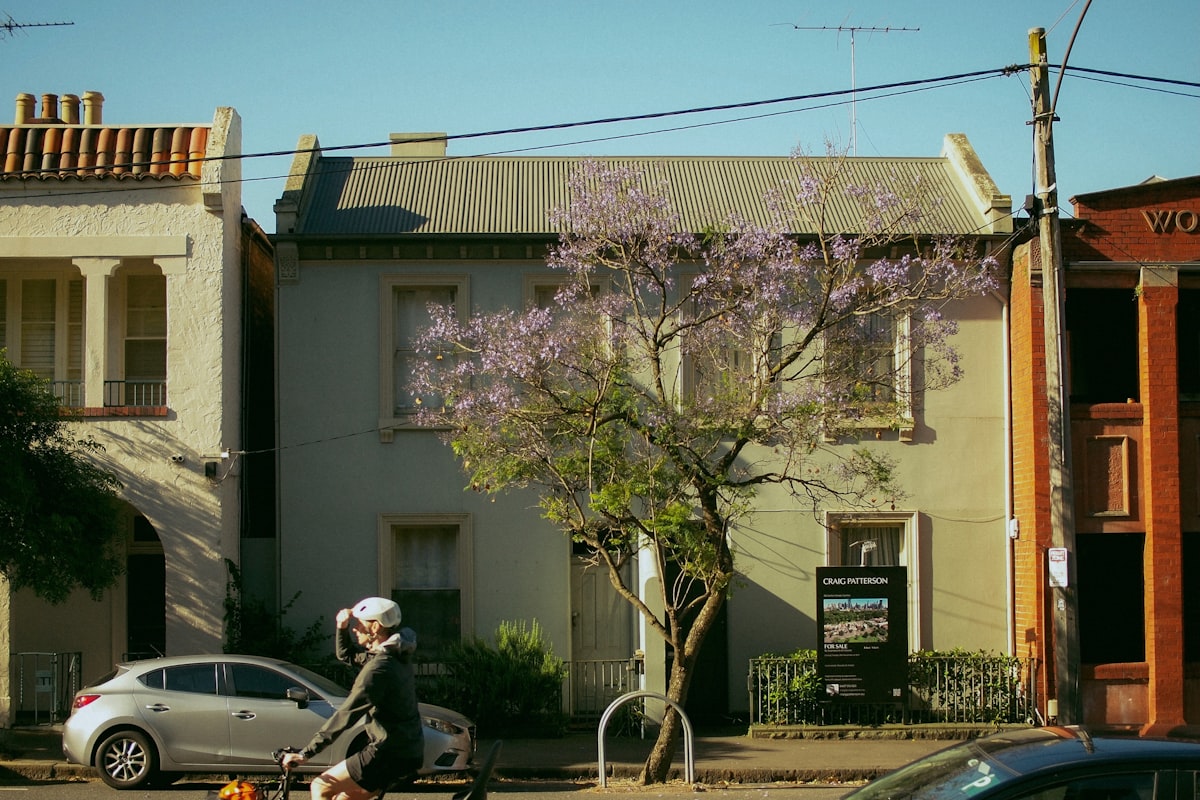
Aitma Transport Guide 2026: Navigating Melbourne with Ease
Melbourne’s public transport network is extensive, but can be daunting for newcomers or those looking to optimise their commute. This guide, updated for 2026, provides a comprehensive overview of getting around Aitma, covering trains, trams, buses, parking, cycling, and rideshare options. We’ll focus on practical information, including travel times to the CBD and key considerations for peak and off-peak travel.
- Train Lines & Stations: The Backbone of Melbourne
Melbourne’s train network is the fastest and most reliable way to travel longer distances. Key lines serving Aitma and surrounding areas include:
- Craigieburn Line (Line 17): Runs from Laverton to Craigieburn, passing through Aitma. Key stations include Laverton, Westona, Maidstone, Footscray, Sunshine, and Craigieburn. Travel time to Southern Cross Station (CBD) is approximately 35-45 minutes during peak hours and 30-40 minutes off-peak. Significant upgrades to signalling and rolling stock have improved frequency, with trains running every 7-10 minutes during peak times.
- Williamstown Line (Line 18): Connects Williamstown to Flinders Street Station. Stations relevant to Aitma include Yarraville, Seddon, and Spotswood. Travel time to Flinders Street Station is roughly 25-35 minutes during peak and 20-30 minutes off-peak. The Williamstown line has seen increased capacity with the introduction of VLocity trains.
- Sunbury Line (Line 19): Extends from Sunbury to Flinders Street Station. Stations of interest include Maidstone, West Footscray, and Sunshine. Travel time to Flinders Street Station is approximately 40-50 minutes during peak and 35-45 minutes off-peak. The Sunbury Line has benefited from electrification extensions and improved signalling.
- Werribee Line (Line 16): Runs from Werribee to Flinders Street Station. Stations near Aitma include Yarraville and Spotswood. Travel time to Flinders Street Station is approximately 35-45 minutes during peak and 30-40 minutes off-peak. The Werribee line has seen improvements in reliability and frequency.
Station Accessibility: Significant investment has been made in station accessibility. Most major stations now feature elevators and ramps. The PTV app (see section 6) provides detailed accessibility information for each station.
- Tram Routes: Inner-City Connectivity
Trams are ideal for navigating the inner suburbs and connecting to train stations. Several routes are relevant to Aitma:
- Route 1 (St Kilda Beach – Richmond): Runs along the Victoria Parade and Nicholson Street corridors. Useful for accessing the CBD and connecting to Eastern Freeway.
- Route 2 (St Kilda Beach – City – West Coburg): Similar to Route 1, but extends further north.
- Route 5 (East Coburg – City – St Kilda Beach): A key route connecting Aitma to the CBD via Brunswick Street and Lygon Street.
- Route 70 (North Melbourne – St Kilda Beach): Provides a direct link to the CBD via Flinders Street and Elizabeth Street.
- Route 86 (Box Hill – City – St Kilda Beach): A major route traversing the inner north and connecting to the CBD.
Tram Frequency: During peak hours, trams generally run every 3-7 minutes. Off-peak, frequency decreases to 7-15 minutes. The Myki system (see section 6) is required for all tram travel.
Tram Priority: Melbourne’s tram network benefits from dedicated tram lanes and traffic signal priority, helping to minimise delays.
- Bus Routes: Filling the Gaps
Bus routes supplement the train and tram networks, providing access to areas not directly served by rail or tram. Several bus routes operate in and around Aitma:
- Routes 57 (West Footscray – City): A key route connecting West Footscray and Aitma to the CBD.
- Routes 82 (Sunshine – City): Provides a direct link to the CBD from Sunshine and surrounding suburbs.
- Routes 129 (West Footscray – Flemington): Connects West Footscray to Flemington and surrounding areas.
Bus Frequency: Bus frequency varies depending on the route and time of day. Generally, buses run every 10-20 minutes during peak hours and 20-30 minutes off-peak. Real-time bus tracking is available through the PTV app.
- Commute Time to CBD: Peak vs. Off-Peak
The following are estimated commute times to the CBD from various Aitma locations, considering both peak (7:00-9:00 AM and 4:00-6:00 PM) and off-peak hours:
- Laverton: Train – 40-50 minutes (peak), 35-45 minutes (off-peak)
- West Footscray: Train – 25-35 minutes (peak), 20-30 minutes (off-peak); Tram – 35-45 minutes (peak), 30-40 minutes (off-peak)
- Maidstone: Train – 20-30 minutes (peak), 15-25 minutes (off-peak); Tram – 30-40 minutes (peak), 25-35 minutes (off-peak)
- Spotswood: Train – 20-30 minutes (peak), 15-25 minutes (off-peak); Tram – 25-35 minutes (peak), 20-30 minutes (off-peak)
Note: These are estimates and can vary depending on specific location, connections, and service disruptions.
- Parking in the CBD: A Challenging Proposition
Parking in the Melbourne CBD is notoriously expensive and limited. Expect to pay upwards of $30 for a few hours in a secure car park. On-street parking is available, but heavily restricted and subject to time limits and permit zones.
- Parking Stations: Major parking stations include Wilson Parking, Secure Parking, and Ace Parking. Booking online in advance is highly recommended.
- Park & Ride: Several Park & Ride facilities are located on the outskirts of the city, offering a more affordable parking option combined with train access. These are often full during peak hours.
- Consider Alternatives: Given the cost and difficulty of parking, utilising public transport, cycling, or rideshare services is strongly advised.
- Cycling Infrastructure: Growing Network
Melbourne has invested significantly in cycling infrastructure, with a growing network of bike lanes and shared paths.
- Capital City Trail: A major off-road cycling path connecting the CBD to various suburbs, including Aitma.
- Local Bike Lanes: Numerous local bike lanes provide connectivity within Aitma and surrounding areas.
- Bike Share Scheme: The Melbourne Bike Share scheme offers short-term bike rentals from designated docking stations.
- Safety Considerations: Always wear a helmet and be aware of traffic conditions. Use bike lights at night.
- Taxi & Rideshare Services: Convenient but Costly
Taxis and rideshare services (Uber, Didi, Ola) are readily available in Melbourne. They offer a convenient door-to-door option, but can be expensive, particularly during peak hours and surge pricing periods.
- Taxi Ranks: Taxi ranks are located at major train stations and throughout the CBD.
- Rideshare Apps: Download and register with rideshare apps for easy booking and payment.
- Cost Comparison: Compare prices between taxi and rideshare services before booking.
- Myki & PTV App: Essential Tools
- Myki Card: A reusable smartcard required for all public transport travel (excluding taxis and rideshares). Purchase and top up your Myki card at train stations, convenience stores, and online.
- PTV App: The Public Transport Victoria (PTV) app is an invaluable tool for planning your journey. It provides real-time information on train, tram, and bus schedules, service disruptions, accessibility information, and Myki top-up options.
This guide provides a comprehensive overview of navigating Melbourne’s transport network. Planning your journey in advance and utilising the PTV app will ensure a smoother and more efficient commute.
Data sourced from Google Places, OpenStreetMap, and ABS Census. Compiled April 2026. Found an error? Contact us.
💬 Discussion
Join the conversation — no account needed