You are weighing up retirement in Albert Park and the glossy property pitch is useless. The real question is simpler: can you walk to daily life, stay socially connected, and avoid feeling boxed in by noise, parking, and weekend crowds?
The Verdict
Albert Park is the pick for retirees who want a real Melbourne suburb rather than a retirement bubble. Its strongest case is everyday walkability: supermarket, chemist, post office, cafes, parks, and basic services are close enough that driving does not have to run your week. That matters more than the brochure version of lifestyle. If you can leave home, get a coffee, collect a prescription, post a parcel, and take a park walk without turning it into a logistical event, retirement feels lighter.
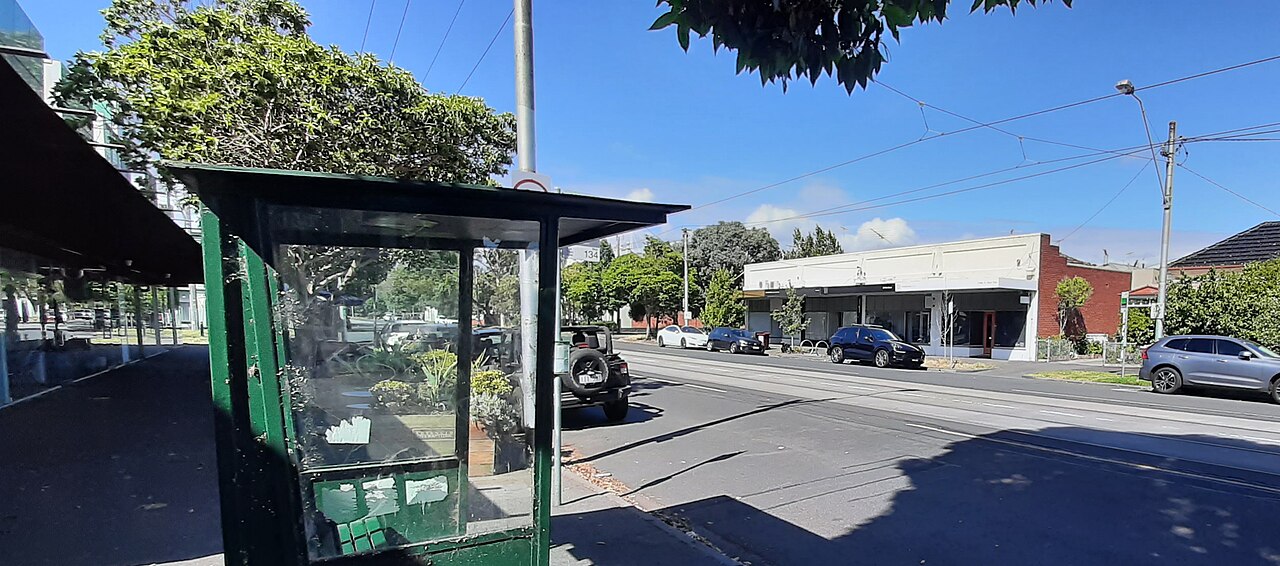
The second reason Albert Park works is its balance. It has community warmth without feeling sleepy, and enough street life to stop isolation creeping in. You will see regulars at the cafes, people walking through Albert Park, and locals using the shopping strip for actual errands, not just weekend browsing. Public transport also keeps the city, medical appointments, and bigger shopping options within reach, which is useful if you are trying to reduce car dependence. See the Albert Park Transport Guide for the practical detail.
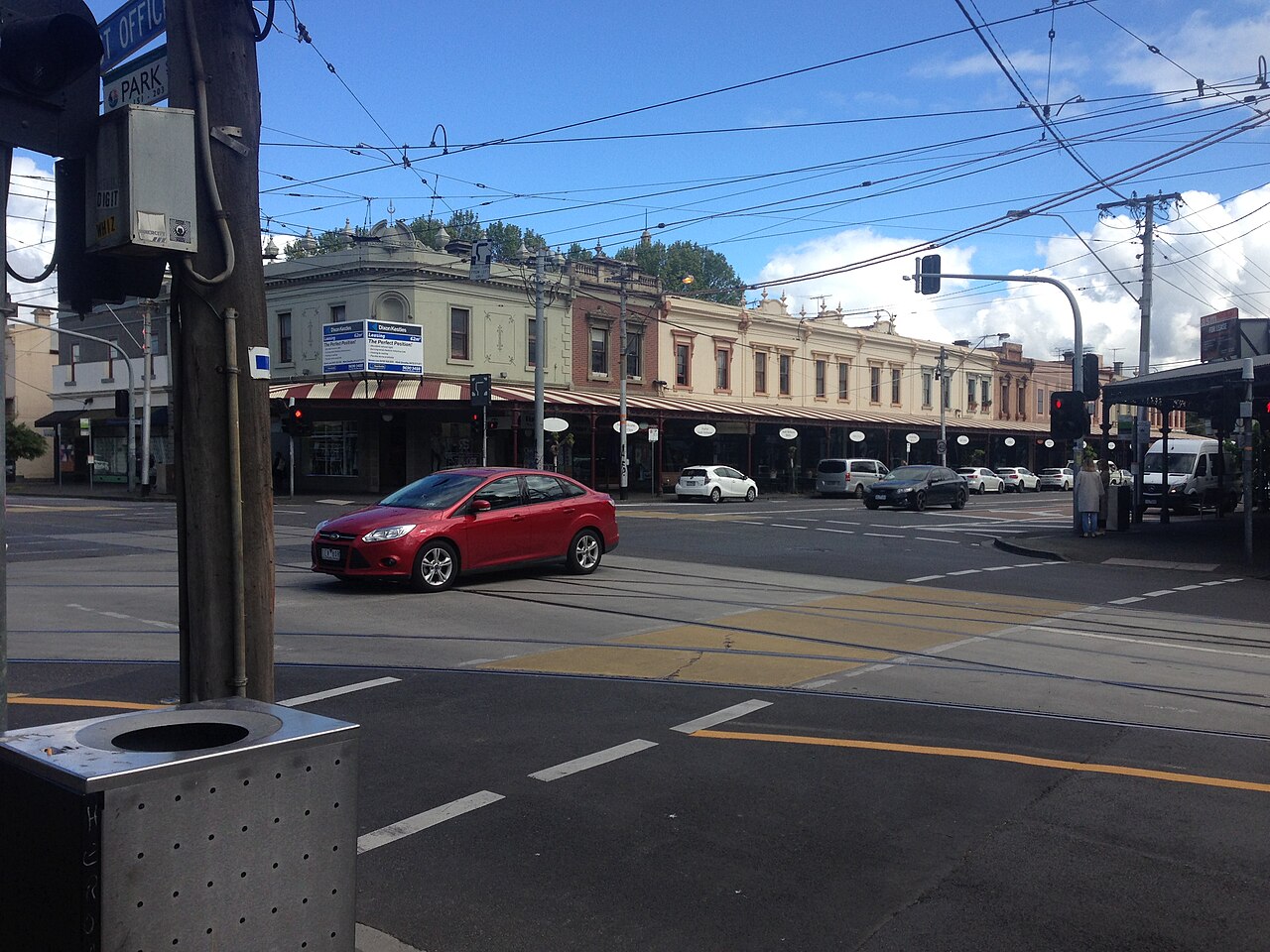
The catch is location within the suburb. The best retirement version of Albert Park is one or two blocks off the busier strip: close enough to walk to everything, far enough back that the noise drops away. Do not buy the fantasy that every address here is calm. Some main streets feel busy, parking near shops can be competitive, and weekend crowds around popular pockets change the mood. Don’t choose the loudest, most convenient address just because it looks easy on a map; you may regret the traffic and parking trade-off more than the extra two-minute walk.
What It’s Actually Like
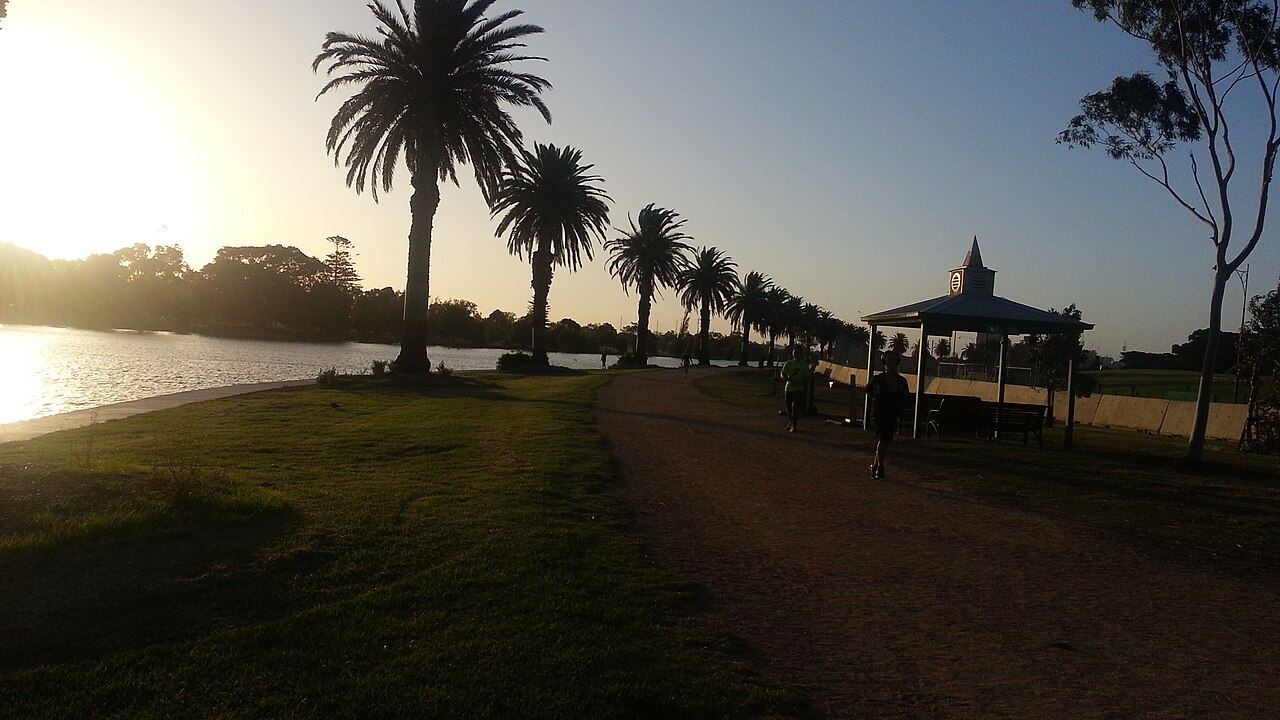
Day to day, Albert Park suits retirees who still want the suburb to move around them. Mornings have the most life: cafes fill, people walk the park, and the shopping strip does its steady local trade. By evening, the rhythm generally softens. That is the appeal. You are not retiring into silence, but you are not stuck somewhere that feels like a nightlife strip either.
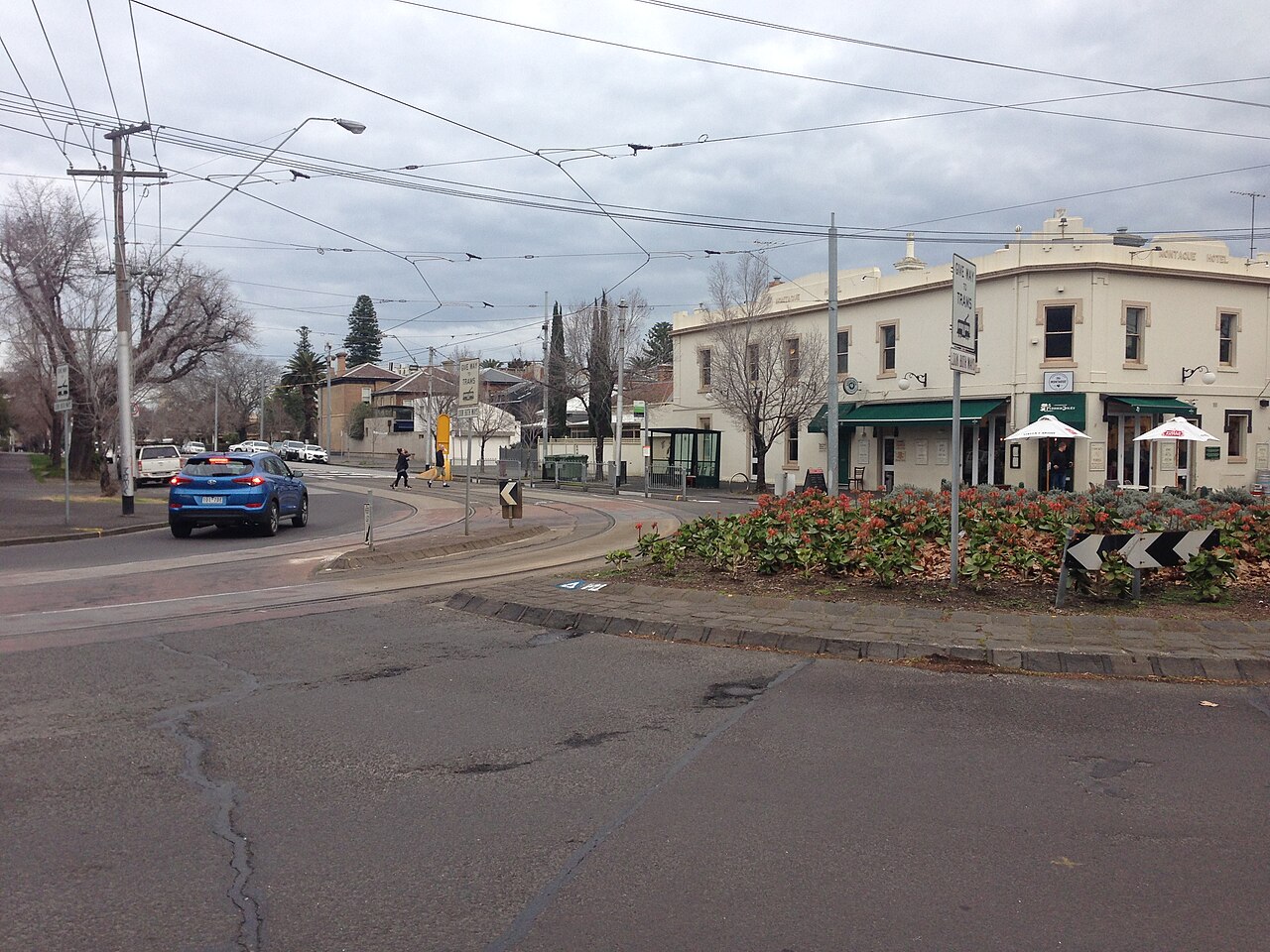
The quieter residential pockets are the important part. A home tucked a block or two off the main strip gives you the best version of the suburb: footpaths that are generally comfortable, shops close enough for small errands, and streets that feel safe during the day and early evening. If you need a car, parking is easier away from the shops, but expect competition when the cafes are busy or on weekends. If you are planning to downsize, inspect the street at different times, not just during a peaceful weekday open home.
Albert Park, South Melbourne, Middle Park, St Kilda, and Port Melbourne all matter in the retirement equation because you will not use Albert Park in isolation. Specialist appointments, extra services, bigger shops, and some social plans may pull you into neighbouring suburbs. That is not a failure; it is part of living here. The question is whether those trips feel manageable from your exact address.
Skip this if you need total quiet, easy visitor parking every time, or a large garden at a forgiving price point. Albert Park can be gentle, but it is still inner Melbourne. If you are west of the most convenient local services or find the main strip too busy, South Melbourne or Middle Park may make more sense depending on what you want closest to your front door.
Who This Suits
If you are a social walker, pick Albert Park close to the shops and park access. You will get the most out of short daily loops, familiar faces, and being able to fold errands into a walk. If you are a downsizer leaving a larger family home, pick a smaller townhouse, unit, or apartment in a quieter pocket rather than chasing the biggest place you can still afford. If you are reducing car use, prioritise public transport access and flat, practical walking routes over extra internal space. If you are highly noise-sensitive, pick the quieter residential streets or consider Middle Park instead. If you want more urban convenience and do not mind a busier feel, South Melbourne may be the better comparison.
Cost expectations need to be realistic. Albert Park is not the cheap retirement option. Bigger homes with gardens are at a premium, and the most convenient downsizer-friendly locations will be competitive because they suit exactly the same people: buyers who want access without the maintenance load. The practical move is to pay for position, not just polish. A slightly smaller home in the right pocket may serve retirement better than a larger place that leaves you driving for simple errands.
Time of day changes the suburb. Morning is when Albert Park feels most useful and sociable. Weekends are busier around cafes, shops, and popular walking areas, so test the suburb then if crowds bother you. In cooler months, the park and cafes still anchor daily life, but the best fit is for people who will actually use those nearby places. If your retirement routine is mostly home-based and you rarely walk to services, you may be paying for benefits you will not use.
What to Do Next
Walk Albert Park on a Saturday morning, then again on a quiet weekday afternoon, before judging it. Start near the shops, drift one or two blocks back, and compare the noise. For the practical transport side, read the Albert Park Transport Guide.