Verdict Box
Best for: remote workers who want a polished, quiet base near the bay and can pay for a small place without pretending it is a bargain. Skip if: you need a proper coworking desk every day inside the suburb. Albert Park is more home-office-plus-cafe than plug-and-play office hub. Rent pressure: serious. The cheap-looking one-bedroom listing is usually small, old, exposed to road noise, or snapped up quickly. Commute reality: strong for city meetings if you are near tram corridors or can cycle, weaker if you rely on parking for every appointment. Food scene: useful rather than broad. You get reliable pizza, pub meals, wine-bar dinners and destination dining, not endless laptop cafes. Family fit: high if school, park and waterfront access matter; less ideal for renters who need storage, a second bedroom and easy visitor parking. Overall score: 7.5/10 for disciplined remote workers, 5.5/10 for anyone expecting inner-city coworking density.
At-a-Glance Table
| Factor | Albert Park 2026 |
|---|---|
| LGA | Port Phillip City Council |
| Postcode | 3206 |
| Geographic tier | Inner |
| Region | inner-south |
| Transport grade | C+ |
| Overall grade | D |
Who It Suits
Priya, 41, council-notice reader — wants calm streets, strong amenity and can spot a bad parking overlay before applying. The Bay-Side Contractor — takes city meetings twice a week but does the real work from a quiet dining table. Marcus, 36, school-run freelancer — values walkability and parks more than having a serviced desk downstairs.
Rent & Property Reality
Median 1BR unit rent in Albert Park is $515 per week, while the broader Albert Park unit rental market is up 16% year on year, according to realestate.com.au market insights. That number is the first filter for remote workers: if your work-from-home setup needs a separate desk, monitor, ergonomic chair and quiet call background, a one-bedroom at this price point may not behave like a true work apartment.
The trap is assuming $515 buys the Albert Park lifestyle shown in sales photography. In practice, the lower end of the one-bedroom market often means compact older stock, limited natural light, shared laundry, thin walls, awkward desk placement, or a position on a busier edge. The suburb has beautiful streets and high-value housing, but rental affordability does not magically improve because the listing says one bedroom. You are paying for access: the lake, the beach side of the city, established streets, quick movement into South Melbourne and Port Melbourne, and a quieter residential feel than many denser inner suburbs.
For remote workers, the useful question is not just weekly rent. It is weekly rent plus productivity leakage. If the only place for your desk is beside the bed, if video calls pick up traffic from Beaconsfield Parade, or if mobile reception drops in a rear ground-floor unit, the cheap rent can become expensive quickly. A $40 to $80 per week jump for a better layout, stronger light and a quieter room can be rational if it protects billable hours.
Compared with purpose-built apartment areas, Albert Park has less rental volume and fewer modern buildings. That means fewer identical alternatives if you miss out. You need application documents ready, but you also need restraint: do not overpay for a romantic terrace if the second room is too narrow for a desk and the heating is poor. For solo remote workers, the sweet spot is a clean one-bedroom with a defined meals area, or a small two-bedroom if your income can carry it. For couples both working from home, treat a one-bedroom as a short-term compromise, not a sustainable 2026 setup.
Local Reality & Pockets
For remote work, favour the quieter residential pockets before you chase the prettiest facade. Streets around Richardson Street, Page Street, Little Page Street, Reed Street and the calmer internal blocks tend to make more sense than addresses that look glamorous but expose you to constant traffic, visitor churn or weekend pressure. If you need to be on calls, inspect at the same time of day you usually work. A weekday 11 am inspection tells you more than a Saturday open, especially near tram routes, school movement and waterfront traffic.
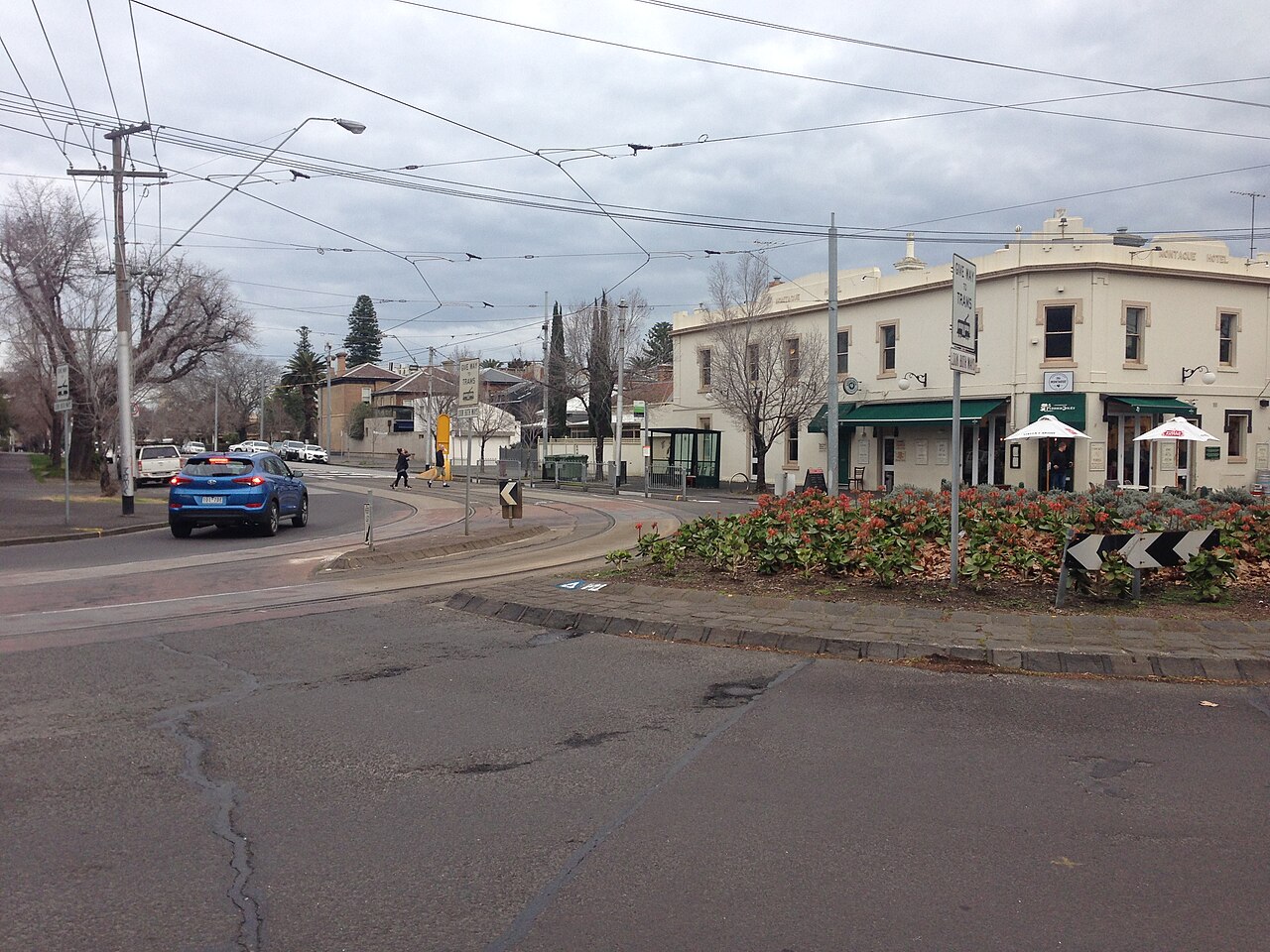
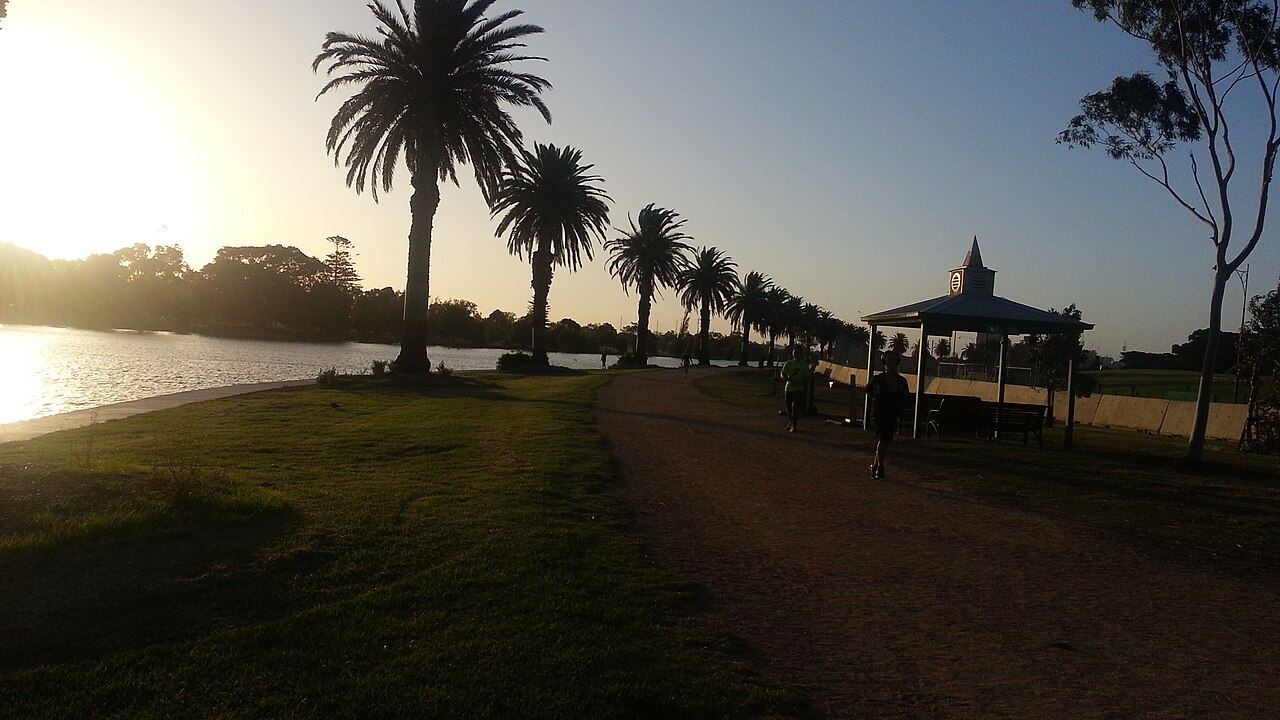
Be careful around Beaconsfield Parade and other exposed edges if silence matters. The bay access is excellent, but wind, road noise and event-day movement can be part of the package. Aquatic Drive is useful for park and restaurant access, including The Point Restaurant, but it is not the pocket I would choose for someone taking confidential calls all day. Gordon Road gives you food options such as Sparky’s Family Restaurant and Montana’s, but it is still a road to test for vehicle noise, bins, delivery movement and evening parking pressure. Albert Street has useful local anchors like Trifons Pizza and Bonzzini’s, yet the same advice applies: convenience and quiet are not always the same thing.
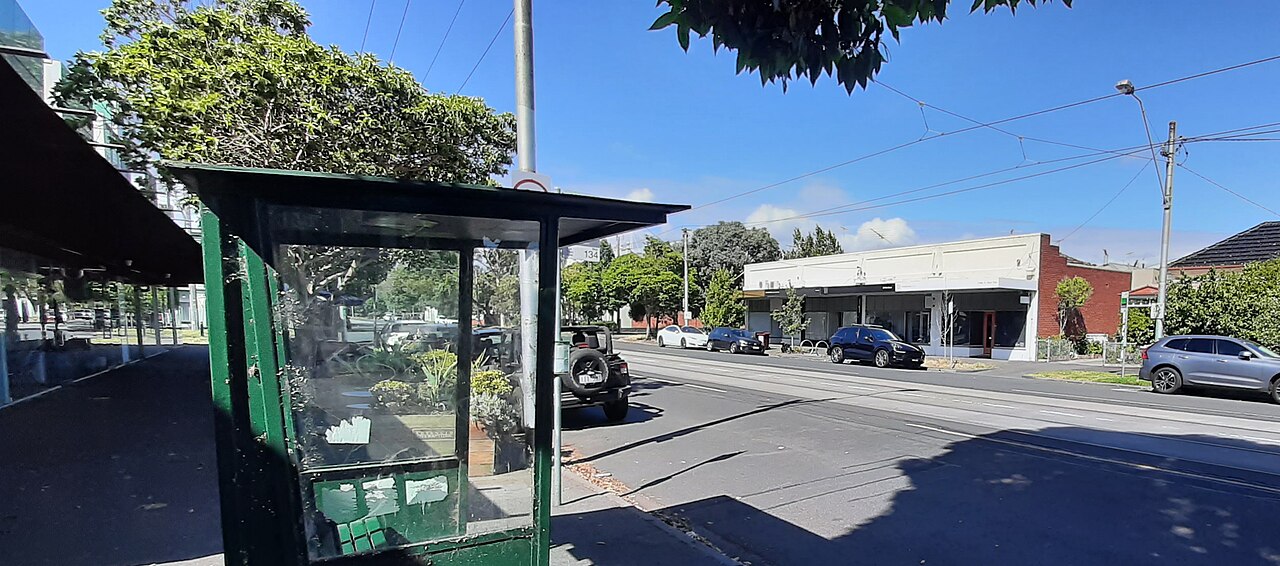
Transport is good if your life points toward the CBD, South Melbourne, Port Melbourne or St Kilda, but it is not frictionless. Trams and cycling can beat driving for city appointments, especially once parking costs and traffic are counted. Driving is workable for cross-town trips, but renters should check permit rules, garage dimensions and visitor parking before signing. A narrow terrace with one awkward car space can be fine for a weekend household and painful for a consultant juggling client visits.
Two honest gotchas stand out. First, many homes were not designed for two adults on video calls, so layout matters more than postcode bragging rights. Second, the suburb can feel calm during inspection and then turn tight during events, school peaks, dinner hours and beach-weather weekends. If you want Albert Park to work, choose the boring practical lease over the pretty compromised one.
Signature Craving
Albert Park’s remote-work food rhythm is less about all-day laptop grazing and more about knowing where to land when the screen finally closes. Village Wine Bar on Dundas Place is the better mental reset: grown-up, local, and more dinner-after-deadline than headphones-at-noon. For a faster fix, Trifons Pizza on Albert Street and Sparky’s Family Restaurant on Gordon Road give you the practical option remote workers actually use after a long call block: hot food without turning the evening into a project. Bonzzini’s on Albert Street covers the burger-and-pub lane, while Montana’s on Gordon Road is there when barbecue beats another desk salad. The honest craving verdict: Albert Park is not a suburb that feeds a coworking fantasy all day. It feeds the person who has already done the work and wants a reliable local meal within a short walk or drive.
Comparisons Table
| Suburb | Transport | Tier | Region |
|---|---|---|---|
| Albert Park | C+ | Inner | inner-south |
| Balaclava | A | Inner | inner-south |
| Elwood | D+ | Inner | inner-south |
| Garden City | D+ | Inner | inner-south |
Trust Block
Author: Priya Sharma — Family-and-community correspondent; reads council planning notices for fun.
Data: data/melbourne_suburbs_master.json (Codex per-LGA enumeration, cross-checked vs VEC + Australia Post + ABS SA2 boundaries), data/suburb_scores.json (composite percentile grades), data/venues/.json (OpenStreetMap + Gemini-verified venue catalog).
Last reviewed: 2026-05-26. Not financial advice. We do not accept paid placements in editorial.
FAQ
Q: Is Albert Park good for remote workers in 2026? A: Yes, but only for a specific type of remote worker. Albert Park suits people who already have a stable home setup, value quiet streets, and do not need a formal coworking desk every weekday. It is strong for solo consultants, designers, writers, finance workers and senior operators who take meetings in the city but do deep work at home. It is weaker for early-stage founders, sales teams or anyone who needs frequent networking, meeting rooms and a dense cafe rotation inside the suburb itself.
Q: Are there proper coworking spaces in Albert Park? A: Albert Park is not a major coworking node. The local pattern is more residential home office, cafe meeting, then travel to nearby business areas when you need a real desk, boardroom or serviced office. South Melbourne, Port Melbourne, St Kilda Road and the CBD will usually carry that load better. If coworking is central to your week, inspect Albert Park as a lifestyle base rather than the place where all work infrastructure sits. That distinction prevents expensive disappointment.
Q: What streets are better for working from home? A: Look first at quieter internal residential streets rather than the most exposed edges. Richardson Street, Page Street, Little Page Street, Reed Street and similar pockets are the kind of areas where a home office can feel calm if the individual property is well insulated. Near Beaconsfield Parade, Aquatic Drive, Gordon Road or busier food strips, inspect carefully for traffic, bins, deliveries, evening movement and weekend parking. The exact building matters as much as the street name.
Q: What is the rent reality for a one-bedroom remote-work setup? A: The median one-bedroom unit figure is around $515 per week, but that does not automatically mean you get a comfortable office corner. Many one-bedroom rentals are perfectly livable but marginal for full-time remote work once you add a desk, chair, monitor and storage. If your work involves long calls, confidential conversations or two people working from home, budget beyond the headline median. A small two-bedroom or a better-planned one-bedroom can be worth more than a prettier but cramped address.
Q: Can I live in Albert Park without a car? A: You can, especially if your work and social life point toward the CBD, South Melbourne, Port Melbourne, St Kilda or nearby bay suburbs. Trams, cycling and walking can cover a lot of weekly movement. The catch is that some errands, late finishes and cross-town appointments become less elegant without a car. If you do own one, do not assume parking will be easy. Check permit eligibility, garage access, visitor parking and event-day pressure before you sign the lease.
Q: Is Albert Park too quiet for younger remote workers? A: It can be, depending on what you expect after work. Albert Park is not the suburb for constant late-night variety or a new cafe every block. The appeal is calmer: bay access, established streets, parks, local restaurants and quick movement to livelier areas when needed. A younger remote worker who wants discipline, exercise and fewer distractions may love it. Someone who relies on spontaneous social energy after logging off may feel boxed in and should compare South Melbourne or St Kilda.
Q: Where should remote workers eat locally? A: Use the food scene pragmatically. Village Wine Bar on Dundas Place is better for a proper decompression meal than for camping on a laptop. Trifons Pizza and Bonzzini’s on Albert Street are useful when you want dinner without much decision-making. Sparky’s Family Restaurant and Montana’s on Gordon Road add casual options, while The Point Restaurant near Aquatic Drive is more of a planned outing. The suburb is stronger for after-work meals than for all-day desk-friendly dining.
Q: What are the biggest gotchas before renting in Albert Park? A: The first gotcha is layout. A charming terrace or older unit can photograph well and still be bad for remote work if the only desk space is in a hallway or bedroom corner. The second is noise variation. A property can seem peaceful during a short inspection but feel different during school runs, dinner trade, beach weather or event periods. Also check heating, cooling, mobile reception, NBN status, window coverings and whether your video-call background will be workable without daily rearranging.
Q: Who should skip Albert Park for remote work? A: Skip it if you need cheap rent, abundant modern apartments, on-demand coworking, easy all-day parking and a high-volume rental market. Albert Park asks you to pay for a refined residential setting, not a flexible work district. It also makes less sense for share houses where everyone needs a private call room. If your priority is maximum workspace per dollar, look at suburbs with more apartment stock and stronger transport-to-office tradeoffs before committing to the Albert Park premium.