
Albert Park: A Grid of Green and Quiet Ambition
Albert Park is defined by its grid. A meticulously planned network of streets, punctuated by leafy squares and the sprawling expanse of Albert Park Reserve, it’s a suburb that prioritises order, space, and a certain understated elegance. This isn’t a place of bustling nightlife or trendy pop-up shops; it’s a place where people value quiet mornings, weekend cricket, and a short walk to a decent coffee. It’s a suburb that feels both established and perpetually poised, quietly accumulating value while maintaining a low profile.
Who Lives Here? The Demographics
Albert Park consistently ranks among Melbourne’s most affluent suburbs. The demographics reflect this. It’s overwhelmingly populated by professionals – lawyers, doctors, accountants, consultants – many of whom are established in their careers. You’ll see a lot of families, particularly those with young children, drawn to the excellent schools and the abundance of parkland. There’s a significant proportion of older residents, many having lived in the area for decades, enjoying the quiet and the established infrastructure.
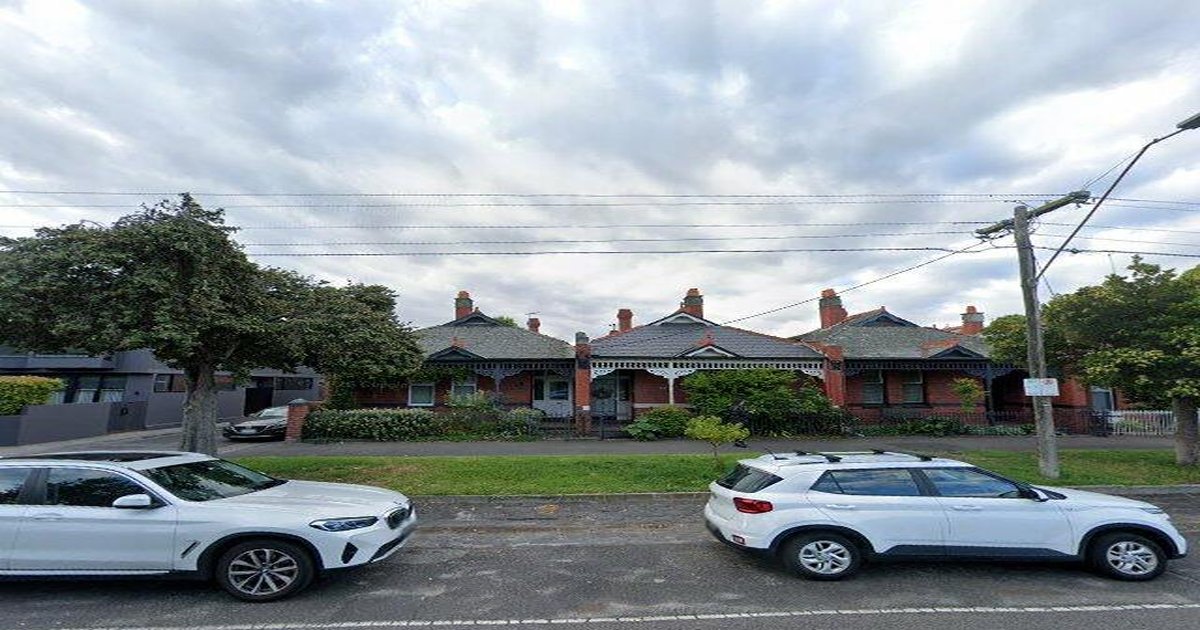
While historically a predominantly Anglo-Australian suburb, Albert Park is slowly becoming more diverse, though the change is gradual. You’ll find a growing number of residents from Asian backgrounds, particularly Chinese and Malaysian, often drawn by the proximity to good schools and the perceived safety of the area. However, it’s still fair to say that Albert Park retains a relatively homogenous feel compared to some other inner-city suburbs. The median age hovers around 40, and household incomes are significantly higher than the Melbourne average. Expect to see a lot of well-maintained period homes, often with meticulously landscaped front gardens.
The Vibe: Quiet Confidence and Considered Living
The vibe in Albert Park is best described as “quiet confidence.” It’s not flashy or ostentatious. Residents aren’t trying to impress anyone. There’s a sense of understated wealth and a focus on quality over quantity. People are generally well-educated, politically engaged, and value a certain level of sophistication.
Weekends revolve around Albert Park Reserve. You’ll find families picnicking, kids playing football, and cricket matches in full swing. The Albert Park Bowls Club is a local institution, and the occasional Sunday morning game draws a small but dedicated crowd. The suburb is remarkably quiet on weeknights. You won’t find late-night bars or clubs. Instead, expect to see people walking their dogs, heading to dinner at one of the local restaurants, or simply enjoying the peace and quiet of their homes.
There’s a strong sense of community, fostered by local events like the annual Albert Park Village Festival and the regular farmers’ market held on Dandenong Road. However, this community can also feel a little insular at times. Newcomers might find it takes a while to break into established social circles.
Pros & Cons: The Honest Assessment
Let’s be clear: Albert Park isn’t for everyone. Here’s a brutally honest breakdown of the pros and cons:
Pros:
- Space: The grid layout and generous block sizes mean you get significantly more space than in many other inner-city suburbs. Houses have gardens, apartments have balconies.
- Green Space: Albert Park Reserve is a massive asset. It’s a genuine oasis in the city, offering ample space for recreation and relaxation.
- Safety: Albert Park consistently ranks as one of Melbourne’s safest suburbs. Crime rates are low, and residents generally feel very secure.
- Schools: The area boasts some of Melbourne’s best schools, including Albert Park Primary School and Wesley College. This is a major draw for families.
- Quiet: If you value peace and quiet, Albert Park delivers. It’s a welcome escape from the hustle and bustle of the CBD.
- Architecture: The suburb is full of beautiful Victorian and Edwardian homes, showcasing stunning architectural details.
- Proximity to the Beach: St Kilda’s beach is a short walk or bike ride away, offering a taste of coastal living.
- Good Coffee & Food: While not a foodie hotspot, Albert Park has a solid selection of cafes and restaurants.
Cons:
- Price: This is the big one. Albert Park is expensive – both to rent and to buy. Be prepared to pay a premium for the privilege of living here.
- Lack of Nightlife: If you’re looking for a vibrant nightlife scene, you’ll be disappointed. Albert Park is not a party suburb.
- Limited Public Transport: While well-connected, public transport options are not as extensive as in some other inner-city suburbs. You might find yourself relying on a car or bicycle.
- Can Feel a Little Stuffy: The quiet, orderly atmosphere can sometimes feel a little stifling. It’s not a suburb for those who thrive on chaos and spontaneity.
- Parking: Parking can be a nightmare, particularly on weekends when the Reserve is busy.
- Limited Shopping: While Dandenong Road has some boutiques and shops, Albert Park lacks a major shopping precinct. You’ll likely need to venture to nearby suburbs like South Yarra or Prahran for more extensive retail options.
- The “Bubble” Effect: It can feel a little detached from the rest of Melbourne, a self-contained world of manicured lawns and quiet streets.
Rental Snapshot (as of late 2023):
- 1 Bedroom Apartment: Expect to pay around $600 - $800 per week. A decent 1BR in a period building on a quieter street like Bridport or Armstrong might be closer to the $600 mark, while something newer with more amenities on Dandenong Road could easily reach $800.
- 2 Bedroom Apartment/House: The median for a 2BR is generally between $800 - $1200 per week. A renovated 2BR apartment with a balcony overlooking Albert Park Reserve will command a premium.
Commute to CBD:
Albert Park is incredibly well-connected to the CBD.
- Tram: The 96 tram runs directly from Albert Park to the CBD, taking approximately 20-30 minutes depending on traffic. Tram stops are conveniently located along Dandenong Road and other major streets.
- Bus: Several bus routes connect Albert Park to the CBD and surrounding suburbs.
- Cycling: The Yarra River Trail provides a scenic and relatively flat cycling route to the CBD, taking around 30-40 minutes.
- Driving: Driving to the CBD can take 20-40 minutes, depending on traffic. Parking in the CBD is notoriously expensive.
Defining Venues & Streets:
- Albert Park Reserve: The heart and soul of the suburb.
- Dandenong Road: The main commercial strip, featuring cafes, restaurants, boutiques, and the weekly farmers’ market. Try the coffee at Little Green, or grab a bite at Maha.
- Bridport Street: A quiet, leafy street known for its beautiful Victorian homes.
- Armstrong Street: Another desirable street with a mix of period homes and apartments.
- The Emerald Hill Hotel: A classic pub with a relaxed atmosphere and a good selection of beers.
- George’s Restaurant: A long-standing institution on Albert Road, known for its fine dining and extensive wine list.
- Albert Park Tennis Club: A historic club with a strong local following.
Who Is This Suburb For?
Albert Park is ideal for established professionals and families who value space, safety, and a quiet lifestyle. It’s a suburb for those who appreciate good architecture, green spaces, and a sense of community, and who are willing to pay a premium for these qualities. It’s not a good fit for young people seeking a vibrant nightlife or those on a tight budget. Ultimately, Albert Park is a place to settle down, raise a family, and enjoy a comfortable, understated existence.
💬 Discussion
Join the conversation — no account needed