Verdict Box
Best for: cashed-up renters who want beach, lake, tram, and South Melbourne access without living in a tower. Skip if: you need easy visitor parking, a cheap second bedroom, or a quiet life during Grand Prix season. Rent pressure: expensive for what you physically get. The premium is location, not floor area, storage, or car access. Commute reality: strong for CBD-fringe workers if you use tram or bike; weaker if you insist on driving at peak hour. Food scene: better for low-key local eating than late-night variety. The good stuff is scattered, not concentrated. Family fit: excellent open space, high competition for period homes, and school-run congestion in the wrong pocket. Overall score: 7.5/10. Albert Park is genuinely convenient and handsome, but 2026 renters should read the lease, inspect the parking rules, and assume every lifestyle perk has already been priced in.
At-a-Glance Table
| Factor | Albert Park 2026 |
|---|---|
| LGA | Port Phillip City Council |
| Postcode | 3206 |
| Geographic tier | Inner |
| Region | inner-south |
| Transport grade | C+ |
| Overall grade | D |
Who It Suits
Mira, 34, city-fringe consultant — wants tram access, morning lake laps, and does not need a garage. The Car-Light Couple — can share one vehicle, use bikes, and avoid the worst parking stress. Dean, 46, downsizing parent — values beach proximity and village errands more than spare bedrooms.
Rent & Property Reality
Median 1BR unit rent: $545 per week, up about 5.4% YoY, based on current suburb rental signals from Domain and the thin number of true one-bedroom listings in Albert Park itself.
That $545 figure needs interpretation. In Albert Park, the median is not a neat promise that you will find a clean, bright, well-located one-bed for that price with parking included. It is more like the entry toll for being taken seriously in the suburb, and the actual place may still be small, older, oddly configured, or sitting on a louder road than the photos imply. Anything with secure parking, a renovated kitchen, a balcony, or a Beaconsfield Parade outlook can pull away from the median fast.
The rent pressure is also shaped by scarcity. Albert Park has a lot of tightly held period housing, a strong owner-occupier base, and a rental market that can feel patchy from week to week. One Saturday you may see a serviceable one-bed around the mid-$500s; the next, the apparent choice is either a compromise flat or a jump toward $650-plus. That is the trap for renters who set a single number and assume patience will solve it.
For a solo renter, $545 a week means roughly $2,361 a month before utilities, internet, contents insurance, moving costs, bond, and any parking permit or paid space. If your workplace is in the CBD, St Kilda Road, Southbank, Port Melbourne, or South Melbourne, the time savings can make the premium feel rational. If you work from home and mainly want a pleasant address, it is easier to overpay for a postcode when nearby Middle Park, South Melbourne, Port Melbourne, and St Kilda West listings may offer different trade-offs.
The practical move is to inspect by street, not just price. A cheaper flat near a transport pinch point or event-affected parking zone can become more annoying than a slightly dearer one on a calmer residential street. Ask whether the advertised parking is on-title, allocated, tandem, permit-based, or just hopeful street parking. In Albert Park, that distinction is not admin detail; it changes daily life.
Local Reality & Pockets
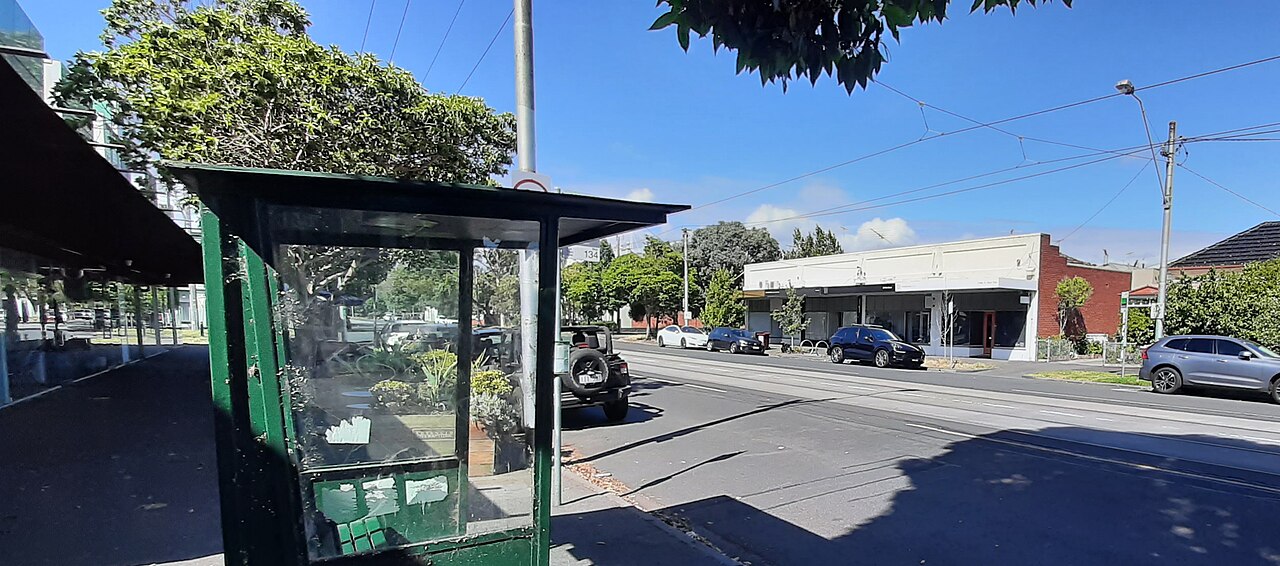
Albert Park rewards people who choose their pocket carefully. The prettiest address is not always the easiest one to live in, especially if you own a car or expect visitors to find a spot without circling. Streets closer to the beach and lake carry the obvious appeal: faster walks to open space, easier weekend routines, and a stronger sense of separation from the CBD. They also attract event traffic, commuter spillover, and stricter parking conditions when the calendar turns against you.
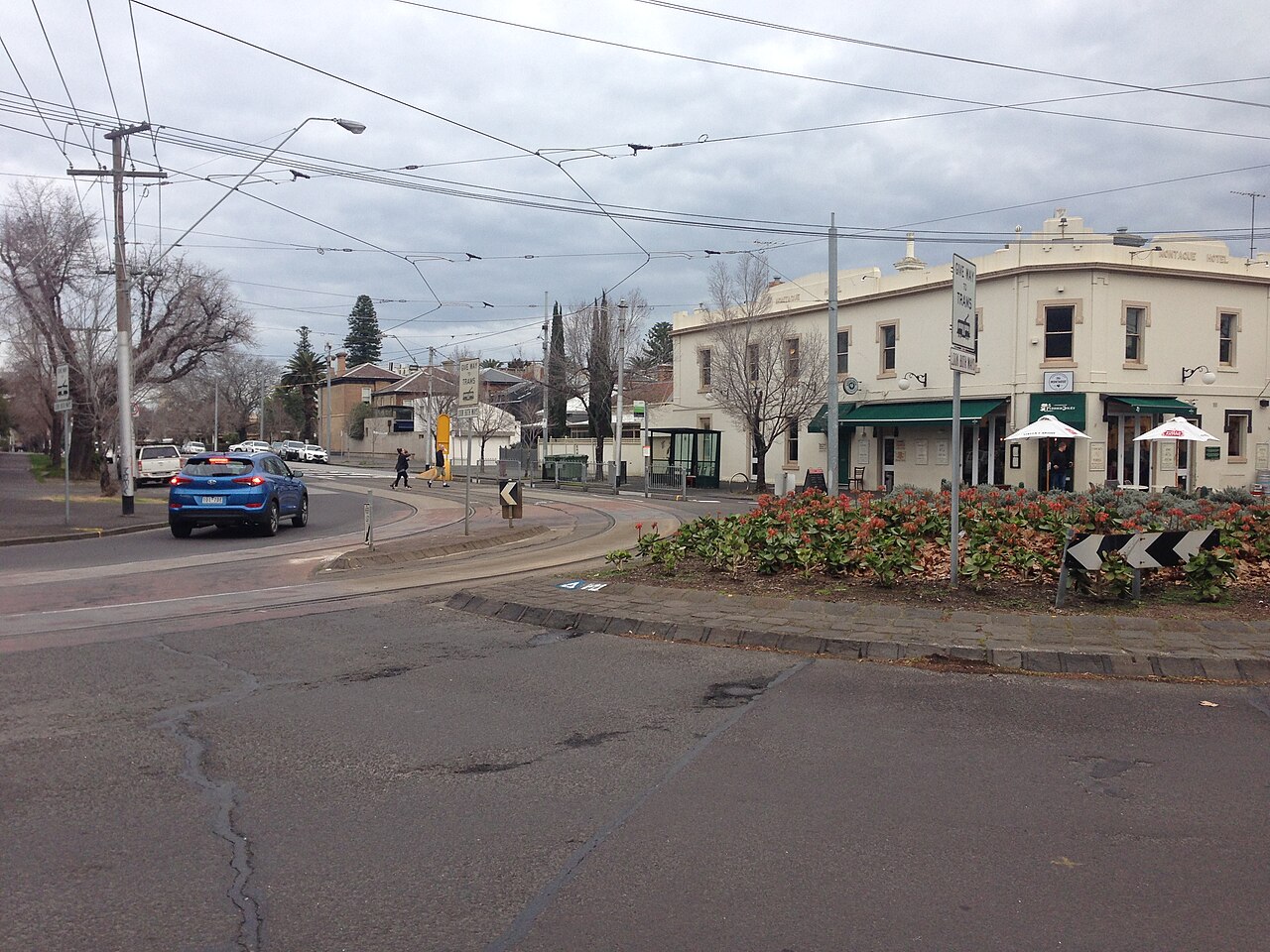
For a calmer base, look at the residential streets set back from the major movement corridors, then test them at three times: a weekday morning, a weekday evening, and a Saturday afternoon. Kerferd Road and Canterbury Road are useful connectors, but living right on a connector can mean tram noise, braking traffic, and less forgiving parking. Beaconsfield Parade gives the postcard version of Albert Park, yet the trade-off is exposure: wind, road noise, and premium rents for apartments that may still have older bones.
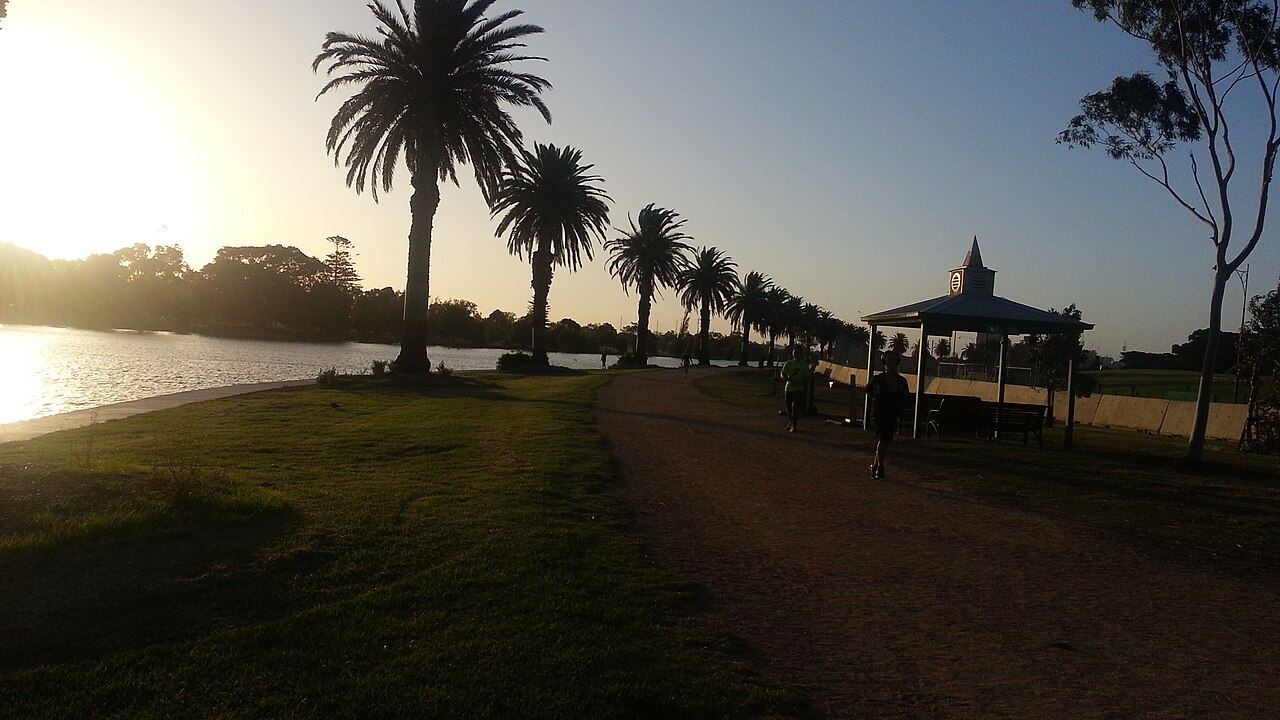
Dundas Place is useful if you want errands and a proper local rhythm; Village Wine Bar at 117 Dundas Place makes that pocket feel more lived-in than purely residential. Aquatic Drive and the lake edge suit people who value walking loops and sport access, with The Point Restaurant as the obvious landmark, but check how event setups and weekend parking rules affect your exact building. The prompt’s venue cluster around Albert Street and Gordon Road is worth treating as a practical signal too: food access can be convenient, but restaurant strips can mean short-stay parking churn and delivery traffic at dinner time.
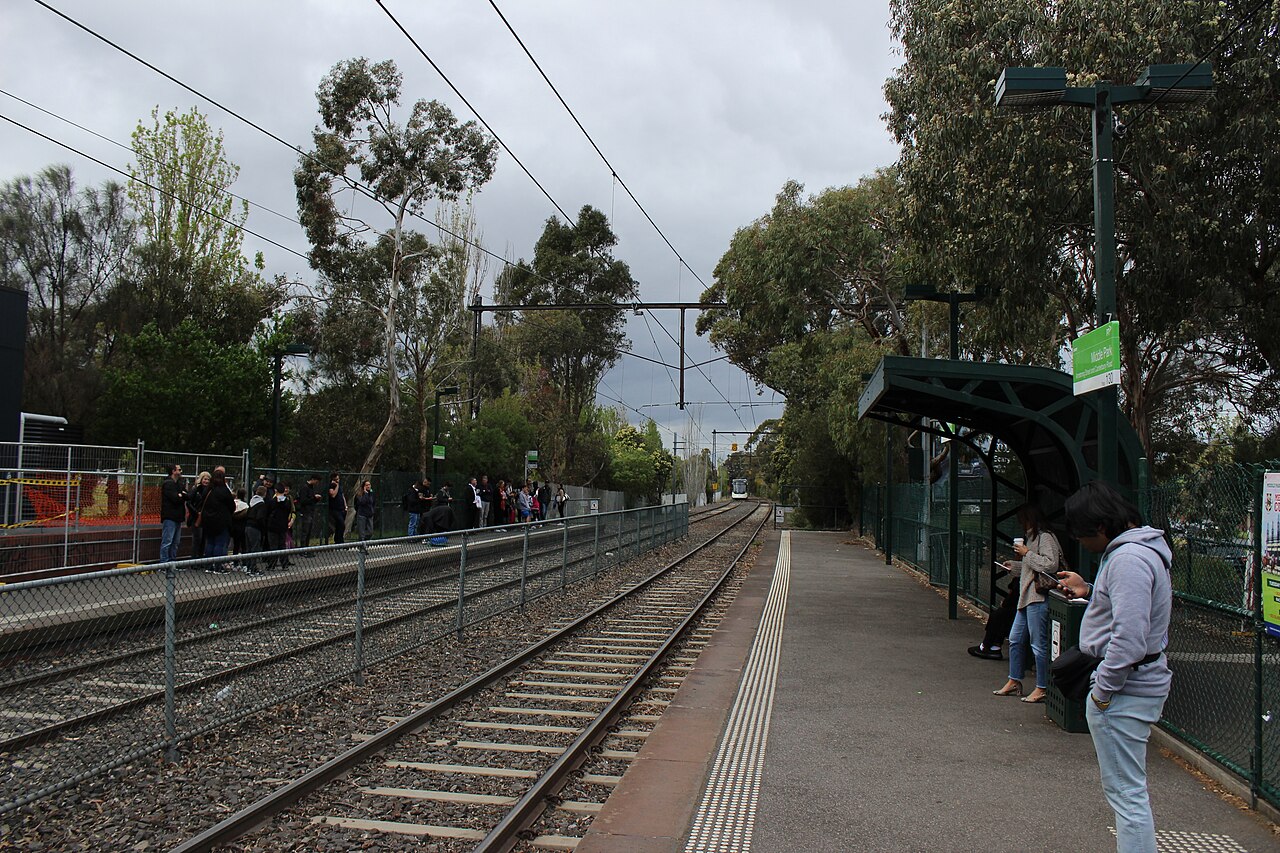
Two honest gotchas matter. First, Grand Prix and major park events can temporarily change the suburb’s mood, access, and parking logic. Even if your street is not closed, your normal route may become slower. Second, older Albert Park homes and flats can photograph beautifully while hiding weak storage, narrow stairs, damp, poor insulation, or awkward laundries. Transport is good if you accept trams, bikes, and walking; it is less charming if your life depends on two cars and spontaneous kerbside parking.
Signature Craving
The Albert Park craving is not a 10-course destination dinner; it is the Friday decision you make after negotiating parking, wind, and a long workday. Village Wine Bar on Dundas Place is the most useful shorthand for that: local, grown-up, and better suited to a glass of wine and pasta than a loud night you need to plan around. If you live nearby, the value is not novelty. It is being able to walk there, eat properly, and avoid turning a simple meal into a rideshare calculation. The Point Restaurant on Aquatic Drive is the more occasion-coded option, especially when the lake setting is doing the heavy lifting. For comfort food, Trifons Pizza and Bonzzini’s on Albert Street give the suburb a less polished, more practical edge. Albert Park eats well, but the real luxury is proximity.
Comparisons Table
| Suburb | Transport | Tier | Region |
|---|---|---|---|
| Albert Park | C+ | Inner | inner-south |
| Balaclava | A | Inner | inner-south |
| Elwood | D+ | Inner | inner-south |
| Garden City | D+ | Inner | inner-south |
Trust Block
Author: Sophie Chen — CBD-and-fringe correspondent who tracks new openings the week they soft-launch.
Data: data/melbourne_suburbs_master.json (Codex per-LGA enumeration, cross-checked vs VEC + Australia Post + ABS SA2 boundaries), data/suburb_scores.json (composite percentile grades), data/venues/.json (OpenStreetMap + Gemini-verified venue catalog).
Last reviewed: 2026-05-26. Not financial advice. We do not accept paid placements in editorial.
FAQ
Q: Is parking in Albert Park actually difficult in 2026? A: Yes, but it depends heavily on the pocket and the calendar. Streets near the lake, beach, retail strips, and event routes can become frustrating quickly, especially on weekends and during major Albert Park events. The daily problem is not always zero spaces; it is uncertainty. You may find parking easily on Tuesday night and then spend 15 minutes circling on Saturday. Renters should treat off-street parking as a major value item, not a small bonus in the listing copy.
Q: Which Albert Park streets should renters inspect most carefully? A: Inspect connector roads and event-adjacent pockets with extra caution. Kerferd Road, Canterbury Road, Beaconsfield Parade, Aquatic Drive, Dundas Place, Albert Street, and Gordon Road all have different forms of convenience and irritation. A flat near Dundas Place may be great for food and errands but busier at night. A lake-edge address may feel calm midweek and then change during events. Always check noise, parking signage, bin access, and evening traffic before applying.
Q: Is Albert Park good if I do not own a car? A: Albert Park is one of the stronger car-light suburbs if your work and social life sit around the CBD fringe, South Melbourne, Port Melbourne, St Kilda Road, or the bay. Trams, cycling, walking, and short rideshares can cover a lot. The catch is groceries, late-night travel, and bad-weather errands. If you are disciplined about location, you can live well without a car. If you choose the wrong pocket, you may feel oddly close to everything yet still inconvenienced.
Q: Is the rent premium in Albert Park worth it? A: It is worth it for renters who will use the suburb every day: lake walks, beach access, trams, nearby food, and quick CBD-fringe movement. It is harder to justify if you mainly stay indoors, work remotely, or need more internal space. Albert Park rents often charge for the street network and lifestyle rather than the dwelling itself. A small, older one-bedroom can still be expensive because the surrounding suburb is doing so much of the selling.
Q: What should I check before signing a lease with parking included? A: Ask exactly what the parking arrangement is. Is it an on-title space, an allocated bay, a stacker, tandem parking, a permit, or just unrestricted street parking nearby? Also check whether visitor parking exists and whether event days change access. In Albert Park, vague parking language can become a daily annoyance. If the agent says parking is easy, visit at night and on a weekend before believing it. The lease should match the promise.
Q: Is Albert Park noisy? A: Parts of it are quiet, but the suburb is not uniformly peaceful. Beaconsfield Parade can carry road noise and wind exposure. Connector roads bring tram and vehicle movement. Food pockets around Dundas Place, Albert Street, and Gordon Road can create evening parking churn and delivery activity. Lake and park proximity can also mean event-related disruption. The quieter streets are often just a block or two away, so do not judge the whole suburb from one inspection.
Q: Is Albert Park suitable for families? A: Yes, with money and patience. Families get excellent access to open space, the bay, sport, schools nearby, and a walkable daily routine. The hard part is housing. Family-sized rentals are expensive, tightly held, and often competitive. Older homes may have charm but limited storage, narrow layouts, or maintenance issues. Families with two cars should be especially careful. The suburb suits households that value outdoor space and location more than a large modern floor plan.
Q: Where is the best food pocket for locals? A: Dundas Place is the easiest answer for a local routine, especially with Village Wine Bar giving the strip a dependable evening option. Aquatic Drive has The Point Restaurant for a more setting-driven meal. Albert Street and Gordon Road are useful for casual food, with Trifons Pizza, Bonzzini’s, Sparky’s Family Restaurant, and Montana’s in the mix. The suburb is not built around one dense dining strip, so the best pocket is the one you can walk to without moving the car.
Q: Should I choose Albert Park over South Melbourne or Port Melbourne? A: Choose Albert Park if you want lower-rise streets, lake and beach access, and a more residential feel close to the city. Choose South Melbourne if you want denser retail, market access, and more apartment choice. Choose Port Melbourne if you want more waterfront apartment stock and easier access toward the west. Albert Park is often the most charming option, but it can be the least forgiving on price and parking. The right answer depends on whether space, transport, or street character matters most.