
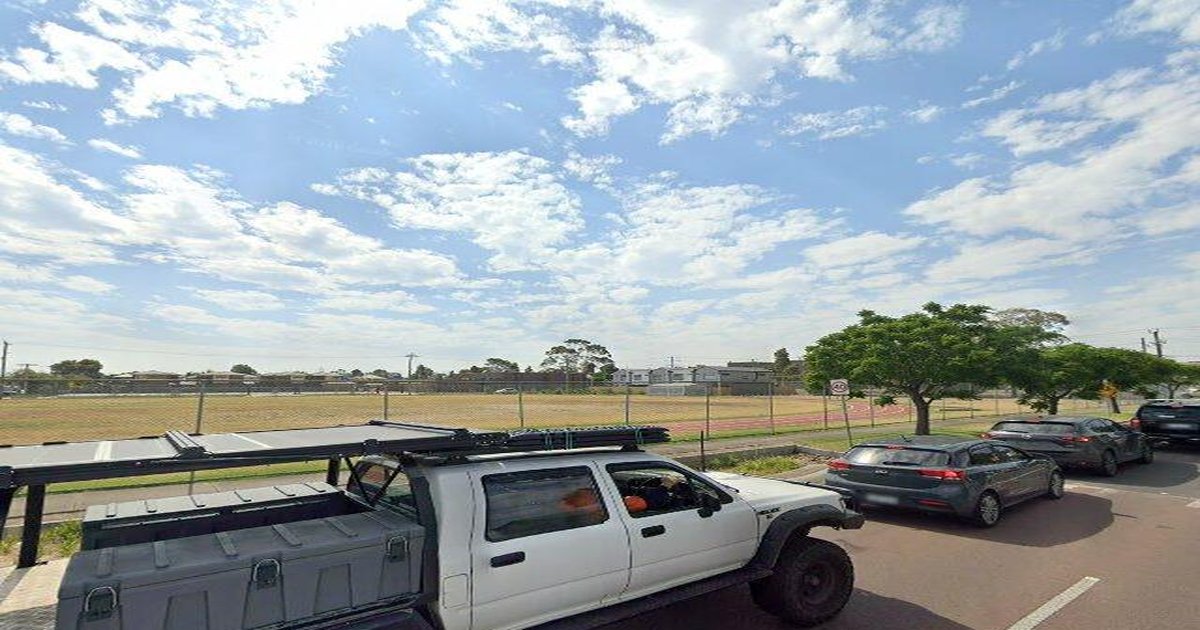
Albion: The Industrial Heart with a Growing Soul
Albion is defined by its history as a working-class industrial hub. The remnants of that past – the warehouses, the railway lines, the slightly rough-around-the-edges feel – are still very much present, but increasingly interwoven with a burgeoning creative scene, trendy cafes, and a noticeable influx of younger residents. It’s a suburb in transition, retaining a gritty authenticity while simultaneously polishing its image. This isn’t a manicured, leafy suburb; it’s a place that feels lived-in, a little bit raw, and increasingly vibrant.
Who Lives Here? (Demographics)
Albion’s demographic profile reflects its evolution. Historically, it was populated by families involved in the manufacturing and railway industries. While older residents remain, the suburb has seen a significant shift in recent years. The 2021 census data paints a picture:
- Age: The median age is 34, significantly lower than the Melbourne average. A large proportion (around 40%) are aged between 25 and 39. This is driven by young professionals and creatives attracted by the affordability (relatively speaking) and the burgeoning arts scene.
- Household Composition: While families still exist, the majority of households are couples (with or without children) and single individuals. Shared housing is also common, particularly amongst younger renters.
- Income: Median household income is around $85,000, slightly below the Melbourne average. This reflects the mix of established residents and those who are still building their careers.
- Occupation: A noticeable shift away from traditional manufacturing jobs is evident. Common occupations now include professionals (particularly in marketing, design, and IT), hospitality workers, and those employed in the creative industries.
- Cultural Diversity: Albion has a diverse population, with a significant proportion born overseas. Common ancestries include Vietnamese, Chinese, Italian, and Greek. This diversity is reflected in the local food scene.
The Vibe
The vibe in Albion is best described as “relaxed industrial cool.” It’s not a flashy suburb; it’s more about understated style and a sense of community. There’s a strong emphasis on supporting local businesses, and a genuine appreciation for the suburb’s history. You won’t find a lot of chain stores here.
- Daytime: During the day, Albion buzzes with activity. Tradespeople are still visible, working on the older industrial buildings. Cafes like Littlehop on Albion Street are packed with freelancers and locals catching up. The Albion Public Market, a relatively new addition on Atherton Street, is a weekend drawcard, offering artisan goods, fresh produce, and food stalls.
- Nighttime: Albion’s nightlife is evolving. While it doesn’t have the late-night club scene of Fitzroy or Collingwood, it offers a more laid-back vibe. The Gasometer on Victoria Parade is a well-known live music venue, hosting a diverse range of acts. The Old Bar on Lygon Street is a classic, no-frills pub with a loyal following. There are also a growing number of smaller bars and restaurants opening up, catering to a more discerning crowd.
- Community Feel: Albion has a strong sense of community, fostered by local events and the prevalence of small, independent businesses. The Albion Residents Association is active in advocating for the suburb’s interests.
Pros & Cons (Honest Assessment)
Pros:
- Affordability (Relative): Compared to its inner-city neighbours, Albion offers relatively more affordable housing options, particularly for renters.
- Character & History: The suburb’s industrial heritage gives it a unique character that’s increasingly rare in Melbourne. The old warehouses and factories have been repurposed into creative spaces, cafes, and apartments.
- Growing Arts & Culture Scene: Albion is becoming a hub for artists, designers, and musicians. The Albion Public Market and The Gasometer are key drivers of this scene.
- Good Food & Drink Options: From Littlehop’s excellent coffee to the diverse range of restaurants along Lygon Street, Albion offers a solid selection of food and drink options.
- Public Transport: Albion is well-served by public transport, with trams and trains providing easy access to the CBD and other parts of Melbourne.
- Green Spaces: While not abundant, there are pockets of green space, including the sprawling Royal Melbourne Showgrounds and the smaller, but pleasant, Albion Reserve on Kerr Street.
Cons:
- Industrial Aesthetic: The industrial aesthetic isn’t for everyone. Some may find the area a bit gritty or lacking in charm.
- Traffic & Noise: Albion can be noisy, particularly along major roads like Victoria Parade and Lygon Street. Traffic congestion can also be an issue during peak hours.
- Limited Retail Options: While the food and drink scene is strong, Albion lacks a wide range of retail options. You’ll need to venture to nearby suburbs like Brunswick or Fitzroy for more extensive shopping.
- Parking: Parking can be difficult, particularly in the evenings and on weekends.
- Ongoing Development: The suburb is undergoing significant development, which can be disruptive and lead to increased traffic and noise. The constant construction can be frustrating.
- Safety Concerns (Specific Areas): While generally safe, certain areas around the Showgrounds and along some of the quieter industrial streets can feel a bit isolated at night.
Rental Snapshot (as of late 2023)
- 1 Bedroom Apartment: Median weekly rent is approximately $450 - $550. Expect to find a range of options, from older, smaller apartments to renovated units in newer developments. Locations closer to Lygon Street and Victoria Parade tend to be more expensive.
- 2 Bedroom Apartment/Townhouse: Median weekly rent is approximately $600 - $800. These are generally more spacious and offer more amenities. Shared housing is common in 2-bedroom properties, driving down individual rent costs.
Commute to CBD
- Tram: The 18 (North Fitzroy) and 96 (Brunswick) trams run through Albion, providing a direct link to the CBD. The journey takes approximately 25-35 minutes, depending on traffic.
- Train: Albion Station is on the Upfield line, offering a direct train service to the CBD. The journey takes approximately 20 minutes.
- Cycling: Albion is relatively flat and well-connected by bike paths, making cycling to the CBD a viable option for those who are fit and comfortable riding in traffic. Allow approximately 30-45 minutes.
- Driving: Driving to the CBD can be challenging due to traffic congestion and limited parking. Allow approximately 20-30 minutes, depending on traffic.
Real Streets & Venues That Define Albion
- Lygon Street: The main thoroughfare, lined with Italian restaurants, cafes, and shops. It’s the heart of Albion’s commercial activity.
- Victoria Parade: A busy arterial road with a mix of industrial buildings, cafes, and the Gasometer music venue.
- Atherton Street: Home to the Albion Public Market, a vibrant hub for local artisans and food vendors.
- Albion Street: A quieter residential street with a mix of older homes and newer apartments.
- Kerr Street: Features Albion Reserve, a small but pleasant park.
- The Gasometer (Victoria Parade): A beloved live music venue hosting a diverse range of acts.
- Littlehop (Albion Street): A popular cafe known for its excellent coffee and brunch menu.
- The Old Bar (Lygon Street): A classic, no-frills pub with a loyal following.
- Albion Public Market (Atherton Street): A weekend market showcasing local artisans and food vendors.
Who Is This Suburb For?
Albion is ideal for young professionals and creatives seeking a relatively affordable and character-rich alternative to the more established inner-city suburbs. It’s a good fit for those who appreciate a slightly rough-around-the-edges vibe and are drawn to a strong sense of community and a growing arts scene. It’s not for those seeking manicured gardens or a quiet, suburban lifestyle; Albion is a place that’s still evolving, and it embraces its industrial past while looking towards a vibrant future. Ultimately, it’s a suburb for those who want to be part of something authentic and a little bit different.
Data sourced from Google Places, OpenStreetMap, and ABS Census. Compiled April 2026. Found an error? Contact us.
💬 Discussion
Join the conversation — no account needed