
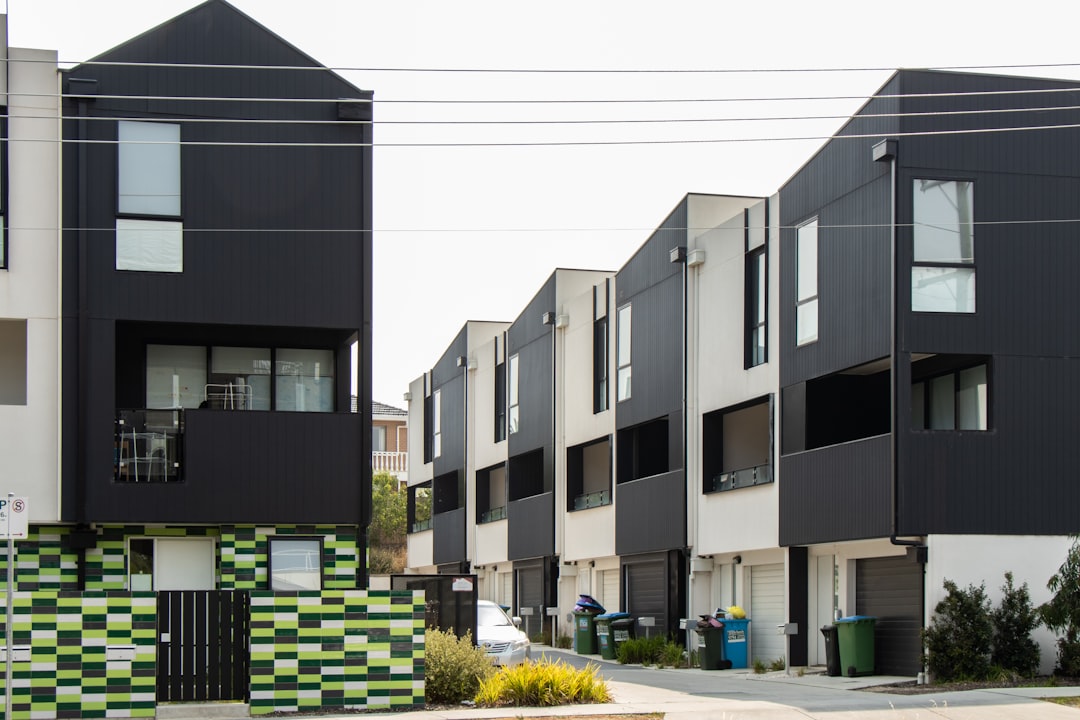
Alphington: Where the Darebin Creek Sets the Pace
Alphington isn’t a suburb that shouts for attention. It’s a quiet achiever, defined by the meandering Darebin Creek and a surprisingly industrial past that’s slowly giving way to a more residential feel. It’s a place where you’re as likely to encounter a cyclist enjoying the creek trail as you are a tradie heading to one of the remaining commercial pockets. It’s not ‘trendy’ in the Fitzroy sense, nor is it the leafy family haven of Balwyn. Alphington occupies a space somewhere in between, and that’s largely what defines its appeal – and its limitations.
Who Lives Here?
The demographic profile is shifting, but traditionally Alphington has been a working-class suburb with a strong Italian heritage. That’s still visible in pockets, particularly around the shops on Heidelberg Road. However, the influx of young professionals and families, priced out of neighbouring suburbs like Richmond and Collingwood, is rapidly changing the landscape.
The 2021 Census data paints a picture of a suburb becoming increasingly gentrified. The median age is 36, slightly younger than the Melbourne average. Household composition leans towards couples and families, but there’s a noticeable presence of young singles and sharehouses, particularly closer to the train station. Around 60% of residents were born in Australia, with significant representation from Italy, China, and Vietnam. There’s a higher proportion of renters than homeowners, reflecting the ongoing development and investment in the area. Professionally, you’ll find a mix – healthcare workers, teachers, IT professionals, and a lingering presence of those employed in the remaining industrial businesses.
The Vibe
Alphington’s vibe is…relaxed. It’s not buzzing with nightlife, and you won’t find a huge amount of retail theatre. It’s a suburb for people who value convenience, green space, and a sense of community without the constant stimulation of inner-city living. Weekends are often spent along the Darebin Creek trail, at the Alphington Farmers’ Market (held on the second Sunday of each month at the Bowls Club on Park Drive), or grabbing a coffee at one of the increasingly good cafes.
There’s a strong local feel, fostered by community groups and events. The area around the Alphington Bowls Club is a social hub, and the local primary school, Alphington Primary School on Banksia Street, is a focal point for families. However, it’s a vibe that relies heavily on making things happen – it’s not a suburb that offers a lot ‘out of the box’. You need to be proactive about building a social life.
Pros & Cons (The Honest Truth)
Pros:
- Green Space: The Darebin Creek trail is a massive drawcard. It’s perfect for cycling, walking, and enjoying nature. Parklands like Darebin Parklands and the smaller reserves dotted throughout the suburb offer plenty of space for recreation.
- Affordability (Relative): Compared to suburbs closer to the city, Alphington still offers relatively affordable housing, both for renters and buyers. This is changing, but it remains a key advantage.
- Convenience: The proximity to the Eastern Freeway and the train station makes commuting relatively easy. Heidelberg Road provides access to a range of shops and services.
- Community Feel: Despite the changing demographics, Alphington retains a strong sense of community, particularly amongst long-term residents.
- Improving Amenities: The cafe and restaurant scene is steadily improving, with places like Industry Beans (on Chandler Highway) and the recently opened Park Street Pasta & Wine adding to the options.
- Quiet Residential Streets: Many streets, particularly those further from Heidelberg Road, are quiet and leafy, offering a peaceful living environment.
Cons:
- Heidelberg Road Traffic: Heidelberg Road is a major arterial road and can be incredibly congested, especially during peak hours. Noise pollution is a real issue for properties directly on or near the road.
- Industrial Pockets: While the industrial areas are shrinking, they still exist and can detract from the overall aesthetic. The smell from some businesses can also be noticeable. The area around Porter Street is particularly industrial.
- Limited Nightlife: If you’re looking for a vibrant nightlife, Alphington isn’t the place. Options are limited to a few pubs and the occasional restaurant.
- Public Transport Gaps: While the train station is a plus, bus services are infrequent and don’t cover the entire suburb effectively. Walking to the station can be a significant distance for some residents.
- Gentrification Concerns: The influx of new residents is driving up prices and potentially displacing long-term residents. There’s a risk of losing the suburb’s unique character.
- Lack of ‘Destination’ Retail: Alphington doesn’t have a major shopping centre or a particularly compelling retail strip. You’ll likely need to travel to nearby suburbs like Heidelberg or Doncaster for more extensive shopping options.
Rental Snapshot (as of November 2023)
- 1 Bedroom Apartment: Median weekly rent: $420 - $480. Expect to find options around Wingrove Street and near the train station.
- 2 Bedroom Apartment/House: Median weekly rent: $550 - $680. Prices vary significantly depending on size, condition, and location. Properties on streets like Park Drive and near the creek command higher rents.
These figures are approximate and can fluctuate based on market conditions. Competition for rentals can be fierce, particularly for well-maintained properties.
Commute to CBD
- Train: Alphington Station is on the Hurstbridge line. The journey to Flinders Street Station takes approximately 20-25 minutes. Trains run frequently during peak hours.
- Car: Via the Eastern Freeway, the commute to the CBD typically takes 15-30 minutes, depending on traffic. Expect significant delays during peak hours.
- Bike: Cycling to the CBD is feasible, utilising the Darebin Creek trail and connecting to bike lanes. The journey takes approximately 30-45 minutes.
- Bus: Bus routes are limited and generally involve a transfer to a train or tram. Not a practical option for a direct commute to the CBD.
Defining Alphington Venues & Streets:
- Heidelberg Road: The main thoroughfare, a mix of shops, cafes, and industrial businesses.
- Darebin Creek Trail: The lifeblood of the suburb, offering a beautiful recreational space.
- Industry Beans (Chandler Highway): A popular cafe known for its coffee and brunch.
- Park Street Pasta & Wine: A recent addition, offering a more sophisticated dining experience.
- Alphington Bowls Club (Park Drive): A community hub, hosting the Farmers’ Market and other events.
- Banksia Street: Home to Alphington Primary School and a quiet residential feel.
- Wingrove Street: A street with a mix of apartments and houses, close to the train station.
- Porter Street: Predominantly industrial, showcasing the suburb’s past.
Who Is This Suburb For?
Alphington is ideal for those seeking a balance between affordability, convenience, and a relaxed lifestyle. It suits young professionals and families who appreciate green space and a strong sense of community, but aren’t reliant on a bustling inner-city scene. It’s a good option for commuters who value a direct train line and don’t mind a slightly longer commute than those living closer to the city. Ultimately, Alphington rewards those who are willing to invest in building a life within its quieter, more understated framework.
💬 Discussion
Join the conversation — no account needed