You’re weighing up Altona for retirement and the sales pitch is too glossy. The real question is simpler: can you live here day to day without feeling stranded, overrun, or forced into the car for every small thing?
The Verdict
Altona is the pick for retirees who want independence without isolation. Choose it if your version of retirement is walking to coffee, getting basic errands done locally, staying connected to Melbourne by public transport, and still living in a proper mixed-age suburb rather than somewhere that feels sealed off from real life. It is not the quietest retirement option in the west, but it gives you the better trade: enough services, enough community, and enough movement to keep the week from going flat.
The strongest reason is walkability. If you live near the main strip, the supermarket, chemist, post office, cafes, and everyday services are close enough that driving becomes optional for ordinary errands. Public transport also matters here: Altona gives you a workable way to reach the city, medical appointments, and larger shopping areas without depending on the car every time. The community feel is the other big point. Local cafes, park regulars, and community groups give the place a familiar rhythm, so you can recognise faces without having to join three committees just to feel known.
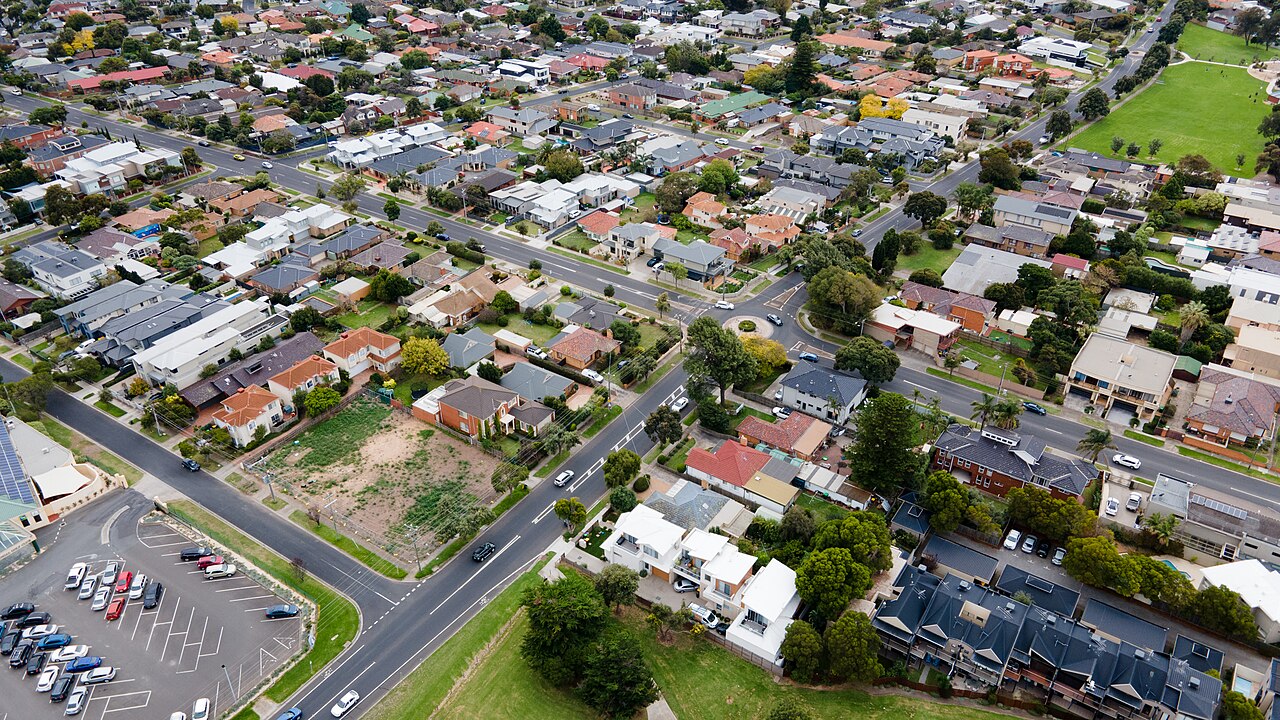
The catch is location inside Altona. A home one or two blocks off the busier streets can feel calm and convenient; a home right on a noisier stretch may make the same suburb feel tiring. Don’t buy into the idea that every Altona address works equally well for retirement. Don’t pick a bigger home with a garden just because it feels familiar — you may regret the upkeep and the parking trade-off when a smaller place closer to shops would have made daily life easier.
Local Reality
Altona has a very specific rhythm. During cafe hours and on weekends, the main strip can feel busy, with parking tighter around the shops and popular eating spots. By evening, it generally settles down. That rhythm suits some retirees perfectly: there is life around when you want it, but it does not feel like inner-city pressure all day. If you are sensitive to noise, inspect at the exact time you would normally be home, not just at a quiet weekday open house.
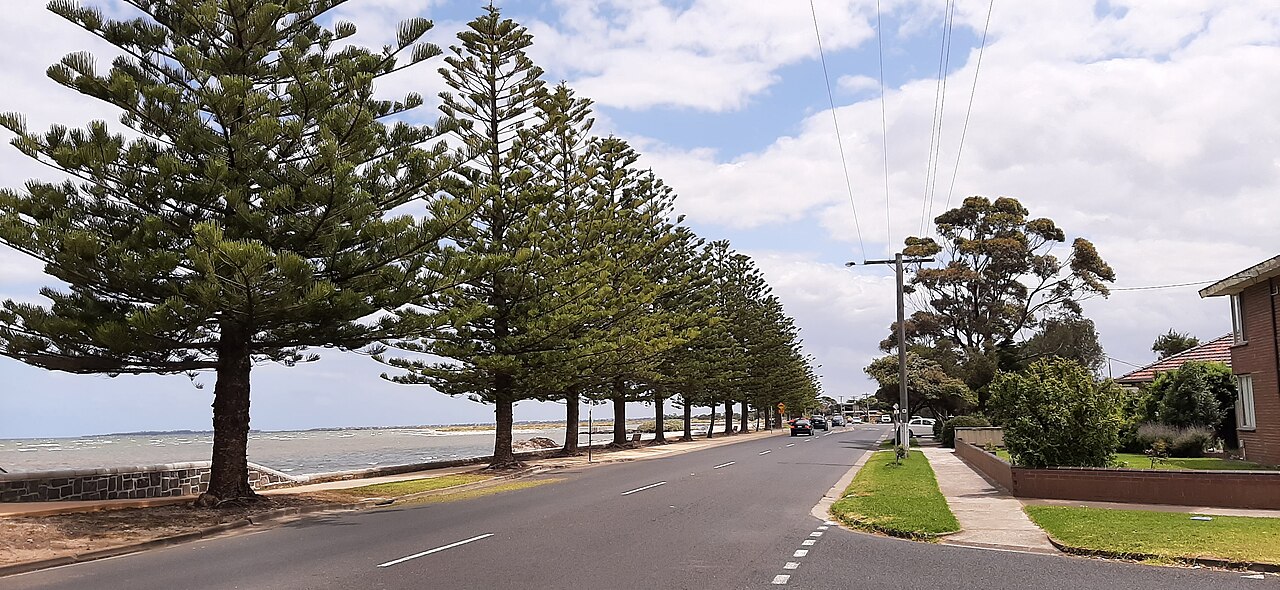
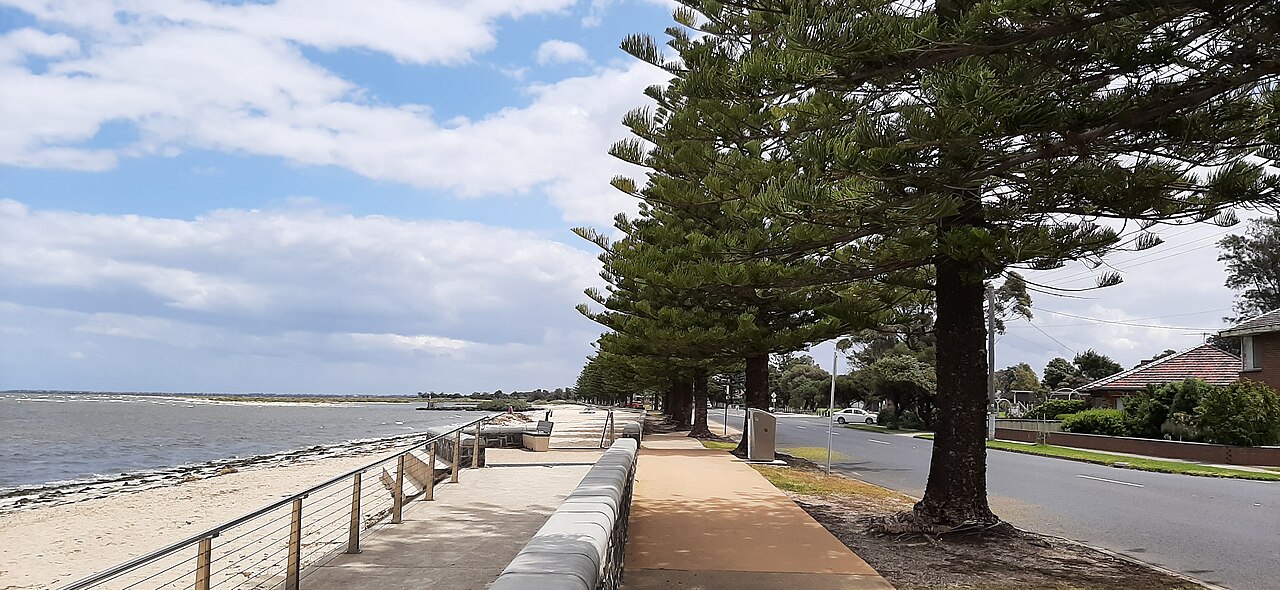
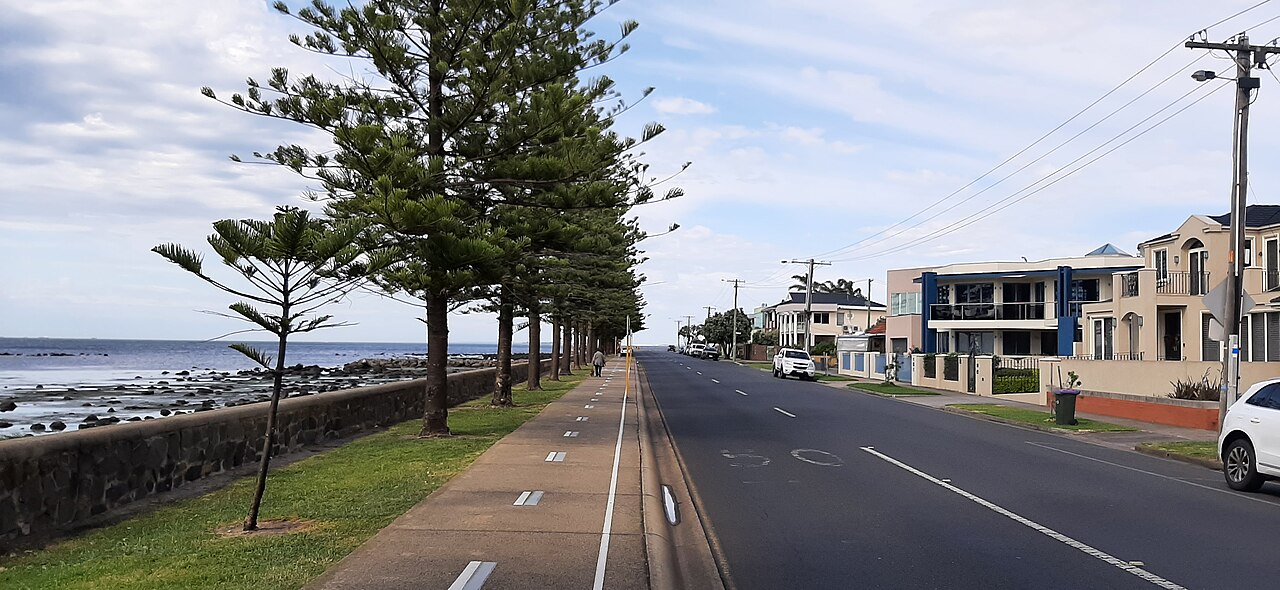
The practical sweet spot is a quieter residential pocket within walking distance of the main strip. That gives you access to cafes, the supermarket, chemist, newsagent, Australia Post, and the everyday errands that make retirement feel easy rather than logistical. The footpaths are generally in decent condition, and the suburb feels safe for daytime and early-evening walking. Parks and green spaces add another useful layer: they are not just scenery, they give you a reason to leave the house without needing a destination or a booking.
Healthcare is good for routine needs, with GPs, chemists, and medical centres accessible from Altona. For specialist appointments or larger hospital visits, expect to travel outside the suburb. That is manageable by public transport or a short drive, but it is still something to plan for if medical access is your top priority. See the Altona Transport Guide if transport is the make-or-break issue.
Skip Altona if you want near-rural quiet or a suburb where every service sits directly outside your front door. And if you are looking west of the most convenient pockets, compare Altona Meadows as well; if you are leaning toward a more established bayside feel, Seaholme and Williamstown may also enter the conversation.
Who This Suits
If you are a downsizer who still wants a normal neighbourhood, pick a unit, townhouse, or apartment close to the main strip. If you are a daily walker, pick the quieter streets that keep you near shops, cafes, parks, and services without putting traffic at your front window. If you are trying to reduce driving, pick the address with the easiest public transport access and test the walk to the chemist, supermarket, and station before you get serious. If you want a large garden, be honest about whether you are buying lifestyle or future maintenance.
If you are socially active but not looking for a retirement-village feel, Altona suits you better than many quieter suburbs. The social fabric is casual: cafe conversations, familiar faces, park regulars, local groups, and neighbours who are around often enough to become part of the week. If you want total privacy and silence, that same mixed-age energy may feel like a downside, especially near the busier strips.
Cost expectations depend heavily on the type of home you are leaving and the type you want next. Downsizing options exist, including units, smaller townhouses, and apartments, but bigger homes with gardens are more competitive and may not deliver the practical retirement lifestyle people imagine. The smarter value is often not the largest property; it is the address that lets you walk to services, avoid unnecessary driving, and stay connected without paying for space you no longer want to maintain.
Time of day matters. Weekday mornings can feel relaxed and useful, with cafes open and errands easy. Weekends bring more people into the popular spots, and parking near shops can become competitive. Summer and good-weather days also lift the suburb’s activity level. That is part of Altona’s appeal, but inspect the area when it is busy before deciding you love it.
What to Do Next
Walk your likely daily loop before 10am on a weekday: home to coffee, chemist, supermarket, Australia Post, and back. If that feels easy, Altona belongs on your shortlist. For the wider picture, read the Altona suburb guide.