Verdict Box
Best for: Young professionals who want water, space, a slower weeknight pace, and a rental market that still gives you occasional leverage. Skip if: You need late-night density, constant new openings, or a painless cross-city commute after 6pm. Rent pressure: Manageable by inner-suburb standards, but one-bedroom stock is thin and good apartments get inspected hard. Commute reality: Altona works if your work is CBD, Docklands, Footscray, Newport, Williamstown or west-side industrial/admin. It is less charming if your life is Richmond, South Yarra or Brunswick. Food scene: Better for dependable regulars than discovery eating. You will have a small rotation, not a long hit list. Family fit: Stronger than the young-professional branding suggests; quiet streets, beach routines and parks pull it older. Overall score: 7.3/10. Altona is not trying to impress you. That is the appeal and the limitation.
At-a-Glance Table
| Factor | Altona 2026 |
|---|---|
| LGA | Hobsons Bay City Council |
| Postcode | 3018 |
| Geographic tier | West |
| Region | middle-west |
| Transport grade | C+ |
| Overall grade | B |
Who It Suits
Maya, 31, hybrid project manager — wants beach walks before work and only needs the CBD three days a week. The Quiet Renter — prefers a real kitchen, storage and parking over inner-north nightlife. Jon, 34, west-side consultant — works between Footscray, Docklands and Laverton, so Altona cuts friction instead of adding it.
Rent & Property Reality
Median 1BR rent: $500 per week, up 9.9% year on year, using the latest suburb-level REIV figure available for Altona one-bedroom units; cross-check live listings through REA Altona rentals and the suburb price page at Domain. That number is the first reality check for young professionals: Altona is not a bargain-bin beach suburb, but it is still usually less punishing than renting near the inner-south bayside train line.
At $500 a week, you are looking at about $2,167 a month before bills. Add electricity, gas if the place has it, internet, contents insurance and transport, and a solo renter should be thinking in the high-$2,400s to low-$2,700s monthly for the roof-over-head part of life. Couples have it easier because the same apartment cost splits well; solo renters need to be more selective about what they trade off. A one-bedroom close to Altona Station, the beach or Pier Street convenience should not be judged against a larger, less central unit in Altona Meadows. You are paying for fewer dead minutes, not just walls.
The gotcha is supply. Altona has houses, older villa units and small apartment pockets, but it does not have the endless one-bedroom conveyor belt you see in Southbank or Footscray. That means median rent can look calm while individual inspections feel sharp. If a clean one-bed has parking, laundry, heating/cooling and walkable station access, assume other applicants have noticed. If the rent looks strangely low, check whether it is near heavier traffic, short on natural light, awkward for parking, or simply older than the listing photos imply.
The practical play is to inspect midweek where possible, have payslips and references ready, and compare total weekly cost rather than rent alone. Saving $25 a week can disappear quickly if the cheaper place forces more rideshares, longer station walks, or paid parking headaches. Altona rewards renters who value routine. It is less forgiving for people who sign first and only then discover they need a late train, a second car space or constant east-side social access.
Local Reality & Pockets
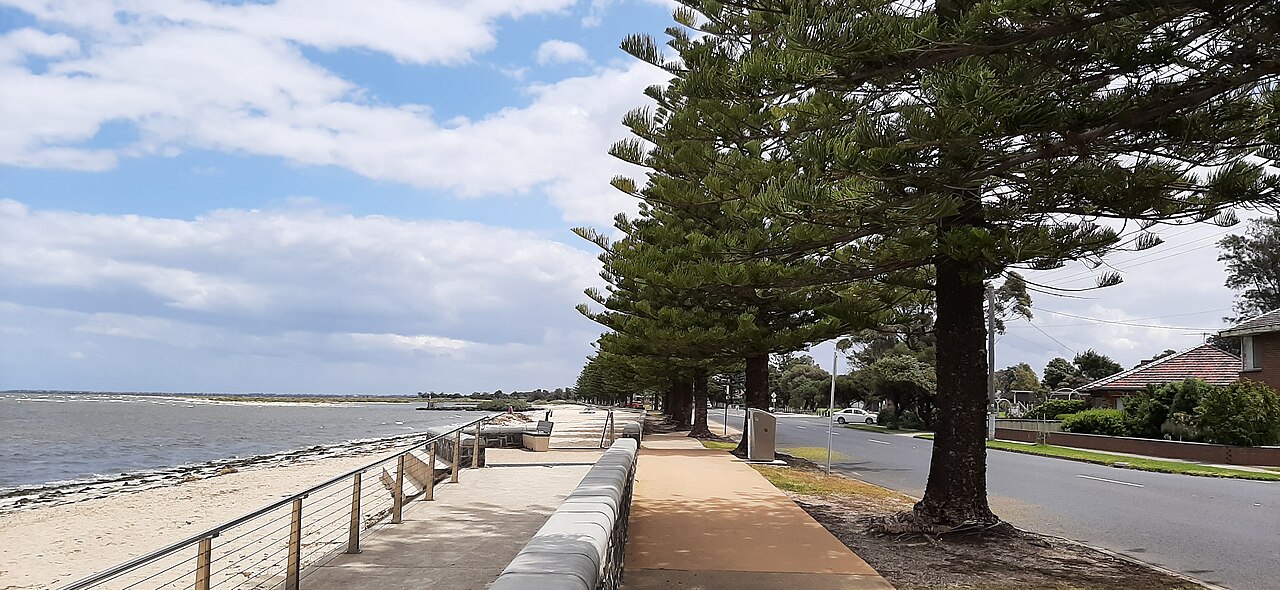
For young professionals, the best Altona pocket is usually the one that removes small daily frictions. Near Altona Station, Pier Street and the beach, you get the easiest version of the suburb: groceries, coffee, train access, waterfront walks and enough dinner options that weeknights do not feel like a logistics task. The trade-off is price, tighter parking near busy periods, and more competition for neat one-bedroom and two-bedroom rentals. If you can walk to the station without crossing half the suburb, that convenience is worth real money.
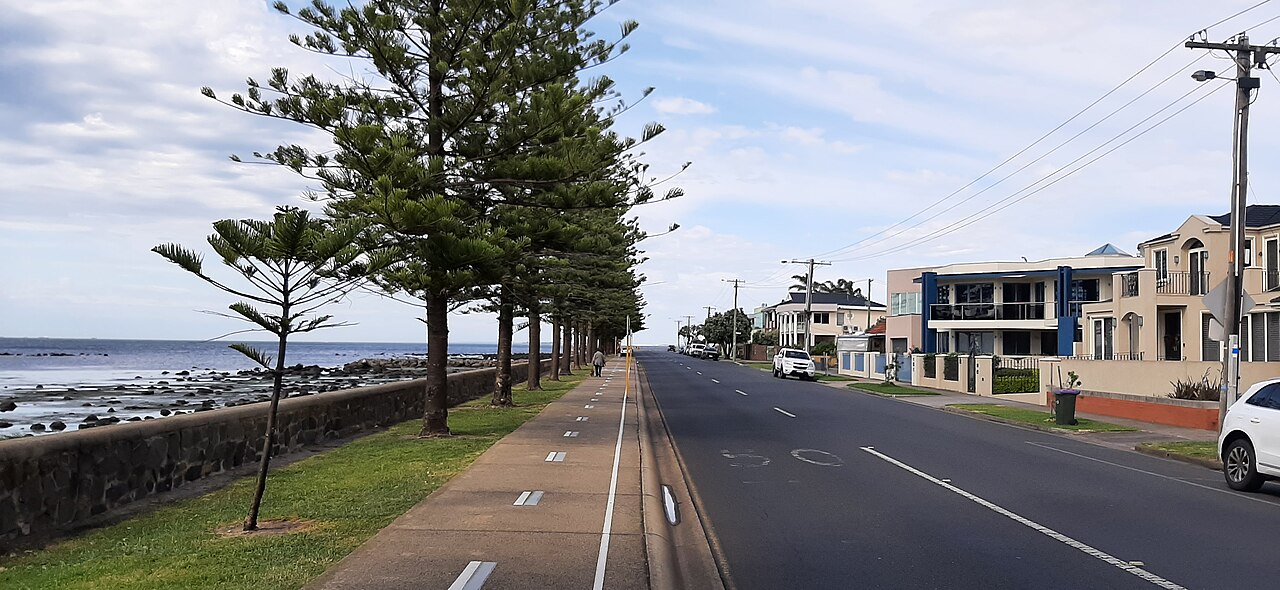
Streets closer to the foreshore and Esplanade suit people who genuinely use the water. If you only like the idea of beach life, be careful. Summer parking, visitor traffic and windy weather can make the premium feel less romantic. Civic Parade and the areas around the rail line can be practical because they keep the station close, but inspect for train noise, level crossing delays, and whether the bedroom faces the wrong side. Millers Road access matters if you drive north or toward the freeway, but it also brings traffic exposure. Kororoit Creek Road and heavier connector roads are useful, not peaceful.
Use the provided venue map as a reminder to judge micro-location, not just suburb name. Addresses such as Rugenbarg, Holländische Reihe, Spritzenplatz, Friedensallee, Sternstraße and Neuer Pferdemarkt are not interchangeable in feel: a restaurant strip, a corner near late trade, and a quieter residential street can live inside the same suburb label but produce very different weeknights. The same principle applies in Altona: one block can feel beachy and calm, while the next is dealing with parking spillover, delivery vehicles or station movement.
Two honest gotchas matter. First, Altona can feel socially thin if your friends live east or north; the travel time becomes the quiet tax. Second, the food scene is useful but not deep, so you will repeat venues. That is fine if you want regular status and a short walk home. It is frustrating if your idea of young-professional life is a new table every Thursday. Inspect at the time you actually come home from work, check parking after dinner, and listen for traffic with the windows open.
Signature Craving
Altona is more regular-table than reservation-chase. The move is not to pretend the suburb has endless dining depth; it is to know which places can carry a Tuesday when you are tired and still want a proper plate. Olympiade on Rugenbarg is the kind of Greek restaurant that suits that role: direct, generous, low-drama, and better for settling into a rhythm than performing a big night out. If you want variety, rotate it with Trattoria Toscana for Italian, La Casita Azul or Juan sin Miedo when Mexican is the brief, and La Sepia when seafood feels worth the spend. Local Dinner Gravity is the real signature here: not a parade of openings, but a small set of dependable rooms where you learn what to order and stop wasting weeknights scrolling.
Comparisons Table
| Suburb | Transport | Tier | Region |
|---|---|---|---|
| Altona | C+ | West | middle-west |
| Altona Meadows | B+ | West | middle-west |
| Altona North | D+ | West | middle-west |
| Newport | A | West | middle-west |
Trust Block
Author: Dani Reyes — Melbourne food writer covering suburb-by-suburb honest eats. Pays her own bills.
Data: data/melbourne_suburbs_master.json (Codex per-LGA enumeration, cross-checked vs VEC + Australia Post + ABS SA2 boundaries), data/suburb_scores.json (composite percentile grades), data/venues/.json (OpenStreetMap + Gemini-verified venue catalog).
Last reviewed: 2026-05-26. Not financial advice. We do not accept paid placements in editorial.
FAQ
Q: Is Altona good for young professionals in 2026? A: Yes, but mainly for a specific type of young professional. Altona suits people who value space, water, calmer weeknights and a manageable commute into the CBD or western employment areas. It is less convincing for people who want late-night venues, dense apartment living, or constant social plans across the inner north and inner east. The suburb is practical rather than status-driven. If your ideal week is gym, train, work, beach walk, dinner nearby and a quiet flat, Altona makes sense. If you need spontaneous nightlife, it will feel too slow.
Q: What is the commute from Altona like? A: Altona works best when your commute points west, southwest or into the CBD. The train gives the suburb a real advantage over car-only coastal pockets, but the trip can still feel long if you are travelling across town after work or relying on late connections. Driving is useful for Laverton, Newport, Williamstown, Footscray, Docklands and industrial or office sites across the west. It is much less convenient if your life keeps pulling you toward Richmond, South Yarra, Brunswick or the eastern suburbs. Check your actual door-to-door route, not just the map distance.
Q: Is Altona expensive to rent compared with nearby suburbs? A: Altona is not cheap, but it can look reasonable beside inner bayside suburbs because you are getting beach access without paying South Melbourne or Elwood-style premiums. The catch is that one-bedroom supply is limited, so the advertised median does not always match the pressure you feel at inspections. Altona Meadows and parts of Altona North can offer more room for the money, but you usually give up some walkability, water access or station convenience. For young professionals, the right comparison is total weekly cost: rent, transport, parking, time and how often you will pay to leave the suburb.
Q: Which part of Altona should renters target? A: Most young renters should start near Altona Station, Pier Street and the beach, then widen the search only if the budget forces it. That pocket gives you the best mix of transport, food, errands and after-work walking. Areas near Civic Parade can be practical, especially for train users, but inspect carefully for rail noise and traffic flow. Foreshore streets feel attractive, though summer parking and visitor movement can be annoying. If you drive often, access toward Millers Road and Kororoit Creek Road may matter more than being postcard-close to the water.
Q: Do you need a car in Altona? A: You can live in Altona without a car if your rental is close to the station, your work is train-friendly, and you are comfortable keeping errands local. A car becomes more useful if you work across the western suburbs, have irregular hours, play sport, visit friends outside the train line, or want easy supermarket and beach gear runs. Parking should be treated as a real rental feature, not a nice extra. A cheaper apartment without reliable parking can become irritating quickly if your street fills during warm evenings or weekend beach traffic.
Q: What is Altona’s food scene really like? A: Altona’s food scene is honest but limited. It is better for repeat dinners than constant novelty. The useful way to approach it is to build a short rotation: one Greek option such as Olympiade, Italian at Trattoria Toscana, Mexican at La Casita Azul or Juan sin Miedo, and seafood at La Sepia when the occasion calls for it. That gives you enough weeknight coverage without pretending the suburb competes with Fitzroy, Carlton or Footscray for depth. If dining is your main hobby, Altona will feel small. If food is part of a balanced routine, it works.
Q: Is Altona too quiet for someone in their twenties or thirties? A: It can be, depending on what you expect your suburb to do for you. Altona is not built around constant bar-hopping or a dense singles scene. Its appeal is slower: beach walks, a calmer rental setting, enough local food, and room to breathe after work. For couples, hybrid workers and people with established friend groups, that can be a good trade. For newcomers trying to build a social life from scratch, it may feel isolating unless work, sport or friends already connect you to the west. The suburb will not create momentum for you.
Q: What should I check at an Altona rental inspection? A: Check station walking time, parking at the exact hour you come home, heating and cooling, window seals, noise from trains or connector roads, and whether the apartment gets enough natural light. In older units, look closely at ventilation, bathroom condition and storage, because beach-adjacent living can expose tired maintenance quickly. Ask where bins go, where visitors park, and whether the property has had damp issues. Also test the commute from the door, not the agent’s suburb description. A place can be in Altona and still feel inconvenient if you are stuck on the wrong edge for your routine.
Q: What is the honest downside of choosing Altona? A: The main downside is that Altona can be logistically and socially narrow. If your job, friends and hobbies sit across the other side of Melbourne, the beach will not fully compensate for the travel. The second downside is limited rental choice, especially for one-bedroom homes with the features young professionals actually want: parking, light, storage, quiet and station access. The third is dining depth. You can eat well enough locally, but you will repeat yourself. Altona is strongest when you want a settled routine. It is weaker when you want the suburb to keep surprising you.