Verdict Box
Best for: hybrid workers who want a quiet base near the water and only need the CBD a few days a week. Skip if: you need a polished coworking floor, late-night laptop cafes, or quick cross-town meetings after 5pm. Rent pressure: lighter than inner bayside, but the cheap version of Altona usually means older stock, awkward parking, or being farther from the station. Commute reality: Altona station is useful, not magic. When the Werribee line behaves, the city is manageable; when it stalls, your whole morning gets rewritten. Food scene: good for a reset meal, less good for laptop-hopping. You will learn which places tolerate a notebook and which places are for eating, paying, and leaving. Family fit: strong if you value parks, beach walks, schools, and slower evenings more than nightlife. Overall score: 7/10 for remote workers who can self-manage; 5/10 if your work life depends on constant professional buzz.
At-a-Glance Table
| Factor | Altona 2026 |
|---|---|
| LGA | Hobsons Bay City Council |
| Postcode | 3018 |
| Geographic tier | West |
| Region | middle-west |
| Transport grade | C+ |
| Overall grade | B |
Who It Suits
Mira, 34, hybrid policy analyst — wants a trainable commute and a quiet home desk more than a social coworking scene. The Beach-Break Freelancer — can work from home, then use the foreshore walk as the reset button between calls. Jon, 41, startup operator with kids — accepts fewer laptop cafes because the after-school logistics are easier here.
Rent & Property Reality
Median 1-bedroom unit rent in Altona is about $380 per week, with the broader unit market down 7% year on year according to realestate.com.au rental market insights. That number matters because it cuts through the usual bayside fantasy: Altona is not cheap-cheap, but it is still a different equation from inner-south apartments where you pay a premium just to be near a tram, a cafe strip, and a coworking desk you may barely use.
For a remote worker, $380 a week is the entry conversation, not the final bill. The useful question is whether the place lets you work properly. A darker older unit with patchy cooling, a weak second room, and no quiet corner can be a false economy if you spend five days a week inside it. A slightly dearer two-bedroom or older townhouse can make more sense if one room becomes a real office and you stop paying for casual coworking, petrol, and emergency cafe lunches every time the house feels too cramped.
The year-on-year fall in the wider unit figure should not be read as a renter’s market where agents chase you down the street. It means the heat has eased compared with the sharper rental spikes elsewhere, but good listings still move quickly when they are near Altona station, Pier Street, the beach side of the tracks, or have off-street parking. The awkward stock hangs around longer: dated layouts, poor insulation, noisy road exposure, or properties where the inspection photos have avoided showing the actual work-from-home corner.
Budget with the remote-work load in mind. Power bills matter when you are heating or cooling the place through weekday afternoons. Internet matters more than a renovated splashback. Parking matters if you drive to client sites, but it is less valuable if you can walk to the station and keep the car mostly idle. The practical renter’s target is not the absolute lowest weekly rent; it is the lowest rent that still gives you quiet, reliable connection, natural light, and a layout that does not make every video call feel like a hostage situation.
Local Reality & Pockets
For remote work, the most useful Altona pockets are the ones that reduce friction before the workday starts. Around Pier Street and Altona station, you get the cleanest daily setup: train access, food errands, pharmacy runs, and quick walks when the screen has cooked your attention. The catch is competition, smaller dwellings, tighter parking, and more foot traffic near the shops. If your work involves lots of calls, inspect at the time you would actually be working, not at a quiet Saturday open.
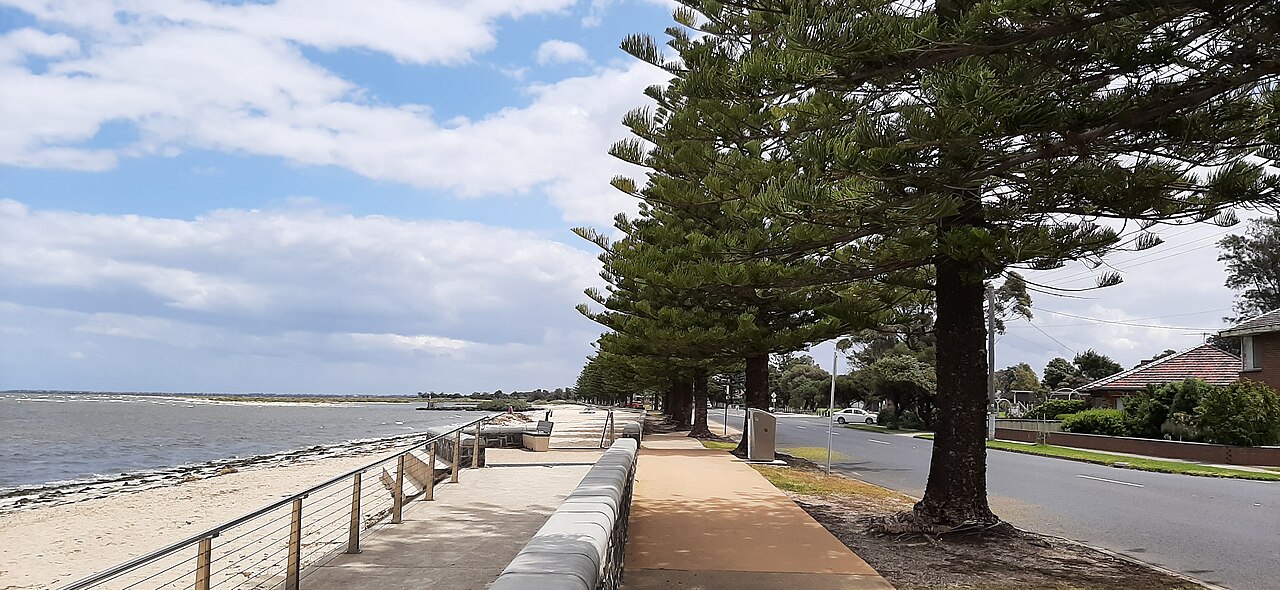
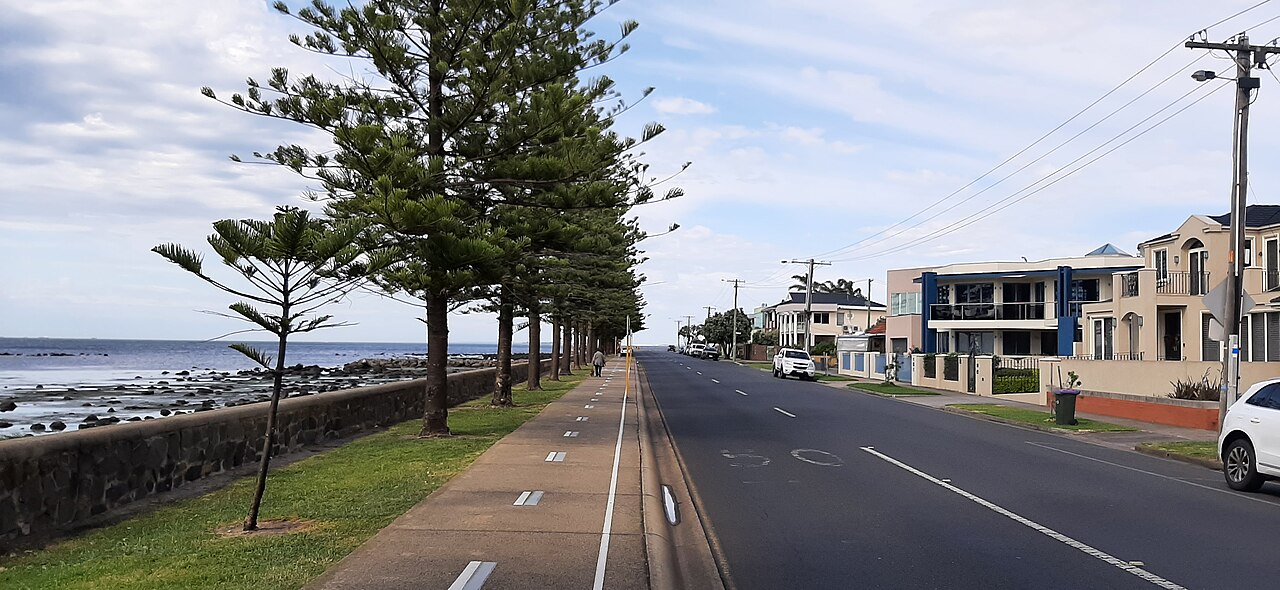
Beach-side streets near the Esplanade are the emotional sell, but they are not automatically the best desk-life choice. Wind, holiday traffic, summer parking pressure, and older homes with mixed insulation can become annoying fast. Great if you need a walkable reset and can afford the premium; less great if you are paying extra for a view while working from a dim rear room.
Civic Parade and Railway Street can be practical because they keep you close to the station spine without forcing every errand into the beach strip. Around Queen Street, Maidstone Street, and the streets feeding toward Millers Road, you may get more space for the money, but you need to test traffic noise, driveway access, and how long the walk to the train feels in bad weather. Grieve Parade and Millers Road exposure can suit drivers, but it is rarely the calmest choice for deep work.
Two honest gotchas: first, Altona’s remote-work infrastructure is more home-office than coworking. Do not move here assuming a dense network of serviced desks will appear when you need one. Second, the suburb feels much easier if your life is west-facing. CBD, Footscray, Williamstown, Newport, Laverton, and Werribee-line trips make sense. Regular runs to the eastern suburbs can turn a pleasant bayside address into a weekly logistics tax.
Parking is street-by-street. Older units can have narrow spaces or one allocated bay that becomes a household negotiation. Transport is good by outer-west standards, but train disruptions hit hard because the backup options are slower. Favour a property that works on a normal Tuesday, not just one that looks good after a sunny inspection and a coffee.
Signature Craving
The honest remote-work lunch rule in Altona: do not pretend every meal has to be a laptop meal. Some places are better used as a clean break from the screen. Trattoria Toscana is the kind of stop I would treat as a proper reset rather than a place to colonise a table with chargers and Slack pings. Order, eat, listen, leave your inbox alone for twenty minutes. If you want sharper casual energy, La Casita Azul and Juan sin Miedo give you a different mood without turning lunch into a sad desk extension. Olympiade works when you want something steadier and more filling. The point is not that Altona has endless remote-worker venues; it does not. The better rhythm is home desk, walk, real meal, back to work with your brain less fried.
Comparisons Table
| Suburb | Transport | Tier | Region |
|---|---|---|---|
| Altona | C+ | West | middle-west |
| Altona Meadows | B+ | West | middle-west |
| Altona North | D+ | West | middle-west |
| Newport | A | West | middle-west |
Trust Block
Author: Dani Reyes — Melbourne food writer covering suburb-by-suburb honest eats. Pays her own bills.
Data: data/melbourne_suburbs_master.json (Codex per-LGA enumeration, cross-checked vs VEC + Australia Post + ABS SA2 boundaries), data/suburb_scores.json (composite percentile grades), data/venues/.json (OpenStreetMap + Gemini-verified venue catalog).
Last reviewed: 2026-05-26. Not financial advice. We do not accept paid placements in editorial.
FAQ
Q: Is Altona actually good for coworking in 2026? A: Altona is better for remote work than for formal coworking. If you want a large serviced office with reception, meeting rooms, networking events, and a polished city-fringe feel, you will likely look toward Newport, Williamstown, Footscray, Docklands, or the CBD instead. Altona’s strength is the home-office lifestyle: quiet streets, station access, beach walks, and enough local food to break up the day. It suits people who already have a workable desk at home and only need occasional third places, not people who need a daily coworking membership to function.
Q: Which part of Altona should a remote worker rent in? A: Start near Altona station, Pier Street, Civic Parade, or the streets that let you walk to both the train and daily errands. That gives you the least complicated weekday setup. Beach-side addresses are appealing, but inspect carefully for insulation, parking, summer traffic, and whether the room you will work in is actually pleasant for eight hours. If you need more space, look farther from the station around Queen Street, Maidstone Street, or toward Millers Road, but be honest about whether the extra walk will bother you in winter.
Q: Can I rely on cafes in Altona as a work base? A: Only partly. Altona has places where you can sit with a coffee and answer emails, but it is not a suburb built around all-day laptop camping. Many venues are small, meal-focused, or better suited to short stays. The smarter setup is to make your rental do the heavy lifting: proper desk, monitor, chair, internet, and natural light. Use cafes for a change of scene, not as your primary office. If your job requires long calls, confidential conversations, or multiple screens, a cafe will become frustrating quickly.
Q: How painful is the commute from Altona to the CBD? A: On a normal day, the train makes Altona workable for hybrid commuters. The problem is not the standard trip; it is the fragility of your morning when services are delayed, cancelled, or packed. If you only go into the CBD two or three days a week, that trade-off is usually acceptable. If you need to be in town five days a week at fixed times, inspect your exact walk to the station and test the commute during peak hour before signing. The suburb feels much less relaxed when every late train has consequences.
Q: Is Altona too quiet for freelancers and solo workers? A: It can be, depending on how much external energy you need. Altona will not give you the constant professional churn of Collingwood, Richmond, Southbank, or the CBD. That is a drawback if you rely on spontaneous meetings, industry nights, and client proximity. It is an advantage if your work is writing, analysis, design, consulting, admin, coding, or anything that benefits from fewer interruptions. The loneliness risk is real, so build routines around gym, sport, regular lunches, or set coworking days elsewhere.
Q: What should I check at an Altona rental inspection for working from home? A: Check the exact room where your desk will go, not just the living area. Test mobile reception, ask about NBN connection type, look for afternoon heat, listen for road or train noise, and check whether neighbours’ driveways or shared walls sit beside the workroom. Older units can look affordable but punish you with poor thermal performance and awkward layouts. Also check power point locations, window coverings for glare, and whether delivery drivers can find the address easily if you receive work gear or equipment.
Q: Is parking a serious issue in Altona? A: It depends on the pocket. Near Pier Street, the station, the foreshore, and beach-side streets in warmer months, parking can become more irritating than the listing suggests. Older units may advertise parking but have tight bays, tandem arrangements, or access that is annoying for larger cars. If you drive to client meetings, schools, or industrial areas in the west, parking should be treated as part of the rent value. If you mostly use the train, you can trade parking convenience for a better location near daily errands.
Q: Does Altona suit families where one parent works from home? A: Yes, provided the house layout supports separation. Altona’s slower pace, parks, beach access, and train line can suit families well, but remote work collapses fast when the only desk is in the living room beside after-school noise. Look for a second bedroom, rear bungalow, converted dining area, or at least a room with a door. The suburb’s family appeal is strongest when school, shops, and transport are close enough that daily logistics do not eat the working day.
Q: What is the biggest mistake remote workers make when choosing Altona? A: The biggest mistake is renting the lifestyle photo instead of the weekday reality. A beach walk is lovely, but it will not fix poor internet, a hot west-facing room, bad acoustics, no storage, or a commute that fails whenever you have a 9am meeting. Altona works best when you choose the boring practical things first: station access, quiet desk space, reliable connection, supermarket proximity, and a lease price that leaves room for bills. Once those are sorted, the water and food options become a genuine bonus.