
Altona: Industrial Edge, Coastal Calm
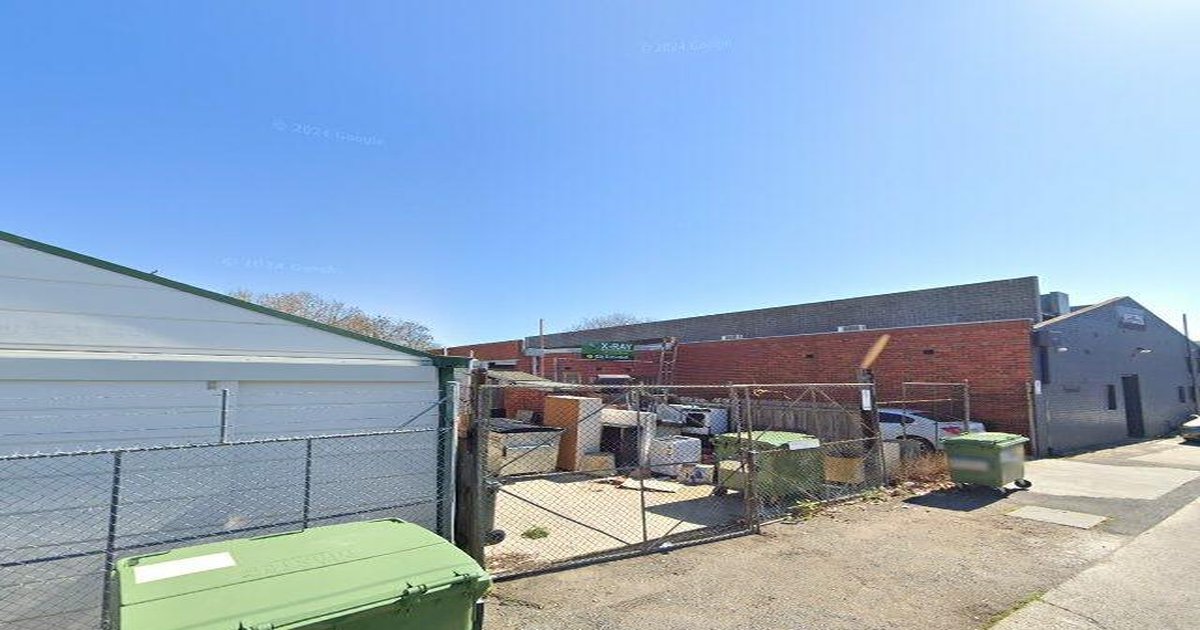
Altona is defined by its industrial heritage. The sprawling Laverton North industrial precinct bleeds into the suburb’s western edge, a constant reminder of its working-class roots and a source of both opportunity and, for some, a persistent low hum. This isn’t a suburb trying to shed its past; it’s a place where the grit of industry sits alongside a surprisingly relaxed coastal vibe, creating a unique and often overlooked pocket of Melbourne’s west.
Who Lives Here? Demographics & Community
Altona’s demographic makeup reflects its history and ongoing evolution. Historically, it was a predominantly Australian-born working-class area, populated by families employed in the nearby factories and docks. While that legacy remains, the suburb has seen significant diversification in recent decades. The 2021 census data reveals a population of around 18,500, with a noticeable increase in residents born overseas.
- Age: A relatively even distribution, with a slightly higher proportion of residents aged 30-49 (around 28%) compared to the Melbourne average. This suggests a draw for young families and established professionals.
- Family Status: A strong family presence is evident, with a higher percentage of families with children than the Melbourne average. You’ll see plenty of kids on bikes along Tennyson Street and in the parks around Altona Green Shopping Centre.
- Occupation: While manufacturing still plays a role, the workforce is diversifying. Healthcare, education, and retail are increasingly common occupations. Many residents commute to jobs in the CBD or surrounding industrial areas.
- Cultural Diversity: Significant Vietnamese and Filipino communities are well-established, contributing to the suburb’s vibrant cultural landscape. You’ll find excellent Vietnamese bakeries and restaurants along Altona Meadows Road. There’s also a growing number of residents from the Middle East and North Africa.
- Income: Median household income is slightly below the Melbourne average, reflecting the suburb’s working-class roots, but it’s steadily increasing as property values rise.
The community feel is generally friendly and laid-back. There’s a strong sense of local pride, particularly around the coastal areas. You’ll find a mix of long-term residents who’ve lived in Altona for decades and newer arrivals attracted by the affordability and proximity to the bay. Local events, like the annual Altona Beach Festival, foster a sense of community.
The Vibe: Coastal Calm Meets Industrial Reality
Altona’s vibe is a fascinating juxtaposition. On one hand, you have the undeniable appeal of being so close to the bay. Altona Beach is a major drawcard, offering a wide expanse of sand, a popular surf life saving club, and a relaxed atmosphere. The coastal strip, particularly around Pier Street, is where you’ll find families enjoying picnics, dog walkers, and surfers catching waves.
However, the industrial presence is always lurking. The constant rumble of trucks on the West Gate Freeway and the occasional factory whistle are part of the soundscape. The eastern parts of Altona, closer to the industrial area, feel less residential and more utilitarian.
Despite the industrial backdrop, there’s a genuine effort to cultivate a pleasant living environment. Parks and green spaces are well-maintained, and there’s a growing number of cafes and restaurants catering to a more diverse clientele. The suburb isn’t trying to be trendy or hip; it’s comfortable in its own skin, offering a practical and relatively peaceful lifestyle.
Pros & Cons: The Honest Assessment
Pros:
- Affordability: Compared to inner-city suburbs, Altona offers significantly more bang for your buck, particularly in terms of property size.
- Coastal Proximity: The beach is a major drawcard, providing opportunities for recreation and relaxation.
- Good Schools: Altona Primary School and Altona Secondary College are well-regarded, making it an attractive option for families.
- Parks & Green Spaces: Plenty of parks and reserves, including the expansive Cherry Lake Sanctuary, offer opportunities for outdoor activities.
- Transport Links: Relatively good public transport options (see “Commute to CBD” below).
- Community Feel: A friendly and welcoming community, particularly amongst long-term residents.
- Diverse Food Options: Excellent Vietnamese food, and a growing range of other cuisines.
Cons:
- Industrial Noise & Pollution: The proximity to the Laverton North industrial precinct can result in noise pollution and, occasionally, unpleasant odours. This is particularly noticeable in the eastern parts of the suburb.
- Limited Nightlife: Altona isn’t a nightlife hub. Options are limited to a few pubs and restaurants.
- Traffic Congestion: The West Gate Freeway can experience significant congestion during peak hours, impacting traffic flow through the suburb.
- Aesthetics: Some areas, particularly closer to the industrial zone, lack aesthetic appeal. The architecture is generally functional rather than particularly attractive.
- Limited Shopping Options: While Altona Green Shopping Centre provides basic necessities, it lacks the variety and sophistication of larger shopping centres.
- Rising Property Prices: While still relatively affordable, property prices have been steadily increasing, making it less accessible for first-home buyers.
Rental Snapshot (as of late 2023):
- 1 Bedroom Apartment: Median weekly rent: $420 - $480. Expect to find these primarily around Altona Meadows Road and near the shopping centre.
- 2 Bedroom Apartment/Townhouse: Median weekly rent: $550 - $650. More common in the areas closer to the beach and around Pier Street.
Note: Rental prices can fluctuate depending on the specific location, condition, and amenities of the property.
Key Streets & Venues That Define Altona:
- Altona Beach: The heart of the suburb’s appeal.
- Pier Street: A strip of cafes, restaurants, and shops along the beachfront. Try the coffee at The Beach Box Cafe.
- Tennyson Street: The main commercial thoroughfare, with a mix of shops, restaurants, and services.
- Altona Green Shopping Centre: Provides essential amenities and a supermarket.
- Altona Meadows Road: A busy road with a diverse range of businesses, including Vietnamese bakeries like Pho Hoa.
- Cherry Lake Sanctuary: A beautiful wetland reserve, perfect for birdwatching and a peaceful walk.
- The Altona Hotel: A classic pub with a relaxed atmosphere and a good selection of beers.
- The Bayview on the Beach: A restaurant with stunning views of the bay (can be pricey).
- Altona Bowls Club: A local institution, popular with residents of all ages.
Commute to CBD:
- Train: Altona Station is on the Werribee line, providing a direct service to Southern Cross Station in the CBD. The journey takes approximately 35-45 minutes.
- Bus: Several bus routes connect Altona to surrounding suburbs and the CBD.
- Car: Driving to the CBD via the West Gate Freeway takes approximately 25-40 minutes, depending on traffic conditions. Be prepared for tolls.
- Cycling: While possible, cycling to the CBD is a significant undertaking (around 20km) and not recommended for daily commuting.
Who Is This Suburb For?
Altona is ideal for families seeking a balance between affordability, coastal living, and good schools. It’s also a solid option for those working in the western suburbs or the CBD who prioritize a relaxed lifestyle over trendy nightlife. Those who don’t mind a bit of industrial grit and appreciate a genuine, unpretentious community will find Altona a surprisingly rewarding place to call home. It’s not for those seeking a vibrant, inner-city experience or a pristine, manicured environment.
💬 Discussion
Join the conversation — no account needed