Verdict Box
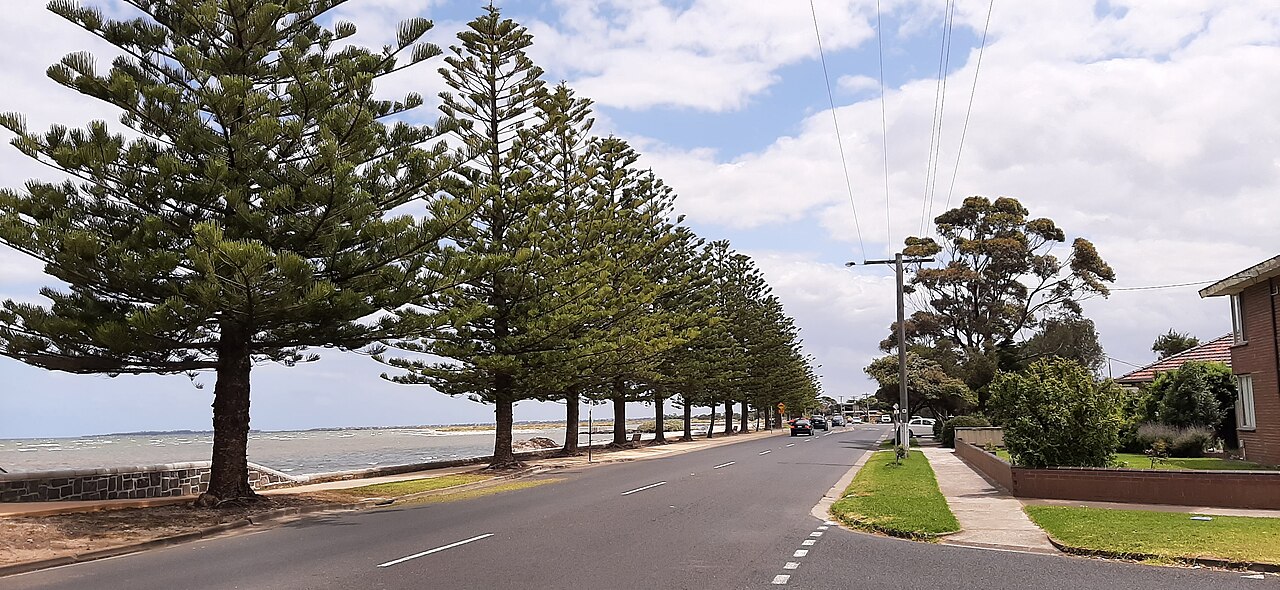
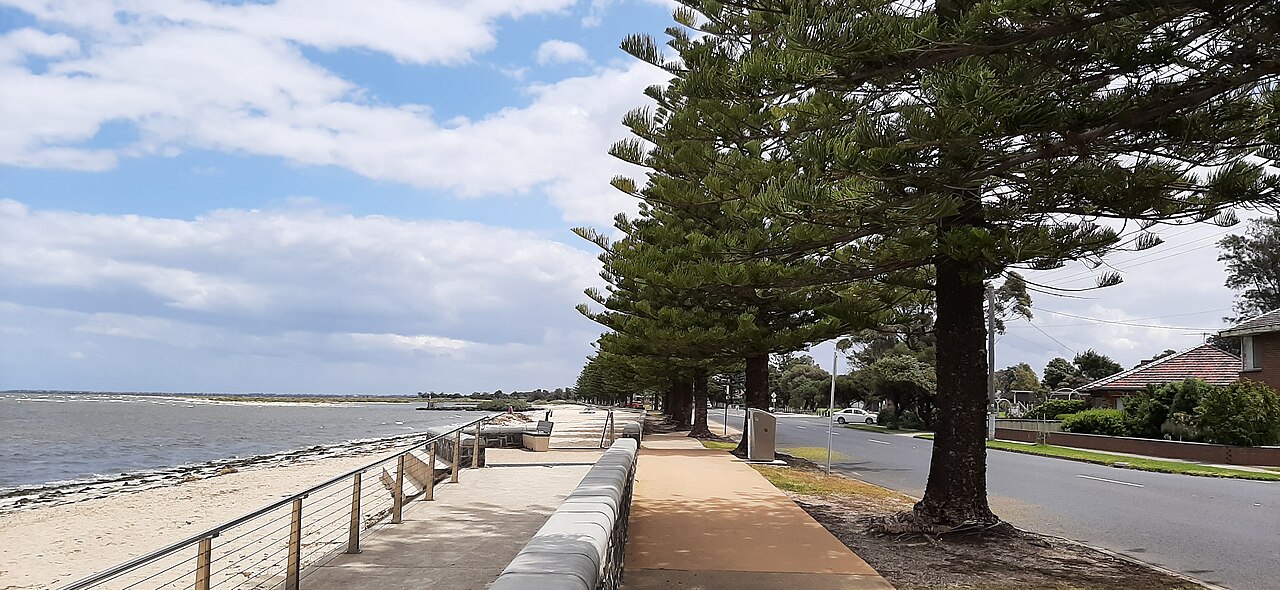
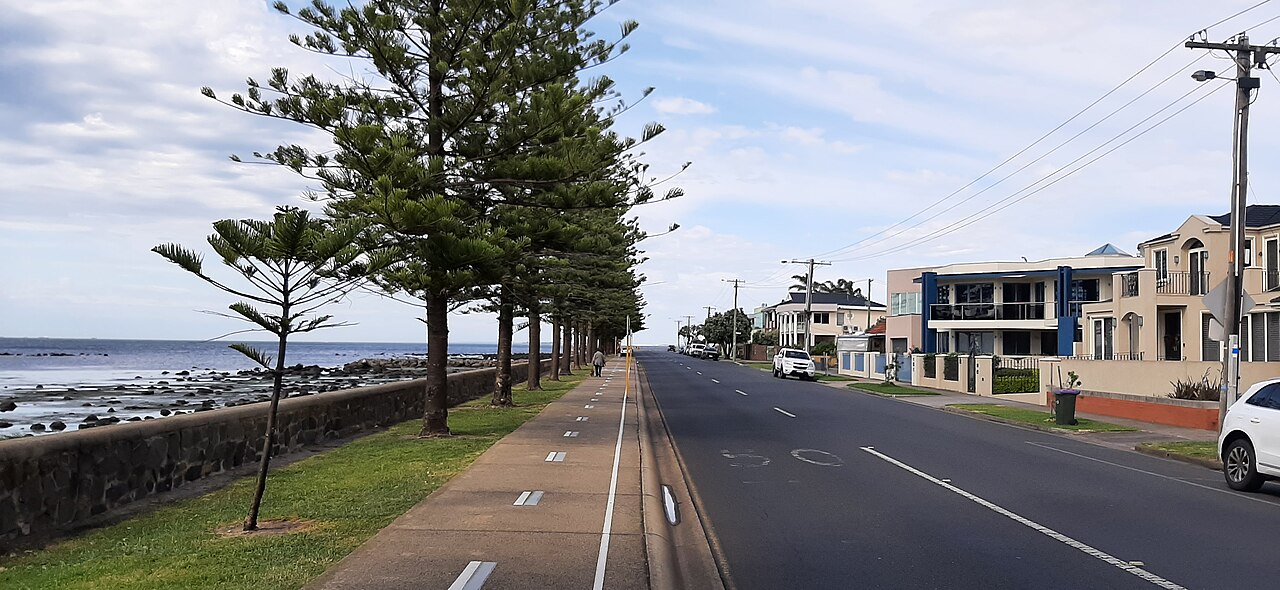
Altona is one of the few western suburbs where the beach is not a brochure trick. The station, Pier Street shops, Altona Beach, the pier, Logan Reserve, Cherry Lake and the foreshore can all sit inside a normal weekly routine if you choose the right pocket. That is the reason people stay.
The honest verdict: Altona suits buyers and renters who want a quieter bay life without crossing to the south-east or paying Williamstown money. It does not suit people who need dense nightlife, a fast inner-city commute every day, or a suburb where every street feels polished.
The strongest version of Altona is south of the rail line, close enough to walk to Pier Street and the beach without turning every errand into a car trip. The weaker version is paying a beachside premium for a home that still leaves you driving to the station, fighting summer parking, or living near heavier roads with less of the bay benefit.
If you are comparing it with Newport, Williamstown, Seaholme and Altona Meadows, Altona sits in the middle: more relaxed than Newport, less grand than Williamstown, more useful than tiny Seaholme, and more walkable to the water than most of Altona Meadows.
At-a-Glance Table
| Factor | Altona 2026 reality |
|---|---|
| Best for | Beach walkers, downsizers, young families, westside buyers priced out of Williamstown |
| Watch-outs | Altona Loop reliability, summer foreshore parking, wind exposure, price jump close to the water |
| Transport | Altona station on the Werribee line, plus local buses and cycling links |
| Main strip | Pier Street, with cafes, groceries, medical services and beach access |
| Open space | Altona Beach, Altona Pier, Cherry Lake, Logan Reserve and the Hobsons Bay Coastal Trail |
| Property feel | Weatherboard homes, renovated family houses, villas, townhouses and apartments near the activity centre |
| Buyer tension | Scarce walkable beach homes versus cheaper stock further from the foreshore |
Who It Suits
Nina, 36, train-commuting parent - wants a school run, a station and a beach walk without moving to the other side of the bay.
The Sunday Stroller - wants coffee on Pier Street, a flat foreshore path and an easy loop through Cherry Lake.
The Westside Downsizer - wants a smaller place near shops without giving up the water.
Marcus, 41, hybrid worker - can absorb a longer city trip twice a week but wants the other five days to feel local.
Rent & Property Reality
Altona is not a cheap beach suburb. It is cheaper than Williamstown in many comparisons, but the word “beach” still changes the numbers. The properties people chase hardest are the homes within an easy walk of Pier Street, Altona station and the foreshore. That pocket is not huge, so demand becomes obvious whenever a renovated family home or tidy villa appears.
For rents, current portal data puts Altona houses around the low-to-mid $600s per week and units around the mid $500s, with realestate.com.au showing houses renting for about $650 per week and units about $550 per week in its suburb profile at the time checked: realestate.com.au Altona property market. Treat those figures as market indicators, not promises. A dated unit on a busy road and a renovated townhouse near the beach are not the same rental product.
The buy side is more uneven. A character home south of the rail line can behave like a lifestyle asset. A townhouse near the activity centre trades on convenience. Older units may look accessible, but body corporate costs, car parking, building condition and street position matter. North and west of the main village area, value can improve, but so does the need to check road noise, industrial edges and whether the beach lifestyle is still genuinely walkable.
The 2021 ABS Census counted 13,556 people in the Altona statistical area, with a median age of 42 and median weekly household income of $1,861: ABS 2021 Altona QuickStats. That older median age shows up on the ground. Altona has families and younger renters, but it also has established owners, downsizers and long-term locals who shape the pace of the suburb.
The practical advice is simple: price the walk. If a listing claims beachside living, time the walk from the front gate to Pier Street, Altona station and the sand. Then test the trip at school pick-up, on a warm Saturday and during a train disruption. In Altona, two homes with the same bedroom count can live very differently.
Local Reality & Pockets
Pier Street is the suburb’s working spine. It is not a luxury retail strip, and that is part of the point. You get cafes, takeaway, supermarket access, medical services, banks, the library nearby and a direct line down to the beach. The street feels most useful when you live close enough to use it in small bursts: coffee, groceries, appointment, beach, home.
South of the station toward the foreshore is the classic Altona pocket. This is where the suburb makes the most sense for lifestyle buyers. You can walk from the platform to the water, and the streets around the beach have the old coastal rhythm that buyers imagine when they first search Altona. The compromise is competition. Homes here are watched closely, and renovated stock can draw buyers who were also considering Williamstown or Seaholme.
The Cherry Lake side gives Altona a different kind of strength. Cherry Lake has toilets, picnic shelters, barbecues, playground facilities and cycling links through to the Hobsons Bay Coastal Trail, according to Hobsons Bay City Council. It is better for people who want open space without needing the sand every day. The lake also makes Altona feel less one-dimensional than suburbs where the only outdoor asset is the beach.
Seaholme-adjacent streets can feel quieter and more tucked away, but buyers need to be precise with boundaries. Seaholme itself is small and tightly held, while Altona gives you more stock and a stronger retail strip. West toward Westona and the Altona Meadows edge, you may get better value and more family-sized options, but you should be honest about whether you will still walk to the beach or just drive there sometimes.
The less romantic Altona includes wind, salt, summer traffic near the foreshore, and the reality that the Werribee line can be frustrating when works or disruptions hit. The Altona Loop matters. If your job punishes lateness, do not assess the commute from a sunny Sunday timetable. Use your actual work hours.
Signature Craving
The Altona order is not a degustation. It is a beach walk, a salty breeze, then something easy on Pier Street while you decide whether to keep walking to the pier or head home.
For a named local anchor, Pier 71 Bar e Cucina at 71 Pier Street gives Altona a sit-down Italian option right in the main strip. It works because it matches the suburb: casual enough for a weeknight, useful for a family meal, and close enough to the beach that dinner can be part of a foreshore routine rather than a separate expedition.
If you are testing whether Altona fits you, do not only inspect houses. Arrive by train, walk down Pier Street, check the beach entry, look at the pier, then sit down for a meal or coffee before walking back through the station area. That route tells you more than most listing copy. You will know quickly whether Altona’s slower pace feels like relief or whether you need a suburb with more late-night options.
The other craving is fish-and-chip logic: simple food, eaten near the water, with no need to dress the suburb up as something it is not. Altona’s appeal is strongest when it stays practical.
Comparisons Table
| Suburb | Compared with Altona | Better for | Trade-off |
|---|---|---|---|
| Williamstown | More expensive, more historic, more polished around the waterfront | Buyers wanting prestige, restaurants and postcard streets | Higher entry price and more visitor pressure |
| Newport | More connected to inner-west rail and village life | City commuters who value train convenience and cafes over beach proximity | Less direct beach lifestyle |
| Seaholme | Smaller, quieter, very close to the bay | Buyers wanting a tucked-away coastal pocket | Very limited stock and fewer shops |
| Altona Meadows | Generally more affordable and more suburban in layout | Families wanting larger homes and easier parking | Less walkable to Pier Street and Altona Beach |
Trust Block
Author: Maya Chen
Local lens: Written for Nina, 36, a hybrid worker with one school-aged child who wants beach access but still needs a workable train commute.
Sources checked: ABS 2021 Census QuickStats for Altona, realestate.com.au suburb market profile, Hobsons Bay City Council pages for Altona Beach and Cherry Lake, Parks Victoria’s Altona Pier redevelopment page, and current local venue listings for Pier Street.
Method note: Property figures are portal snapshots and change with listing mix. The suburb verdict gives more weight to walkability, transport friction, local services and repeat-use amenities than to one-off median numbers.
FAQ
Q: Is Altona a good place to live in 2026?
A: Yes, if you want a quieter westside beach suburb with a train station, a usable main street and strong open-space access. It is less convincing if your week depends on fast city access or late-night options.
Q: Is Altona expensive?
A: It is not cheap for the west because the beach and station create a clear premium. It can still look better value than Williamstown, but the most walkable streets are tightly contested.
Q: What is the best pocket of Altona?
A: For most lifestyle buyers, the strongest pocket is south of the rail line within walking distance of Pier Street, Altona station and the beach. Cherry Lake-side streets suit people who value parkland more than sand.
Q: Is Altona good for renters?
A: It can be, but stock quality varies. Check heating, cooling, insulation, parking, salt-air wear and distance to the station before paying a beachside rent.
Q: How is the commute from Altona to the city?
A: Altona is on the Werribee line, but the Altona Loop can be a real factor. Test the commute at your actual work time and check disruption patterns if punctuality matters.
Q: Does Altona have good cafes and restaurants?
A: It has enough for local life, especially around Pier Street, but it is not a major dining suburb. Think practical weeknight meals, coffee and beach-adjacent stops rather than a large hospitality scene.
Q: Is Altona better than Williamstown?
A: Altona is usually better for value and a lower-key beach routine. Williamstown is stronger for heritage streets, dining choice and prestige, but it usually asks for more money.
Q: Is Altona family-friendly?
A: Yes, particularly for families who use the beach, Cherry Lake, playgrounds and local sport. The main caution is choosing a street that works for school, station access and daily errands.
Q: What should buyers inspect carefully in Altona?
A: Look at flood and drainage context, salt-air maintenance, old weatherboard condition, parking, aircraft or industrial noise depending on pocket, and whether the beach is truly walkable from the property.
Q: Is Altona good without a car?
A: It can be if you live near Pier Street and Altona station. Further west or north, car dependence rises quickly, especially for larger shops, sport and cross-suburb trips.