
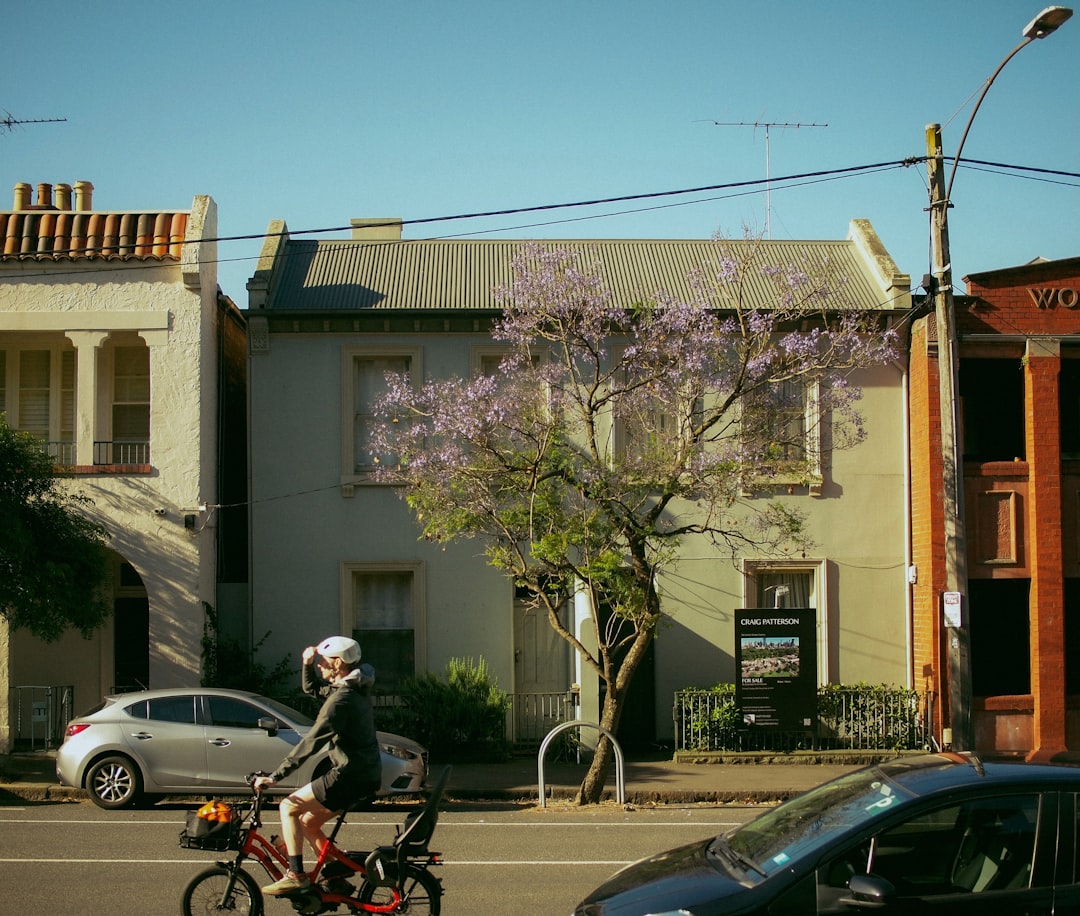
Ashwood: The Suburban Hub with a Vietnamese Heart
Ashwood is defined by its vibrant Vietnamese community and the aroma of pho that perpetually hangs in the air. It’s a place where families have lived for generations, where corner stores stock everything from fresh herbs to PlayStation games, and where the weekend market is a serious social event. While increasingly popular with younger professionals, Ashwood retains a distinctly suburban feel, a comfortable, slightly faded charm that sets it apart from flashier inner-city areas. It’s not trying to be trendy; it just is.
Who Lives Here? Demographics
Ashwood’s demographic makeup reflects its history. Historically a working-class area populated by European migrants (particularly Greek and Italian), the suburb has undergone a significant shift over the past few decades. Vietnamese Australians now constitute the largest cultural group, making up roughly 45% of the population according to the 2021 census. This is followed by Chinese Australians (around 15%), and a smaller but still significant proportion of European Australians (around 25%). The remaining 15% is a mix of other Asian and Australian-born residents.
The age profile is fairly balanced. While there’s a strong presence of families with young children – evidenced by the numerous primary schools and playgrounds – there’s also a growing number of young professionals and couples in their late 20s and 30s, attracted by the relative affordability and convenient location. The median age sits around 36, slightly younger than the Victorian average. You’ll see a lot of families walking to school along Buckley Street, and older residents tending their gardens on the quieter side streets like Wattle Street. There’s a noticeable lack of high-rise apartment living; most housing is detached or semi-detached dwellings, contributing to the suburb’s established feel.
The Vibe: Comfortable, Community-Focused, and a Little Bit Retro
Ashwood’s vibe is best described as relaxed and unpretentious. It’s a place where people know their neighbours, where kids play freely on the streets, and where the pace of life is noticeably slower than in the inner city. There’s a strong sense of community, fostered by the local schools, the Vietnamese community centres, and the weekly market.
The suburb isn’t brimming with trendy cafes or boutique shops. Instead, you’ll find a mix of established businesses catering to the local community: corner stores, bakeries, butchers, and of course, a plethora of Vietnamese restaurants and grocery stores. The main commercial strip along Springvale Road is functional rather than fashionable. It’s a place to get what you need, not necessarily to be seen.
There’s a slight retro feel to Ashwood, a sense of time having moved on without completely erasing the past. Older houses retain their original features, and the local pub, The Ashwood Hotel on High Street Road, has a classic, no-frills atmosphere. It’s not a suburb chasing trends; it’s comfortable in its own skin. You won’t find a lot of Instagrammable moments, but you will find genuine connection and a sense of belonging.
Pros & Cons: The Honest Assessment
Pros:
- Affordability: Compared to inner-city suburbs, Ashwood offers significantly better value for money, particularly for housing.
- Strong Community: The tight-knit community is a major drawcard, offering a sense of belonging and support.
- Excellent Food: The Vietnamese food scene is exceptional, with authentic restaurants and grocery stores offering a wide range of fresh ingredients and delicious dishes. Don’t miss Pho Hung on Springvale Road – consistently rated as one of the best in Melbourne.
- Family-Friendly: The suburb is well-suited to families, with good schools, parks, and a safe environment for children. Ashwood Primary School is particularly well-regarded.
- Convenient Location: Ashwood is well-connected to the city and surrounding suburbs by public transport and major roads.
- The Market: The weekly Ashwood Market (Sundays) is a highlight, offering fresh produce, clothing, and a vibrant atmosphere. It’s a great place to people-watch and soak up the local culture.
- Green Spaces: While not overflowing with parks, there are pockets of green space like Ashwood Reserve and the smaller parks dotted along the side streets.
Cons:
- Limited Nightlife: Ashwood isn’t a nightlife hub. Options are limited to the pub and a few restaurants. If you’re looking for late-night bars or clubs, you’ll need to head elsewhere.
- Commercial Strip Could Be Better: While functional, Springvale Road lacks aesthetic appeal and could benefit from some investment and revitalization.
- Traffic Congestion: Springvale Road can experience significant traffic congestion during peak hours, particularly around the market.
- Parking: Parking can be challenging, especially on market days and around the shops.
- Lack of High-End Amenities: You won’t find designer boutiques or high-end restaurants in Ashwood. It’s a more practical, less glamorous suburb.
- Some Properties Need Updating: Many of the older houses in Ashwood are in need of renovation, which can be a deterrent for some buyers.
Rental Snapshot (as of late 2023):
- 1 Bedroom Apartment: Median weekly rent: $420 - $480. Options are limited, mostly found in newer developments along Springvale Road.
- 2 Bedroom Apartment/House: Median weekly rent: $550 - $650. More common than 1-bedroom options, often found in older, established homes.
- 3 Bedroom House: Median weekly rent: $700 - $850. The most popular rental type, reflecting the suburb’s family-oriented nature.
Commute to CBD:
- Train: Ashwood Station is on the Glen Waverley line. The journey to Flinders Street Station takes approximately 35-45 minutes.
- Bus: Several bus routes connect Ashwood to surrounding suburbs and the city.
- Car: Driving to the CBD typically takes 25-40 minutes, depending on traffic conditions. Expect delays during peak hour. Parking in the CBD is expensive and limited.
- Cycling: While possible, cycling to the CBD is a significant undertaking (around 15-20km) and not recommended for daily commuting.
Real Streets & Venues That Define Ashwood:
- Springvale Road: The main commercial strip, home to most of the Vietnamese restaurants, grocery stores, and corner shops.
- Buckley Street: A leafy residential street popular with families, known for its well-maintained gardens and proximity to Ashwood Primary School.
- High Street Road: Home to The Ashwood Hotel, a classic pub with a loyal local following.
- Wattle Street: A quieter, more residential street with a mix of older houses and established gardens.
- Pho Hung (Springvale Road): Arguably the most famous restaurant in Ashwood, renowned for its authentic and delicious pho.
- Ashwood Market (Sunday mornings): A bustling market offering fresh produce, clothing, and a vibrant atmosphere.
- Ashwood Reserve: A small but well-used park with a playground and open space.
- Vietnamese Community Centre: A hub for the local Vietnamese community, offering cultural programs and support services.
Who Is This Suburb For?
Ashwood is ideal for families seeking an affordable and community-focused environment, particularly those who appreciate authentic Vietnamese culture and cuisine. It’s also a good option for young professionals who want a convenient location with good transport links but don’t want to pay exorbitant inner-city prices. Those seeking a vibrant nightlife or trendy shopping scene will likely be disappointed, but those who value a relaxed pace of life and a strong sense of community will find Ashwood a welcoming and comfortable place to call home. It’s a suburb that prioritizes practicality and connection over flash and glamour.
💬 Discussion
Join the conversation — no account needed