You are weighing up retirement in Balwyn and trying to separate the calm day-to-day reality from the property brochure. Here is the useful answer: whether Balwyn makes life easier when driving less, walking more, and staying connected matters.
The Verdict
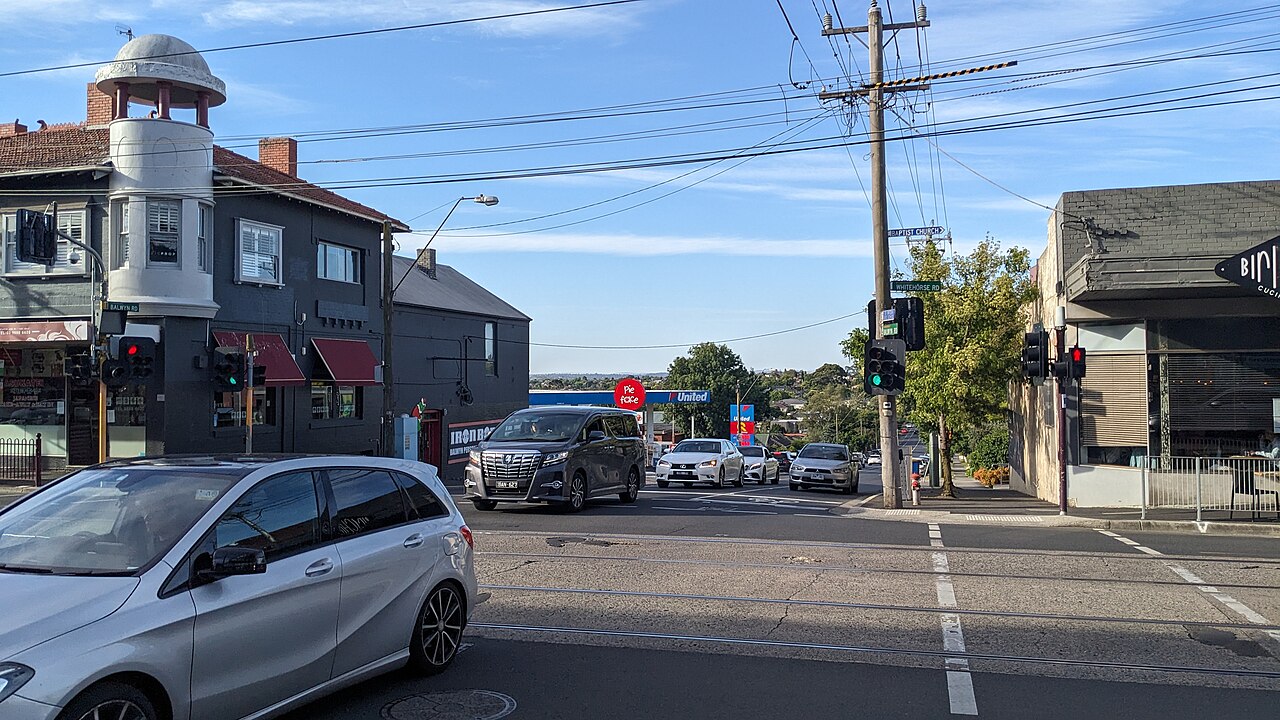
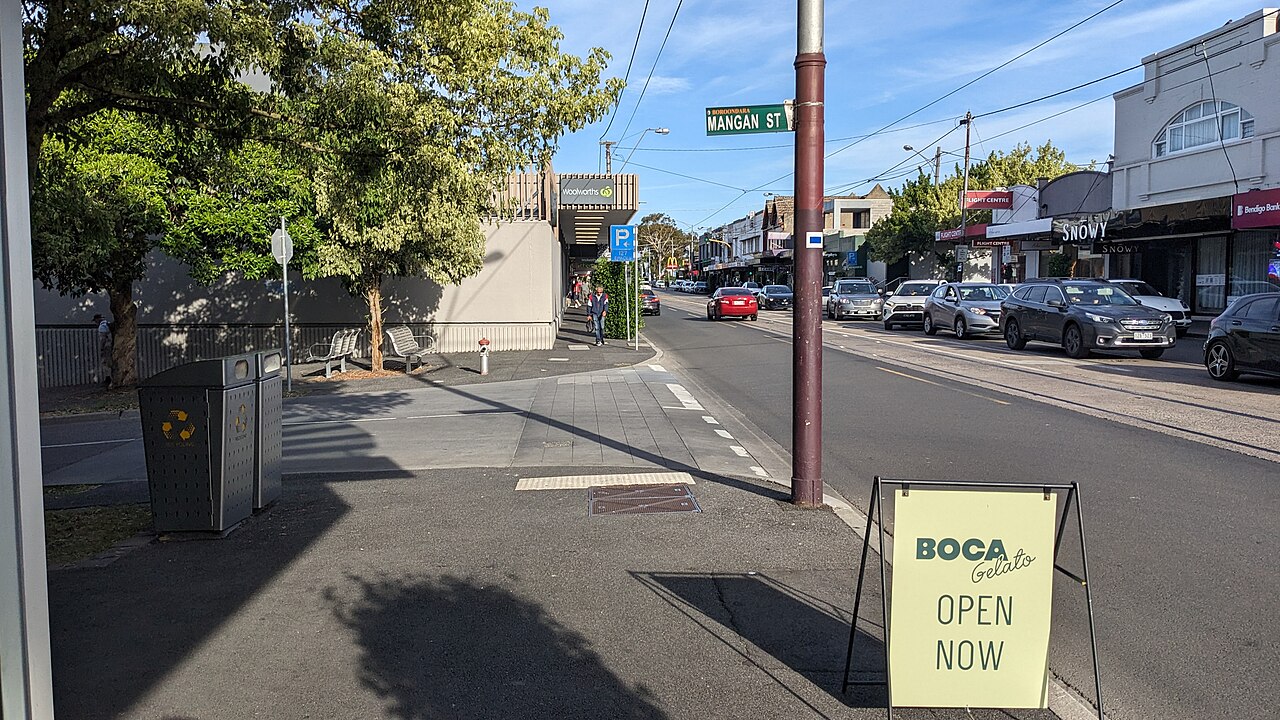
Balwyn is the pick for retirees who want a real Melbourne suburb with shops, cafes, health services, transport, and neighbours close enough to matter. The strongest case for it is simple: you can live a fairly independent week here without needing to drive for every errand. The local shopping strip covers the basics: supermarket, chemist, Australia Post, cafes, newsagent-style essentials, and enough small services that daily life does not turn into a logistics exercise. That matters more in retirement than a pretty streetscape.
The second reason Balwyn works is its balance. It is not sleepy in the way outer retirement pockets can be, but it is not overwhelming either if you choose the right street. A block or two off the main strip is the sweet spot: quiet enough at night, close enough for coffee, groceries, prescriptions, and a short walk when you do not want to make a whole outing of it. Public transport also gives you a backup plan for the city, medical appointments, and shopping centres when driving becomes annoying or unnecessary. The trade-off is that Balwyn is not the cheapest or quietest retirement choice in Melbourne, and some specialist medical appointments will still mean travelling beyond the suburb. Do not buy directly on the busiest main-street edge unless you genuinely like movement, traffic, and parking competition; you will regret paying Balwyn money for a home that feels like a waiting room beside a road.
What It’s Actually Like
Day to day, Balwyn is practical rather than flashy. The rhythm is fairly predictable: cafes and shops are busier through the morning and lunch stretch, school and commuter traffic can make main roads feel sharper than expected, and evenings settle down in the quieter residential pockets. If you are inspecting homes, do it twice: once mid-morning when the suburb feels pleasant and useful, and once around the busy after-school or commute window when traffic tells the truth.
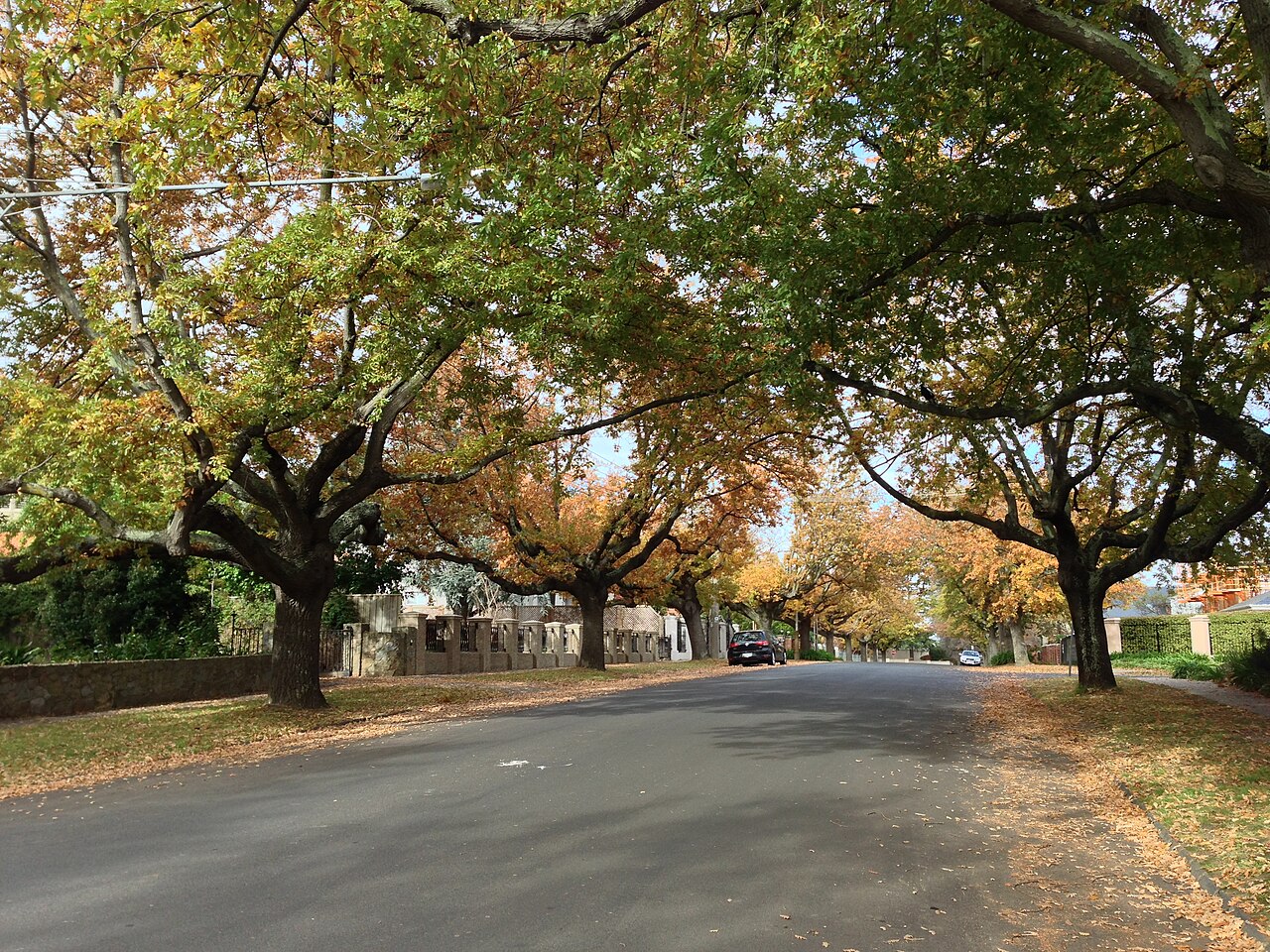
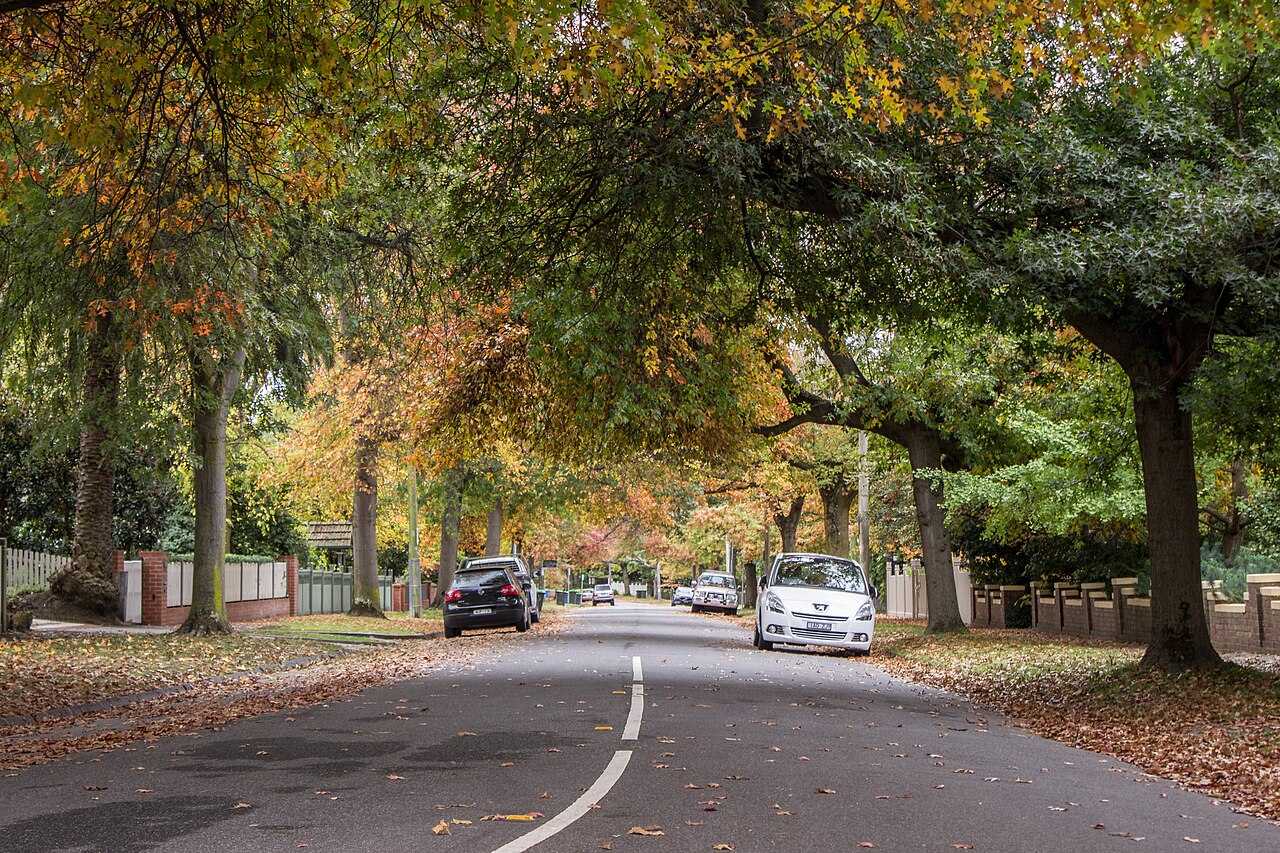
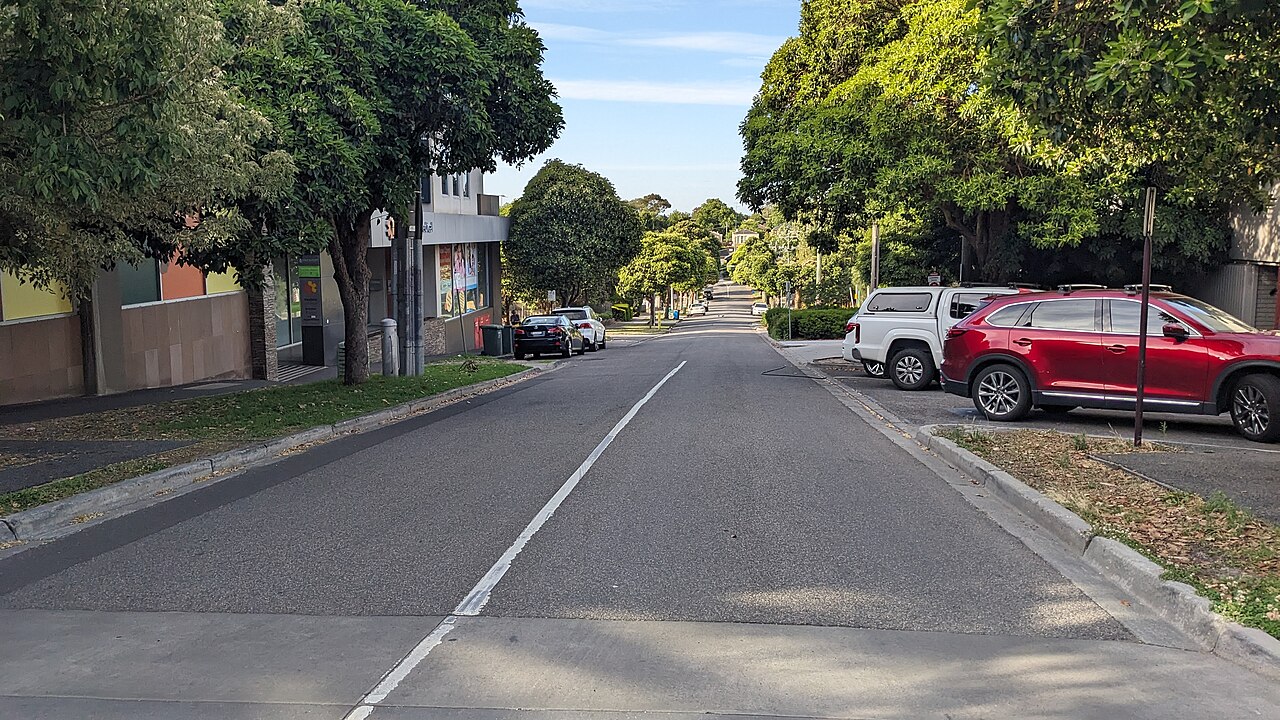
The best retirement version of Balwyn is close to the main strip but not sitting right on top of it. Being able to walk to the supermarket, chemist, Australia Post, and local cafes is the point. If your home is too far from those basics, Balwyn starts to lose its edge and becomes just another expensive eastern suburb where you still need the car. Footpaths are generally serviceable, the streets feel safe during the day and early evening, and there are parks and green spaces for regular walks, which helps if your idea of retirement is steady activity rather than being parked inside.
Parking near the shops can be competitive, especially on weekends and during popular cafe hours. That is not a deal-breaker if you are walking, but it matters when family visits or when mobility is limited. Skip Balwyn if you want total rural quiet, big open space, or a retirement-village bubble where everyone is in the same life stage. This is still a mixed-age suburb with families, commuters, school traffic, and cafe crowds. If you are west of the most convenient shopping and transport pocket, you may find Kew or Deepdene more practical depending on where your regular appointments and family connections are.
Who This Suits
If you are an independent downsizer, pick Balwyn for its walkable services and real-suburb energy. If you are a social retiree, choose a home near the cafes, parks, and local shopping strip so casual contact becomes part of the week rather than something you have to schedule. If you are planning to stop driving soon, prioritise transport access over house size; the extra bedroom will matter less than being able to reach appointments, shops, and friends. If you are chasing silence and a large garden, look for a quieter pocket off the main roads or consider whether Balwyn is simply too busy for the retirement you actually want. If you need frequent specialist care, check the route to your regular hospital or clinic before falling in love with a floor plan.
Cost expectations should be clear-eyed. Balwyn is not a bargain retirement suburb. Bigger homes and gardens come at a premium, and downsizer-friendly units, townhouses, and apartments can still be expensive because the suburb sells convenience as much as space. The better value is not necessarily the cheapest property; it is the place that lets you walk to daily needs, reduce car dependence, and stay socially connected. Paying less for a home that leaves you isolated at the wrong end of the suburb can be false economy.
Time of day changes the experience. Mornings can feel lively and friendly around cafes and shops. Weekends bring more pressure around parking and popular local spots. Evenings are usually calm away from the main streets. In winter, walkability matters more because short, useful trips beat driving for every small errand. In summer, shade, footpath comfort, and distance to shops become more noticeable than they looked during a quick inspection.
What to Do Next
Inspect Balwyn on foot before you inspect another floor plan: walk from the home to the supermarket, chemist, Australia Post, cafes, and transport. Then read the Balwyn transport guide before deciding whether the address will still work in ten years.