You can read Balwyn wrong if you only see big houses and quiet streets. The useful version is older than that: market gardens, post-war family blocks, long-term residents, rising values, and a suburb still deciding how much of itself to keep.
The Verdict
Balwyn’s real story is the shift from agricultural land and market gardens into one of Melbourne’s established family suburbs. That is the version to hold onto if you only read one section: not a sudden makeover, not a glossy prestige suburb invented overnight, but a place built slowly through street grids, housing stock, local institutions, and decades of families settling further out from the Yarra and the city centre.
The first reason it matters is that Balwyn still carries that older structure. The layout of the shopping strip, the older homes sitting beside newer builds, and the public spaces all point back to a suburb designed for a different Melbourne. The second reason is the post-war housing boom. That was the hinge moment: paddocks became residential streets, and the family-house identity took over. The third reason is that Balwyn’s later change was uneven. Better food, safer streets, higher property values, and more things to do arrived, but so did higher rents, demolitions, and the loss of shops and institutions that made the old suburb feel less polished and more lived-in.
So the verdict is this: Balwyn makes most sense as a layered suburb, not a before-and-after story. Don’t buy the lazy version where everything old was dull and everything new is an upgrade. You’ll miss the point, and you’ll misunderstand why long-term residents can be proud of Balwyn and annoyed by what has happened to it at the same time.
What It’s Actually Like
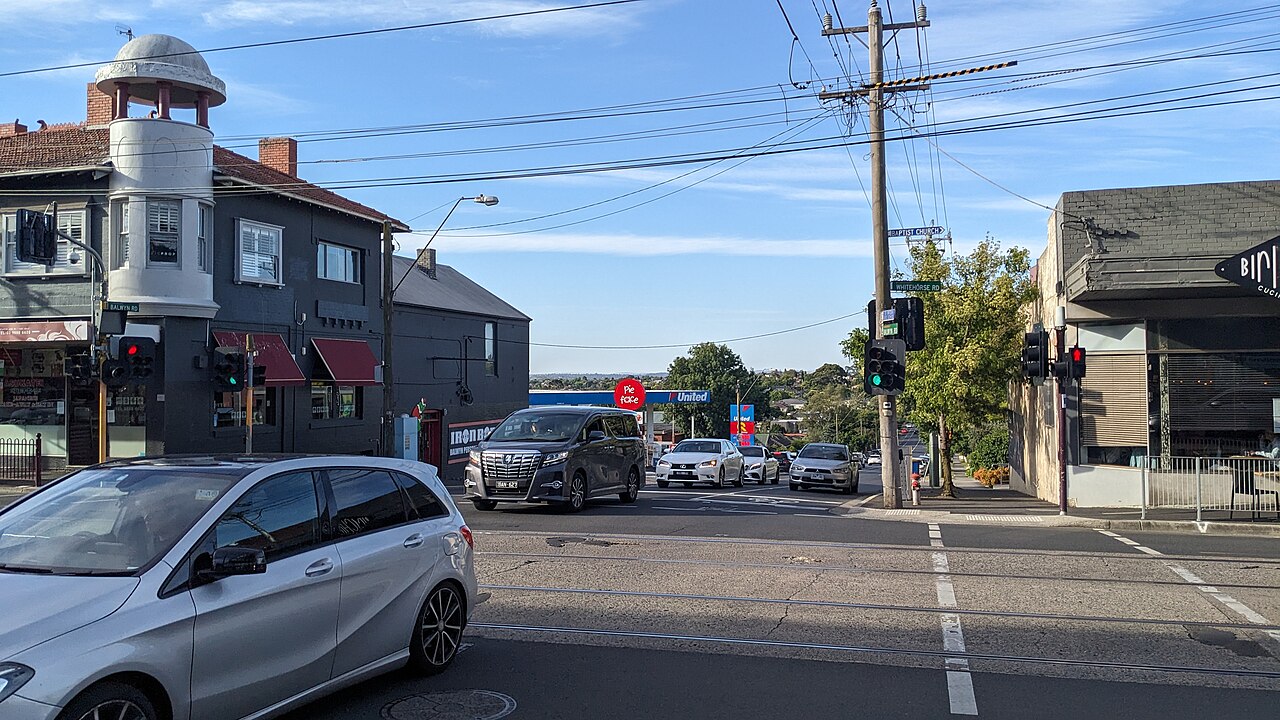
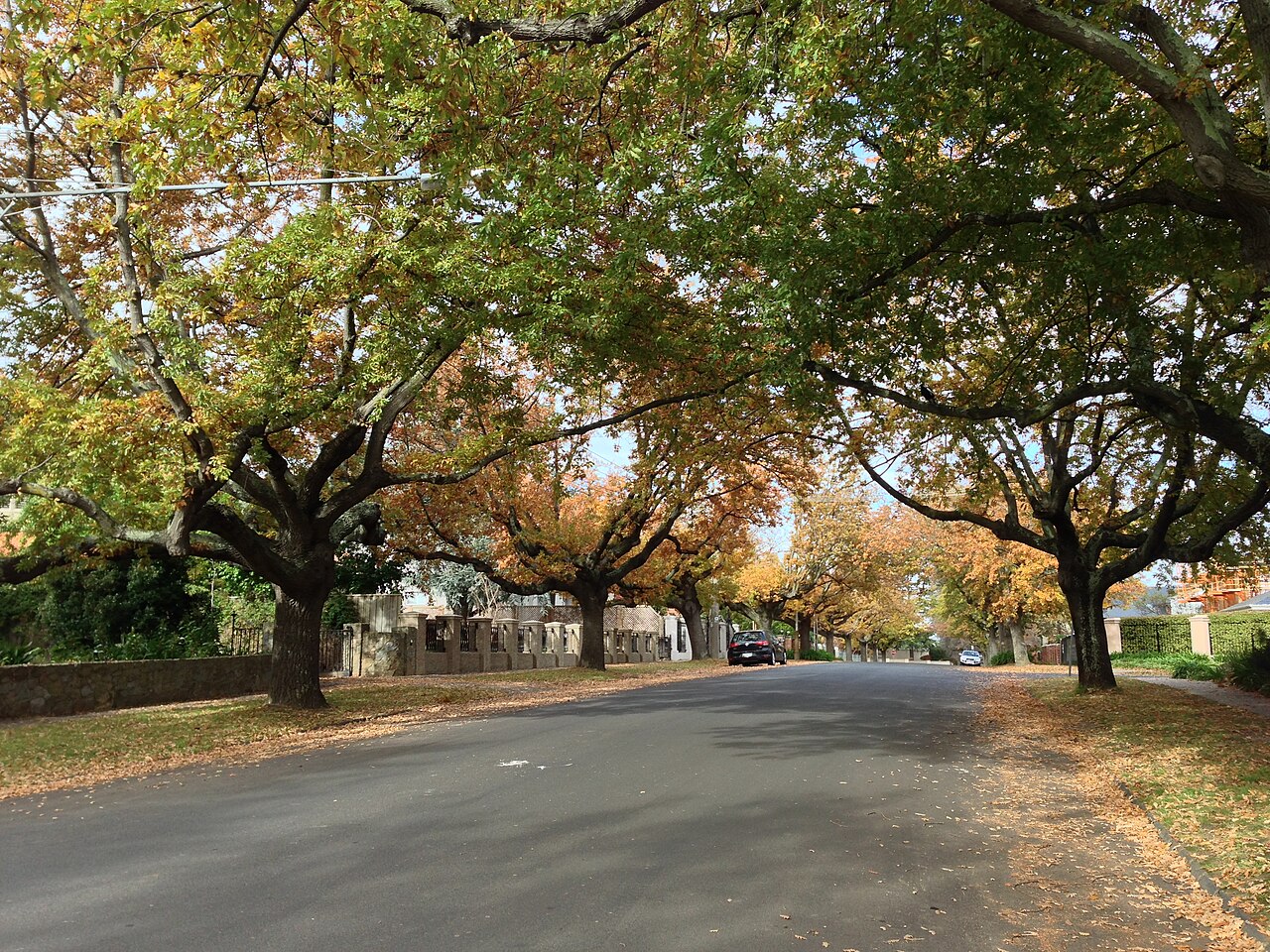
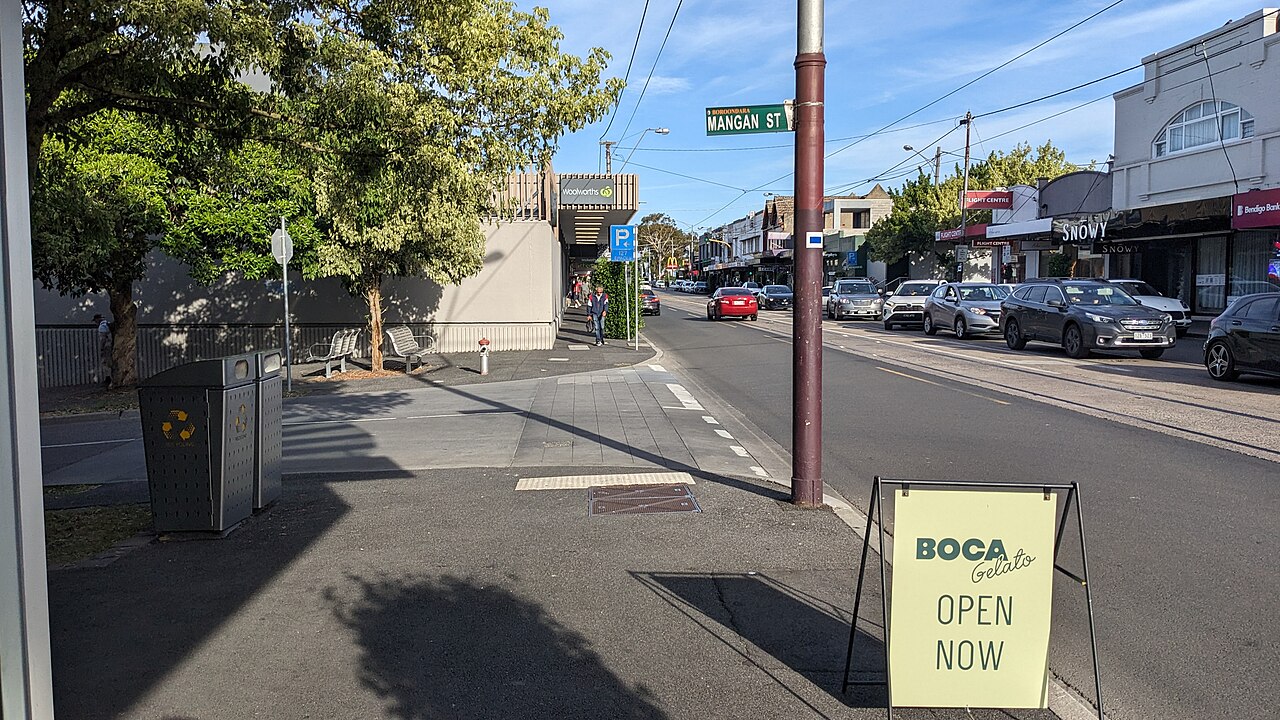
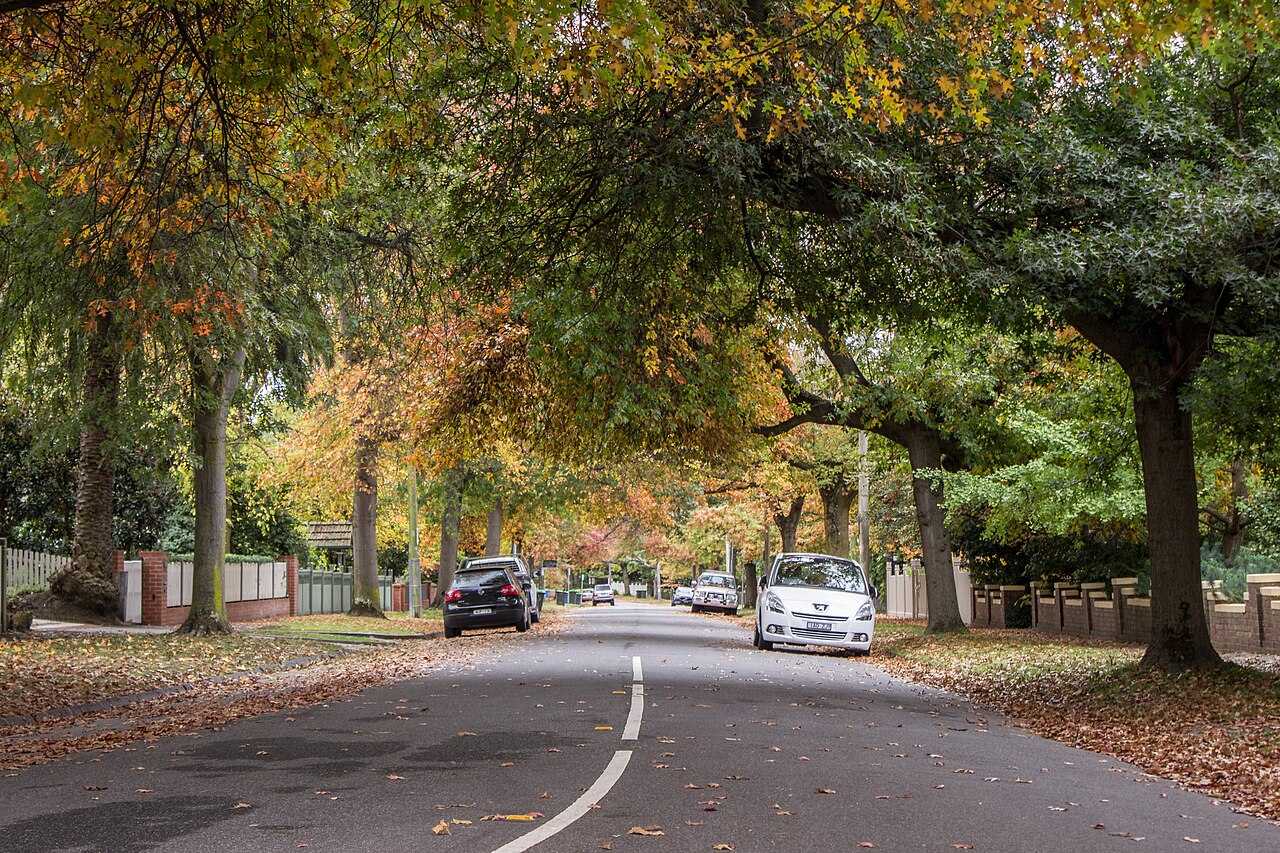
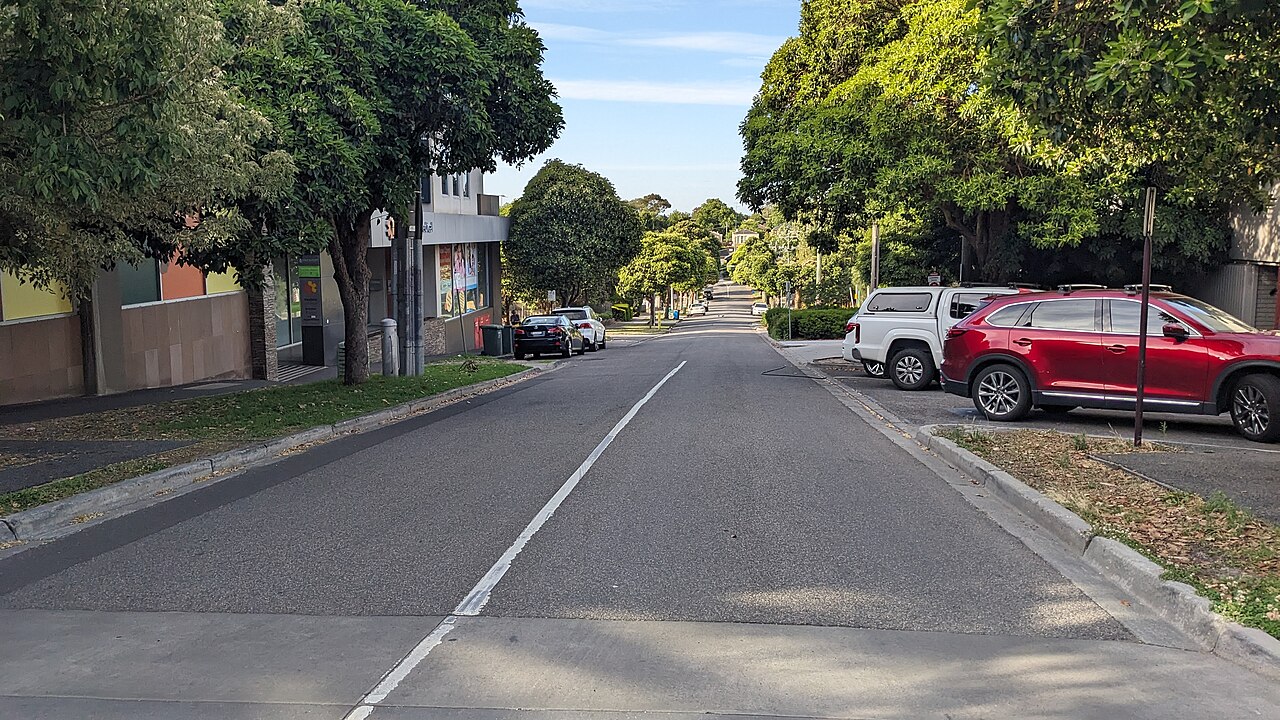
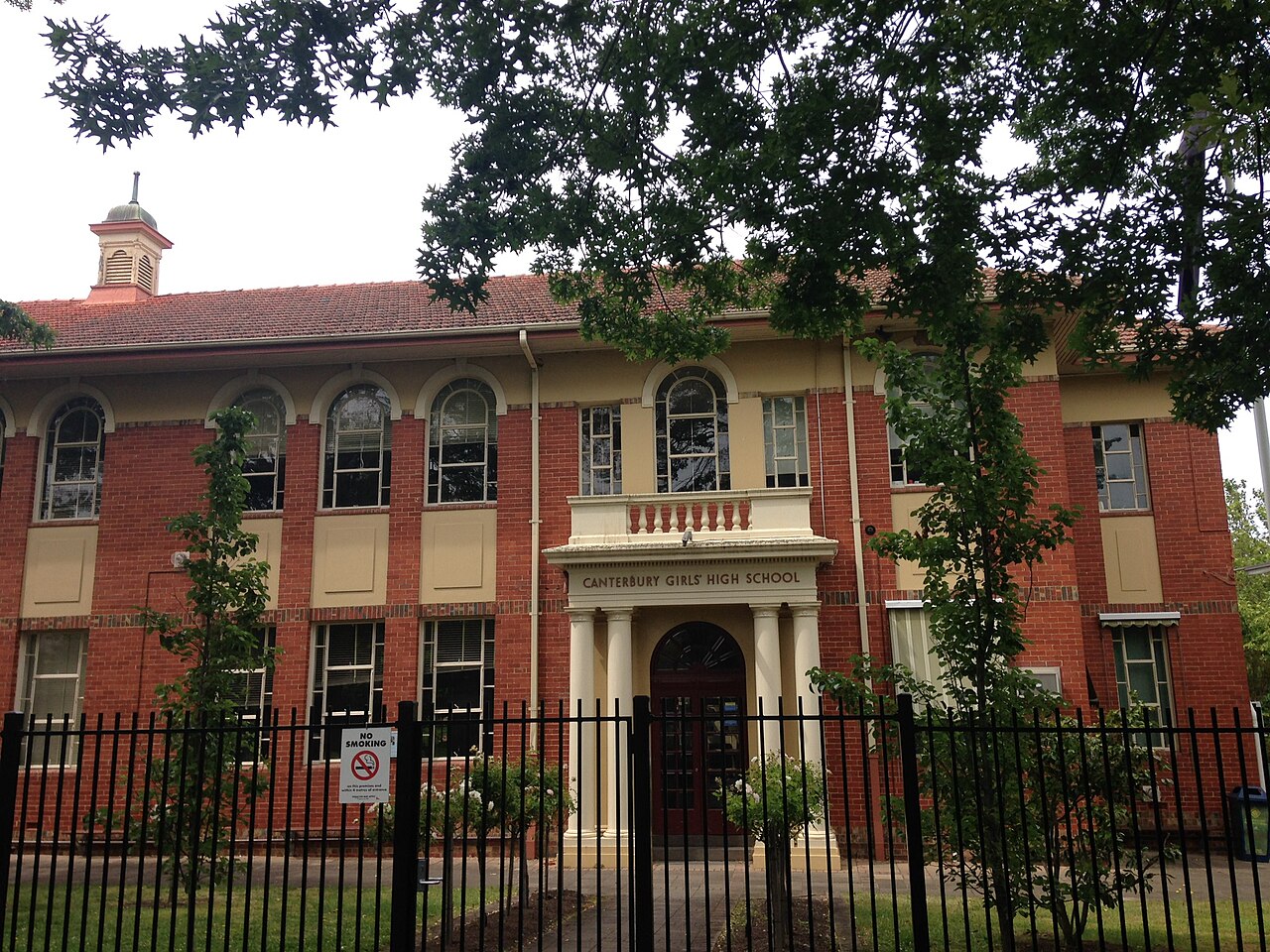
The history is easiest to read on foot. Walk through Balwyn and the suburb does not feel like a museum piece; it feels like decades of Melbourne compressed into ordinary streets. Older houses sit near newer developments. Traditional shops and newer cafe-style businesses share the same local rhythm. The shopping strip still tells you this was built around daily life, not tourism. Parks, community halls, sports clubs, churches, and familiar local corners matter because they were the social infrastructure before lifestyle language took over.
The street-level reality is that Balwyn’s change has been gradual enough for people to remember what used to be there. A milk bar becomes a cafe. A tired pub gets renovated. A workshop becomes something more polished. Rent rises. A block gets cleared. One house goes, then another. That slow pace can make the transformation feel normal from the outside, but for residents who watched it happen, the losses are specific: buildings demolished, affordable shops closed, people priced out, and a version of the suburb that did not care how it looked online fading from view.
This is also where Balwyn differs from nearby Kew, Balwyn North, Canterbury, and Deepdene. It shares the established eastern-suburbs feel, but its own history is tied to that move from productive land into family housing, then into a higher-demand suburb with more investment and more pressure. If you’re looking for gritty industrial leftovers or a suburb built around nightlife, skip this history. Balwyn is quieter than that. And if you’re west of the Yarra in your mental map of Melbourne, you are probably looking at the wrong side of the city; Balwyn’s story belongs to the eastward push of Melbourne families and capital.
Who This Suits
If you’re a new resident, read Balwyn as a suburb with memory, not just amenity. The streets make more sense when you understand the agricultural base, the post-war housing growth, and the later wave of renovation and redevelopment. If you’re a buyer, pay attention to what the older housing stock and street patterns say about demand: people have wanted this pocket for a long time, and that rarely happens by accident. If you’re a renter, the history explains the frustration too, because rising appeal usually means rising cost. If you’re a long-term local, the honest version is allowed to be mixed: Balwyn gained liveability, but not without losing affordable, unselfconscious parts of itself.
Cost expectations sit underneath the whole story. The original body does not give prices, and this article should not pretend to. What it can say is that Balwyn’s higher property values are part of the suburb’s modern identity. Existing owners benefited from rising demand. New arrivals paid more to enter. Some businesses gained from the more polished local economy, while others could not survive the rent or customer shift. That is the trade: growth brought better options and more investment, but the bill was not shared evenly.
Time of day changes how you read the suburb. During the school-run and weekday errand hours, Balwyn feels like a practical family suburb built around routine. On quieter weekends, the older rhythm is easier to notice: the established streets, the older homes, the parks, and the local institutions that survived the suburb’s reinventions. In ten years, Balwyn will look different again, especially as apartment development and infrastructure upgrades add density. The useful question is not whether change will happen. It will. The question is whether the suburb keeps enough of its older character to still feel like Balwyn.
What to Do Next
Walk Balwyn slowly before judging it from the property listings. Start with the shopping strip, then read the side streets for what survived and what got replaced. For the current picture, use the Balwyn suburb guide next.