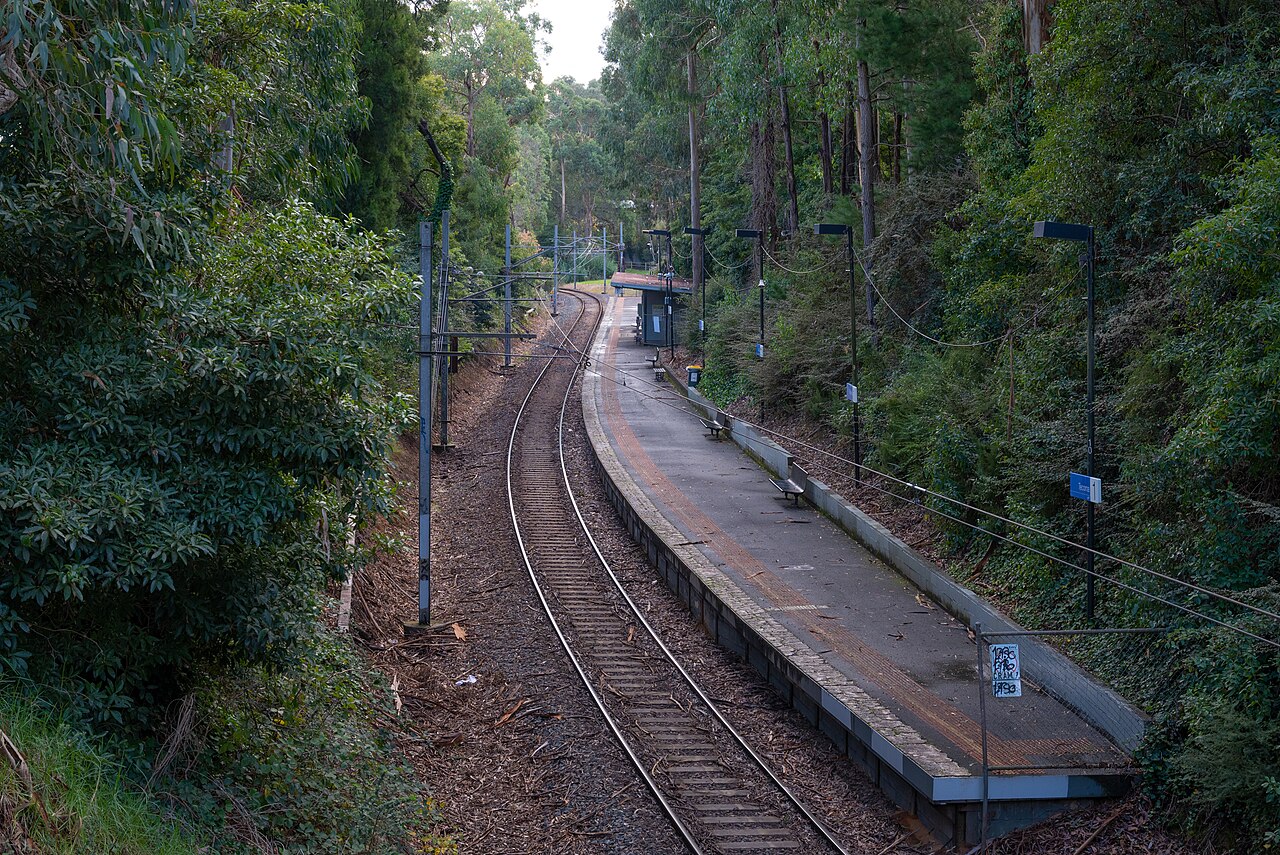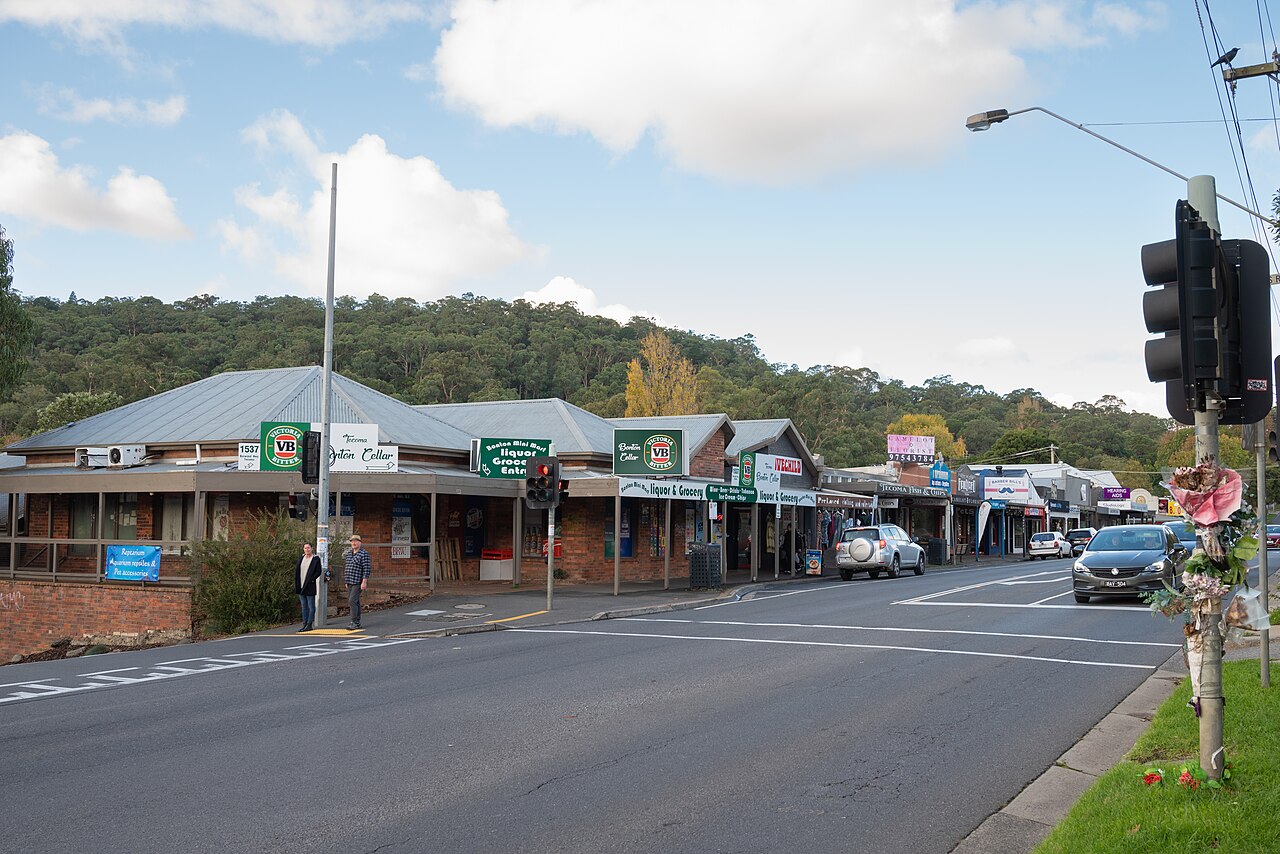
You’re weighing up Belgrave with kids and trying to work out if the leafy, community-first pitch survives actual school mornings. The short answer: it can, but only if you value walkability, parks, and neighbourhood feel more than a huge house.
The Verdict
Belgrave is worth picking for families who want community, outdoor space, and a walkable daily rhythm, not families chasing the biggest block for the lowest price. The win here is that kids can grow up around familiar faces: school parents at the park, neighbours who recognise each other, and weekend routines that don’t require loading everyone into the car for every small errand. For many families, that matters more than an extra bedroom.
The strongest reason to choose Belgrave is how usable it feels day to day. Shops, cafes, parks, and trails sit close enough to make short local trips realistic, and the green space is not decorative. Families actually use it. Weekend mornings bring the usual parent-and-kid traffic, and the playgrounds and grassy areas give children room to burn energy without needing a long drive. School access is also a real part of the appeal. There are primary and secondary options in and around the suburb, with public choices locals rate and private-school access possible through nearby suburbs.
The trade-off is housing. Yes, there are family-sized homes and backyards, but the good ones attract competition and the quieter pockets away from the main commercial strips cost more. Childcare and kindergarten places can also be tight, so under-5s change the equation. Don’t move here assuming the trees mean cheap space — you’ll regret it when the bigger homes come with bigger prices and the school drop-off parking turns feral.
Local Reality
Belgrave feels most family-friendly when you live close enough to the useful bits: the parks, shops, cafes, schools, and walking trails that make the suburb work. The ideal setup is a quieter residential street where kids are not stepping straight onto the busier main roads, but you can still walk to a cafe, grab groceries, or meet another family at the park without turning the outing into a production. That is the Belgrave sweet spot.
The local parks are a bigger deal than they look on paper. On weekend mornings they fill with families, and that is where the community part becomes visible. You see the same parents, the same school families, the same kids kicking around on the grass. The shade matters in summer, and the open space means younger children can run while older ones have a bit more independence. Trails and cycling paths through to neighbouring suburbs add another layer, especially if your family likes weekend rides or walks rather than shopping-centre time.
The annoying parts are practical, not mysterious. Parking near schools at drop-off and pick-up can be chaos. Some main streets feel too busy for younger kids on foot, especially if you are managing scooters, school bags, and a tired preschooler at the same time. Childcare waitlists are a genuine warning: register early if you are moving with under-5s, ideally before you have committed to the move. Skip Belgrave if you need a perfectly flat, low-effort suburb where every school run, park visit, and shop trip is easy by car. If you are west of the most convenient local school or park for your routine, it is worth comparing Upper Ferntree Gully, Tecoma, or Selby before deciding.
Who This Suits
If you are a community-first family, pick Belgrave. You are the family that wants kids to recognise neighbours, run into school friends at the park, and have a suburb that feels lived-in rather than anonymous. If you are an outdoors family, Belgrave also makes sense, because parks, shade, trails, and weekend walks are part of normal life here. If you are a school-focused family, put Belgrave on the shortlist, but inspect the actual school fit rather than relying on suburb reputation. If you are a space-maximiser, be careful: you may be happier looking further out, because bigger family homes here carry a premium. If you are moving with babies or toddlers, your first call should be childcare and kindergarten availability, not inspections.
Cost expectations are straightforward: family comfort costs money in Belgrave. Smaller residences, units, and townhouses exist, but families usually want quieter streets, usable outdoor space, and enough separation from the commercial strips. Those are exactly the homes other families want too. If your must-have list includes five bedrooms, a pool, a big backyard, and easy parking, Belgrave can do some of that, but probably not cheaply. The suburb suits families prepared to trade some house size for walkability, greenery, and community.
Time of day changes the experience. Weekday school windows bring parking stress and busier streets around drop-off and pick-up. Weekend mornings are sociable but crowded at popular cafes, restaurants, and parks. Summer is better when you are close to shaded green space; winter suits families who like the hills atmosphere and do not mind damp, slower mornings. Visit during a school morning and again on a Saturday before making the call, because Belgrave at inspection time is not the same as Belgrave with two kids, a lunchbox emergency, and nowhere obvious to park.
What to Do Next
Walk Belgrave on a school morning, then again on a Saturday before 10am. If the parking, hills, and cafe crowds still feel manageable, read the full Belgrave suburb guide and start comparing streets, not just listings.