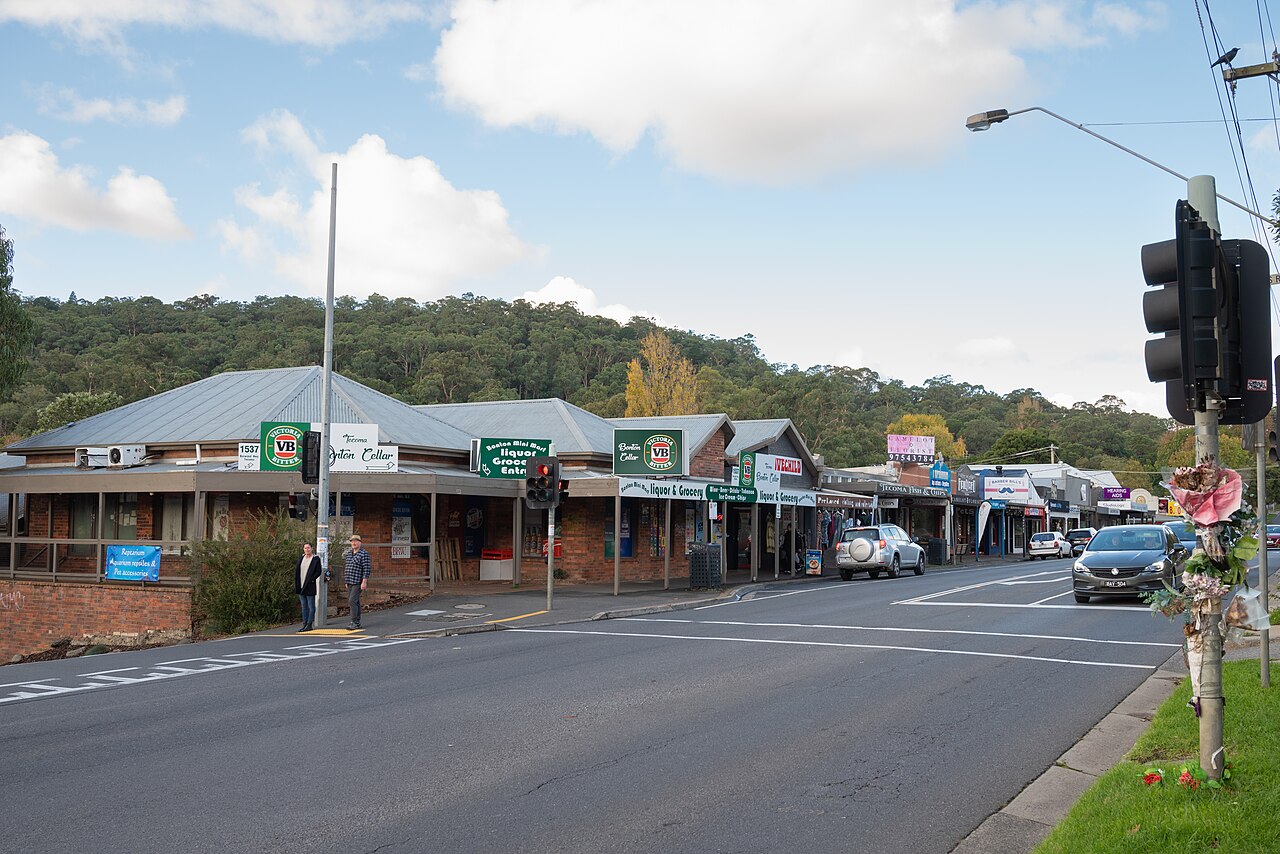
You are thinking about retiring in Belgrave, but the real question is simpler: can you live well here without fighting hills, traffic, loneliness, or car dependence every week? Belgrave works for some retirees, but only if you choose the right pocket.
The Verdict
Belgrave is the pick for retirees who want a real suburb with daily services, public transport, and a community feel, not a quiet retirement-only enclave. The strongest case is practical: you can walk to the supermarket, chemist, post office, cafes, and basic services from the right address, and the train gives you a usable line back toward the city for appointments, family visits, and days out. That matters more than the brochure version of retirement living, because the day-to-day test is whether you can buy milk, get a script filled, meet someone for coffee, and get home without turning every errand into a production.
The catch is location inside Belgrave. A block or two off the main strip is the sweet spot: close enough that walking still works, far enough away that traffic and cafe-hour noise do not run your day. Belgrave also suits retirees who like mixed-age neighbourhoods. It is not a suburb where everyone has opted out of ordinary life; there are commuters, families, cafe regulars, park walkers, and people who have been here long enough to recognise faces. If you want total rural quiet, do not choose Belgrave and then complain that the main streets are busy. And do not buy purely for the tree-change feeling if the home is up a steep, inconvenient street; you will regret that more than you regret missing out on a bigger garden.
Local Reality
Belgrave feels calm in the right pockets and surprisingly busy in the wrong ones. The main strip does the heavy lifting: cafes, shops, supermarket runs, chemist trips, Australia Post, and the small errands that make retirement easier when they are clustered together. During the day and early evening, the streets generally feel safe and usable, and the footpaths are in decent condition for regular walking. The suburb has a rhythm: cafe hours bring movement, weekends can tighten parking near the shops, and evenings settle down quickly once the day-trippers and lunch crowd thin out.
The practical issue is not whether Belgrave has services. It does. The issue is whether your specific home lets you use them without strain. Parking near the shops can be competitive, so being able to walk matters. Public transport access is a genuine plus, especially if you are reducing car use or planning for a time when driving becomes less appealing. For specialist medical appointments, expect some travel beyond Belgrave; general practitioners, chemists, and medical centres are accessible, but larger hospital or specialist needs are more likely to pull you toward bigger nearby centres.
Skip Belgrave if your retirement plan depends on flat, effortless walking everywhere. Some streets will suit you beautifully; others will make every outing feel like a negotiation. If you are west of the most convenient part of Belgrave for your needs, or if the address puts you too far from the station and shops, Tecoma, Selby, or Upper Ferntree Gully may make more sense depending on the exact trade-off you want.
Who This Suits
If you are a connected downsizer, pick a smaller unit, townhouse, or apartment within easy reach of the main strip. You will get the best version of Belgrave: coffee nearby, services nearby, enough street life to avoid feeling isolated, and no need to drive for every small task. If you are a garden-first retiree, choose a quieter pocket and accept that you may trade walkability for space. If you are planning to rely less on driving, prioritise the station, supermarket, chemist, post office, and GP access over charm. If you want a retirement village atmosphere, Belgrave is probably the wrong brief; it is a living suburb with all ages, not a purpose-built retirement bubble.
Cost expectations depend heavily on housing type and position. Bigger homes with gardens are at a premium, especially when they combine privacy with access. Downsizer-friendly options exist, including units, smaller townhouses, and apartments, but the best ones are the homes that remove friction from everyday life. A cheaper property can become expensive in effort if it leaves you driving for every errand or dealing with difficult access. In Belgrave, the smartest retirement purchase is not necessarily the prettiest one; it is the one that still works when you are tired, it is raining, or you simply want to walk out for coffee without planning the whole morning around it.
Time of day matters. Weekdays are easier for errands, parking, and appointments. Weekends bring more people into popular spots, and the main streets can feel busier than you might expect if you only inspected on a quiet weekday morning. Summer and clear-weather weekends make the cafe-and-parks rhythm more obvious; colder months show you whether the location still works when you are less inclined to wander. Inspect the area at the time you would actually use it, not just when the listing agent suggests.
What to Do Next
Walk the exact route from any shortlisted home to the shops, chemist, post office, and station before you commit. Then read the Belgrave Transport Guide and decide whether the address still works without daily driving.