
Bonnie Brook: The Quiet Resilience of a Post-Industrial Pocket
Bonnie Brook isn’t a suburb that shouts. It’s a place you discover, a quiet pocket of Melbourne’s inner west that’s slowly shaking off the dust of its industrial past while stubbornly retaining a sense of community and understated charm. Once dominated by factories and warehouses servicing the nearby Footscray and Sunshine, Bonnie Brook has transitioned, albeit unevenly, into a residential area with a growing number of young families, established residents, and a smattering of creatives drawn to the relatively affordable housing and proximity to the city. It’s a suburb defined by its resilience – a place that’s weathered economic shifts and urban development with a quiet determination to remain itself.
Who Lives Here? Demographics & Community
Bonnie Brook’s demographic profile reflects its history and ongoing evolution. While historically a working-class area with a strong European (particularly Italian and Greek) heritage, the suburb is now experiencing a noticeable shift. According to the 2021 census, the median age is around 36, slightly younger than the Melbourne average. Roughly 35% of residents are under 35, indicating a growing influx of younger people.
The cultural mix is increasingly diverse. While Italian and Greek ancestry remain significant, there’s a growing Vietnamese population, alongside families from the Philippines, India, and other parts of Asia. This diversity is reflected in the local shops and eateries, but it hasn’t yet translated into a vibrant, bustling multicultural hub like some other inner west suburbs.
Family households are prevalent, with a significant proportion of residents owning their homes. There’s a strong sense of neighbourliness, particularly on streets like Gwendoline Street and Heatherdale Avenue, where you’ll often see kids playing on the nature strip and residents chatting over fences. However, it’s not a suburb brimming with organised community events. The local school, Bonnie Brook Primary, is a focal point for many families, and the occasional street fair is held, but the community spirit is more about quiet connection than large-scale gatherings.
The Vibe: Quiet, Practical, and Slowly Evolving
The prevailing vibe in Bonnie Brook is one of quiet practicality. It’s not a trendy, Instagram-ready suburb. It’s a place where people live, work, and raise families. There’s a distinct lack of pretension. You’re more likely to see tradies grabbing a coffee than influencers posing for photos.
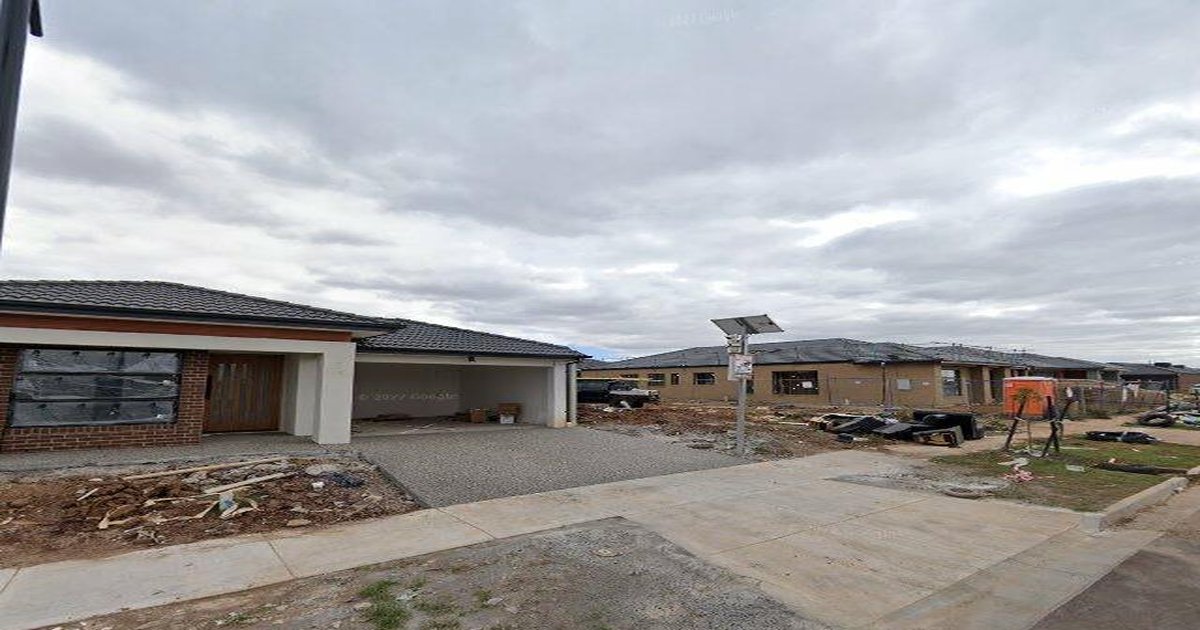
The suburb retains a slightly rough-around-the-edges feel, a legacy of its industrial past. Some areas, particularly closer to the railway line and the older industrial estates, still look a little neglected. However, there’s a palpable sense of change. New townhouses and apartments are popping up, particularly along Barkly Street and near the railway station, attracting a younger demographic.
The pace of life is slower than in more central suburbs. It’s a place where you can actually hear yourself think. While there are a few cafes and restaurants, the entertainment options are limited. People tend to venture out to Footscray, Seddon, or Yarraville for more vibrant nightlife and dining experiences.
Pros & Cons: An Honest Assessment
Let’s be clear: Bonnie Brook isn’t perfect. Here’s a realistic breakdown of the pros and cons:
Pros:
- Affordability: This is the biggest drawcard. Compared to neighbouring suburbs like Seddon and Yarraville, Bonnie Brook offers significantly more affordable housing, both for renters and buyers.
- Quiet & Safe: It’s a genuinely quiet suburb, particularly away from the railway line. Crime rates are relatively low, and it feels safe to walk around at night.
- Good Transport Links: The Bonnie Brook train station provides direct access to the city, and there are frequent bus routes servicing the area.
- Green Spaces: While not overflowing with parks, there are pockets of green space, including the small but pleasant Alan McGregor Reserve on Sunshine Road and the larger, more rugged Horseshoe Bend Reserve along the Maribyrnong River.
- Community Feel: Despite its quiet nature, there’s a genuine sense of community, particularly amongst long-term residents.
- Proximity to Amenities: While Bonnie Brook itself lacks a huge range of amenities, it’s conveniently located near the shops and restaurants of Footscray, Seddon, and Yarraville.
Cons:
- Lack of Amenities: This is the biggest drawback. Bonnie Brook lacks a central shopping strip or a wide range of cafes, restaurants, and entertainment options. You’ll need to travel to nearby suburbs for most of your needs.
- Industrial Legacy: Some areas still bear the scars of their industrial past, with dilapidated buildings and a lack of aesthetic appeal.
- Limited Public Transport Options (Beyond Train & Bus): Cycling infrastructure is improving, but it’s still not ideal for navigating the suburb. Walking can be challenging in some areas due to the lack of footpaths.
- Traffic Noise: Proximity to the railway line and Sunshine Road means traffic noise can be an issue, particularly for properties close to these thoroughfares.
- Ongoing Development: The rapid development of new apartments and townhouses is changing the character of the suburb, and not everyone is happy with the pace of change.
- Limited Parking: On-street parking can be difficult to find, especially in the evenings.
Rental Snapshot (as of late 2023):
- 1 Bedroom Apartment: Median weekly rent: $420 - $480. Expect older-style units, often requiring some renovation.
- 2 Bedroom Apartment/Townhouse: Median weekly rent: $550 - $650. Newer developments command higher prices.
Commute to CBD:
- Train: Approximately 25-30 minutes from Bonnie Brook Station to Flinders Street Station. Trains run frequently throughout the day.
- Bus: Approximately 40-50 minutes, depending on the route and traffic conditions.
- Car: Approximately 20-30 minutes, depending on traffic. Parking in the CBD can be expensive and difficult.
- Cycling: Approximately 45-60 minutes via the Maribyrnong River Trail.
Defining Venues & Street Life:
- Barkly Street: The main thoroughfare, slowly developing with a few cafes and shops. “The Little Coffee Co.” is a popular spot for a quick caffeine fix.
- Sunshine Road: A busy road with a mix of industrial and residential properties. Home to “Sunshine Road Fish & Chips,” a local institution.
- Gwendoline Street & Heatherdale Avenue: Characterised by well-maintained older homes and a strong sense of community.
- Bonnie Brook Railway Station: A vital transport hub, undergoing upgrades.
- Alan McGregor Reserve: A small, well-used park popular with families.
- The Maribyrnong River Trail: Provides a scenic route for walking, cycling, and enjoying the outdoors.
- Footscray Market (nearby): A vibrant multicultural market offering fresh produce, spices, and street food.
Who Is This Suburb For?
Bonnie Brook is ideal for those seeking affordability and a quiet lifestyle within easy reach of the city. It’s a good option for young families looking for a safe and friendly neighbourhood, or for individuals who appreciate a slower pace of life and don’t require a plethora of amenities on their doorstep. It’s not for those craving a bustling nightlife or a trendy, design-focused environment. Ultimately, Bonnie Brook is for people who value practicality, community, and a sense of understated resilience.
💬 Discussion
Join the conversation — no account needed