You are in Box Hill with an hour spare, and the main strip has already shown you its loudest cards. The real win is not another obvious stop. Walk one or two blocks off the drag and let the suburb get quieter.
The Verdict
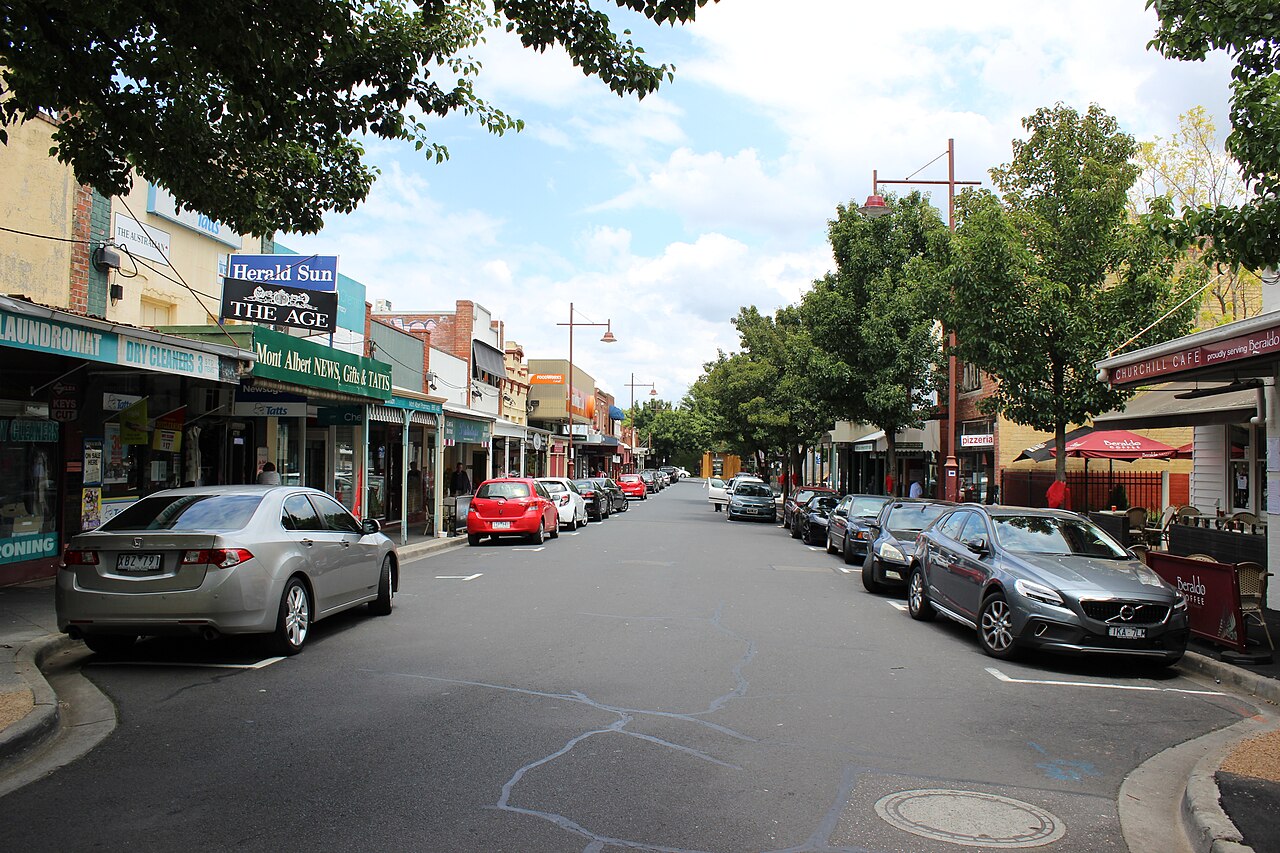
The best hidden-gem move in Box Hill is the back-street wander just off the main drag, because that is where the suburb stops performing and starts being useful. Do not build the day around a single famous cafe or a saved pin. Start on the busy strip, then peel away into the streets behind it and look for the places that do not seem to be trying very hard: the cafe with no signage, the corner shop that has clearly been here forever, the tiny pocket park with morning sun, the takeaway that looks basic and smells better than it looks.
That route works because Box Hill rewards attention more than planning. The obvious version of the suburb is the public face: the busy shops, the familiar cafe run, the places Google sends everyone first. The better version is one block deeper, where regulars know the counter staff, community notice boards still tell you what is actually happening, and small gardens make an ordinary street worth slowing down for. It also costs almost nothing to test. You can spend the price of a flat white, a pastry, or a takeaway lunch, or spend nothing and just walk until the suburb rearranges itself. Do not treat the first blank-looking doorway as proof there is nothing there. Also, do not make this a phone-led scavenger hunt. If the whole point is finding the places algorithms miss, staring at a map every thirty seconds defeats the exercise.
Local Reality
Box Hill’s hidden bits are not hidden in a cinematic way. There is no secret password, no dramatic laneway reveal, and no neat list of doors that only insiders know. They are hidden because they are ordinary enough to be missed. The cafe with no signage may only have a sandwich board. The corner shop may look like somewhere you duck into for milk, then lose 20 minutes because the person behind the counter knows everyone. The pocket park is not the main park; it is the small green space that gets good morning light and no crowd because nobody has bothered to brand it as a destination.
The best way to find these places is to use the main strip as a starting point, not the whole outing. Walk one or two blocks away from Box Hill’s main drag and pay attention to what changes: quieter footpaths, older shopfronts, heritage buildings above eye level, gardens that locals clearly maintain, and those physical community notice boards that are still more revealing than most websites. If you are coming from neighbouring suburbs like Camberwell or Hawthorn expecting a polished itinerary, adjust your expectations. Box Hill is better when you let it be a little messy.
Skip this if you need guaranteed ambience, a perfect fitout, or somewhere that photographs well from the footpath. The strongest finds here are often the least styled. Queue times are unpredictable too: the quiet-looking takeaway can suddenly fill with regulars around lunch or dinner, while the place that looks busy from the street may turn over quickly. If you are west of the most useful walking paths and mainly want a tidy cafe afternoon, you may be happier heading back toward Camberwell instead. But if you are already in Box Hill, wandering without a tight plan is the point.
Who This Suits
If you are a new local, pick the back-street walk and give yourself permission to repeat it at different times of day. The suburb at 7am is not the suburb at 7pm, and the difference is where the useful knowledge lives. If you are meeting a friend, pick the cafe with no signage or the bakery or deli that looks more functional than fashionable. If you are hungry and impatient, pick the takeaway that punches up: basic front, serious food, no need for a mood-board fitout. If you are walking solo, pick the pocket park, the heritage buildings, and the community notice boards. That version of Box Hill is slower, but it gives you a better read on the place.
Cost expectations are low unless you turn the walk into a full meal. A coffee, pastry, deli snack, or takeaway lunch should be the natural spend, not a big-ticket day out. The value here is not that everything is cheap; it is that you are not paying for spectacle. The restaurant that never gets reviewed may be better than the flashier places around it precisely because regulars keep it alive without needing a campaign. Use price as a clue, but do not make it the whole decision.
Time matters. Morning is best for pocket parks, bakeries, delis, and seeing the suburb before the main drag gets fully loud. Lunch is when the unassuming takeaway earns its reputation. Evening is better for restaurants that have been quietly serving quality food for years, though you should expect less certainty if you are wandering without a booking or a backup. In winter, keep the loop tighter and aim for food. In warmer months, stretch the walk through gardens, walking paths, and the quieter streets that connect toward neighbouring suburbs.
What to Do Next
Start on Box Hill’s main strip, then walk two blocks away from it before choosing coffee, lunch, or a park bench. For the broader suburb picture, read the Box Hill suburb guide next.
More on Box Hill: Box Hill Suburb Guide · Box Hill History · Box Hill Living Guide
Explore More of Box Hill
- Box Hill History
- Box Hill Rent Guide
- Box Hill Box Hill For Families
- Box Hill Things To Do
- Box Hill Box Hill For Retirees
- Box Hill Cost of Living
- Box Hill Neighbourhood Guide
- Box Hill Transport Guide