Verdict Box
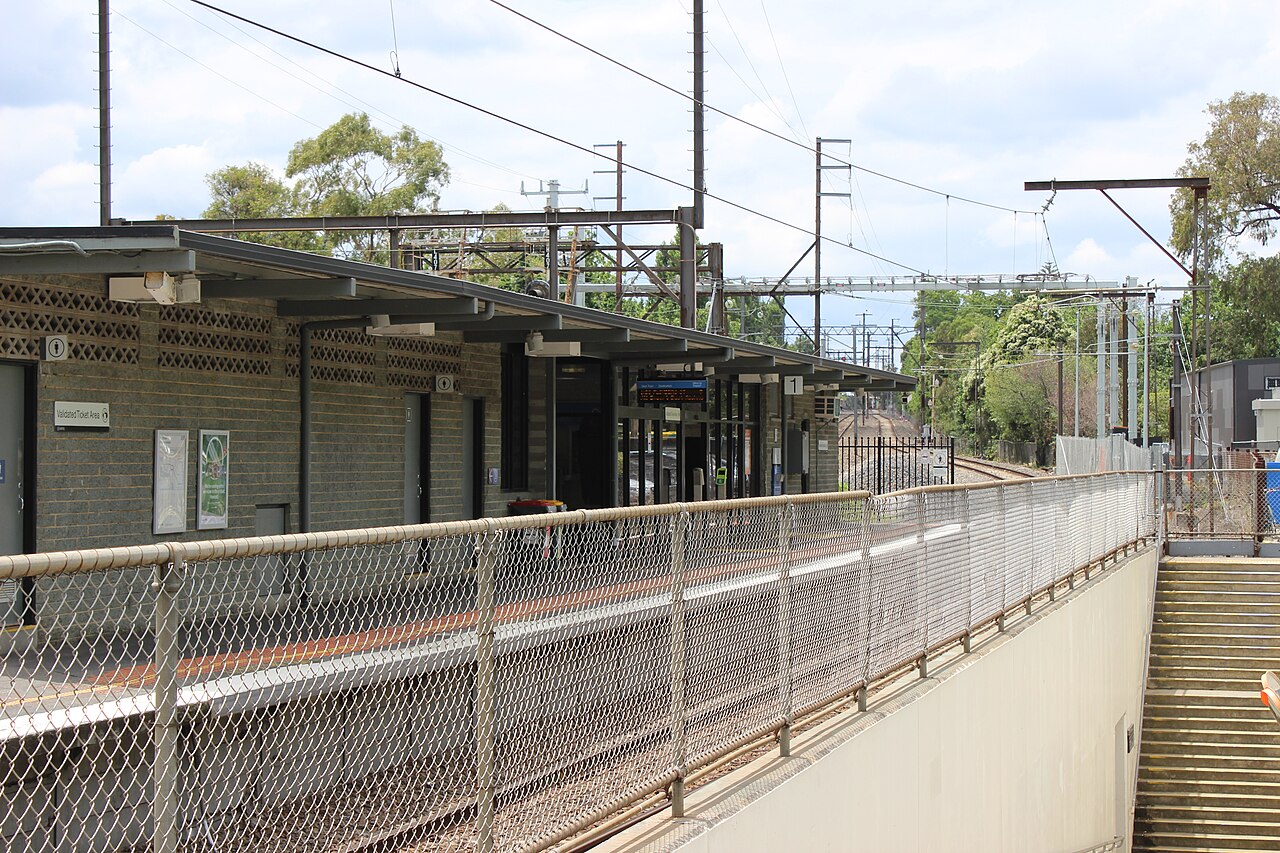
Best for: train users, apartment renters who can live car-light, and families who plan errands around off-peak windows. Skip if: you expect easy kerb parking beside Box Hill Central at lunch, school pickup, or Friday dinner. Rent pressure: high enough that many renters pay for proximity, then still discover visitor parking is the real daily argument. Commute reality: Box Hill Station is the cheat code; driving through Whitehorse Road, Station Street, and Carrington Road can feel slower than walking the final block. Food scene: excellent, but it concentrates demand into the same small grid, so restaurant runs and parking stress arrive together. Family fit: strong for services, shops, health care, and transport, weaker for calm drop-offs and spontaneous car errands. Overall score: 7/10. Box Hill works brilliantly when you treat parking as a managed resource, not an entitlement. The trap is assuming a major activity centre behaves like a quiet eastern suburb.
At-a-Glance Table
| Factor | Box Hill 2026 |
|---|---|
| LGA | Whitehorse City Council |
| Postcode | 3128 |
| Geographic tier | East |
| Region | middle-east |
| Transport grade | A |
| Overall grade | B |
Who It Suits
Priya, 41, school-notice reader — wants transport, clinics, groceries, and dinner within one planned loop. The Car-Light Apartment Renter — can use the train most weekdays and only fights parking on big errands. The Patient Food Chaser — accepts a five-minute walk if it means easier access to Station Street and Market Street meals.
Rent & Property Reality
Median 1-bedroom unit rent in Box Hill is about $465 per week, with the clearest recent public market signal pointing to roughly a 9-10% annual lift for studio and 1-bedroom unit stock. Domain currently shows 1-bedroom unit median rent at $465 per week, which is the number I would use as the live benchmark rather than relying on optimistic agent talk or stale suburb blurbs. The plain-English version: Box Hill is no longer a cheap fallback for people priced out of inner-east suburbs. It is priced like a serious activity centre with a major station, hospitals nearby, dense apartment stock, international student demand, and a very active food-and-retail core.
That $465 figure also hides a wide spread. Older walk-up apartments away from the station can sit below the headline if they are dated, have awkward layouts, lack heating/cooling upgrades, or sit on louder roads. Newer towers near Whitehorse Road, Prospect Street, Station Street, and the station precinct can move much higher, especially when they include secure parking, a study nook, good natural light, or city-facing views. The parking angle matters because a cheaper apartment without a car space can become expensive in frustration, fines, and daily planning if you actually need a car for work, family care, or weekend sport.
The YoY increase matters less as a trivia point and more as a behaviour signal. When 1-bedroom rents rise near double digits, tenants compromise faster: they accept smaller balconies, higher floors, worse visitor parking, or noisier streets just to stay near the train and shops. That creates a second pressure point for parking. More people live close to the centre, more visitors arrive for short stays, and more households try to squeeze car use into buildings and streets not designed for infinite demand.
For renters, the practical test is not only weekly rent. Ask whether the lease includes a titled car space, whether visitor bays are monitored, how deliveries enter the building, what the evening street-parking rules are, and whether the nearest paid car park has realistic night rates. In Box Hill, a $20 per week rent saving can disappear quickly if your day-to-day parking is brittle.
Local Reality & Pockets
The easiest Box Hill parking strategy is to stop aiming for the exact front door. The pressure zone is the tight centre around Box Hill Central, Box Hill Station, Whitehorse Road, Station Street, Carrington Road, Main Street, Market Street, and Prospect Street. That grid is where train commuters, medical appointments, shoppers, students, office workers, delivery riders, and dinner crowds all collide. If you are heading to China Bar at 607 Station Street or Ziyan Foods at 13 Market Street, assume the closest spaces will be contested and build in a short walk rather than orbiting the block until everyone in the car is annoyed.
For calmer access, favour the edges. Streets stepping away from the core, including Nelson Road near Nelson, Arnold Street near Mary’s Paddock, and the quieter residential pockets toward Mont Albert, Box Hill South, and Box Hill North, tend to feel less frantic, though restrictions still matter. Around Whitehorse Road, including The Penny Drop and Cafe Saporo’s end of the suburb, traffic flow can be more predictable outside peak windows, but the road itself is not gentle. Noise, tram/bus movements, and turning delays all shape the experience.
Two honest gotchas define Box Hill. First, parking supply can look fine on a map and still fail at the exact time you need it. A medical appointment, yum cha-style lunch wave, school pickup nearby, or wet-weather shopping rush can turn a five-minute errand into a paid-parking decision. Second, apartment living changes the street. Newer towers bring residents, visitors, rideshare pickups, food delivery, removalists, and parcel vans into the same kerb space. Even if you own a secure bay, your guests may not have a simple option.
If you are moving here, inspect at the time you will actually use the area. A Tuesday morning viewing will not tell you what Friday at 7 pm feels like near Station Street. If you are visiting, take the train when the plan is food or shopping close to the station. If driving is unavoidable, use a larger paid facility early, read the signs twice, and accept that walking three blocks is often faster than chasing a mythical perfect space.
Signature Craving
China Bar on Station Street is the right symbol for Box Hill parking: easy to want, not always easy to reach by car at the exact moment hunger hits. The smarter play is to park once, then treat dinner as part of a walking loop through the centre rather than a door-to-door operation. Ziyan Foods on Market Street works the same way; it is close enough to the main action that the food decision and the parking decision are basically linked. For a calmer daytime reset, Nelson on Nelson Road or Mary’s Paddock on Arnold Street gives you a better chance of pairing coffee with a less combative kerb search. The craving here is not just noodles, rice, or a pastry. It is the rare Box Hill moment when the car is already sorted and nobody has to circle Station Street again.
Comparisons Table
| Suburb | Transport | Tier | Region |
|---|---|---|---|
| Box Hill | A | East | middle-east |
| Blackburn | B+ | East | middle-east |
| Blackburn North | N/A | East | middle-east |
| Blackburn South | N/A | East | middle-east |
Trust Block
Author: Priya Sharma — Family-and-community correspondent; reads council planning notices for fun.
Data: data/melbourne_suburbs_master.json (Codex per-LGA enumeration, cross-checked vs VEC + Australia Post + ABS SA2 boundaries), data/suburb_scores.json (composite percentile grades), data/venues/.json (OpenStreetMap + Gemini-verified venue catalog).
Last reviewed: 2026-05-26. Not financial advice. We do not accept paid placements in editorial.
FAQ
Q: Is Box Hill parking actually hard in 2026? A: Yes, but it is uneven rather than impossible. The hard part is the central grid around Box Hill Central, Box Hill Station, Station Street, Whitehorse Road, Carrington Road, Market Street, and Prospect Street. That is where shoppers, commuters, students, diners, health appointments, deliveries, and apartment visitors all compete. If you arrive outside peak periods and accept a short walk, parking is manageable. If you expect free kerb parking beside your exact destination at lunch or dinner, Box Hill will feel hostile.
Q: Where should visitors try first when driving into Box Hill? A: For central errands, start with larger paid parking options near the shopping and station precinct instead of circling narrow streets. The exact best car park depends on your destination and current rates, but the principle is stable: park once near the core, then walk. If you are eating on Station Street or Market Street, do not waste ten minutes hunting for the closest kerb space. On the edges, Nelson Road and Arnold Street can feel calmer, but signs and time limits still need careful checking.
Q: Is free parking still realistic in Box Hill? A: Free parking is realistic for short, well-timed visits, not as a guaranteed plan. You may find timed street parking away from the busiest blocks, especially outside lunch, school pickup, and dinner peaks. The catch is that free spaces often sit further from the station and shops, and time limits can be strict. If your appointment might run late, paid parking can be cheaper than risking a fine. Box Hill rewards people who read signs carefully and leave buffer time.
Q: Is it better to take the train to Box Hill? A: For anything centred on Box Hill Station, Box Hill Central, Station Street, Market Street, or Whitehorse Road, the train is often the cleaner choice. It removes the two worst parts of the visit: traffic through the activity centre and the final parking search. Driving still makes sense for families with young children, mobility needs, large grocery runs, or multi-stop errands across Whitehorse. But for dinner, shopping, appointments near the station, or a quick meet-up, public transport usually wins on predictability.
Q: Which streets feel most pressured for parking? A: Station Street, Carrington Road, Market Street, Prospect Street, Main Street, and the blocks feeding Box Hill Central carry the strongest pressure. Whitehorse Road is a major movement corridor, so it adds traffic stress even where parking is technically available nearby. Around venues like China Bar, Ziyan Foods, The Penny Drop, and Cafe Saporo, the issue is not only the number of spaces. It is turnover, delivery activity, rideshare stopping, pedestrian crossings, and drivers all trying to make last-second decisions.
Q: What should renters check before signing a lease in Box Hill? A: Ask whether the apartment has a titled car space, whether the space is stacked or standard, how visitor parking works, and whether the building actively enforces visitor bays. Check street restrictions at night and on weekends, not only during the inspection. If you have two cars, do not assume the second one will be easy to store nearby. Also test the building entry for deliveries, removals, and rideshare pickup, because those small logistics become daily friction in dense Box Hill buildings.
Q: Is Box Hill parking family-friendly? A: It depends on the trip. Box Hill is excellent for combining groceries, clinics, food, and public transport, which suits families who plan ahead. It is weaker for quick, low-stress car stops with children in tow. The centre can be busy, crossings require attention, and the difference between a smooth visit and a messy one is often whether you parked in a larger facility early. Families should avoid tight timing around school pickup, dinner peaks, and wet-weather shopping rushes.
Q: Are cafe areas easier than the main shopping centre? A: Sometimes. Nelson Road near Nelson and Arnold Street near Mary’s Paddock can feel less intense than the station-facing core, especially outside weekend brunch peaks. Whitehorse Road cafes such as The Penny Drop and Cafe Saporo are accessible, but the road environment is busier and less forgiving. The mistake is assuming every cafe trip will be relaxed because it is not inside Box Hill Central. In Box Hill, even a coffee stop benefits from checking restrictions and having a fallback street.
Q: What is the honest local parking strategy? A: Treat Box Hill like a small city centre, not a suburban strip. Pick a paid or reliable parking option before you arrive, avoid the closest-space fantasy, and be willing to walk. For food trips, park once and move on foot between Station Street, Market Street, and Whitehorse Road. For appointments, add ten to fifteen minutes of buffer. For regular visits, learn two fallback streets on the edge of the core. The people most frustrated by Box Hill are usually the ones improvising at peak hour.