You want Braybrook history without the heritage-tour padding: what this place was, what changed, and why locals still argue about development. The short version is working-class roots, migration, pressure from growth, and a suburb still negotiating what gets kept.
The Verdict
Braybrook’s real story is not a cute old-buildings story; it is a community-change story. If you only take one thing from the history, take this: Braybrook was built as a practical working-class suburb, then reshaped by migration, affordability pressure, and development fights that changed the street-level feel without fully wiping out the older identity.
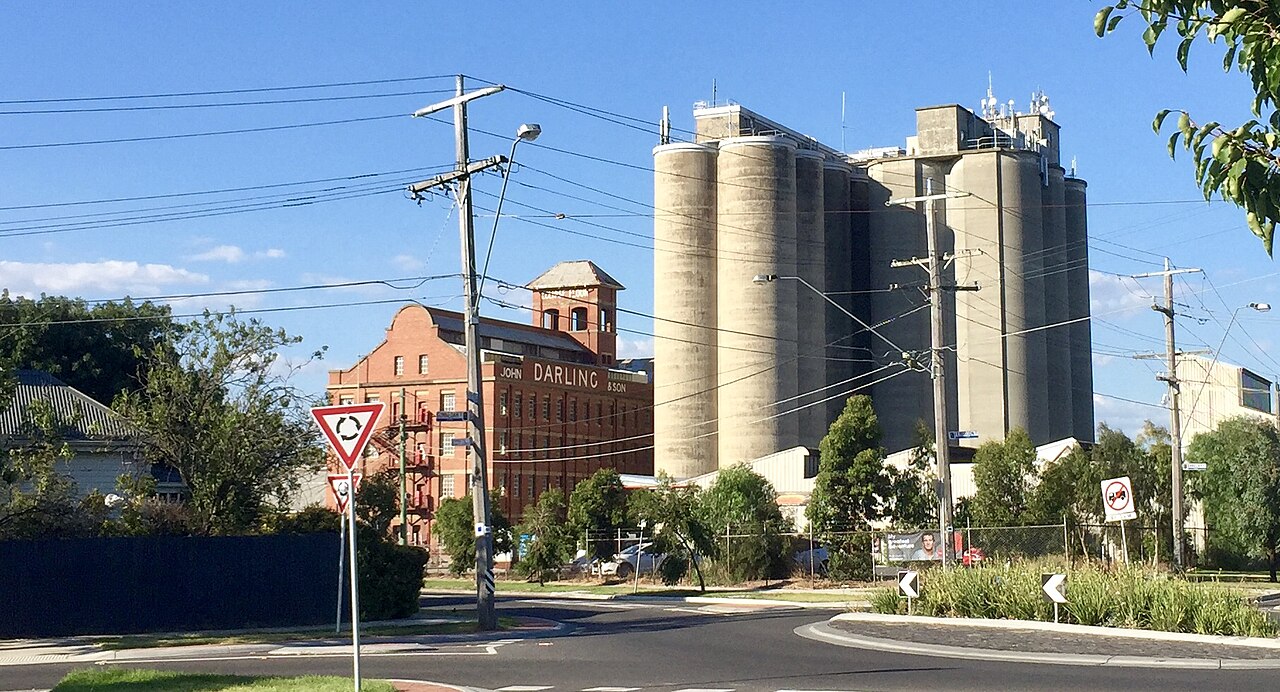
That matters because Braybrook does not read like a suburb that was carefully rebranded from scratch. Its history still shows in the street grid, the older housing stock, the shopping strip, the parks and public spaces, and the community institutions that survived in some form. For much of the 20th century, the suburb’s identity came from work, family, local clubs, church halls, pubs, milk bars, and the ordinary routines of people who knew each other because their lives overlapped. Later, migration waves brought new food, new languages, and a broader Melbourne story into the suburb. Then came the familiar pressure: cheaper rent attracted new residents, older buildings became more valuable, cafes and renovated spaces arrived, and development became the argument underneath everything.
The useful way to read Braybrook is not old versus new. It is who benefited, who had to adapt, and what parts of the suburb still feel lived-in rather than polished. Don’t buy the lazy version that says Braybrook simply improved once new investment arrived; that skips the cost paid by long-term residents, closed local businesses, and people who could no longer afford to stay.
Local Reality
Braybrook’s history is easiest to understand by looking at the contrast between the old everyday suburb and the newer development pressure around it. The older version was not built for weekend browsing or lifestyle photography. It was built around housing workers, raising families, walking to local shops, using parks, turning up at sports clubs, and knowing the same faces at the pub or church hall. That social infrastructure is the part people miss when they talk only about buildings.
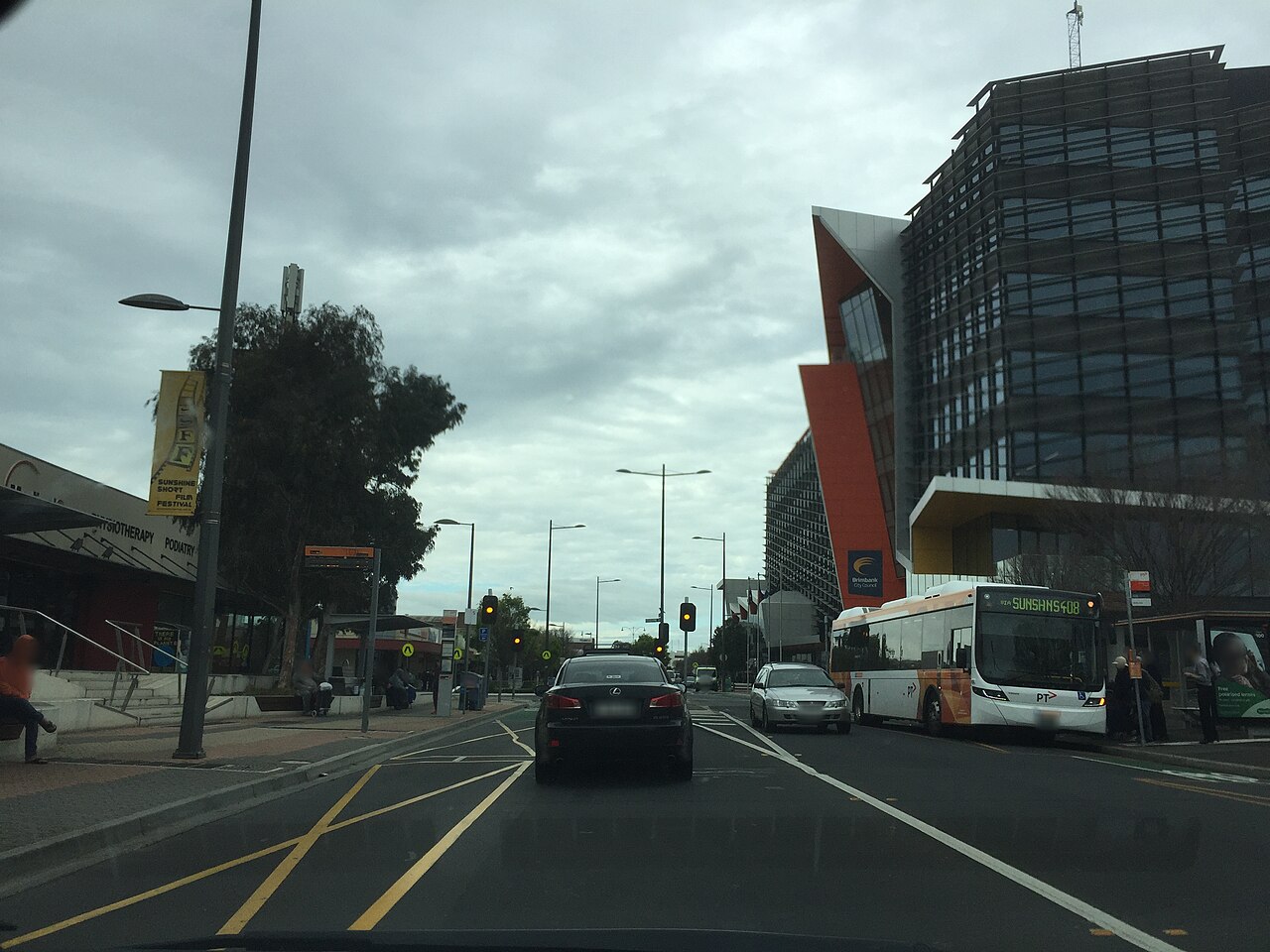
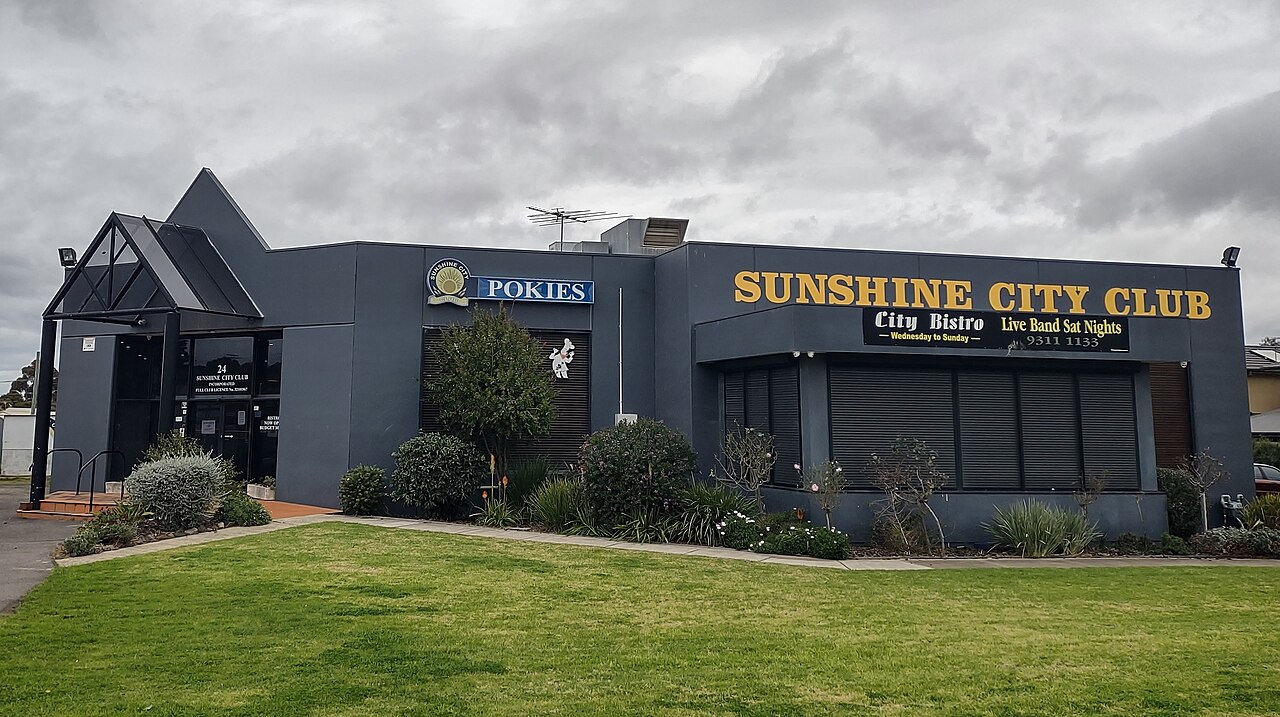
The landmarks in the story are not grand monuments. They are the shopping strip, the parks and public spaces, the older homes, the pubs, the sports clubs, the church halls, and the milk bars that once carried more of the daily load. Braybrook also sits in a west-side context where nearby Maidstone, West Footscray, Sunshine, and Tottenham shape how people read the suburb. If you are coming from Sunshine, Braybrook can feel quieter and more residential. If you are comparing it with West Footscray, it can feel less polished and less cafe-driven. If you are looking from Maidstone or Tottenham, the border between industrial memory, family streets, and new housing pressure feels pretty obvious.
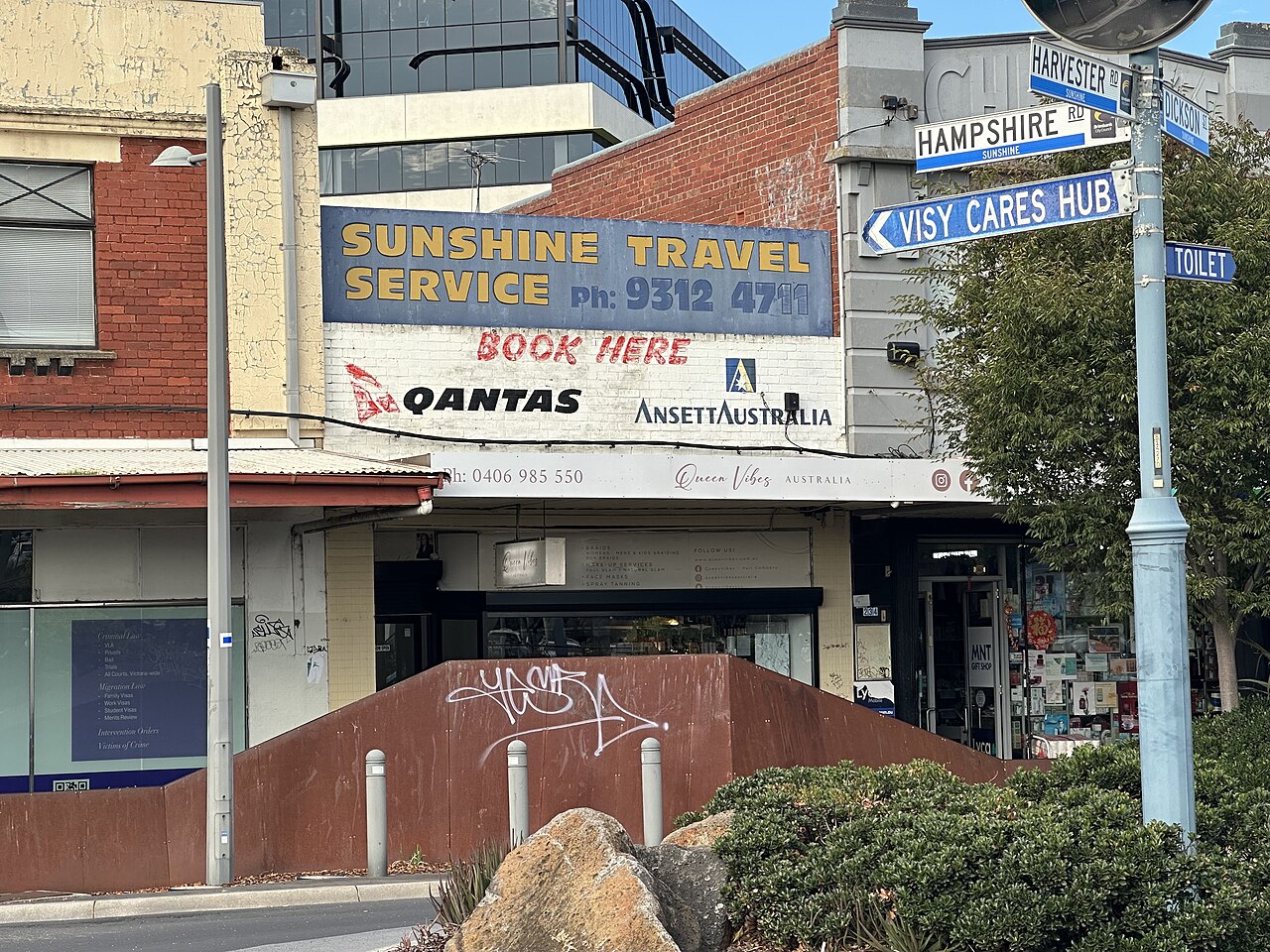
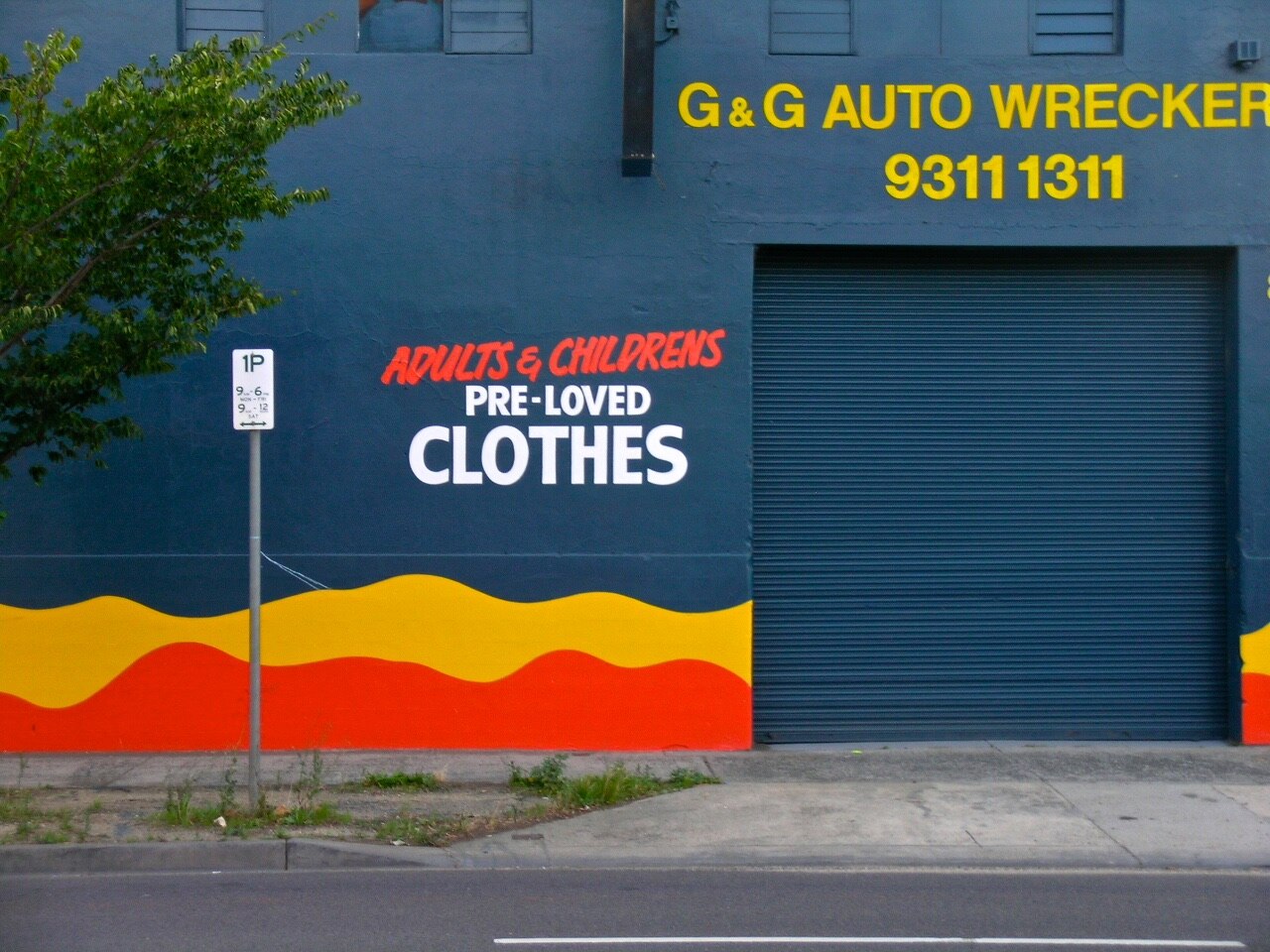
The warning is this: skip any history of Braybrook that turns gentrification into a neat upgrade story. The shift brought better food options, safer streets, infrastructure improvements, cultural energy, and higher property values for some existing owners. It also brought rent pressure, demolition, changed shopfronts, and a suburb that became harder for some people to remain in. If you are west of the older Braybrook activity areas and mostly using Sunshine day to day, you may understand the suburb more through that neighbouring orbit than through Braybrook’s own centre.
Who This Suits
If you’re a new resident, read Braybrook as a suburb with layers rather than a blank place waiting to become trendy. The older housing stock, community institutions, and practical street layout explain more about the suburb than any single new cafe or apartment project.
If you’re a long-term local, the honest frame is that the frustration is not nostalgia for no reason. Losing affordable shops, old meeting places, and familiar businesses is a real historical loss, especially when the people who carried the suburb through its working years are not always the people who benefit most from rising values.
If you’re a buyer, Braybrook’s history tells you why demand keeps building: it has established residential bones, west-side connectivity, proximity to better-known neighbours, and enough remaining character to make development attractive. But the same pressure that makes it appealing also changes the thing people say they like.
If you’re a renter, the key issue is not charm; it is whether Braybrook remains affordable enough to stay in. The suburb’s history has already shown what happens when cheap rent draws new interest, the market notices, and the local balance changes street by street.
If you’re comparing nearby suburbs, pick Braybrook for the layered, still-evolving version of the west. Pick West Footscray if you want a clearer cafe-and-restaurant identity. Pick Sunshine if you want a bigger centre and stronger daily-service gravity. Pick Maidstone or Tottenham if your routine pulls you that way.
Cost expectations depend on which side of the suburb’s history you are standing on. Existing owners may see higher property values as the reward for patience. New buyers and renters feel the same history as rising entry costs. The cheap-rent chapter is not gone everywhere, but it is no longer the whole story.
Time matters too. Braybrook’s next decade will probably bring more density, more development, and more pressure on public spaces and transport. The question is not whether it changes. It will. The question is whether the suburb keeps enough of its older social infrastructure to stay recognisably Braybrook.
What to Do Next
Walk the shopping strip, parks, and older residential streets before judging Braybrook from a listing or a development headline. Then read the current Braybrook suburb guide to see how the history shows up in daily life now.