
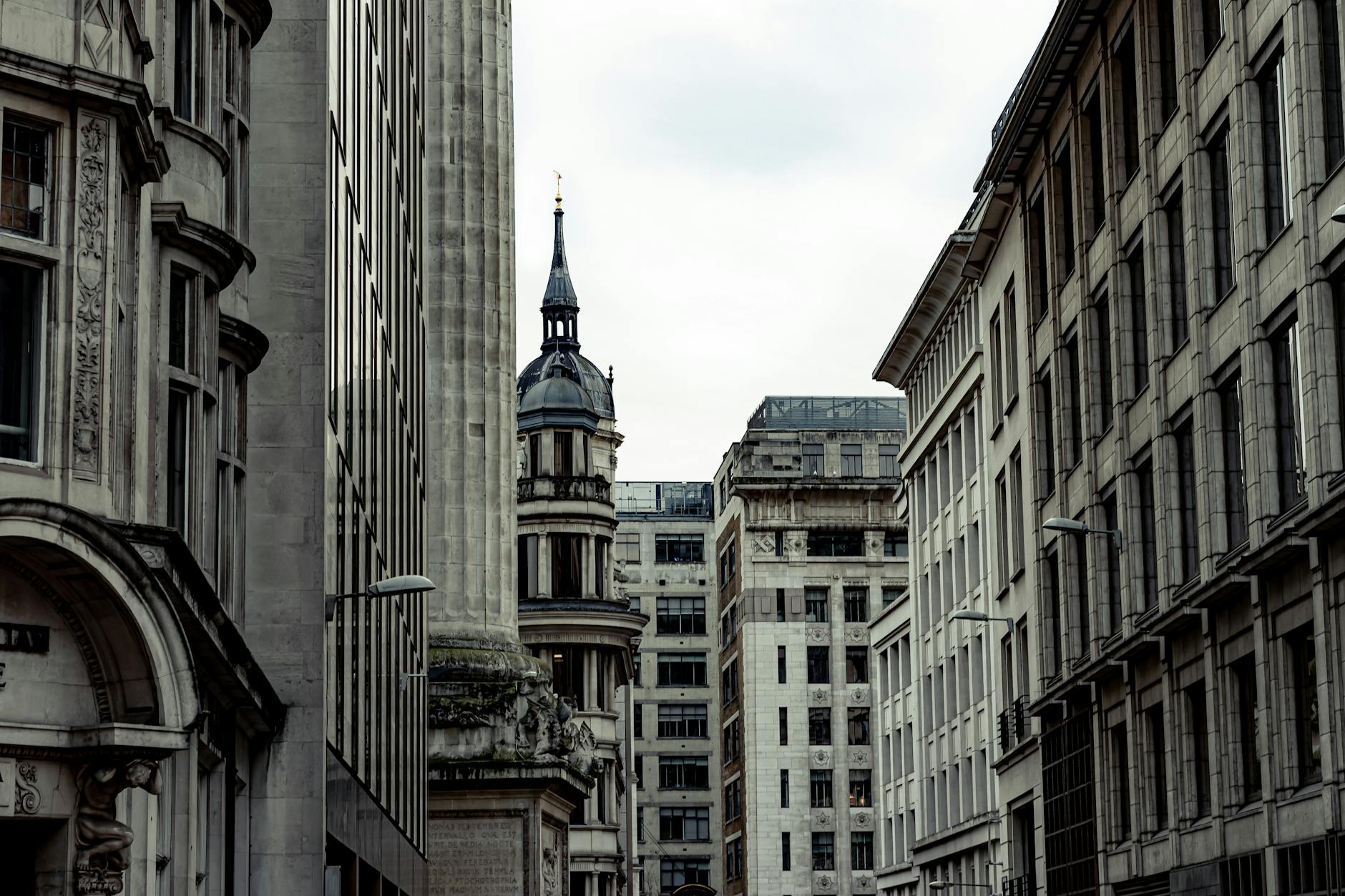
Everyone knows the bathing boxes. Everyone has walked Church Street. But Brighton has layers that most visitors — and even some residents — never discover. These are the spots that do not advertise, do not have social media strategies, and rely entirely on word of mouth and repeat customers.
Beyond Dendy Street Beach
The bathing boxes at Dendy Street Beach get all the attention, but Brighton’s coastline extends further than most people explore. The foreshore walk heading south toward Hampton is quieter, prettier in its own way, and offers the kind of bay views that make you forget you are 11km from the CBD. Early mornings here — before 7am — you will share the path with dog walkers and serious runners. Nobody else.
The stretch of beach north of the bathing boxes, closer to Middle Brighton Baths, has a different character entirely. Less photogenic, more functional, and where locals actually swim rather than pose.
The Back Streets Off Church Street
Walk one or two blocks east of Church Street and Brighton transforms. The residential streets between Church Street and Nepean Highway have their own quiet ecosystem:
The cafe with no signage — Just a door, maybe a sandwich board. Inside, possibly the best flat white in the suburb. Locals treat it like their living room and will not thank you for publicising it.
The greengrocer and butcher — Church Street still has independent food shops that survive because Brighton locals are fiercely loyal. The greengrocer has been there longer than some residents have been alive. The quality is better than supermarket, and the chat is free.
The florist — Operating for decades on Church Street, surviving on a combination of loyalty, quality, and the fact that Brighton residents actually walk to the shops and impulse-buy flowers.
Martin Street and the Quiet Pockets
Martin Street does not get the attention of Church Street or Bay Street, but it has its own low-key appeal. The residential streets around Martin Street are some of Brighton’s leafiest — the kind of tree-lined blocks that make you understand why people pay $2.8 million to live here. Walking these streets on a Saturday morning is its own form of entertainment.
The Heritage Trail
Brighton’s history as a seaside retreat for Victorian-era Melburnians left behind architecture worth noticing. Heritage homes with original features sit alongside contemporary builds, and if you look up from your phone, the streetscape tells the suburb’s story. The older homes around Middle Brighton station and along the streets between Church Street and the beach are particularly worth a slow walk.
The Parks Nobody Mentions
Brighton’s main parks get foot traffic, but the pocket parks — small green spaces tucked between residential streets — are where you find morning sun and no crowds. Perfect for lunch, reading, or just sitting. The City of Bayside maintains them well, and they are some of the suburb’s most underrated assets.
The Bay Street After-Hours
Bay Street has a personality that shifts with the time of day. The daytime strip is shopping and cafes. But in the early evening, particularly on weeknights, it takes on a quieter character — the bars open up, the restaurants start seating, and the sunset light catches the bay in a way that Church Street cannot offer. If you only ever visit Bay Street during Saturday shopping hours, you are missing the better version.
How to Find Your Own Hidden Gems
- Walk without a destination — wander the streets between Church Street and the beach. The grid will always get you back
- Talk to the people who have been here longest — the 15-year resident knows things Google does not
- Go at different times — Church Street at 7am is completely different to Church Street at 7pm
- Follow the locals — if someone is walking confidently into a nondescript door, follow them
- Catch the train to a different Brighton station — most people only use one. Try arriving at Middle Brighton or North Brighton instead and walk from there
FAQ
What is Brighton known for besides the bathing boxes? Church Street shopping, excellent schools (Brighton Grammar, Firbank Grammar), the foreshore walk, leafy residential streets, and a village community feel that is rare at this price point.
Is Brighton worth visiting beyond the bathing boxes? Absolutely. The bathing boxes are a 15-minute photo stop. Brighton’s real value is the Church Street strip, the foreshore walk, Bay Street dining, and the quiet residential beauty of its back streets.
What is the best time to visit Brighton? Weekday mornings for Church Street cafes without crowds. Early mornings for the foreshore walk. Weeknight evenings for Bay Street dining. Summer for the beach. Autumn for the leafy streets at their most photogenic.
The Verdict
Brighton rewards the curious. The bathing boxes and Church Street are the public face, but the suburb’s real character lives in the back streets, the quiet coastal stretches, the heritage architecture, and the independent shops that have survived because the community cares enough to keep them alive. Put your phone away, walk a street you have never walked before, and let Brighton reveal itself.
More on Brighton: Brighton Suburb Guide | Brighton History | Brighton Honest Guide
Explore More of Brighton
- Brighton History
- Brighton Rent Guide
- Brighton Things To Do
- Brighton Cost of Living
- Brighton Young Professionals Guide
- Brighton Nightlife Guide
- Brighton Transport Guide
- Brighton Brighton For Retirees
💬 Discussion
Join the conversation — no account needed