
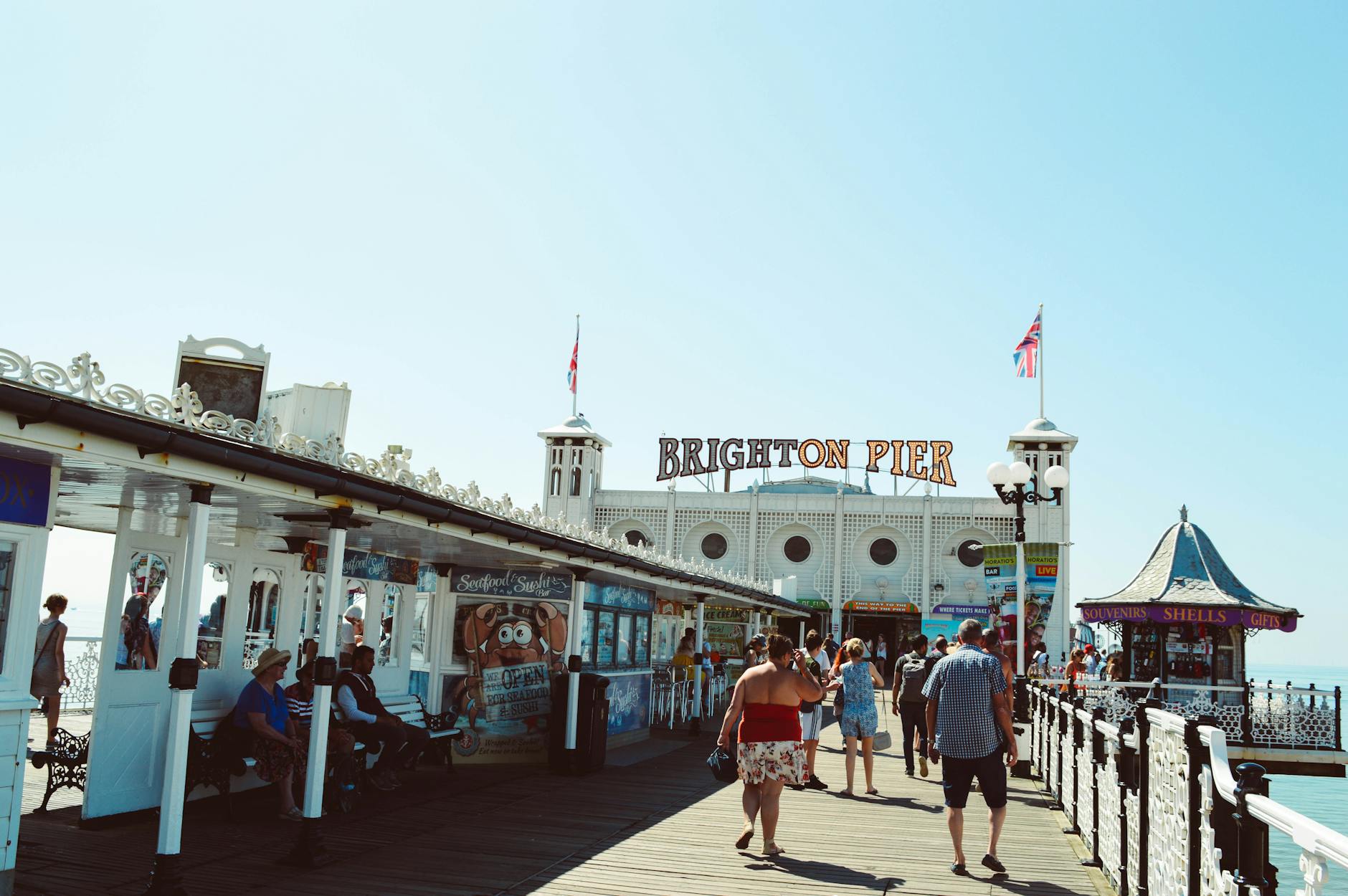
Buying in Brighton is a significant financial decision — median house prices sit around $2.8 million and units around $850,000 (early 2026, REIV data). Here is the reality of the market, not a sales pitch.
See our Brighton Cost of Living guide for the broader picture.
What the Money Gets You
Brighton’s housing stock spans a wide range, and what you pay depends heavily on position within the suburb:
Premium tier (beachside): The streets closest to Dendy Street Beach, the bathing boxes, and the esplanade command the highest prices. Bay views and beach access push prices well above the median. Heritage homes in this pocket are Brighton’s most expensive properties.
Church Street proximity: Properties within walking distance of Church Street — the main shopping strip — hold a premium for walkability. This is where the “village lifestyle” argument actually makes sense.
Bay Street corridor: The streets around Bay Street offer a different flavour — slightly more contemporary, closer to the nightlife (such as it is), and generally well-connected.
Inland/East: Move toward Nepean Highway and the border with Brighton East and prices drop noticeably — 15-20% in some cases — while keeping you within walking distance of Church Street and the train stations.
Property Types
Apartments — The entry point for most first-time buyers in Brighton. Starting around $500K for a studio, $700K+ for a 1-bed, $850K+ for a 2-bed. Quality varies enormously — inspect thoroughly and understand body corporate fees.
Townhouses — Middle ground between apartments and houses. Better for families, usually newer construction, small outdoor space. $1.2M-1.8M range.
Freestanding Houses — The premium end. Older Victorian and Edwardian stock dominates, many renovated or extended. Land value drives the price. $2.5M-4M+ depending on position and condition.
Heritage Properties — Brighton has character homes that attract renovation-minded buyers. These can be money pits or goldmines depending on your skill and budget.
Who Is Buying in Brighton?
- Families targeting Brighton Grammar, Firbank Grammar, Haileybury, or Brighton Primary — the schools drive a huge proportion of purchasing decisions
- Upgraders moving from apartments to townhouses or houses within the suburb
- Downsizers selling larger homes in Toorak or Malvern and pocketing the difference
- Investors seeking rental yield in a high-demand suburb (vacancy rates are consistently low)
- Renovators targeting older homes on larger blocks with potential
Auction Day Reality
Melbourne runs on auctions, and Brighton Saturdays are their own spectacle. Well-dressed crowds gather on footpaths outside Church Street properties with varying levels of poker face.
Tips for auction success:
- Set a hard limit before auction day. Do not go past it. Brighton FOMO is real and expensive.
- Attend several Brighton auctions as an observer before bidding for real — the culture here has its own rhythm.
- Have finance pre-approved, unconditional if possible.
- Get a building inspection done before auction — you cannot make it conditional after.
- Understand the reserve price system — the vendor sets a minimum, and in Brighton it may not reflect market reality.
Common Mistakes Buyers Make in Brighton
- Falling in love with the postcode — buying in Brighton for the name when neighbouring Hampton or Brighton East would serve you better at 20% less
- Underestimating renovation costs — Brighton’s older homes hide expensive problems behind beautiful facades
- Ignoring body corporate fees — for apartments, these add $3K-8K+ annually to your costs
- Buying on Nepean Highway — cheaper for a reason (noise, re-sale difficulty)
- Not researching City of Bayside development plans — check council plans for nearby construction before committing
FAQ
What is the median house price in Brighton? Approximately $2.8 million as of early 2026 (REIV data). Units sit around $850,000. These are medians — actual prices vary significantly by position within the suburb.
Is Brighton a good investment? Brighton’s long-term track record is solid — the suburb’s fundamentals (beach, schools, transport, community) underpin consistent demand. Short-term fluctuations happen, but the long view is positive.
Should I buy in Brighton or Brighton East? Brighton East offers similar school access at a lower price point (~$2.1M median). If beach proximity and the Church Street village are your priorities, Brighton proper wins. If budget matters more, Brighton East is the smart alternative.
The Verdict
Buying in Brighton makes sense if the suburb’s lifestyle aligns with your life and budget. The schools, the beach, the three Sandringham line train stations, Church Street, and the community all justify the premium for the right buyer. But do not buy here just because it is prestigious — buy because you want to live here, or because the rental fundamentals support an investment.
Do your research, know your numbers, and do not let auction-day pressure override your financial limits.
More on Brighton: Brighton Suburb Guide | Renting in Brighton | Brighton for Families
💬 Discussion
Join the conversation — no account needed