
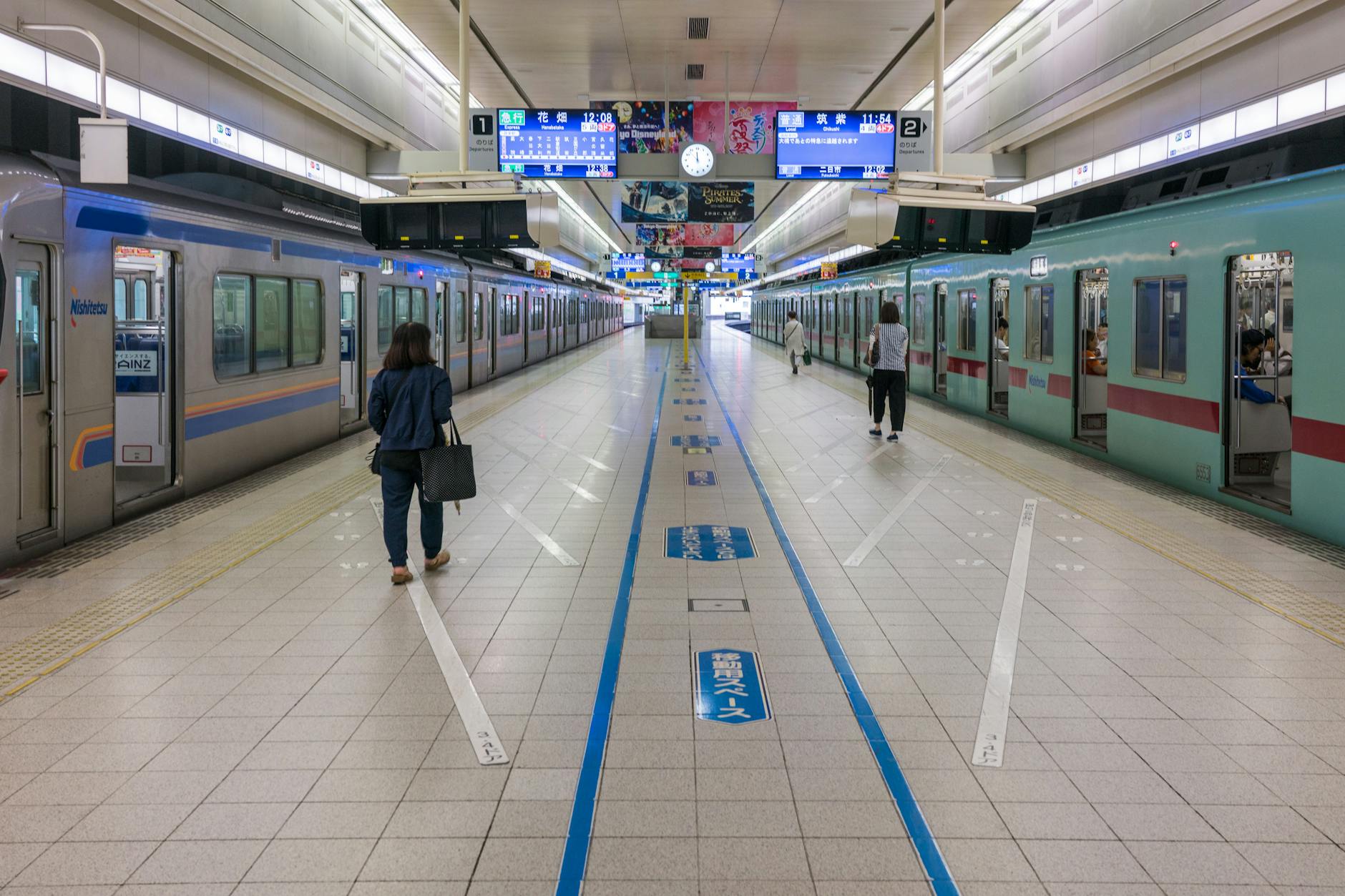
Brighton’s transport is better than its reputation suggests. Three Sandringham line train stations, bus routes for east-west travel, and the Bay Trail for cycling make this suburb genuinely workable without a car — though having one still helps for some errands.
Transport Scorecard
| Mode | Available | Quality | Notes |
|---|---|---|---|
| Train | 3 stations | Good | Brighton Beach, Middle Brighton, North Brighton (Sandringham line) |
| Bus | Multiple routes | Average | Covers east-west travel, less frequent than trains |
| Cycling | Bay Trail + roads | Good | Flat terrain, bay views, dedicated path |
| Driving | Standard | Manageable | Street parking available, permits in some areas |
| Walking | Excellent | High | Church Street, Bay Street, foreshore all walkable |
The Three Train Stations
Brighton is unusually well-served by rail for a bayside suburb. Three stations on the Sandringham line means most of the suburb is within a 10-minute walk of a platform:
Brighton Beach station — The southernmost station, closest to Dendy Street Beach and the bathing boxes. Direct to Flinders Street in approximately 28 minutes during peak.
Middle Brighton station — Central position, good access to Church Street shopping and the residential heart of the suburb. Direct to Flinders Street in approximately 25 minutes during peak.
North Brighton station — The closest to Elwood and the northern end of the suburb. Direct to Flinders Street in approximately 22 minutes during peak.
Peak frequency: Trains run every 10-15 minutes during morning and evening peak. Off-peak: Every 20 minutes. Less frequent on weekends but still usable.
Getting to the CBD
From Brighton to the CBD: 22-28 minutes by train depending on which station you use. This is one of Brighton’s genuine advantages — the commute is shorter than many people assume for a suburb 11km from the city.
By car: 25-40 minutes depending on traffic and route. Beach Road is scenic but slow. Nepean Highway is faster but a gauntlet of traffic lights. Driving to the CBD during peak is frustrating — take the train.
By bike: The Bay Trail runs along the coast from Brighton into the city via St Kilda and Port Melbourne. Flat terrain, dedicated path, and bay views make this one of Melbourne’s best cycling commutes. Allow 35-45 minutes depending on fitness and which part of Brighton you start from.
Bus Routes
Buses fill the east-west gaps that the north-south Sandringham line does not cover. Routes connect Brighton to neighbouring suburbs including Brighton East, Caulfield, and the wider Bayside area. Frequency is lower than trains — every 20-30 minutes on most routes — but they are useful for reaching destinations the train does not serve.
Cycling
Brighton is one of Melbourne’s better cycling suburbs. The Bay Trail is the centrepiece — a dedicated path running along the coast that connects to Hampton, Sandringham, Elwood, St Kilda, and the CBD. The terrain is flat, which helps.
Road cycling on Beach Road is a Melbourne institution — weekend riders in lycra are part of Brighton’s visual identity. Separated bike lanes exist on some routes, shared lanes on others. Helmet law applies (this is Australia).
For daily errands, cycling between Church Street, Bay Street, and the train stations is quick and practical.
Driving and Parking
Most Brighton houses have driveways or garages, which makes car ownership straightforward. Street parking is available but tightens near Church Street and Bay Street during shopping hours and Saturday mornings.
City of Bayside parking permits run $50-150 per year in permit zones. Check the specific street before signing a lease — some areas are more restricted than others.
The Nepean Highway provides the main north-south road connection. Church Street and Bay Street are the main east-west routes within the suburb.
Do You Need a Car in Brighton?
For commuting: No. Three train stations and the Bay Trail cycling path mean you can get to the CBD efficiently without a car.
For daily life: Probably not. Church Street, Bay Street, and the supermarkets are walkable from most of the suburb. The train covers most destination needs.
For weekends and errands: Having a car helps. Trips to Chadstone, IKEA, or suburban destinations outside the train network are easier by car. Weekend beach trips further down the peninsula benefit from driving.
The honest answer: Most Brighton residents have a car, but many could manage without one. If budget is a factor, Brighton is one of the bayside suburbs where going car-free is genuinely viable.
FAQ
How long does it take to get from Brighton to the CBD? 22-28 minutes by train on the Sandringham line, depending on which of the three stations you use. 35-45 minutes by bike via the Bay Trail. 25-40 minutes by car depending on traffic.
Does Brighton have a train station? Yes — three of them. Brighton Beach, Middle Brighton, and North Brighton, all on the Sandringham line to Flinders Street.
Is Brighton good for cycling? Yes. The Bay Trail runs along the coast through Brighton, providing a dedicated cycling path to the CBD and neighbouring suburbs. Flat terrain and bay views make it one of Melbourne’s best cycling corridors.
The Verdict
Brighton’s transport scores higher than most people expect. Three Sandringham line stations within the suburb is a genuine advantage — most of Brighton is within a 10-minute walk of a platform, and the CBD commute of 22-28 minutes competes with inner-city suburbs. Add the Bay Trail for cycling, bus routes for east-west travel, and walkable main strips on Church Street and Bay Street, and Brighton delivers solid transport for a suburb 11km from the city.
More on Brighton: Brighton Suburb Guide | Cost of Living in Brighton | Brighton Honest Guide
Explore More of Brighton
- Brighton History
- Brighton Rent Guide
- Brighton Things To Do
- Brighton Cost of Living
- Brighton Young Professionals Guide
- Brighton Nightlife Guide
- Brighton Brighton For Retirees
- Brighton Best Cafes
💬 Discussion
Join the conversation — no account needed