You moved through Broadmeadows and wondered why it feels layered instead of polished. This is the suburb’s backstory in plain English: working-class roots, migration, community institutions, what changed, what got better, and what locals still have reason to miss.
The Verdict
Broadmeadows’ real story is immigration and working-class community, not a neat before-and-after suburb glow-up. If you only take one thing from its history, take this: Broadmeadows was built by ordinary families who needed affordable housing, transport access, local shops, sports clubs, church halls, and neighbours who actually knew each other. The suburb’s identity came less from postcard architecture and more from the social infrastructure around it. The street grid, older housing stock, parks, public spaces, and shopping strip all point to a place designed for practical life rather than lifestyle branding.
That matters because Broadmeadows is easy to misunderstand from the outside. Like much of Melbourne beyond the inner suburbs, its history sits inside the bigger story of a city pushing outward from the Yarra in waves. Workers needed homes. Families needed space. New arrivals needed a place to land. Migration brought new languages, food, expectations, and community networks, and Broadmeadows absorbed those changes in a way that still shapes the suburb now. Don’t read it as a simple gentrification tale where cafes arrive and everything magically improves. You’ll regret that take. It flattens the people, the institutions, and the losses that made Broadmeadows what it is.
Local Reality
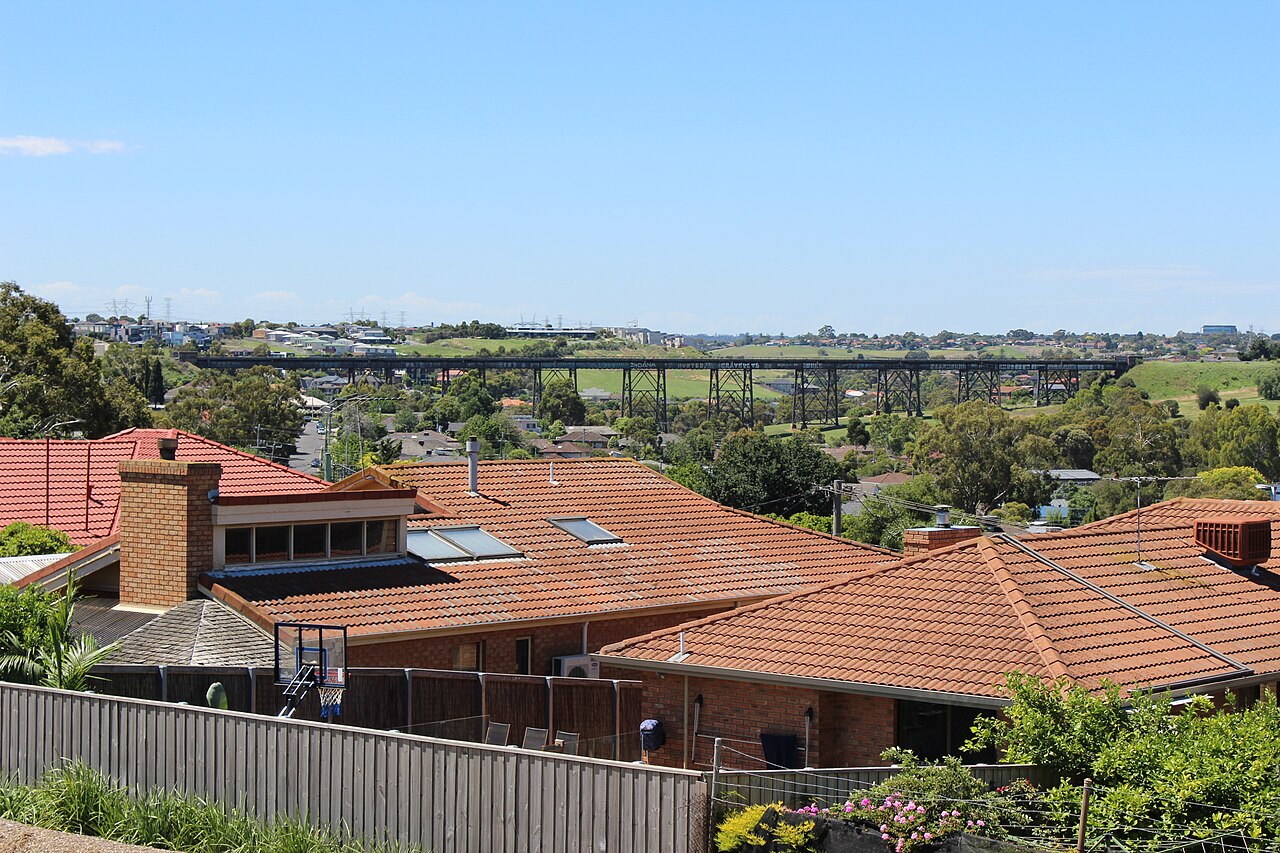
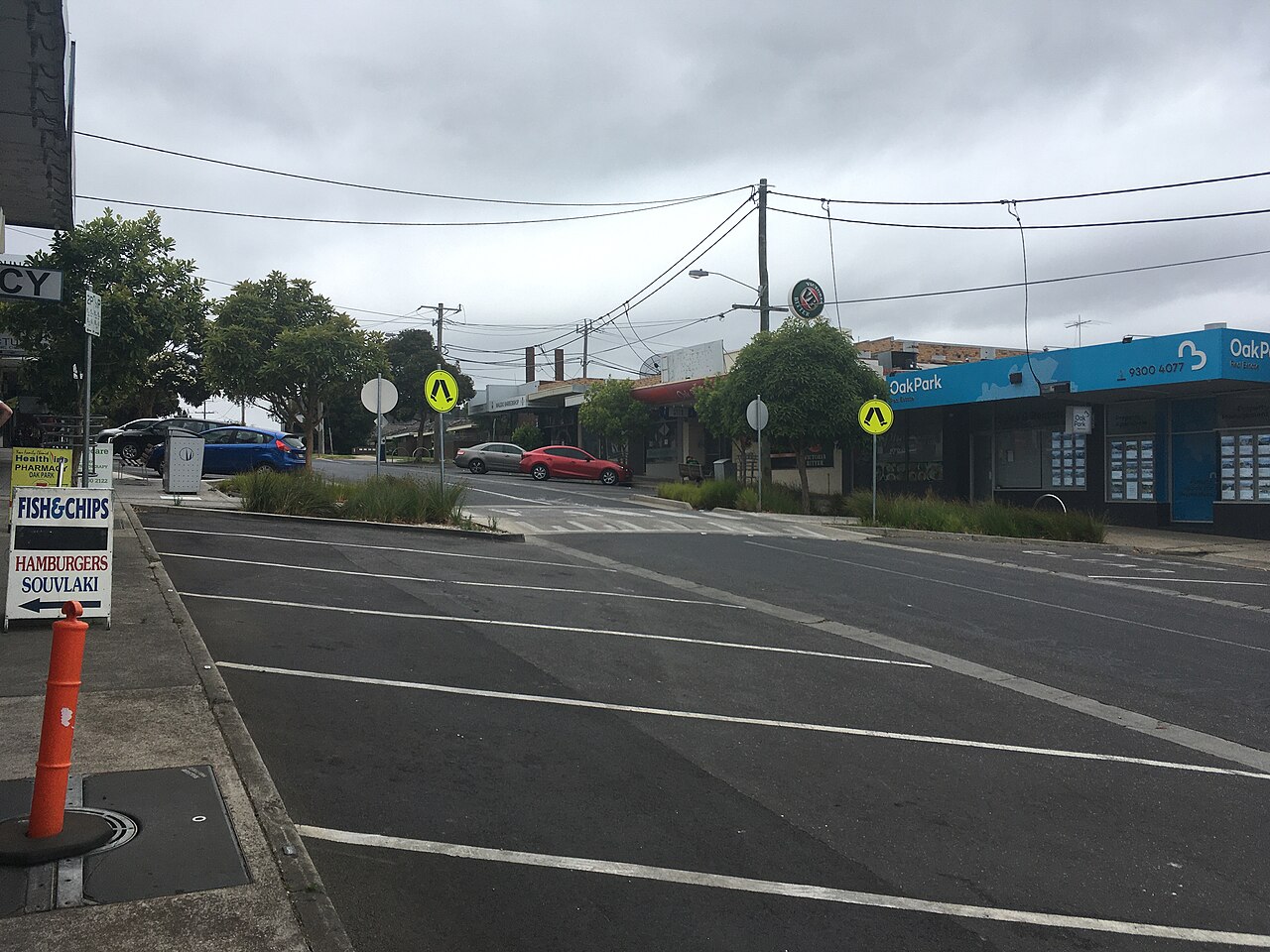
What it’s actually like is a suburb where the old and new sit next to each other without pretending to be seamless. You can still read the history in the bones of the place: the housing stock, the way the shopping strip works, the position of parks and public spaces, and the community buildings that have survived in some form. Broadmeadows does not have the carefully staged feel of a suburb trying to sell you a lifestyle. It has the feel of somewhere that has been used, adapted, argued over, and lived in for decades.
The recognisable markers are not just Broadmeadows itself, but the suburbs around it: Glenroy, Campbellfield, Jacana, and Dallas. Those names matter because Broadmeadows’ story is not isolated. It belongs to a northern Melbourne corridor where affordability, migration, industry, and family life have long overlapped. The Yarra may be where Melbourne’s outward growth story begins, but places like Broadmeadows show what that growth actually produced on the ground: practical streets, local institutions, and communities shaped by work as much as aspiration.
Skip this history if you are looking for a tidy heritage walk with a preserved village feel. That is not the point here. The stronger read is social history: who lived here, what held the suburb together, what changed when investment arrived, and who paid the price when rents and expectations shifted. If you are west of the suburb’s old community rhythm and mainly comparing it to Glenroy or Campbellfield, those neighbouring stories will tell you different versions of the same northern Melbourne pressure.
Who This Suits
If you’re a new resident, read Broadmeadows as a suburb with memory, not just a place to optimise for commute and rent. If you’re a long-term local, the important frame is not whether the suburb improved, but what was gained and what was lost. If you’re a buyer, treat the older homes, street layout, and local institutions as evidence of depth, not just renovation potential. If you’re comparing nearby suburbs, use Glenroy, Campbellfield, Jacana, and Dallas as reference points rather than assuming Broadmeadows can be judged in isolation.
Cost expectations are part of the history. Broadmeadows was shaped by affordability, and the pressure around that affordability is central to its modern tension. Higher property values can be a win for existing owners, but they also change who gets to stay, what shops survive, and how local culture feels. Better food options, infrastructure, safer streets, and more things to do are real gains. So are the losses: affordable shops, familiar buildings, and the unpolished character of a suburb that was not built for Instagram.
Time of day changes the read. In the middle of a weekday, Broadmeadows can feel practical and work-oriented: shops, errands, buses of people moving through. In the evening or on weekends, the community layer is easier to notice around local clubs, family routines, and the places people return to because they have always returned there. Season matters less than development cycle. In ten years, Broadmeadows will look different again. The question is whether growth keeps the suburb’s community memory visible, or replaces it with something easier to market and harder to belong to.
What to Do Next
Walk Broadmeadows for its layers, not its polish: older streets, public spaces, shops, and the edges toward Glenroy or Campbellfield. Then read the Broadmeadows suburb guide for the current picture before you judge the place.