
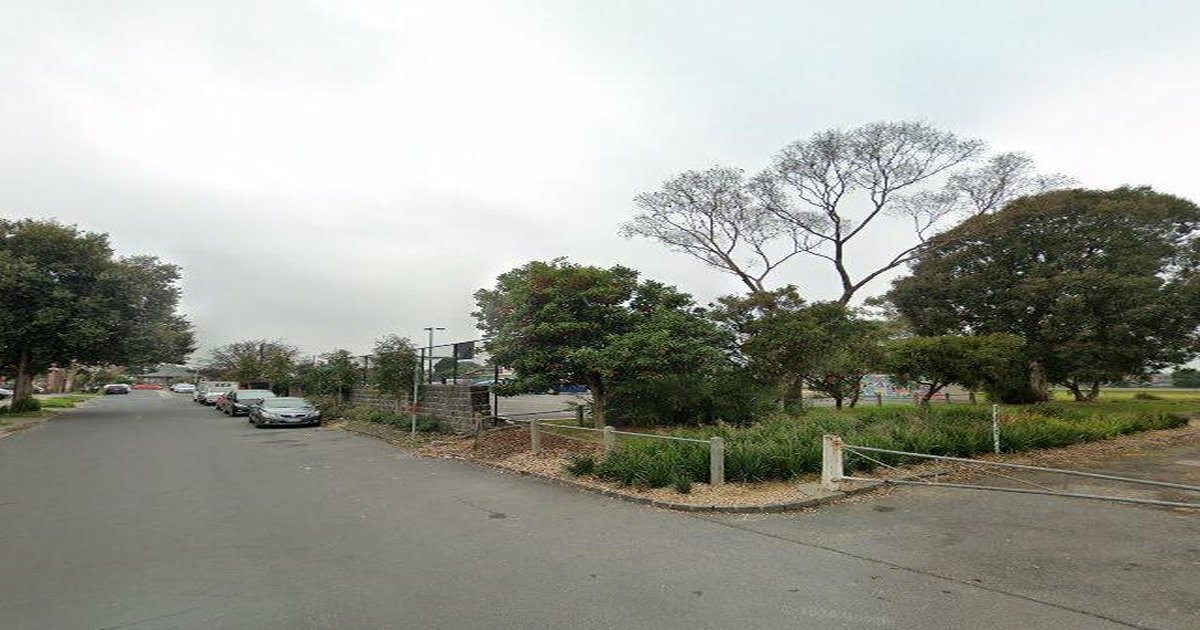
Brunswick East’s history explains why Lygon Street feels different from Carlton’s end — less touristy, more independent, and deeply tied to the working-class and migrant communities that built it.
The Working-Class Origins
Before the cafe culture, Brunswick East was a working suburb. The street grid was laid out in the 19th century to house workers serving Melbourne’s expanding industries. The housing stock — Victorian cottages, Edwardian terraces, and post-war brick flats — reflects decades of successive building booms.
The Lomond Hotel on Nicholson Street has been operating since 1888, making it one of Melbourne’s oldest continuously operating pubs. It’s survived temperance movements, world wars, and gentrification — and it’s still here.
Migration and Lygon Street
Italian migration in the 1950s and 60s shaped Lygon Street’s character. The Italian community established delis, espresso bars, and restaurants that still exist in various forms. As Lygon Street’s Carlton end became increasingly touristy, the Brunswick East stretch retained its neighbourhood character.
Later migration waves — Greek, Vietnamese, Ethiopian, Lebanese — added layers of cultural diversity. Addis Abeba on Lygon Street represents the Ethiopian community that has been part of Brunswick East for decades.
The Cafe Revolution
Brunswick East’s transformation into a cafe suburb happened gradually through the 2000s and 2010s. Pope Joan was an early pioneer — proving that serious food could work in what was then an unfashionable stretch of Lygon Street. Other operators followed, attracted by lower rents than Fitzroy or Carlton.
CERES Community Environment Park opened in 1982 as a sustainability education centre on former industrial land along the Merri Creek. It’s grown into one of Melbourne’s most important community spaces — and a major reason families choose Brunswick East.
Where Brunswick East Is Heading
The suburb continues to attract new hospitality venues (Etta, Daphne) alongside long-established operators. The Merri Creek corridor is being revegetated. Housing density is increasing through apartment development along the main strips. The fundamental character — creative, independent, community-minded — appears stable.
FAQ
When did Brunswick East become a cafe suburb? The transition happened gradually through the 2000s-2010s. Pope Joan was a key early mover.
What’s CERES and why does it matter? CERES (Centre for Education and Research in Environmental Strategies) opened in 1982 on former industrial land. It’s now a community park, organic market, and sustainability education centre.
How old is the Lomond Hotel? It’s been operating since 1888, making it one of Melbourne’s oldest pubs.
The Verdict
Brunswick East’s history gives it authenticity that newer suburbs can’t manufacture. The working-class foundations, the migrant contributions, the gradual cafe revolution — these layers are visible on every block. Walk Lygon Street from Albert Street to Glenlyon Road and you’re walking through decades of Melbourne’s story.
More Brunswick East: Brunswick East Neighbourhood Guide · Brunswick East Honest Guide · Brunswick East Suburb Guide
Explore More of Brunswick East
- Brunswick East Things To Do This Weekend
- Brunswick East Cheap Eats
- Brunswick East Rent Guide
- Brunswick East Date Night Guide
- Brunswick East New Openings
- Brunswick East Things To Do
- Brunswick East Rent Report
- Brunswick East Cost of Living
💬 Discussion
Join the conversation — no account needed