You moved into Cairnlea and the streets feel newer than the suburb’s story. The short version: this place is not one neat origin tale, but a suburb rebuilt in layers, from agricultural land to family housing to the changing west you see now.
The Verdict
The winner is Cairnlea’s reinvention story: read it as a suburb shaped by repeated resets, not as a place with one frozen heritage identity. The clearest through-line is land use. Cairnlea began as agricultural land and market gardens, then shifted into a suburb built around homes, families, and the practical needs of a growing Melbourne. That matters because the suburb’s history is less about postcard buildings and more about how Melbourne kept pushing outward from the Yarra when it needed more space.
The second thing to understand is that Cairnlea’s identity came from working life before it came from lifestyle language. The old social infrastructure was simple: sports clubs, church halls, pubs, local shops, and neighbours who actually knew each other because their routines overlapped. Later migration waves added new languages, food habits, families, and community energy. The obvious lazy take is to call the newer version an upgrade because there are better amenities and higher property values. That misses the point. Growth brought safer streets, improved infrastructure, more diverse things to do, and stronger demand, but it also priced some people out and erased pieces of the old suburb. Don’t treat Cairnlea like a blank new estate with no memory; you’ll miss the whole story.
Local Reality
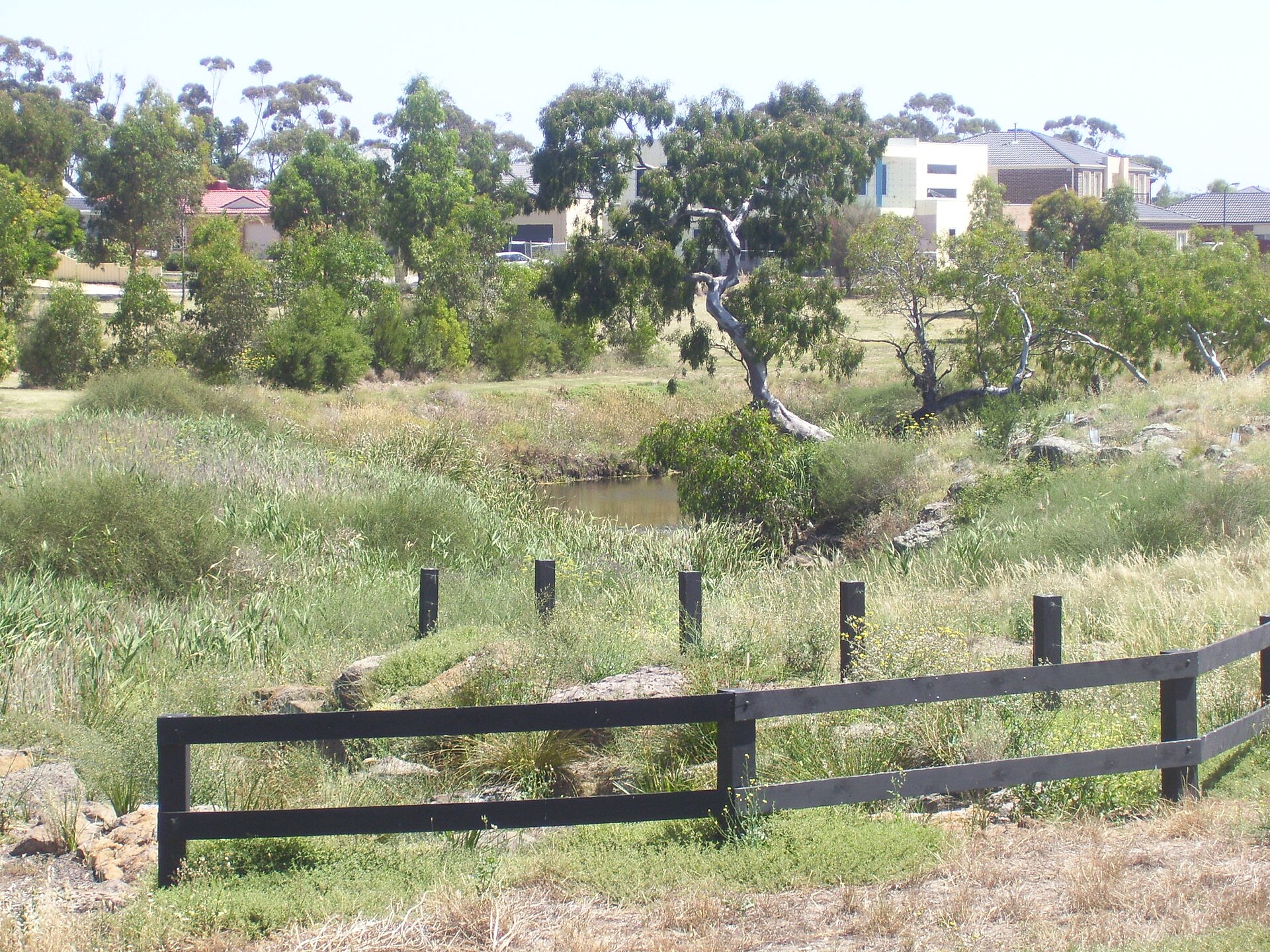
What it’s actually like is quieter and more layered than the big transformation language suggests. Cairnlea does not shout its history at you. You notice it in the way older homes sit near newer development, in the way parks and public spaces still carry the logic of earlier planning, and in the way the suburb feels connected to neighbouring parts of the west rather than sealed off from them. The current Cairnlea is easiest to understand beside Deer Park, Kings Park, and St Albans: places close enough to share daily rhythms, but different enough that each has its own version of the western suburbs story.
The street-level truth is that Cairnlea’s change happened gradually. It was not one dramatic switch where paddocks became polished suburb overnight. Long-term residents watched streets fill in, shops change hands, familiar institutions lose their pull, and newer expectations arrive. The old milk-bar-to-cafe storyline is common across Melbourne, but here it reads less like inner-north gentrification and more like a practical suburb being pulled into the next stage of metropolitan growth. Skip this history if you only want heritage facades and grand preservation drama; Cairnlea’s past is more about land, work, migration, and housing than ornate buildings. If you’re west of Cairnlea and looking for a denser, older retail spine, you will probably compare it with St Albans instead. If you’re thinking about family suburbia, Deer Park and Kings Park are the more natural reference points.
Who This Suits
If you’re a new resident, use Cairnlea’s history to understand why the suburb can feel planned, practical, and still unsettled in places. If you’re a buyer, read the transformation carefully: rising demand and infrastructure improvements help explain the appeal, but they also explain why affordability and older community character are under pressure. If you’re a long-term local, the honest version is that Cairnlea gained things and lost things at the same time. If you’re comparing suburbs, put Cairnlea next to Deer Park, Kings Park, and St Albans rather than judging it against inner-city suburbs with completely different histories.
Cost expectations sit inside that same trade-off. The article’s original point still holds: higher property values helped existing owners, while rent increases and redevelopment made the suburb harder for some people to stay in. Better food options, safer streets, upgraded public spaces, and more investment are real gains, but they were not free gains. The cost landed unevenly, especially on people attached to the older shops, institutions, and informal community routines.
Time of day matters less for this history than time scale. Cairnlea makes most sense when you think in decades, not weekends. The post-war housing boom, migration waves, gradual redevelopment, and current pressure for density all sit on top of each other. In ten years, the suburb will probably look different again as more development arrives and transport and public space improvements keep shaping daily life. The key question is not whether Cairnlea changes; it already has, several times. The question is whether the useful pieces of the old suburb survive the next version.
What to Do Next
Walk Cairnlea with the layers in mind: old homes, newer streets, parks, shops, and the pull toward Deer Park, Kings Park, and St Albans. Then read the Cairnlea suburb guide for the current picture before judging where it is heading.