You want Camberwell without accidentally signing up for private-school-adjacent prices. The short version: budget about $3,200 a month solo, rent is the whole fight, and the suburb only works if walkability, transport and cafes genuinely matter to your week.
The Verdict
Camberwell is worth the cost if you can keep rent under control, especially if you land a one-bed around $420 a week or a share room around $230. That is the decision. Everything else is manageable; rent is the number that decides whether Camberwell feels comfortable or quietly ridiculous. A solo renter should expect about $3,208 a month before savings, debt, holidays or the occasional financial mistake disguised as a third flat white.
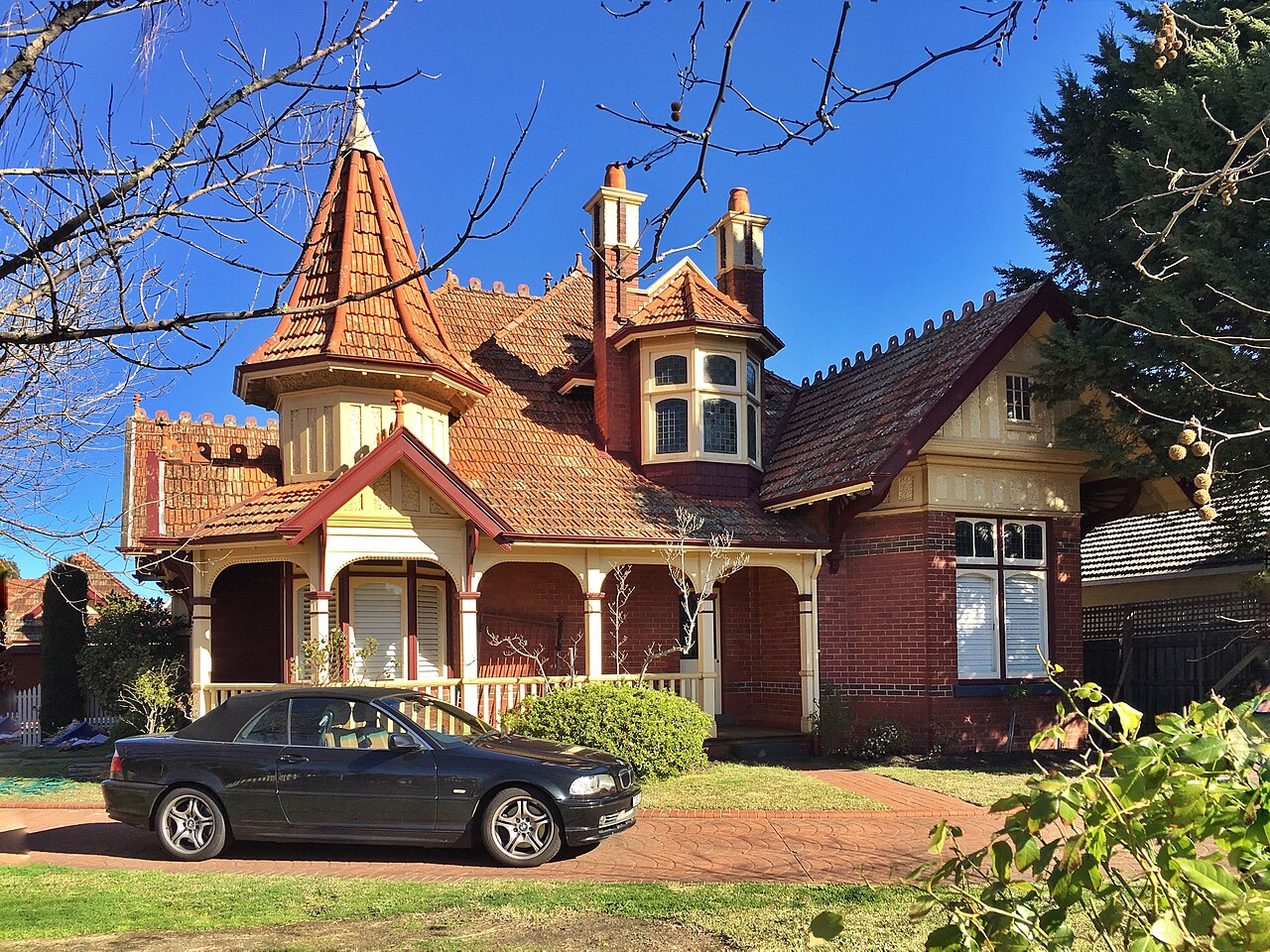
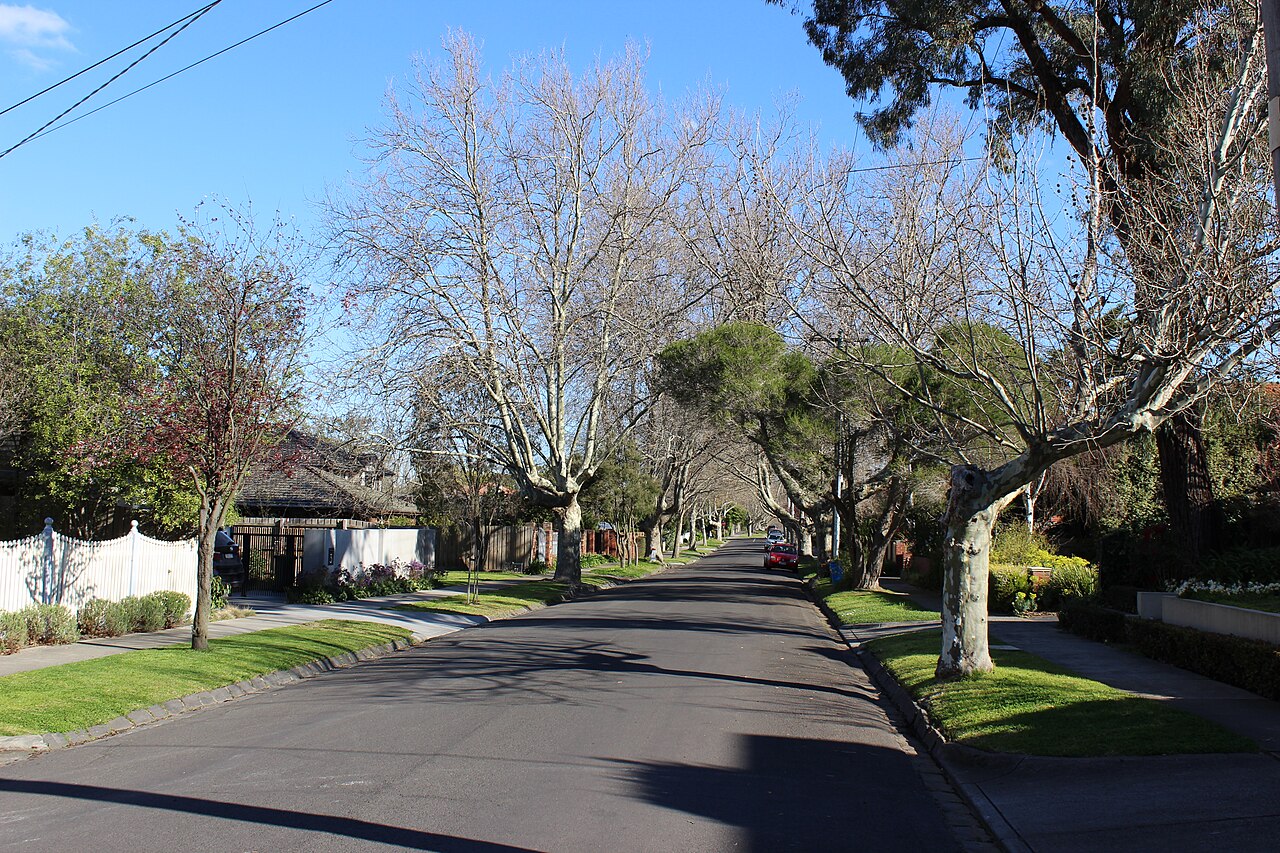
The upside is that Camberwell gives you a practical daily-life return for the money. You are in Zone 1, so Myki costs stay predictable at the daily and weekly caps, and an annual pass makes sense if you commute most weekdays. Groceries are normal supermarket territory, with Woolies and Coles doing the heavy lifting, and eating out is expensive enough to notice but not so wild that every dinner needs a spreadsheet. The trap is assuming Camberwell is “around average” because the rent table says so. Streets closer to the best schools can jump 15-20%, and that is where an otherwise sensible budget starts leaking. Don’t rent the prettier place near the school belt just because the inspection felt calm. You will regret it when the lease, brunch, parking permit and utilities all arrive in the same month.
Local Reality
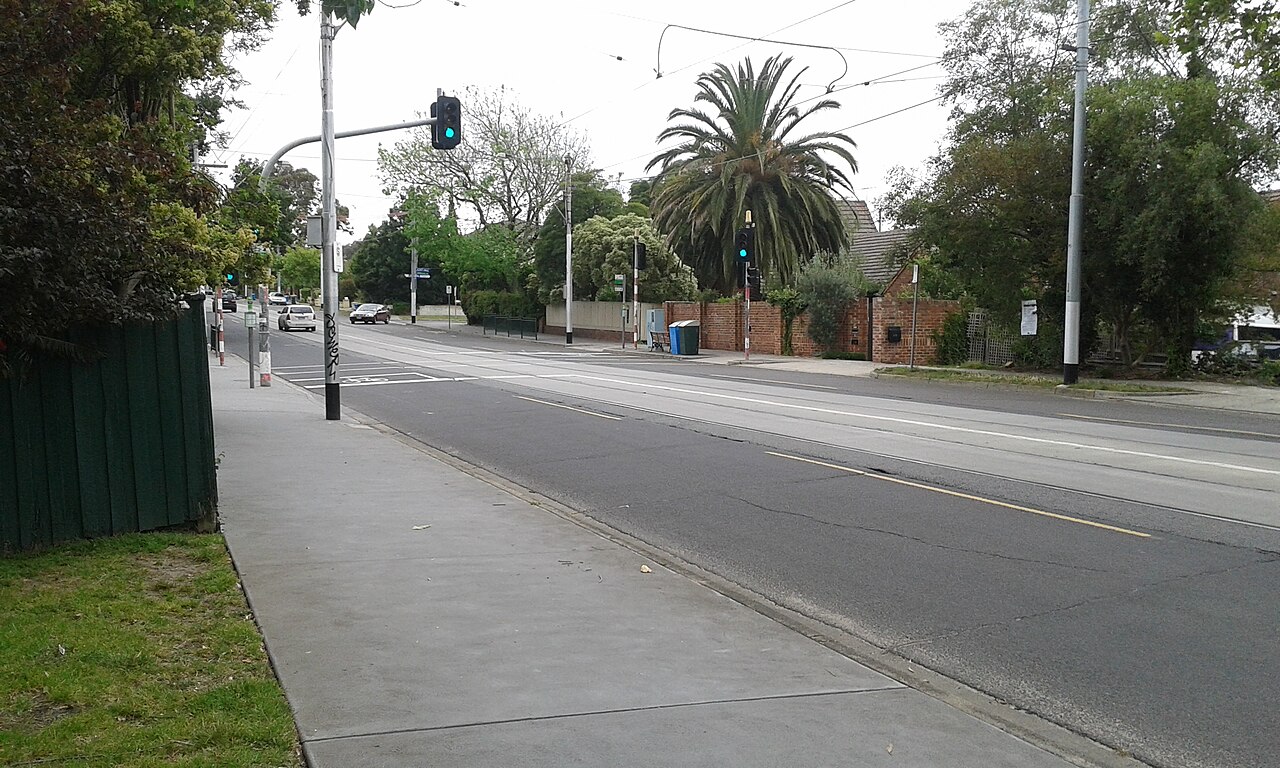
Camberwell’s money pressure is not dramatic; it is repetitive. The weekly rent comes out, then the supermarket shop lands around $80-$120, then transport clips another $160-$200 a month if you are commuting, then a casual lunch becomes $18-$25 before you have even thought about dinner. The suburb is comfortable, but comfort has a meter running. If your week revolves around Camberwell Junction, Burke Road errands, the train, Woolies, Coles and a quick coffee, the spend feels almost frictionless. That is exactly why it can get away from you.
The street-level trick is to separate essential Camberwell from lifestyle Camberwell. Essential Camberwell is rent, Myki, utilities, internet and groceries. Lifestyle Camberwell is brunch, quick drinks after work, dinners in the $30-$50 range, and the “just one more coffee” habit that quietly becomes $80-$120 a month. If you drive, add council parking permits at roughly $50-$150 a year, then add the annoyance factor of hunting for the right permit rules near busier strips. If your apartment has no washing machine, laundry can be another $8-$12 a load, which sounds small until it becomes part of the weekly rhythm.
Skip Camberwell if you need your suburb to feel cheap. It does not. It can be fair value, but only if you use what you are paying for: walkability, transport, local food and a suburb that handles daily life cleanly. If you are west of the parts of Camberwell you actually use, or you are barely near the station and shops, compare nearby Hawthorn or Glen Iris before committing.
Who This Suits
If you are a daily commuter, pick Camberwell and buy transport certainty. Zone 1 keeps the Myki maths simple, and the annual pass is the cleanest option if you are travelling most workdays. If you are a share-house renter, Camberwell can work well at around $230 a week per room, provided the house is not priced up because it sits near the school premium streets. If you are a solo renter, pick the plain one-bed over the character apartment unless the rent difference is genuinely tiny. If you are a cafe-heavy spender, be honest: the suburb will tax your habits. If you are a family chasing a three-bed house, the $720 weekly figure is the baseline conversation, not the ceiling.
Cost expectations are simple. A one-bed renter should plan around $1,819 a month for rent, then add $320-$420 for groceries, $180-$240 for utilities, $70-$90 for internet, and $160-$200 for transport if you are using Myki regularly. Eating out can sit at $200 a month if you are disciplined or push toward $400 if dinner and drinks are part of the routine. Entertainment adds another $100-$200. That is how the solo total lands at about $3,208 before savings.
Timing matters. At the start of a lease, Camberwell feels most expensive because bond, moving costs, connection fees and furniture gaps arrive together. In winter, utilities bite harder. In busy social months, the brunch and drinks line gets ugly fast. The best version of the suburb is boringly planned: rent first, transport second, groceries third, then decide how much Camberwell lifestyle you can actually afford.
What to Do Next
Before signing anything, compare the rent against your real monthly total, not just the weekly number. Then read the Camberwell rent guide and avoid paying a school-street premium for a lifestyle you will not use.
| Property Type | Weekly Rent | Annual Cost | vs Melbourne Median |
|---|---|---|---|
| Studio/1-bed apartment | $420 | $21,840 | Around average |
| 2-bed apartment | $560 | $29,120 | Around average |
| 3-bed house | $720 | $37,440 | Around average |
| Share house (per room) | $230 | $11,960 | Around average |
| Expense | Monthly Cost | Notes |
|---|---|---|
| Rent (1-bed) | $1819 | Biggest line item by far |
| Groceries | $320-$420 | Depends on Coles vs local market habits |
| Transport (Myki) | $160-$200 | Zone 1-2 monthly cap |
| Utilities (1-bed) | $180-$240 | Gas + electricity + water |
| Internet | $70-$90 | NBN, decent speed |
| Coffee habit | $80-$120 | 1-2 per day at local prices |
| Eating out | $200-$400 | Depends on your weakness |
| Entertainment | $100-$200 | Gigs, cinema, bars |
| TOTAL (solo) | $3,208 | Before savings or debt |
Prices current as of March 2026. We update quarterly. Got a correction? [email protected]