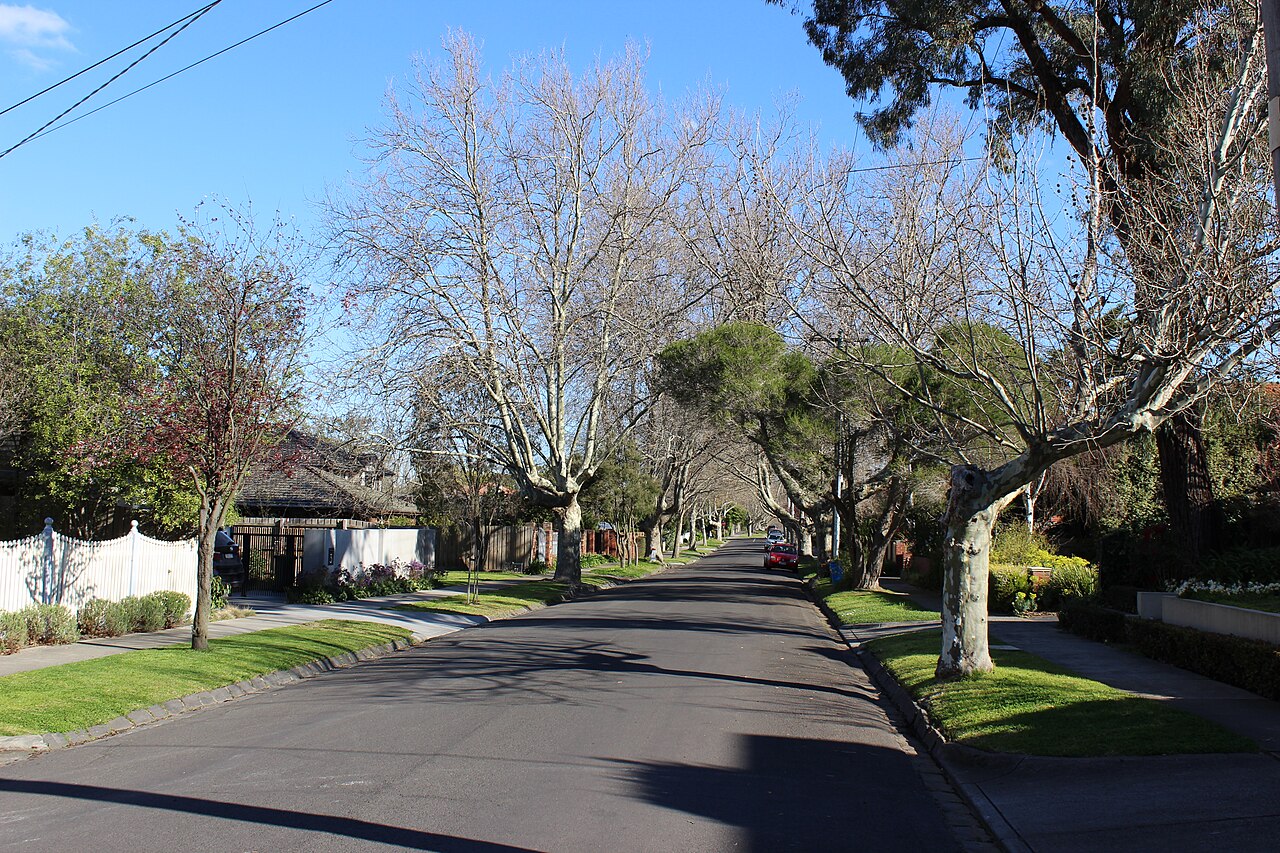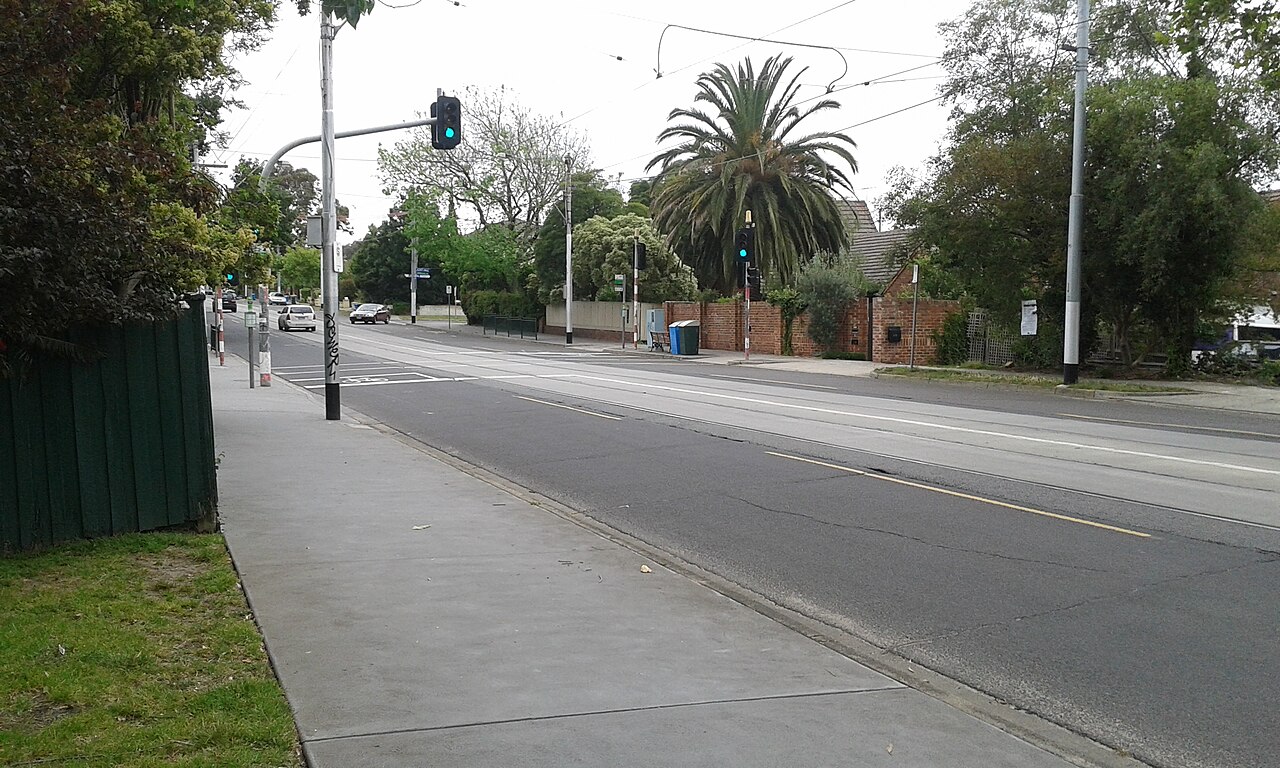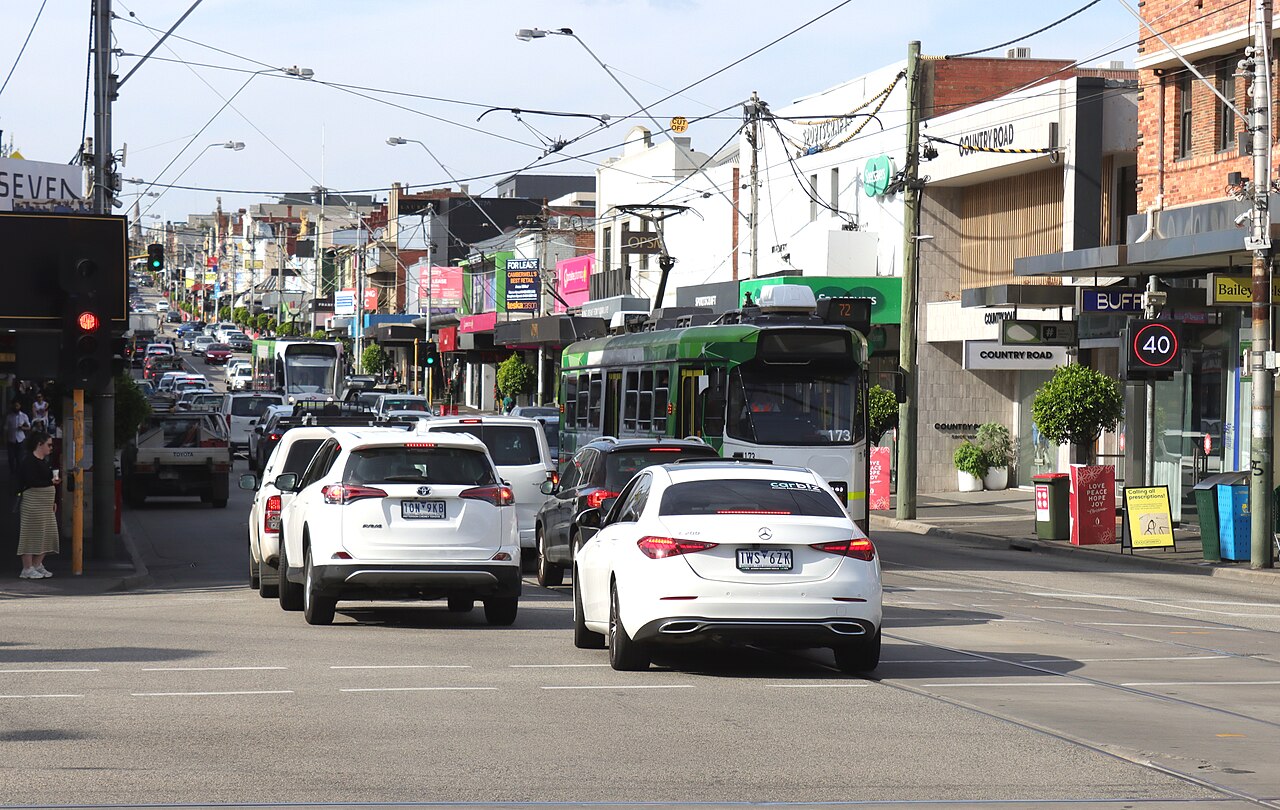
You are bored of Camberwell’s obvious strip and want the suburb locals actually use: the quiet cafe door, the corner shop chat, the pocket park lunch spot, and the back-street walk that makes the place click.
The Verdict
The winner is the back-street wander: start one or two blocks off Camberwell’s main drag and let the suburb get quieter before you decide where to stop. That is where the useful Camberwell lives. The main strip is fine for errands, visible cafes, and the places Google already ranks, but the better finds are the ones without the big fitout, loud signage, or social-media posture. If you only have one hour, do not try to tick off everything. Walk, look for the small cafe with almost no frontage, grab something from the bakery or deli that locals treat like a weekly habit, then sit in the small green space that gets sun without the crowd.
Why this route works is simple. First, it costs almost nothing: you can make it a coffee-and-pastry outing instead of a booked lunch. Second, it gives you the actual shape of Camberwell, not just the public-facing version. Third, it rewards attention. The corner shop that has been there forever, the walking path that quietly points toward Hawthorn or Glen Iris, the heritage detail above a shopfront, the community notice board with real local life on it: none of that lands if you are marching between search results. Do not make the mistake of treating this like a greatest-hits list. You will regret chasing the most visible cafe and calling the suburb done.
What It’s Actually Like
Camberwell’s quieter side starts the moment you stop behaving like the main strip is the whole suburb. One or two blocks away, the pace changes. The foot traffic thins, the shopfronts get less polished, and the useful places start looking almost too ordinary: a takeaway that punches above its fitout, a restaurant that never seems to get reviewed, a bakery or deli that clearly survives on repeat customers rather than tourists. That is the point. These places are not hidden because anyone is guarding them. They are hidden because they do not need to shout.
The best version of this outing is slow. Go in the morning if you want the flat-white-and-newspaper Camberwell, or around lunch if you want to test the pocket park idea properly. Parking and timing are the practical limit: the closer you stay to the main drag, the more you are competing with errand traffic and people doing the obvious cafe run. Drift toward the quieter streets and it becomes easier to notice the things that make the suburb feel lived in: gardens maintained by locals, heritage buildings that only reveal themselves if you look up, and physical notice boards that tell you more than another ranking page.
Recognisable reference points matter here. Use Camberwell’s main drag as the anchor, then let the walking paths and side streets point you toward neighbouring Hawthorn, Kew, Glen Iris, or even Richmond depending on how far you feel like roaming. Skip this if you need a guaranteed destination with a booking, a menu preview, and a perfect photo before you leave home. If you are already west of the Camberwell edge and closer to Hawthorn, you may be better off making that your base instead of forcing a Camberwell mission.
Who This Suits
If you are a new local, pick the wandering route first. It teaches you where the useful daily places are: the cafe you can actually repeat, the corner shop where people know regulars, and the small park that works for a quick reset. If you are visiting from another suburb, pick the food-off-the-radar version: look for the plain takeaway, the unreviewed restaurant, or the bakery and deli rather than the places already doing heavy online trade. If you are with kids or an older parent, keep it short and use the pocket park as the centre of the plan. If you are a design or history person, slow down near the heritage buildings and look above street level instead of treating the shopfronts as the whole story.
Cost expectations are friendly if you keep the plan loose. This does not need to be a big-spend Camberwell day. A coffee, pastry, takeaway lunch, or deli stop is enough to make the walk feel worthwhile. The danger is turning it into a restaurant hunt and then judging every unmarked place like it owes you a full review-site performance. The better measure is whether you would return on a normal Tuesday, not whether the place looks exciting on a Saturday scroll.
Time of day changes the suburb. At 7am, Camberwell feels practical and local: commuters, regulars, quiet coffee runs. At lunch, the small parks and bakeries make more sense. At 7pm, the same streets can feel subdued, and the places that rely on regulars rather than hype may not announce themselves clearly. In winter, make the walk tighter and food-led. In warmer months, give yourself permission to wander longer and let the gardens, walking paths, and street details do more of the work.
What to Do Next
Walk it on a Sunday before 10am, starting one or two blocks off the main drag, and pick the least showy place that already has locals inside. For the wider suburb read the Camberwell things to do guide.