Verdict Box
Honest reality: Campbellfield is a practical, industrial-edge suburb that suits a narrow type of retiree: someone who still drives, wants a lower-entry northern address, and does not need a cafe strip, beach path, cinema, bowls club or train station at the front door.
For Margaret, 67, who wants a manageable house, space for visiting family, easy parking and direct road access to Broadmeadows, Coburg, Thomastown and the Ring Road, Campbellfield can make sense. For a retiree who wants to walk to daily coffee, library programs, medical appointments and dinner without thinking about traffic, it will feel thin fast.
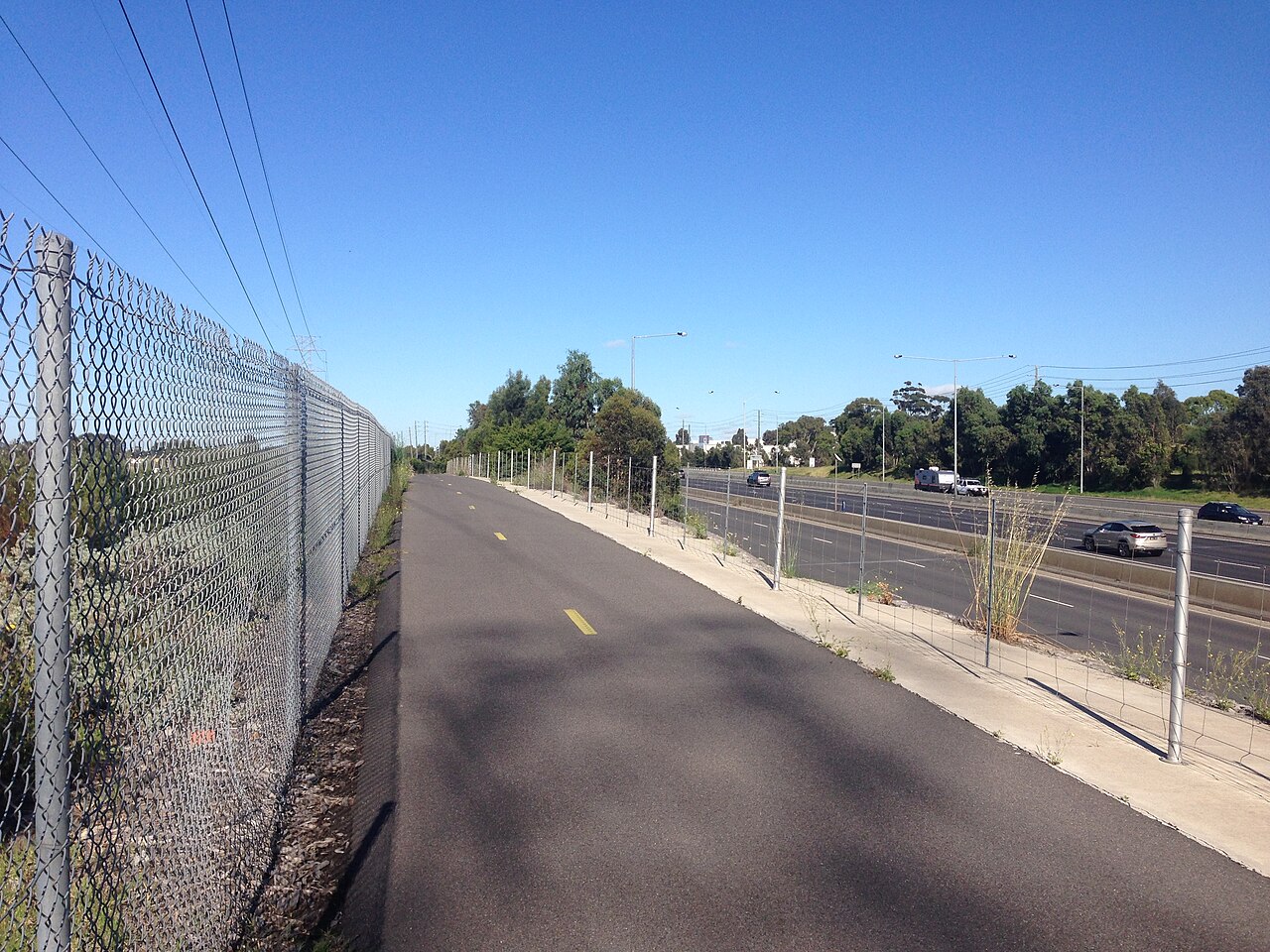
The suburb’s residential pocket sits beside a large industrial and commercial zone. That matters. You get wide roads, warehouses, trade traffic, big setbacks, hard surfaces and a daily rhythm shaped more by workers and delivery vehicles than by retirees strolling between local services. The upside is utility: Sydney Road, Mahoneys Road, Barry Road, Hume Highway and the M80 are all close. The downside is noise, heat, road crossings and limited pleasant walking loops.
Campbellfield is not a classic downsizer destination. It is a value-and-convenience decision. If you have family nearby in Dallas, Coolaroo, Broadmeadows, Thomastown or Fawkner, the case improves. If you are moving in without a local network, inspect it at 8am, 1pm and after dark before deciding.
At-a-Glance Table
| Factor | Campbellfield Retiree Reality |
|---|---|
| Best fit | Car-owning retirees who prioritise price, parking and family proximity |
| Weakest fit | Retirees wanting a walkable village feel or rich local leisure scene |
| Housing feel | Mostly detached homes and modest units near industrial land |
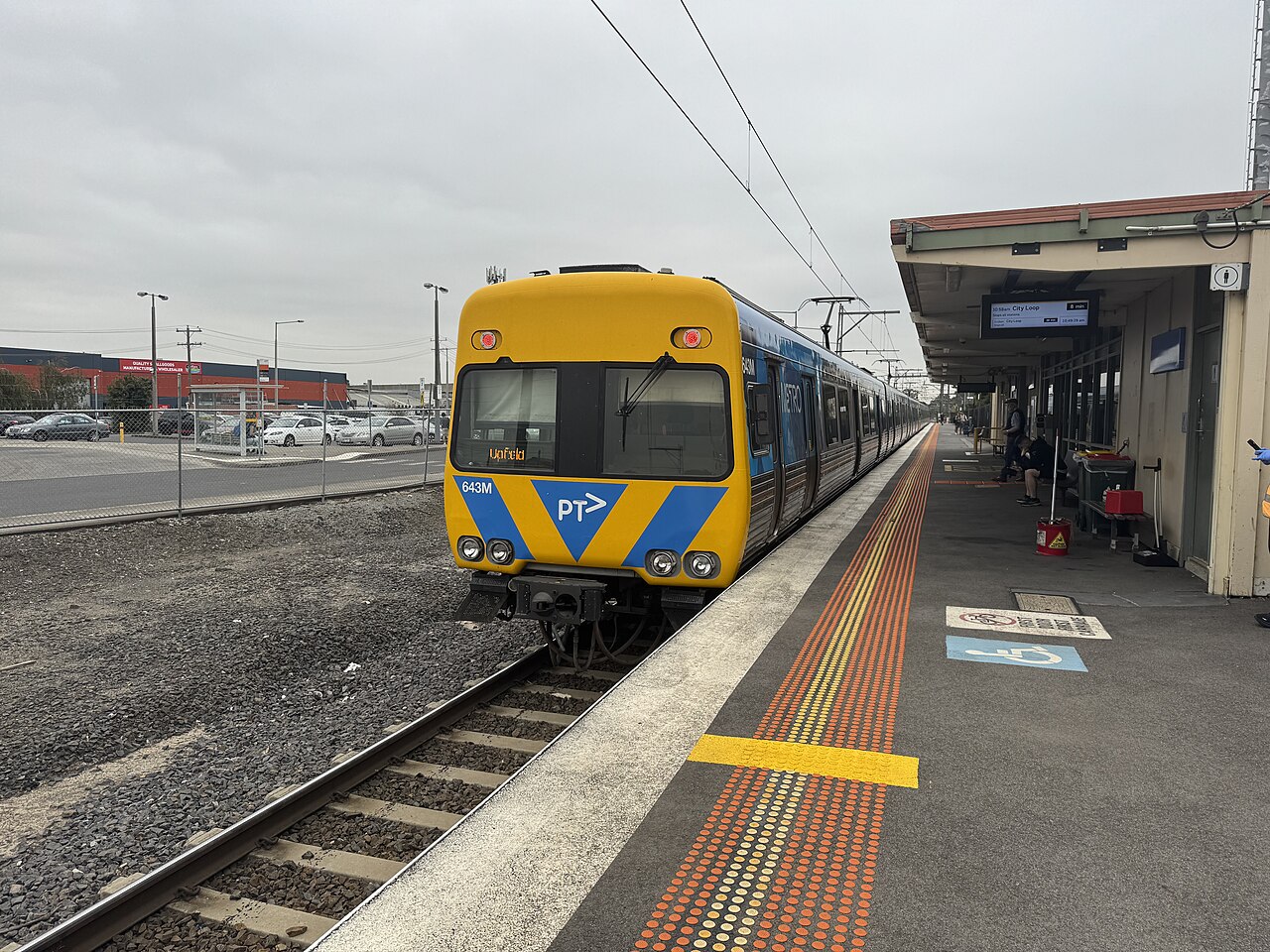
| Transport | Upfield station is nearby for some, but many errands work better by car |
| Daily shopping | Campbellfield Plaza and Sydney Road basics, with larger trips usually elsewhere |
| Eating out | Practical takeaway and casual stops, not a destination dining strip |
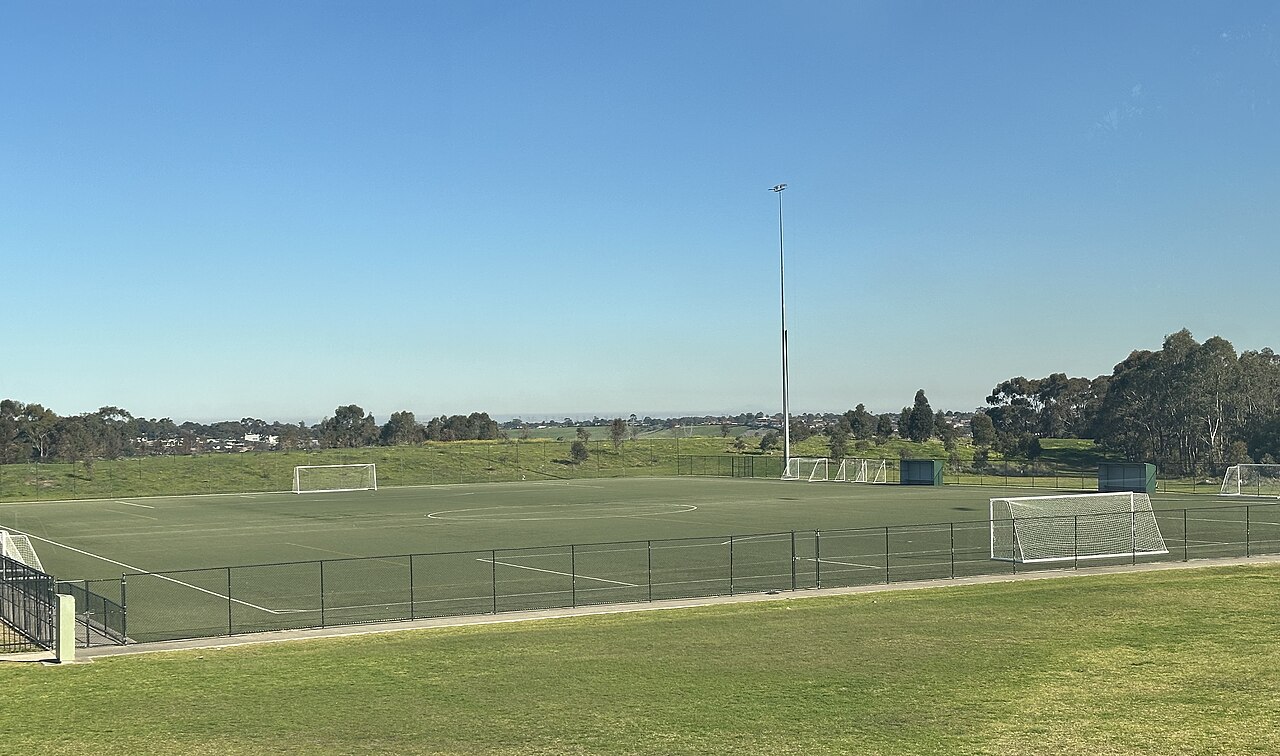
| Green space | Some local parks and Merri Creek access nearby, but not evenly convenient |
| Main risk | Industrial traffic, road noise, poor pedestrian comfort and thin retiree-specific amenity |
| Bottom line | Good for practical independence, weaker for lifestyle-led retirement |
Who It Suits
Margaret, 67, car-owning downsizer — wants a modest home, off-street parking, family within a short drive, and no pretence about cafe culture.
The Practical Grandparent — helps with school pickups across Hume and Merri-bek, values road access more than a pretty main street.
The Budget-Conscious Couple — would rather spend less on housing and drive to Broadmeadows, Coburg or Epping for bigger services.
The Former Tradie — understands industrial suburbs, likes big roads and hardware access, and is not bothered by weekday truck movement.
Rent & Property Reality
Campbellfield’s property story is the main reason retirees look twice. It is not the cheapest suburb in Melbourne’s north, but it is usually more attainable than established inner-north suburbs and often more house-oriented than apartment-heavy areas. The catch is that prices reflect the setting. You are buying or renting beside an industrial employment belt, not a polished retirement enclave.
Current market data points to a practical, low-volume market rather than a deep downsizer marketplace. Realestate.com.au’s Campbellfield suburb profile lists a 3-bedroom house median rent around the low-$500s per week for the May 2025 to April 2026 period, with limited rental stock moving through the suburb. Its broader suburb page also shows unit sales and rental yield data, but unit turnover is small, so treat sharp percentage movements carefully rather than reading them as a stable trend. Start with the live suburb profile at realestate.com.au Campbellfield VIC 3061 and cross-check current listings before making a budget.
For demographic context, the ABS 2021 Campbellfield QuickStats recorded 4,977 residents and a median age of 38. That tells you Campbellfield is not an older coastal-style retirement area. It is a working northern suburb with families, renters, owner-occupiers and industrial workers sharing the same roads and services.
For retirees, the property question is less “is it affordable?” and more “what daily compromises come with that affordability?” A cheaper house is not automatically better if every appointment, shop, meal and social visit requires a drive across heavy roads. Before buying, map your actual week: GP, chemist, groceries, family, faith community, library, exercise, preferred supermarket and hospital access. If most of those trips are outside Campbellfield, factor fuel, parking, insurance and confidence driving at night into the decision.
The best properties for retirees are likely to be in quieter residential streets away from the heaviest industrial edges, with level entries, usable off-street parking, manageable gardens and simple access to Mahoneys Road or Barry Road without sitting on the noisiest corridors. Be cautious about homes that look cheap but put you on a road where reversing out, crossing on foot, or sleeping with windows open becomes a daily annoyance.
Local Reality & Pockets
Campbellfield is split in feel. The Sydney Road and Hume Highway spine is practical and car-oriented. It has fast food, light industrial yards, automotive businesses, trade suppliers and simple local shopping. It is useful, but it is not gentle. Footpaths can feel exposed, shade is inconsistent, and traffic movement shapes the street experience.
The residential pockets are quieter, especially once you move off the main roads. Streets around the housing areas can feel more suburban and settled, with older homes, family households and driveways rather than apartment towers. For retirees, this is where Campbellfield has its best argument: you can still find a conventional home setting with access to northern-suburb family networks.
Campbellfield Plaza is the everyday reference point. It gives locals a compact shopping stop rather than a full lifestyle centre. For larger retail, medical choice, banks, government services or a wider cafe selection, residents commonly look to Broadmeadows, Coburg, Thomastown, Epping, Fawkner or Glenroy depending on habit and family ties.
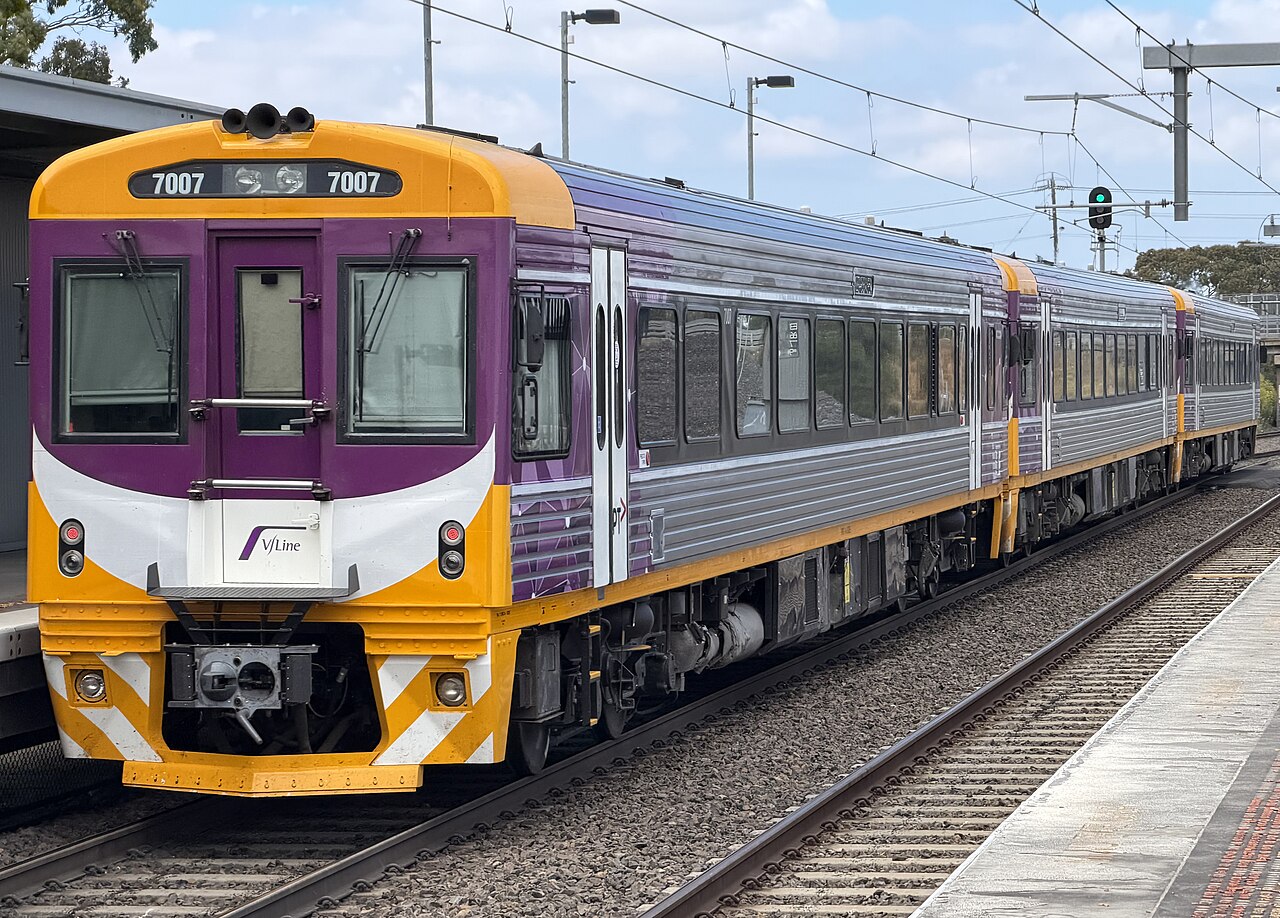
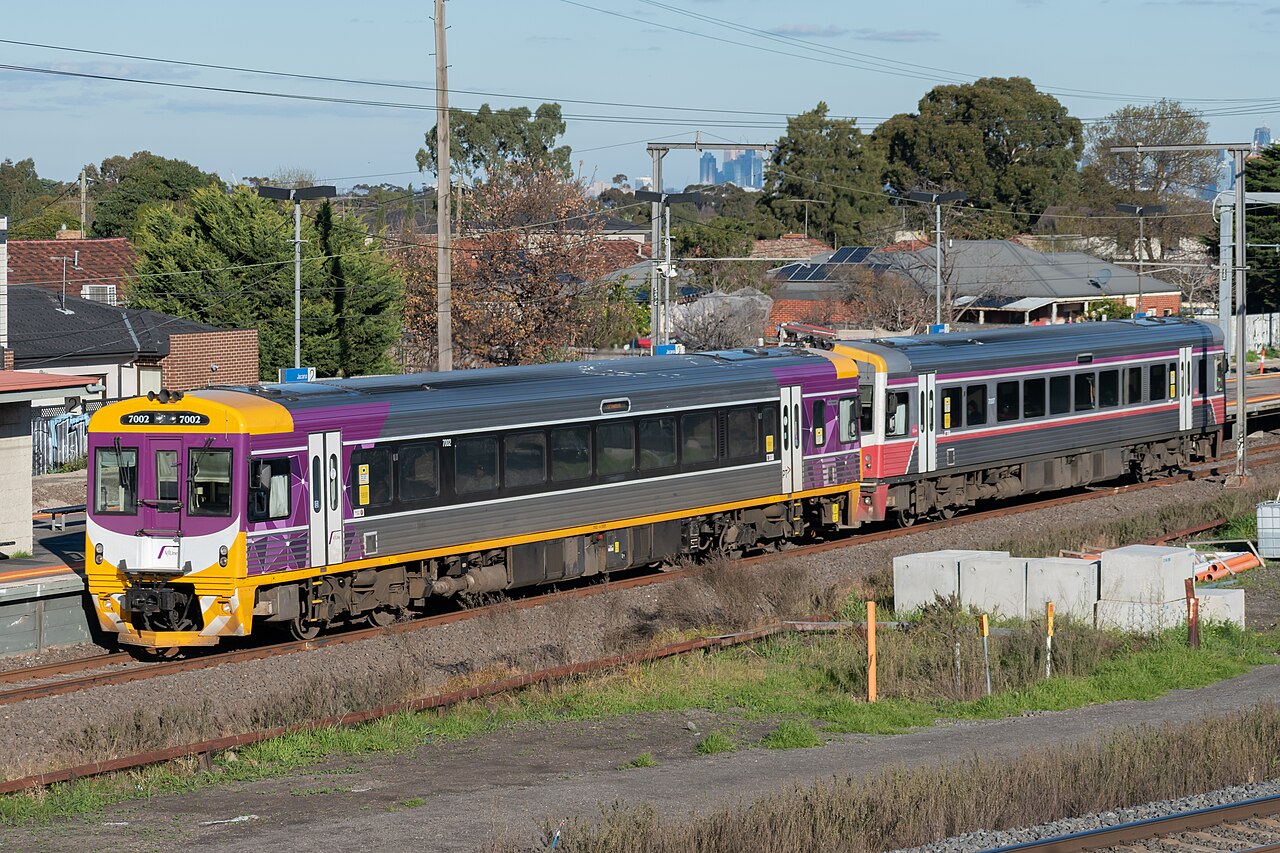
The public transport picture is mixed. Upfield station is close to parts of Campbellfield, but not equally convenient for the whole suburb. Bus routes serve key roads and Campbellfield Plaza, including orbital and local links, but retirees who no longer drive should test the exact trip, not just the map. A 900-metre walk can be fine on a shaded village street and unpleasant beside industrial traffic.
Green space is present but not the suburb’s strongest day-to-day asset. Merri Creek and larger northern open-space corridors are nearby, and local parks serve the residential pockets, but Campbellfield is not a suburb where parkland defines the identity from every street. If walking is central to your retirement, inspect the exact route from the house to the park, including road crossings, shade, toilet access and seating.
There is also a real heritage note: Scots Uniting Church on Sydney Road is one of the suburb’s older landmarks, with a long local history and a public-facing church presence. That gives Campbellfield more depth than a drive-through impression suggests, but it does not change the practical fact that the suburb’s dominant daily character remains industrial and road-based.
Signature Craving
Campbellfield’s food scene is honest and functional. It is more about a quick stop, lunch break or family takeaway than a slow retiree brunch circuit. That can be perfectly fine if your expectations are set correctly.
The signature local craving is a pie-and-coffee stop at My Pie & Coffee Drive Thru on Sydney Road. It fits Campbellfield’s rhythm: easy by car, quick, worker-friendly and unfussy. This is the kind of place that makes sense in a suburb with trade traffic and commuters moving through all day. It is not pretending to be a leafy village bakery, and that is exactly why it works as a Campbellfield marker.
For retirees, the important point is choice. A local pie, coffee, kebab, takeaway meal or casual dessert stop is useful. But if your retirement fantasy involves rotating between five walkable cafes, long lunches, wine bars and a cinema nearby, Campbellfield will not deliver that inside the suburb boundary. You will be driving to Coburg, Preston, Broadmeadows, Epping or the inner north for more variety.
That does not make Campbellfield bad. It just makes the verdict specific. It suits retirees who treat local food as convenience and nearby suburbs as the social layer. The danger is reading “Sydney Road” and imagining the Brunswick version. Campbellfield’s Sydney Road is a different proposition: wider, more vehicle-oriented and more industrial.
Comparisons Table
| Suburb | Retiree Fit Compared With Campbellfield | Why It May Suit Better | Main Trade-Off |
|---|---|---|---|
| Coolaroo | Similar practical northern-suburb feel, with station access more central for some addresses | Better if train access is a priority and family is nearby | Still limited for lifestyle dining and polished walkability |
| Dallas | Often more residential in feel and close to Broadmeadows services | Better for retirees wanting family-neighbourhood streets over industrial frontage | Fewer strong lifestyle draws and still car-reliant |
| Thomastown | More established shopping and transport options in parts | Better if you want more everyday services and a broader housing mix | Busier and may cost more depending on pocket |
| Fawkner | More residential, with cemetery parkland, local shops and train access | Better for retirees who want a calmer suburban base closer to Merri-bek | Competition and prices can be firmer in preferred pockets |
Trust Block
Author: Kai Thompson
Local lens: This article is written for Margaret, 67, a car-owning downsizer deciding whether Campbellfield is a practical retirement base or a false economy.
Research basis: Current property and rental checks, ABS suburb demographics, Hume City Council community facility information, local transport references, and named venue verification.
Independence note: MELBZ does not sell property, manage rentals or take placement fees from venues mentioned in this guide.
Reality check: Campbellfield has useful local assets, but the article deliberately treats industrial land use, traffic exposure and limited walking amenity as central factors, not side notes.
FAQ
Q: Is Campbellfield a good suburb for retirees?
A: It can be, but only for the right retiree. Campbellfield works best if you still drive, want practical access to family or northern suburbs, and are comfortable with an industrial-edge environment. It is weaker if you want a quiet village feel, a strong walking routine, or lots of local social venues.
Q: Is Campbellfield walkable for older residents?
A: Parts of the residential streets are walkable, but the suburb as a whole is not a walk-first retirement pick. Main roads, industrial traffic, heat from hard surfaces and uneven amenity make car access important for many daily errands.
Q: Does Campbellfield have good public transport?
A: It has bus coverage and Upfield station near parts of the suburb, but convenience varies street by street. Retirees should test the exact route from a property to the station, shops and medical appointments before assuming public transport will replace driving.
Q: What type of retiree should avoid Campbellfield?
A: Retirees who dislike driving, want a leafy cafe strip, need frequent medical visits without car help, or feel uneasy around warehouse traffic should be cautious. Nearby suburbs may offer a better day-to-day fit.
Q: Is Campbellfield affordable for downsizers?
A: It can be more attainable than many better-known northern suburbs, but affordability comes with trade-offs. Lower prices may reflect industrial surroundings, road exposure, thinner amenity and smaller buyer demand from lifestyle-focused downsizers.
Q: Are there retirement villages in Campbellfield?
A: Campbellfield is not known as a retirement-village suburb. Most retirees considering it will be looking at conventional houses or units, often because they have family nearby or want a lower-cost base.
Q: Where do Campbellfield retirees shop?
A: Campbellfield Plaza and Sydney Road cover basics, but many residents use nearby suburbs for larger supermarkets, medical options, banking, dining and services. Broadmeadows, Thomastown, Coburg, Epping and Fawkner may all enter the weekly routine.
Q: Is Campbellfield noisy?
A: It can be, especially near major roads and industrial areas. Noise varies by pocket, so inspections should include weekday mornings, late afternoons and evenings. Do not judge the suburb from a single quiet weekend visit.
Q: Is Campbellfield safe for retirees?
A: Safety depends heavily on the street, lighting, traffic exposure and personal routine. The biggest retiree-specific issues are often practical rather than dramatic: road crossings, night driving, isolation without a car, and comfort walking around industrial edges.
Q: What is the best pocket of Campbellfield for retirees?
A: The better fit is usually a quieter residential street away from the heaviest truck movement, with easy driveway access, a level home layout and a short drive to shops or family. Avoid choosing purely on price.
Q: Should retirees choose Campbellfield over Fawkner or Thomastown?
A: Choose Campbellfield if value, parking and family proximity matter most. Choose Fawkner or Thomastown if you want stronger everyday amenity, more transport confidence or a more established residential feel.