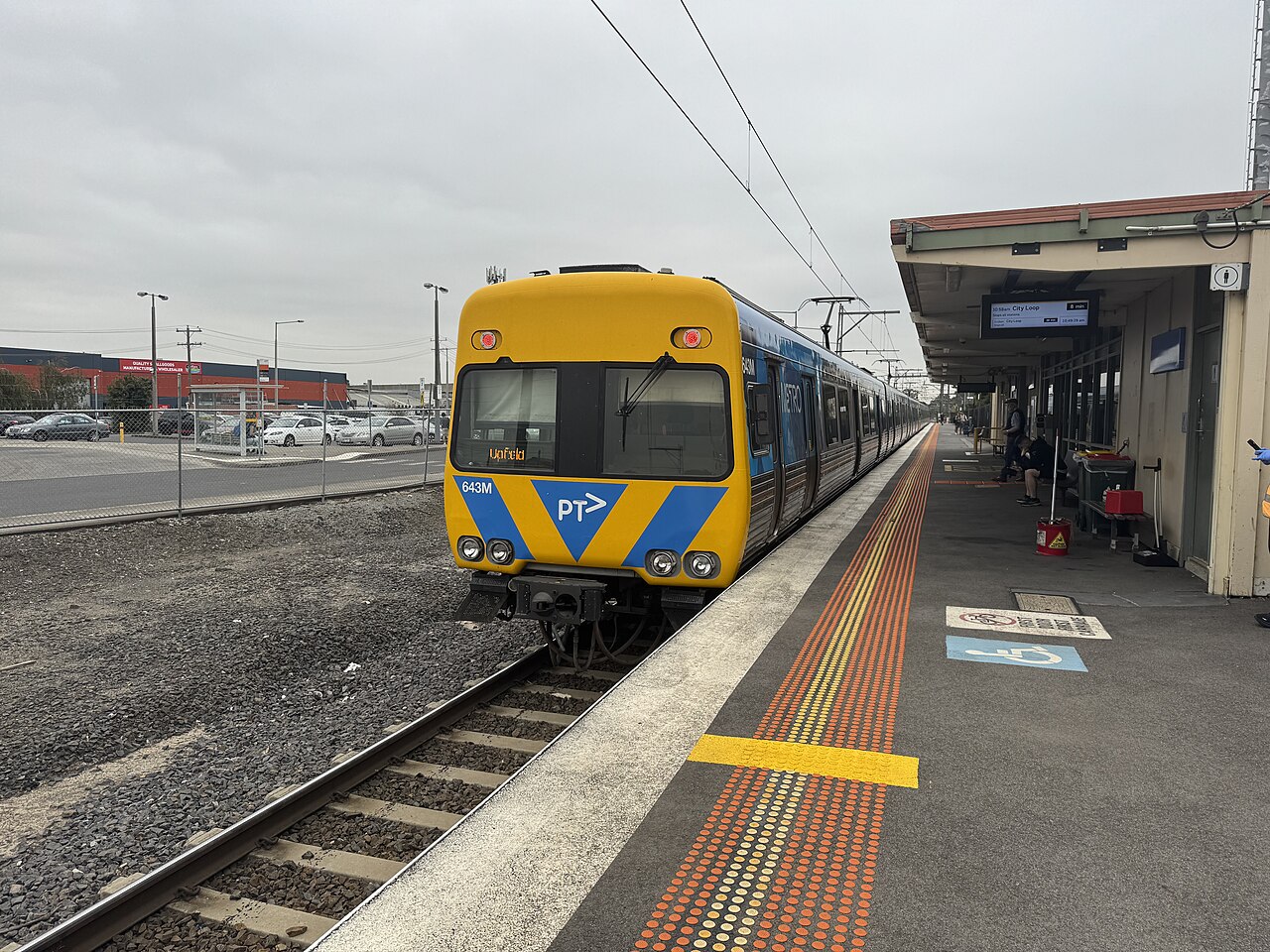
You can read Campbellfield wrong in five minutes if you only look for the pretty bits. The useful history is simpler: industry shaped it, working families held it together, and every newer layer still sits on that foundation.
The Verdict
Campbellfield’s real story is the working suburb, not a tidy heritage postcard. If you only remember one thing, remember this: Campbellfield was built around industry, practical housing, and families who needed Melbourne to function beyond the inner-city edge. That explains the street grid, the older housing stock, the community institutions, and the plain-spoken feel that still separates it from suburbs trying harder to look polished. The suburb makes more sense when you stop asking where the grand centre is and start looking at how people actually used it: getting to work, raising kids, shopping locally, and staying close to the industries that employed them.
The obvious alternative is to frame Campbellfield as just another suburb that got pulled along by Melbourne’s outward growth from the Yarra. That is true, but too broad to be useful. The more accurate read is that Campbellfield absorbed Melbourne’s growth in a very particular way: through factories, worker households, migration waves, affordable shops, sports clubs, church halls, pubs, parks, and public spaces that mattered because people used them every week. Later change brought better food options, infrastructure upgrades, higher property values for owners, and more things to do, but it also pushed out some of the older character. Don’t buy the neat gentrification story where everything old was dull and everything new is better. You’ll miss the part of Campbellfield that actually explains the place.
Local Reality
On the ground, Campbellfield’s history is not hidden in one grand building. It is spread through the suburb’s practical layout: older homes beside newer development, traditional shops near updated ones, and public spaces that were designed for an earlier rhythm of local life. The shopping strip matters because it shows how the suburb once worked at human scale. Parks and community institutions matter because they were the social infrastructure before every local identity had to be packaged as a lifestyle. You read Campbellfield best by walking slowly and noticing what has been adapted, not just what has been replaced.
The local reference points are broader than one block. Campbellfield sits in conversation with Broadmeadows, Fawkner, and Coolaroo, and that matters because its history is part of Melbourne’s northern working belt rather than a standalone village myth. The suburb was shaped by people arriving from elsewhere, building lives close to work, and gradually changing the food, languages, shops, and expectations of the area. That migration layer is not decorative; it is central to why Campbellfield feels layered instead of curated.
Skip this if you want a suburb history full of preserved facades and easy nostalgia. Campbellfield’s past is more uneven than that. Some things improved: infrastructure, safety, food, cultural life, and investment. Some things were lost: affordable shops, old institutions, familiar buildings, and the kind of local character that never cared about looking good online. If you are west of the older Campbellfield orbit and mainly comparing everyday services, Broadmeadows may give you the clearer picture. If you are looking at how industrial Melbourne became residential Melbourne, stay with Campbellfield.
Who This Suits
If you’re a new resident, read Campbellfield as a suburb with layers before you judge it by first impressions. The older housing stock, working history, and newer arrivals all explain why it can feel practical rather than polished. If you’re a buyer, focus less on the romance of transformation and more on what the suburb’s industrial and family base means for streets, transport patterns, and long-term demand. If you’re a long-term local, the most honest version of the story includes both pride and frustration: the suburb gained investment, but not every gain landed evenly.
If you’re comparing nearby suburbs, use the decision this way. Pick Campbellfield if you want the history of a working northern suburb that has changed gradually, street by street. Look at Broadmeadows if you want the bigger regional-centre feel. Look at Fawkner if your interest is more residential and established. Look at Coolaroo if you are reading Campbellfield as part of a wider northern corridor rather than as a suburb in isolation.
Cost expectations are part of the history, too. Campbellfield’s older affordability shaped who could live here, while rising property values changed the equation for owners, renters, and small businesses. The article’s point is not that higher prices are automatically bad or good. It is that the people who benefited from growth were not always the same people who carried the cost of lost shops, demolished buildings, and changed streets.
Time of day changes how this history feels. During working hours, the practical, industrial DNA is easier to see. On quieter evenings or weekends, the residential layers come forward: families, parks, local shops, and the ordinary routines that made the suburb stick. Give it more than one pass before deciding what Campbellfield is.
What to Do Next
Walk Campbellfield with the working-suburb story in mind, then read the current Campbellfield suburb guide to see how those older layers show up in daily life now.