
Carlton is where Melbourne learned to eat. That’s not hyperbole — it’s history. When Italian immigrants settled here after World War II, they planted the seeds of a cafe and restaurant culture that now defines the entire city. By 1960, a quarter of Carlton’s population was Italian, and Lygon Street was already legendary. That DNA is still here, woven into the espresso machines, the late-night trattorias, and the nonnas who still walk to the deli every morning.
But Carlton in 2026 isn’t frozen in amber. It’s a living neighbourhood where university students mix with young families, academics, food-obsessed professionals, and the old-school Italian-Australian community that refuses to leave.
The Lay of the Land
Carlton sits about 2km north of the Melbourne CBD, bounded roughly by Princes Street to the south, Nicholson Street to the east, Royal Parade to the west, and Cemetery Road to the north. The key streets you need to know:
Lygon Street — The main strip. Melbourne’s “Little Italy,” running north-south through the heart of the suburb. Restaurants, cafes, Cinema Nova (380 Lygon Street), Readings Bookshop (307 Lygon Street), and Brunetti Classico (380 Lygon Street).
Drummond Street — One block east of Lygon. Some of Melbourne’s finest Victorian terrace rows and D.O.C. Pizza (295 Drummond Street). Quieter, more residential, and where locals actually eat.
Rathdowne Street — Carlton’s eastern edge. Home to newer arrivals like Capitano (421 Rathdowne Street) and Cordelia (180 Rathdowne Street). Increasingly the most exciting dining street in the suburb.
Faraday Street — Runs east-west, connecting Lygon to the university precinct. La Mama Theatre (205 Faraday Street) and Market Lane Coffee (204 Faraday Street).
Elgin Street — Heart of Carlton cafe (189 Elgin Street) and the boundary where Lygon Street’s character shifts from heritage Italian to newer arrivals.
Transport
Carlton has no train station. The nearest are Melbourne Central and Parliament, both a short tram ride south. Trams are the primary transport: routes 1 and 6 on Swanston Street and Lygon Street connect directly to the CBD in 10-12 minutes. Route 96 on Nicholson Street runs to Fitzroy, the CBD, and St Kilda. Cycling via Royal Parade is excellent — flat, protected lanes, 15 minutes to Flinders Street Station. Full details in our transport guide.
What It’s Like to Live Here
Carlton’s residential streets are gorgeous. Bluestone laneways, single-fronted Victorian terraces with ornate iron lacework, and pocket gardens where someone’s always growing basil. The area around Drummond Street and Rathdowne Street is some of the most architecturally consistent inner-city living in Melbourne.
Rent isn’t cheap. A one-bedroom apartment runs $400-$520 per week, while a two-bed terrace pushes north of $600. You’re paying for location, walkability, and the fact that you’ll never be more than five minutes from genuinely excellent food. Full numbers in our cost of living guide.
The university factor is real. Melbourne University and RMIT nearby give Carlton a younger energy than some neighbouring suburbs. Friday afternoons at the Curtin Hotel (29 Lygon Street) have a distinctly student-populated feel — and that keeps prices honest and energy up.
The Food Scene
Carlton’s food scene is Melbourne’s deepest. The Italian heritage on Lygon Street is the headline — Tiamo, Brunetti, D.O.C., Papa Gino’s — but the Asian food strip (Saigon Pho, Hakata Gensuke, Hi Chong Qing) is one of the inner north’s best-kept secrets. The cheap eats scene is anchored by the university corridor, and the brunch culture is strong across Berkeley Street, Bouverie Street, and Queensberry Street.
Carlton Gardens
The Carlton Gardens are a UNESCO World Heritage site and one of the finest urban parks in Australia. The Royal Exhibition Building (1880) sits at the centre. The Melbourne Museum and IMAX are at the northern end. The adventure playground is genuinely excellent for families. The gardens are open 24/7 and are Carlton’s green lung — essential for a suburb with smaller backyards.
FAQ
Is Carlton a good suburb to live in?
Yes, if you value food, walkability, heritage architecture, and easy CBD access. The trade-offs: higher rent than outer suburbs, limited nightlife compared to Fitzroy, and weekend noise on Lygon Street. See our honest guide for the unfiltered version.
How does Carlton compare to its neighbours?
Fitzroy to the east has more nightlife and arts culture. Carlton North to the north has larger houses and a village feel. The CBD to the south has everything but no neighbourhood character. Carlton sits in the middle — better food than all of them, better architecture than most, and the tram network ties it all together.
The Verdict
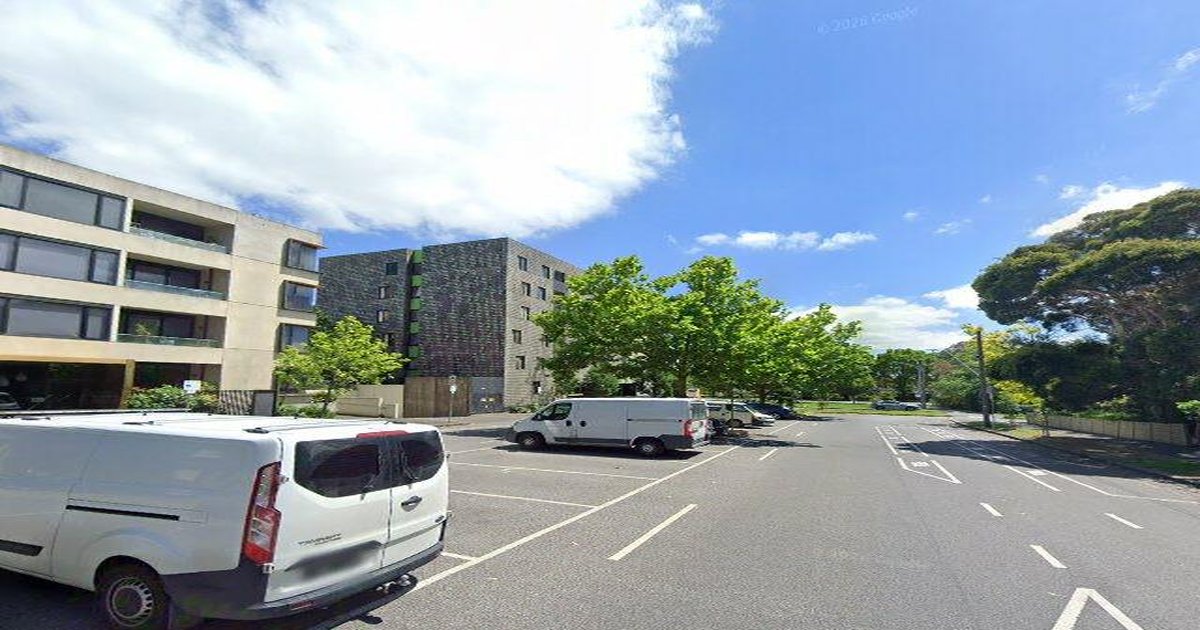
Carlton in 2026 is a suburb that carries its history visibly — Victorian terraces next to modern apartments, heritage Italian restaurants next to third-wave coffee roasters. The food scene is the deepest in Melbourne’s inner north. The walkability is excellent. The community feel on the side streets is what makes people stay for decades. It’s not the cheapest suburb, and it’s not the wildest, but it might be the most liveable.
For specific guides, see our best restaurants, cost of living, family guide, and young professionals guide.
💬 Discussion
Join the conversation — no account needed