Carlton sits in Melbourne’s inner north — a suburb that runs Italian heritage, university, literary. Here’s what the numbers and the locals actually say about the property and rental situation.
Rental Prices — Carlton 2026
| Property Type | Weekly Rent | Monthly | Annual |
|---|---|---|---|
| 1-bedroom unit | $464/wk | $2010/mo | $24,128/yr |
| 2-bedroom unit | $627/wk | $2717/mo | $32,604/yr |
| 3-bedroom house | $760/wk | $3293/mo | $39,520/yr |
Rents in Carlton have increased modestly compared to 2025. The vacancy rate sits at 2.0%, which is moderate — you have some negotiating room.
Property Prices
| Property Type | Median Price | 12-Month Change |
|---|---|---|
| House | $1,339,950 | +3.8% |
| Unit/Apartment | $623,529 | +3.1% |
Gross rental yield: 4.9% (units tend to yield higher than houses in Carlton).
Who Lives Here
Carlton attracts a mix of young professionals and established families. The suburb is known for Lygon Street Italian, University of Melbourne, Cinema Nova.
Average resident profile:
- Age: Predominantly 25-40
- Household: Young professionals and sharehouse groups
- Income: Well above metro average
Renting Tips for Carlton
- Apply fast. Good properties in Carlton get 20-40 applications. Have your documents ready: 100 points of ID, recent payslips, rental history, references.
- Inspect in person. Photos lie. Check water pressure, phone reception, natural light at the time of day you’d actually be home. Open the cupboards. Flush the toilet.
- Look beyond Lygon Street. The main strip has more foot traffic but also more noise. One or two blocks back, you get the same proximity for less money.
- Know your rights. Victorian tenancy law caps rent increases to once per 12 months. Your landlord must give 60 days notice. Urgent repairs must be addressed within 48 hours (blocked toilet, no hot water, gas leak).
- Budget beyond rent. Factor in: utilities ($150-250/month), internet ($70-90/month), contents insurance ($15-25/month), and transport (Trams 1, 6 on Lygon St, Melbourne Central nearby).
Investment Outlook
Carlton is a mature market — don’t expect explosive growth, but it’s stable and liquid. The 4.9% gross yield is above the metro average.
Key factors:
- Transport: Trams 1, 6 on Lygon St, Melbourne Central nearby
- Schools: Good public school zone
- Infrastructure: Level crossing removal and station upgrades underway
Suburb Character & Lifestyle
Carlton runs Italian heritage, university, literary. The main commercial strip along Lygon Street is where most of the daily life happens — cafes, restaurants, and essential services within walking distance for those who live close. The neighbourhood is known for Lygon Street Italian, University of Melbourne, Cinema Nova, which drives both rental demand and property values.
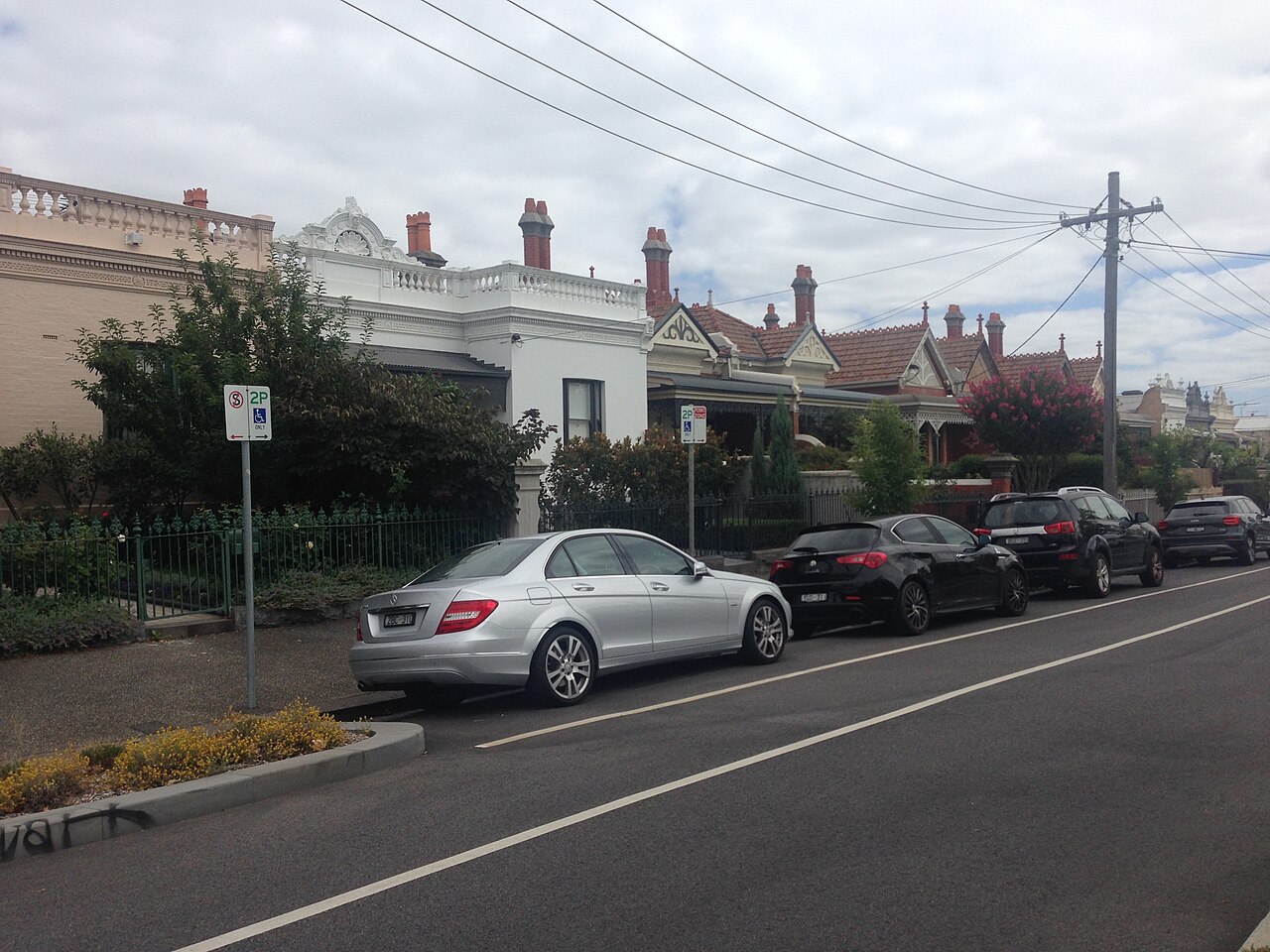
The housing stock is a blend of period homes near the centre and newer estates towards the edges. For renters, the most common options are modern townhouses and villa units. For buyers, the entry point is typically a townhouse on a smaller block at the lower end of the market.
Transport reality: Trams 1, 6 on Lygon St, Melbourne Central nearby. The commute to the CBD is realistic for daily workers, and most residents report using a combination of public transport, cycling, and driving depending on the trip.
Cost of Living Snapshot
| Expense | Typical Cost |
|---|---|
| Coffee | $4.50-5.50 |
| Brunch | $19-28 |
| Dinner out | $28-45 pp |
| Pint of beer | $12-14 |
| Cocktail | $19-25 |
| Groceries | $163/wk (couple) |
| Utilities | $182/mo (1br) |
| Internet | $70-90/mo (NBN) |
The Bigger Picture
Carlton has seen consistent demand from owner-occupiers and investors alike, driven by lifestyle amenity and transport links. The suburb is Italian heritage, university, literary, which attracts a diverse mix of residents from young renters to established families.
5-year outlook: Depends heavily on interest rate trajectory. The fundamentals — location, transport, lifestyle amenity — are improving.
What to watch: Rezoning proposals could change suburb character.
Nearby
Last updated: March 2026. Data sources: Domain, REA Group, SQM Research.
Keep Exploring
More in this area:
- Property Market in Carlton
- Rent Guide in Carlton
- Investment Guide in Carlton
- First Home Buyer in Carlton
Nearby suburbs:
Useful tools:
Data-Backed Rental Market Analysis
Carlton is a renter-heavy, apartment-led market. ABS Census data shows 72.3% of occupied private dwellings were rented, compared with 28.5% across Victoria. That is the key rental signal: Carlton behaves less like a family ownership suburb and more like an inner-city, student-worker, high-turnover rental precinct.
The dwelling mix explains the pressure. Flats and apartments made up 80.7% of occupied private dwellings in Carlton, versus 12.1% across Victoria. Separate houses were only 1.3%, so renters looking for a traditional house face a thin market and should expect sharper competition. Two-bedroom homes were the dominant format at 46.9%, followed by one-bedroom homes at 28.3%, which suits students, hospital workers, university staff, hospitality workers and CBD commuters.
The 2021 median weekly rent was $365 in Carlton, slightly below Victoria’s $370 median at the time, but that figure needs context: Carlton’s household income was much lower, at $1,292 per week versus $1,759 across Victoria. A $365 rent equals about 28% of Carlton’s median household income, close to the common 30% rental-stress threshold. For renters on casual, student or single incomes, the lived affordability is tighter than the headline rent suggests.
Compared with broader Melbourne, Carlton’s rental market is more compressed by location than land value. Renters pay for walking access to the University of Melbourne, RMIT, hospitals, Lygon Street, tram corridors and the CBD edge. The trade-off is smaller floorplans, older apartments, less parking and more competition around semester starts.
Source: ABS 2021 Census QuickStats, Carlton.
What Renters Should Watch
Carlton’s best-value rentals are usually older one- and two-bedroom apartments away from the busiest Lygon Street blocks. Newer apartments, secure buildings, furnished studios and properties close to campus usually command a premium. Parking can materially change value: a cheaper apartment without a car space may still be the better deal if you rely on trams, cycling and walking.
The busiest rental periods are late January to March and mid-year university intake. During these windows, inspections can be crowded and applications need to be complete before viewing. Renters with pets, cars or strict move-in dates should widen the search to Carlton North, Parkville, Fitzroy, Brunswick, North Melbourne and the CBD fringe.
Step-By-Step Carlton Rental Checklist
- Set a weekly rent ceiling, then add utilities, internet, bond, moving costs and any parking permit costs.
- Decide whether location or space matters more. Close-to-campus apartments save travel time but often trade off size, storage and quiet.
- Inspect for noise. Check tram lines, late-night hospitality venues, student buildings, laneways and waste collection areas.
- Check heating, cooling and ventilation. Older Carlton apartments can be cold in winter and warm in summer.
- Confirm bond and lease terms in writing before paying anything.
- Prepare application documents before inspections: ID, income evidence, rental history, references and cover note.
- Compare the asking rent with similar active listings in Carlton, Parkville, Fitzroy and North Melbourne.
- Photograph the property carefully during the condition report, especially floors, walls, appliances, mould, windows and bathroom fittings.
FAQ
Is Carlton expensive to rent in?
Yes, for its size and housing quality. Carlton is not always Melbourne’s highest-rent suburb, but renters pay a location premium for university, hospital, CBD and tram access.
Is Carlton better for students or professionals?
Both, but it is especially practical for students and early-career professionals. The apartment mix, walkability and public transport suit people who do not need a large home or private parking.
When is the hardest time to find a rental in Carlton?
Late summer is usually the hardest period because university demand rises before semester starts. Start early, inspect quickly and have documents ready.