Verdict Box
Best for: retirees who want newer housing, flat walking loops, shopping close by, and family in the western suburbs. Skip if: you want a train station you can stroll to, old-village street life, or low-maintenance apartment choice without hunting. Rent pressure: moderate for couples, awkward for singles. The suburb is built around family houses, so one-bedroom stock is thin and often not the bargain the headline number suggests. Commute reality: fine for local errands by car; clunky if you rely on buses for medical appointments outside the suburb. Food scene: practical, not destination dining. Lake Street covers coffee, lunch and casual meals, but it is not a late-night retiree paradise. Family fit: strong if adult children live nearby; less useful if your social life is inner-city. Overall score: 7/10 for mobile retirees, 5.5/10 for car-free retirees. Caroline Springs looks easy on paper, but independence here still leans heavily on driving.
At-a-Glance Table
| Factor | Caroline Springs 2026 |
|---|---|
| LGA | Melton City Council |
| Postcode | 3023 |
| Geographic tier | West |
| Region | outer-west |
| Transport grade | N/A |
| Overall grade | C |
Who It Suits
Elaine, 71, downsizing near grandkids — wants single-level living, supermarkets nearby, and a walk around the lake without inner-suburb parking fights. The Still-Driving Couple — can handle errands on Caroline Springs Boulevard and does not need a railway station at the front door. Priya’s Cautious Planner — reads body corporate minutes, checks bus routes, and will trade romance for medical access and predictable streets.
Rent & Property Reality
Median 1-bedroom rent in Caroline Springs is about $350 per week, with YoY change best read as roughly flat to slightly up rather than a clean suburb-wide trend, because true one-bedroom stock is limited and the public portals mix studios, rooms, units and nearby listings. The live Domain 1-bedroom rental results for Caroline Springs are a better sanity check than a single glossy median, while realestate.com.au’s Caroline Springs rental listings show the same basic problem: the suburb’s rental market is not designed around lone retirees chasing compact apartments.
Plain English: $350 a week does not mean Caroline Springs is easy for a pensioner renting alone. It means the cheapest end can appear affordable, but the choice set is narrow, quality varies, and many listings that look like a simple one-bed option may be rooms, secondary dwellings, older units, or places where the transport trade-off is doing a lot of the hidden work. Once you want a proper kitchen, safe entry, internal laundry, heating and cooling that will not punish you in summer, and a location close to Lake Street shops, the price can jump quickly.
For retired couples, the equation is calmer. A two or three-bedroom townhouse or smaller house may be more realistic than a rare one-bedroom apartment, especially if you are selling elsewhere and buying rather than renting. For renters, the risk is timing: if only a handful of suitable low-maintenance homes are available, you may have to choose between paying more, accepting stairs, or living farther from the services that make the suburb comfortable.
The contrarian point is that Caroline Springs can be cheaper than established eastern suburbs while still feeling orderly and serviced, but it is not automatically cheap retirement living. Budget for a car, insurance, petrol, occasional rideshare, and possibly a higher rent than the headline one-bedroom figure if you need genuine accessibility.
Local Reality & Pockets
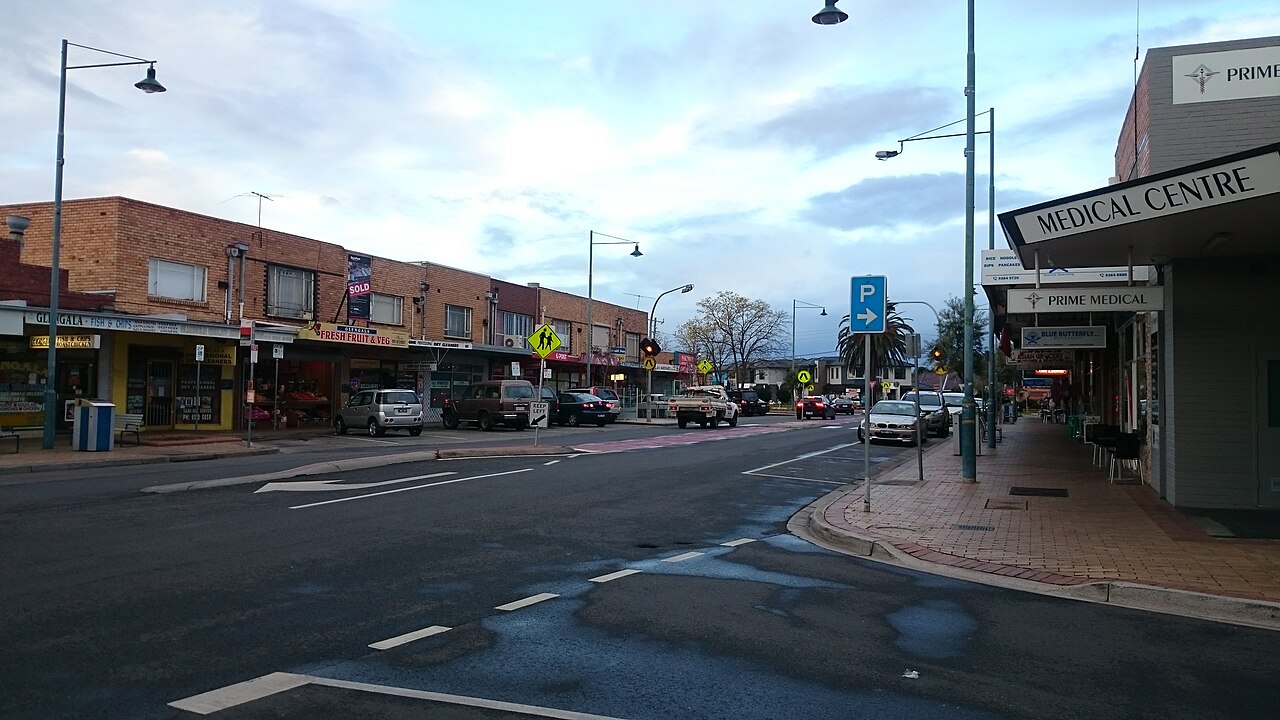
For retirees, the better pockets are the ones that reduce daily friction. Around Lake Street and Caroline Springs Boulevard, you are close to supermarkets, cafes, pharmacies, banking, buses and casual meals. That matters more than a prettier facade if you are trying to keep errands short. The Esplanade side gives you the obvious walking appeal around Lake Caroline, but check the exact building, parking setup and weekend activity before falling for the view. Some homes near the lake feel calm midweek and much busier when the weather is good.
If you still drive, look for easy access to Caroline Springs Boulevard, Gourlay Road and Taylors Road without being directly exposed to the noisiest traffic. Being one or two streets back is usually the retirement sweet spot: close enough for quick trips, far enough to avoid headlights, delivery trucks and constant turning movements. Around Lake Street, convenience is real, but parking can be irritating at peak shopping and cafe times. A private garage or secure off-street space is worth more here than agents admit.
Pockets farther from the town centre can be quieter and more house-proud, but they ask more of you. If the bus stop is a long walk, or the footpath route has awkward crossings, the house may only work while you are driving confidently. Caroline Springs station is not placed like an old suburban village station; for many residents it is a drive, bus, or lift from family rather than a casual walk. That is the biggest transport gotcha.
Two other gotchas: first, newer estates can still have surprisingly poor shade on some walking routes, which matters in January. Second, big family-house streets can be peaceful during the day and busy after school, sport and weekend visits. Before buying or signing a lease, inspect at school-run time, after 6 pm, and on a Saturday morning. The right Caroline Springs address can make retirement practical; the wrong one can make every small errand feel like a logistics exercise.
Signature Craving
The retirement test is not whether Caroline Springs has a famous dining strip; it is whether you can get a decent, repeatable outing without turning lunch into a project. For that, Lake Street does the job. The Jolly Miller Cafe at 29-35 Lake Street is the kind of practical anchor retirees actually use: coffee, breakfast, lunch, salads, and a location tied into the shopping precinct rather than a side-street gamble. If you want something less sandwich-and-flat-white, Izakaya Rin Japanese Restaurant & Bar on Caroline Springs Boulevard gives the suburb a proper dinner option without needing to drive to Footscray or the CBD. The honest read: Caroline Springs is better for regular comfort than culinary theatre. You come here for reliable local habits, not a rotating list of places you have to explain to visitors.
Comparisons Table
| Suburb | Transport | Tier | Region |
|---|---|---|---|
| Caroline Springs | N/A | West | outer-west |
| Aintree | D | West | outer-west |
| Bonnie Brook | N/A | West | outer-west |
| Brookfield | C+ | West | outer-west |
Trust Block
Author: Priya Sharma — Family-and-community correspondent; reads council planning notices for fun.
Data: data/melbourne_suburbs_master.json (Codex per-LGA enumeration, cross-checked vs VEC + Australia Post + ABS SA2 boundaries), data/suburb_scores.json (composite percentile grades), data/venues/.json (OpenStreetMap + Gemini-verified venue catalog).
Last reviewed: 2026-05-26. Not financial advice. We do not accept paid placements in editorial.
FAQ
Q: Is Caroline Springs actually good for retirees in 2026? A: Yes, but mainly for retirees who still drive or have family nearby. The suburb gives you newer housing, major shops, medical and allied health services in and around the town centre, and flat walking areas near Lake Caroline. The weak point is transport independence. Caroline Springs does not behave like an older suburb built around a walkable railway station and compact village strip. If you can drive, it feels organised and practical. If you cannot, the same layout can feel spread out and bus-dependent.
Q: Can a retiree live in Caroline Springs without a car? A: It is possible, but I would not call it easy unless you choose the address very carefully. You would want to be close to Lake Street, Caroline Springs Boulevard, bus stops, supermarkets and medical services. The problem is that Caroline Springs station is not a simple front-door train option for many residents, so buses, family lifts, taxis and rideshare become part of the weekly routine. A car-free retiree should test the exact route to shops, GP appointments and the station before committing.
Q: Which part of Caroline Springs should retirees favour? A: Start with the practical centre: Lake Street, Caroline Springs Boulevard and the streets just off the main shopping and services area. These pockets reduce the number of short trips that require a car. The Esplanade and lake-adjacent areas can suit walkers, but inspect for parking, noise and weekend activity. Retirees who want quiet should often choose one or two streets back from the busiest roads rather than directly beside the action. Convenience matters, but so does being able to sleep with the window open.
Q: What are the main drawbacks for older residents? A: The big drawbacks are car dependence, limited one-bedroom rental choice, and the fact that some streets were designed around family households rather than ageing-in-place convenience. A home can look manageable at inspection but still be a poor retirement choice if the bus stop is too far, the garage entry is awkward, the footpaths lack shade, or every medical appointment needs a lift. Caroline Springs is tidy and serviced, but it is not an old tram suburb where daily life naturally clusters around one walkable strip.
Q: Is renting affordable for single retirees in Caroline Springs? A: Single retirees need to be careful. The headline one-bedroom figure can look manageable, but Caroline Springs has limited genuine one-bedroom supply compared with suburbs that have more apartment stock. That means suitable listings can disappear quickly, and the cheaper options may involve compromises on location, accessibility or dwelling type. A single renter should budget above the lowest advertised number, inspect heating and cooling, confirm public transport routes, and avoid assuming that a low median equals broad choice. Couples usually have more flexibility.
Q: Is Caroline Springs safe and comfortable for evening walks? A: Many retirees will find the lake and town-centre areas comfortable for daytime walking, and the flatter terrain helps. Evening comfort depends on the exact route, lighting, foot traffic and how close you are to busier roads or car parks. I would not judge safety from a Sunday open-for-inspection. Walk the area after dinner, check lighting near your likely route home, and see how the car parks feel after shops close. The suburb can be pleasant, but confidence at night is very pocket-specific.
Q: How does Caroline Springs compare with older retirement-friendly suburbs? A: Compared with older suburbs, Caroline Springs gives you newer homes, wider roads, larger shopping infrastructure and a more planned feel. What it lacks is the organic walkability of suburbs built around rail, tram lines or compact main streets. Retirees moving from places like Essendon, Moonee Ponds or Williamstown may miss the older street rhythm and easier public transport. Retirees coming from outer growth areas may find Caroline Springs more convenient. The right comparison is not prestige; it is how many errands you can complete without stress.
Q: Are the cafes and restaurants enough for retirees who like going out? A: They are enough for regular local outings, not for people who want a serious dining circuit. Lake Street has practical cafe options including The Jolly Miller Cafe, The Coffee Club, Gloria Jean’s, Boost Juice and Chatime, while Izakaya Rin on Caroline Springs Boulevard adds a proper sit-down Japanese option. That covers coffee, lunch, casual family catch-ups and the occasional dinner. If your retirement plan includes frequent theatre nights, late dining and varied cuisines every week, you will still be driving elsewhere.
Q: Should retirees buy a house, townhouse or apartment in Caroline Springs? A: The best choice depends on mobility more than status. A single-level townhouse or smaller house with secure parking can work well if it keeps you close to shops and services. A large family home may become a maintenance burden, even if it looks comfortable today. Apartments and compact units are less abundant, so inspect body corporate rules, lifts, stairs, storage and visitor parking closely. For ageing in place, prioritise step-free entry, bathroom layout, heating and cooling, garage access and a short, safe route to everyday services.


