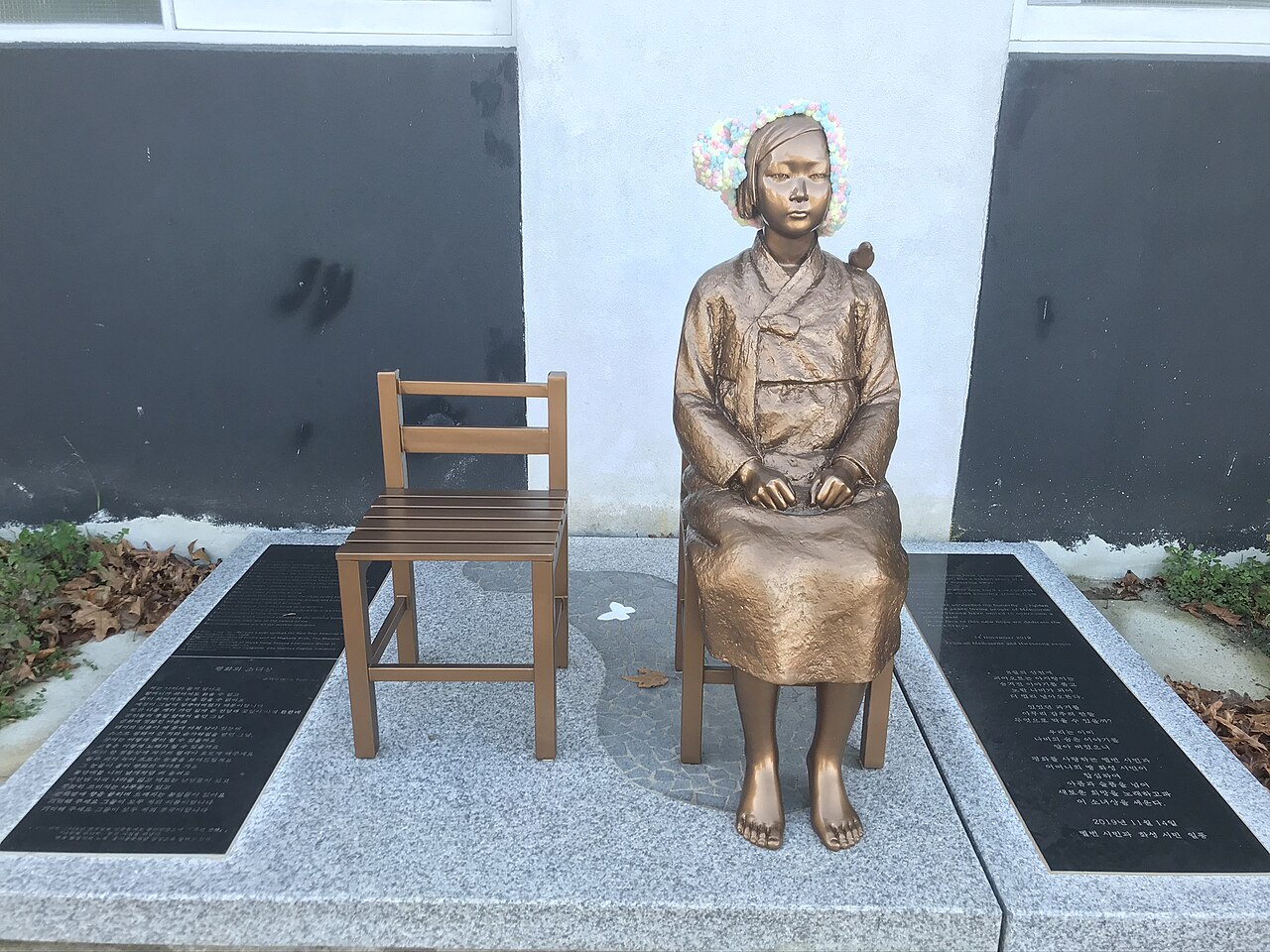
You think Chadstone history starts and ends with shopping, but the suburb is really a working-family reinvention story. Read it that way and the streets make more sense: industry, migration, lost local institutions, rising rents, and a suburb still negotiating what stays.
The Verdict
Chadstone’s real story is the shift from working suburb to high-demand, layered suburb. If you only want the useful version, that is the one to keep in your head: this was not a place built as a lifestyle brand, and it was not born as a polished destination. It grew around practical housing, workers, community institutions, and the slow outward push of Melbourne from the Yarra. The street grid, older housing stock, parks, shopping strip, church halls, sports clubs, and everyday shops came first. The suburb’s bones were made for families and working routines, not weekend content.
That matters because it explains the tension you still feel in Chadstone today. The newer version brought better food options, more investment, safer streets, renovated public spaces, and higher property values for owners who were already here. But the old version carried the cheaper shops, low-key social infrastructure, and a kind of local confidence that did not need to perform for outsiders. Migration added food, languages, and energy over time, so the suburb’s diversity is not a recent garnish. It is part of how Chadstone absorbed Melbourne’s wider growth. Don’t read Chadstone as a neat before-and-after upgrade story. You’ll miss the cost. Some buildings went, some businesses closed, and some people who helped make the suburb could no longer afford to stay.
What It’s Actually Like
The street-level reality is messier than the old-suburb/new-suburb line suggests. Chadstone still carries traces of the working years in its housing patterns, older local shops, parks, and community buildings, but the pressure around it is obvious. You are close to Malvern East on one side and Oakleigh and Hughesdale on the other, which means the suburb gets pulled between different identities: established residential streets, shopping-strip routines, family living, and the bigger Melbourne appetite for convenience and property growth.
Walk it properly and you notice the contrast. Some streets feel settled and practical, with homes that speak to an earlier period of suburban expansion. Others feel like they are waiting for the next renovation, rebuild, or higher-density decision. The old social infrastructure still matters: sports clubs, church halls, parks, and local shopping strips are where the historic Chadstone makes the most sense. They are not museum pieces. They are the ordinary places that explain how people actually lived here before the suburb became shorthand for change.
Skip this history if you are looking for a preserved heritage village. Chadstone is not that. The better lens is transition: what working families built, what migration changed, what development replaced, and what long-term residents still remember. If you are west of the stronger Chadstone pull and spending more of your time toward Ashburton or Malvern East, your day-to-day history probably connects more with those neighbouring suburbs. If you are closer to Oakleigh or Hughesdale, Chadstone’s story blends quickly into their food, migration, and transport rhythms.
Who This Suits
If you are a new renter, read Chadstone history as a warning about momentum: the suburb has changed before, and it will keep changing. If you are a first-home buyer, look at the older housing stock and street layout as clues to what has held value, not just what looks renovated today. If you are a long-term local, the important story is what got lost along the way: the affordable shops, familiar institutions, and people priced out by improvement that did not benefit everyone evenly. If you are a family, focus on the practical inheritance: parks, local clubs, community buildings, and streets designed around daily life. If you are just suburb-shopping, do not confuse convenience with character. Chadstone has both, but they come from different eras.
Cost-wise, the history matters because demand has not landed evenly. Growth brought higher property values for existing owners and more liveability for many residents, but it also made the suburb harder to enter. The old Chadstone was more affordable and less curated. The current Chadstone has more choice, better amenity, and stronger buyer attention, but the trade-off is obvious: the suburb that did not care about being noticed is now part of a competitive inner-east and south-east decision set.
The time caveat is simple. Chadstone reads differently depending on when you see it. On a quiet weekday, the older residential layer is easier to notice: the street grid, the parks, the ordinary community buildings. At busier times, the suburb can feel more like a convenience zone shaped by traffic, shopping habits, and nearby suburb spillover. Give it both views before you decide what Chadstone really is.
What to Do Next
Walk the older residential streets, then compare them with the newer retail and renovation pressure before making up your mind. For the current suburb picture, read the Chadstone suburb guide next.