Verdict Box
Chelsea is good for families who will actually use the beach, the station, and the compact local strip. It is not the right call if your family needs a big backyard, a dead-quiet street in January, or a secondary school sitting in the middle of the suburb.
The family case is strongest west of Nepean Highway, where school runs, supermarket trips, the station, Victory Park, and the sand can be folded into normal life instead of treated as weekend logistics. That is Chelsea’s real advantage: a parent can take a tired child from train to playground to dinner without crossing half the municipality.
The trade-off is density and exposure. Nepean Highway is a hard divider. Summer beach traffic changes the feel of the foreshore streets. Some older units are practical but not spacious. Some newer townhouses give families low-maintenance living, but the parking and storage compromises show up fast once bikes, prams, school bags, beach gear, and grandparents’ visits enter the picture.
For families, Chelsea is a yes with conditions: inspect the specific street, check the 2026 school zone for the address, understand parking, and be honest about whether a beach-side routine is worth paying for. If the answer is yes, Chelsea can be a very workable bayside base.
At-a-Glance Table
| Family factor | Chelsea 2026 reality |
|---|---|
| Best fit | Beach-focused families, train commuters, parents who like walkable errands |
| Watch-outs | Nepean Highway noise, summer parking, smaller lots, mixed older housing stock |
| Public transport | Chelsea Station is on the Frankston line and sits close to the main strip |
| Primary schools | Chelsea Primary School and St Joseph’s School are both local options |
| Secondary school check | Use the official Find My School tool because zones are address-specific |
| Parks and play | Victory Park, Chelsea Beach, foreshore paths, Bicentennial Park nearby |
| Housing feel | Units, townhouses, older houses, renovated family homes, tighter blocks near the beach |
| Verdict | Strong lifestyle suburb for families who value coast and convenience over land size |
Who It Suits
The Train-and-Beach Parent — wants a station suburb where the evening reward is a walk to the sand, not another drive.
Priya, 41, primary-school mum — wants errands, playgrounds, coffee, and after-school decompression close enough to do on foot.
The Downsizing Family — can live with a townhouse or compact house if it means less driving and more foreshore time.
The Weekend Sport Household — likes beach, lifesaving, local ovals, and easy movement to Carrum, Bonbeach, Edithvale, and Mordialloc.
Rent & Property Reality
Chelsea is not cheap in the way inland outer suburbs can be cheap. It is a bayside suburb with a train station, beach access, and a limited land supply, so family buyers and renters are paying for location as much as bedrooms. The practical question is not “is Chelsea affordable?” It is “which compromise are you buying?”
For renters, realestate.com.au’s Chelsea market profile reports houses renting around $680 per week and units around $550 per week, with yields listed for both houses and units on its Chelsea property market page. Those figures should be treated as suburb-level signals, not a promise for any individual listing. A renovated three-bedroom townhouse near the station, a tired villa east of the highway, and a larger family house closer to the beach can behave like three different markets.
The 2021 Census gives the older baseline: the ABS recorded Chelsea with 8,347 people, 2,214 families, an average household size of 2.2, median weekly household income of $1,683, and median weekly rent of $375 in the ABS Chelsea QuickStats. The gap between that Census rent and 2026 asking rents is the story many families already know: the post-2021 rental market moved hard, and coastal train suburbs did not sit outside that pressure.
Buyers should separate “Chelsea” into micro-locations. West of Nepean Highway is the lifestyle premium: beach, station, shops, playground, and walkability. East of the highway can offer more practical family housing, but the walk to the beach and station is different, and some pockets feel more car-dependent. Close to Nepean Highway, inspect at peak hour and with the windows closed. Near the foreshore, inspect parking reality on a warm weekend.
Apartment and unit buyers need to look beyond the headline price. Older villa units can be excellent for small families, especially if they have a courtyard and lock-up garage, but check owners corporation rules, storage, visitor parking, drainage, and heating or cooling. Townhouses solve maintenance, but many have tight second living areas or bedrooms that look fine empty and feel cramped once children have desks, clothes, toys, and sports gear.
Family buyers should also price in the lifestyle cost. Beach suburbs make it easy to spend casually: cafe runs, take-away after swimming, extra parking, surf club activities, school holiday treats, and the constant small purchases that happen when the main strip is close. Chelsea’s convenience is real, but convenience can quietly tax a household budget.
Local Reality & Pockets
Chelsea’s best family pocket depends on age and routine. Families with younger children tend to like the area around Chelsea Primary School, Chelsea Station, Victory Park, and the beach because the daily map is simple. You can do school, groceries, playground, train, and dinner without turning every errand into a car trip.
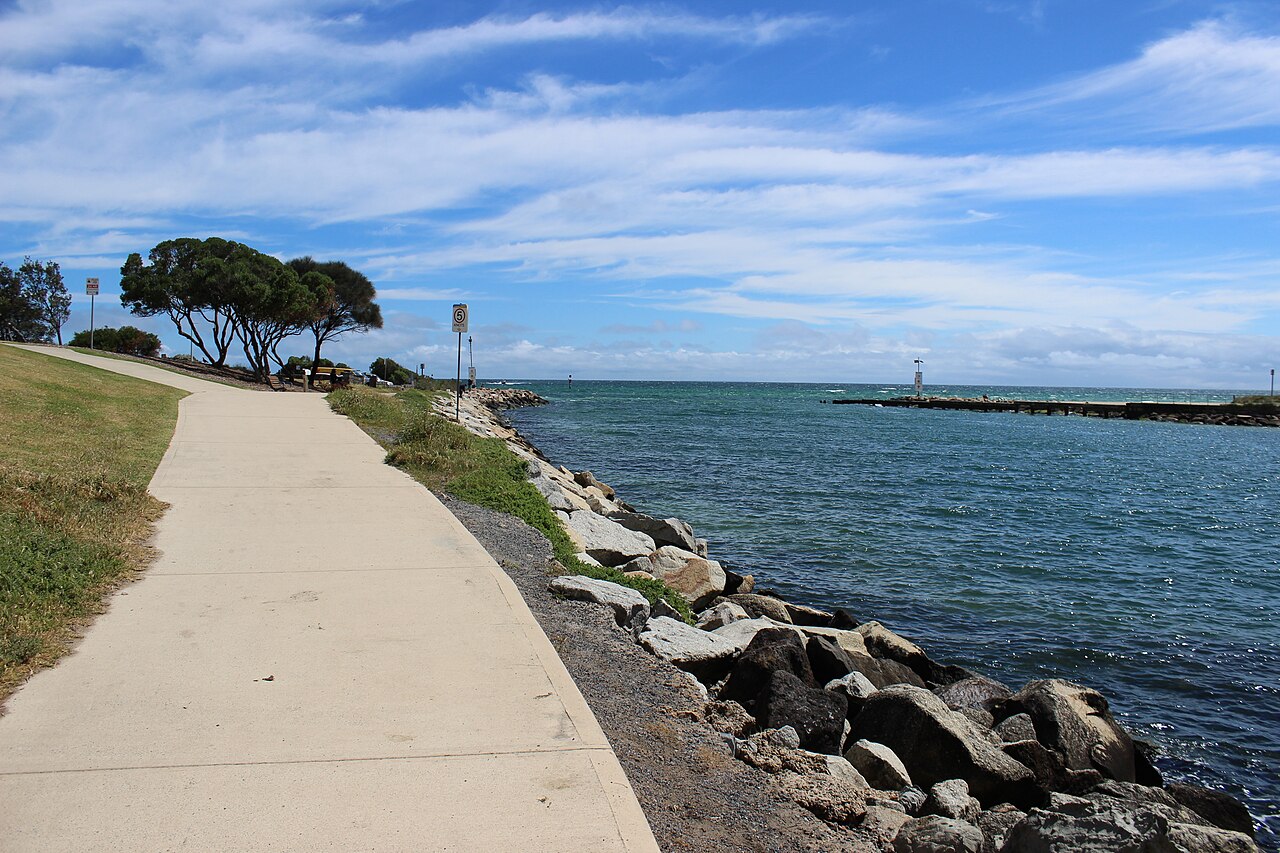
The foreshore is the emotional draw, and the council’s own Chelsea Beach and Victory Park listing describes a 1.5 kilometre sandy stretch, beach huts, showers, off-leash dog areas, the yacht club, Chelsea Longbeach Surf Club, and a playground with BBQs, picnic tables, shelters, and toilets. For parents, those details matter more than postcard language. Toilets, shade, paths, and places to sit are what decide whether a beach visit is easy with a toddler or punishing.
Victory Park is a major family asset because it sits where a playground should sit: close to the beach and close enough to shops that adults can build a morning around it. The lighthouse-style play equipment gives children an obvious focus, and the fenced elements help with younger kids. It is popular, which means it can be noisy and busy, but that is also why families use it.
Bicentennial Park, slightly inland, changes the rhythm. It is better for families who need more open space, bike practice, longer play, or a break from the beach crowd. It is also a useful reminder that Chelsea is not only its foreshore. The suburb has a practical inland layer that families should inspect, especially if the budget cannot stretch to the streets closest to the bay.
Nepean Highway is the main caution. It gives Chelsea visibility and access, but it also brings traffic, noise, and a psychological split. If you are buying or renting near it, do not rely on a quiet mid-morning inspection. Go during school pick-up, weekday peak, and a warm weekend. Listen from bedrooms, not just the living room. Try the pedestrian crossings with a child in mind.
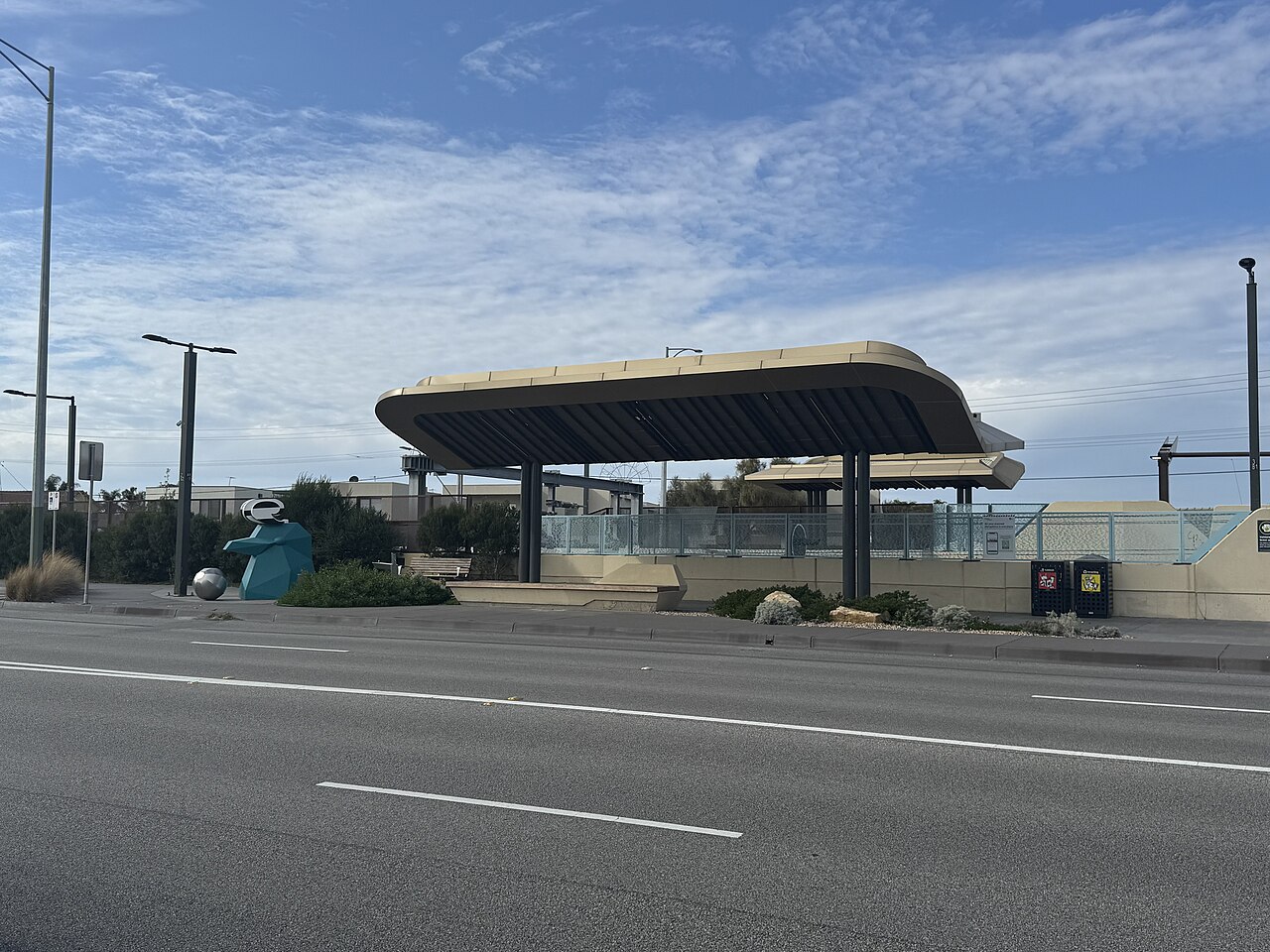
Chelsea’s station is a major advantage for commuting parents and teenagers. The Frankston line gives direct rail access north and south, and the rebuilt station precinct has made movement cleaner than the old level crossing era. Still, rail convenience means people movement. Streets near the station can feel less sleepy, and parking pressure is part of the deal.
Schools need address-level checking. Chelsea Primary School is the local government primary school, St Joseph’s School is the local Catholic primary option, and secondary pathways commonly involve looking beyond the suburb boundary. The Victorian Government says Find My School is the official current source for school zones, so families should test the exact address for the relevant enrolment year before signing a lease or contract.
Signature Craving
Chelsea’s family craving is not a rare tasting-menu moment. It is the practical, post-beach meal where sandy children are hungry, adults want a proper seat, and nobody has the patience to drive fifteen minutes for dinner.
Longbeach Hotel is the obvious local answer because it sits at 380 Nepean Highway, close to Chelsea Beach, and has the scale families often need: bistro seating, cafe-style options, space to spread out, and a format that can absorb children, grandparents, prams, and tired adults. It is not trying to be delicate. That is the point. A family suburb needs places where dinner still works when one child is wet from the beach and another is fading after sport.
For coffee and lighter food, Chelsea’s Nepean Highway strip has local cafe options, including Two Feet First at 451 Nepean Highway. The better family move is to think in sequences: playground first, then coffee; swim first, then early dinner; station pick-up, then supermarket; Saturday sport, then beach. Chelsea’s food scene is useful because it fits into those routines.
The honest warning: summer can change everything. A simple cafe stop can become a parking exercise. A beach dinner can feel easy in March and crowded in January. Families moving from inland suburbs should treat warm-weather demand as part of the suburb, not an occasional exception.
Comparisons Table
| Suburb | Family upside | Family trade-off | Better for |
|---|---|---|---|
| Chelsea | Beach, station, shops, Victory Park, compact daily routines | Smaller blocks, summer crowds, Nepean Highway exposure | Families who value walkability and coast |
| Bonbeach | Quieter beach feel, strong coastal lifestyle, close to Patterson River | Fewer shops and services than Chelsea | Families wanting a softer residential feel |
| Edithvale | Beach access, wetland proximity, family streets, station access | Less of a central strip than Chelsea | Families wanting calmer streets near nature |
| Chelsea Heights | More suburban housing feel, easier access to larger parks and roads | No beach-side station lifestyle | Families prioritising space and car access |
Trust Block
Author: Kate Morrison
Local lens: This guide is written for families deciding whether Chelsea works as an everyday base in 2026, not for visitors choosing a beach day.
Evidence used: ABS 2021 Census data, current realestate.com.au suburb market indicators, Victorian Government school-zone guidance, City of Kingston park and foreshore information, and named local venues.
Method note: Median rents and school zones change. Treat suburb-level property figures as a starting point, then check live listings, recent leased results, and the exact school zone for the address before making a decision.
Last updated: 25 May 2026
FAQ
Q: Is Chelsea good for families in 2026?
A: Yes, for families who value beach access, train convenience, local schools, playgrounds, and walkable errands. It is less suitable for families who need a large block, very quiet streets, or a secondary school inside the suburb.
Q: What is Chelsea’s biggest family advantage?
A: The daily lifestyle is compact. Around the station and foreshore, families can combine school, transport, groceries, beach, playgrounds, and casual food without constant driving.
Q: What is the biggest drawback for families?
A: The main drawbacks are housing cost, smaller lots, Nepean Highway noise, summer parking pressure, and the need to check secondary school arrangements carefully.
Q: Are there good playgrounds in Chelsea?
A: Yes. Victory Park near Chelsea Beach is the headline family playground, with toilets, BBQs, picnic tables, shelters, and beach access. Bicentennial Park adds a larger inland recreation option.
Q: Is Chelsea Beach practical with young children?
A: It can be very practical because the foreshore has toilets, showers, paths, and nearby food options. The challenge is crowding and parking during warm weather, especially on weekends and school holidays.
Q: What schools should families know about?
A: Chelsea Primary School and St Joseph’s School are key local primary options. For government school zoning, families should use Find My School for the exact address and enrolment year.
Q: Is Chelsea better than Bonbeach for families?
A: Chelsea is better if you want more shops, station convenience, and a busier centre. Bonbeach may suit families wanting a quieter coastal feel with less commercial activity.
Q: Is Chelsea better than Edithvale for families?
A: Chelsea has the stronger local strip and a more concentrated beach-and-station lifestyle. Edithvale can feel calmer and may appeal to families who prefer wetlands, quieter streets, and less activity around the shops.
Q: Is Chelsea Heights a better family choice than Chelsea?
A: Chelsea Heights can be better for families wanting a more conventional suburban feel and potentially more practical housing. Chelsea is better for families who want the beach and station woven into daily life.
Q: Do families need a car in Chelsea?
A: Most families will still want a car, especially for sport, school choices, bulk shopping, and bad weather. But the better Chelsea pockets reduce the number of short local trips that need one.
Q: Is Chelsea safe enough for children to walk around?
A: Many family routines are walkable, but road context matters. Nepean Highway, station traffic, beach crowds, and individual street design all affect how comfortable a walk feels with children.
Q: What should renters inspect most carefully?
A: Check heating and cooling, dampness, storage, bedroom size, parking, noise, flyscreens, outdoor space, and the route to school or station. In older units, also check shared driveways and owners corporation rules.