Verdict Box
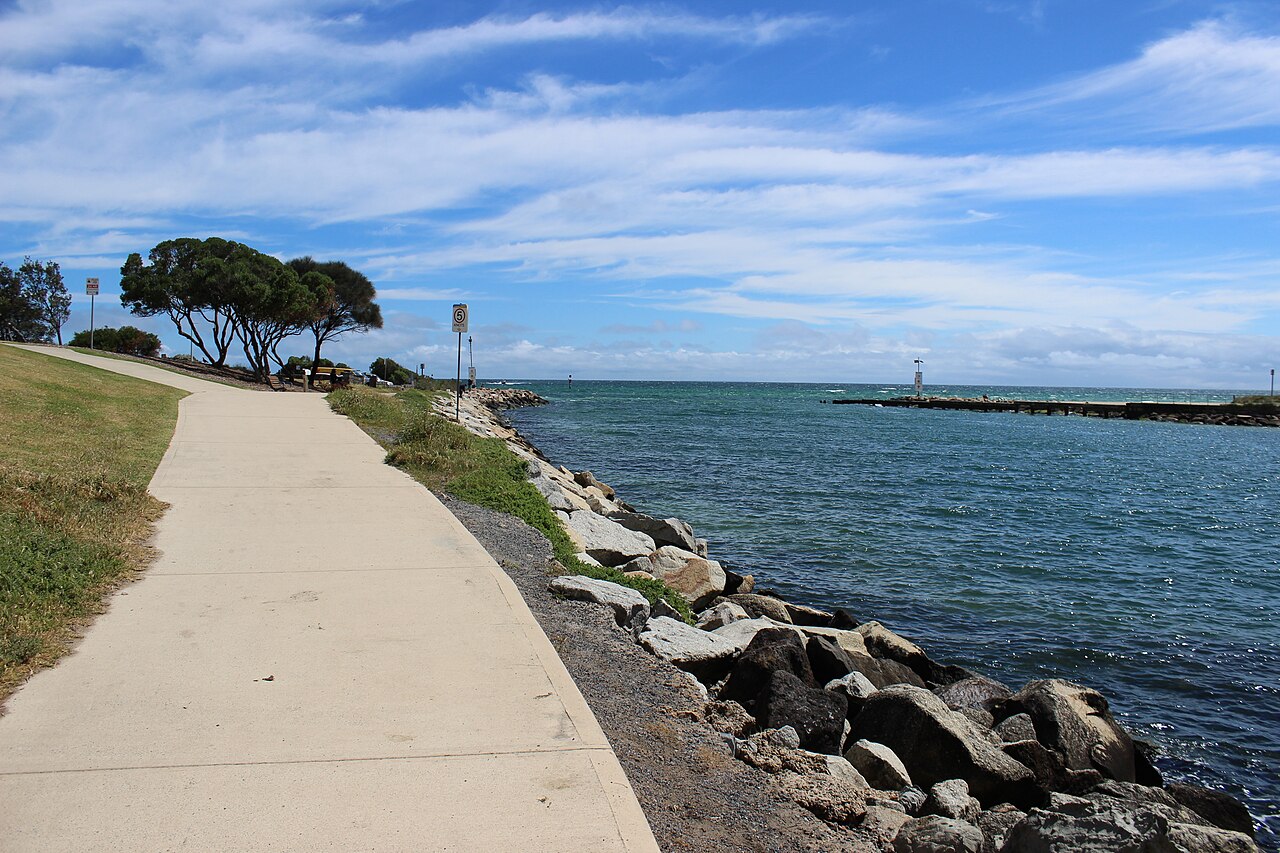
Best for: remote workers who want sea air before 9am, a train line nearby, and cafes that work for short laptop sessions rather than all-day desk camping. Skip if: you need a polished coworking hub, private call rooms, after-dark food choice, or inner-city client access more than twice a week. Rent pressure: awkward. Chelsea is cheaper than the prestige bayside strip, but its small rental pool means one decent one-bedder can be chased hard. Commute reality: the Frankston line makes hybrid work possible, but it is still a long ride to the CBD compared with Elsternwick, Murrumbeena or Footscray. Food scene: useful, not deep. You get Thai, Peruvian, Chinese, fish and chips, cafe basics and ice cream, but not a full work-lunch rotation. Family fit: strong for beach-and-train households, less ideal for renters needing cheap extra bedrooms. Overall score: 7/10 if your work is mostly remote; 5.5/10 if you are CBD-facing three days a week.
At-a-Glance Table
| Factor | Chelsea 2026 |
|---|---|
| LGA | Kingston City Council |
| Postcode | 3196 |
| Geographic tier | South |
| Region | middle-south |
| Transport grade | N/A |
| Overall grade | N/A |
Who It Suits
Mira, 34, UX contractor — wants a morning beach walk, two client trips a week, and a cafe table for admin rather than eight-hour laptop shifts. The Quiet Operator — works from home, avoids big coworking memberships, and values train access more than late-night dining. Sam and Priya, 41 and 39, hybrid parents — need school-run practicality, weekend water, and enough takeaway options without paying Brighton prices.
Rent & Property Reality
$475/week is the practical current one-bedroom marker in Chelsea, with year-on-year movement best read against REA’s broader Chelsea unit median of $550/week, up 4% over 12 months according to realestate.com.au rental listings. Domain’s live Chelsea rental page also shows the problem clearly: it had only one 1-bedroom unit in the sample and no separate 1-bed unit median, while 2-bedroom units sat around $525/week on Domain. That matters more than the headline number.
For remote workers, Chelsea rent is less about finding a cheap beachside one-bedder and more about whether you can tolerate thin supply. A $475 one-bedroom apartment looks reasonable beside inner bayside suburbs, but it can be a compromise property: older block, limited insulation, one car space, and a floor plan that may force your desk into the living room. Once you want a separate work zone, the market quickly pushes you into two-bedroom units, townhouses, or older houses, and that is where the weekly rent stops feeling like a bargain.
The real trap is comparing Chelsea to the CBD or inner north on price alone. You may save on rent, but you can give some of it back through longer train days, extra petrol, occasional coworking trips, or needing a better home office setup because local third spaces are limited. If your employer pays for coworking, Chelsea is not the easiest suburb to use that perk because the nearest serious options are outside the suburb. If you work from home four days a week and only need the city occasionally, the rent can make sense. If you are on video calls all day, inspect for traffic noise, neighbour noise, mobile reception and where the desk actually goes before falling for the postcode.
Local Reality & Pockets
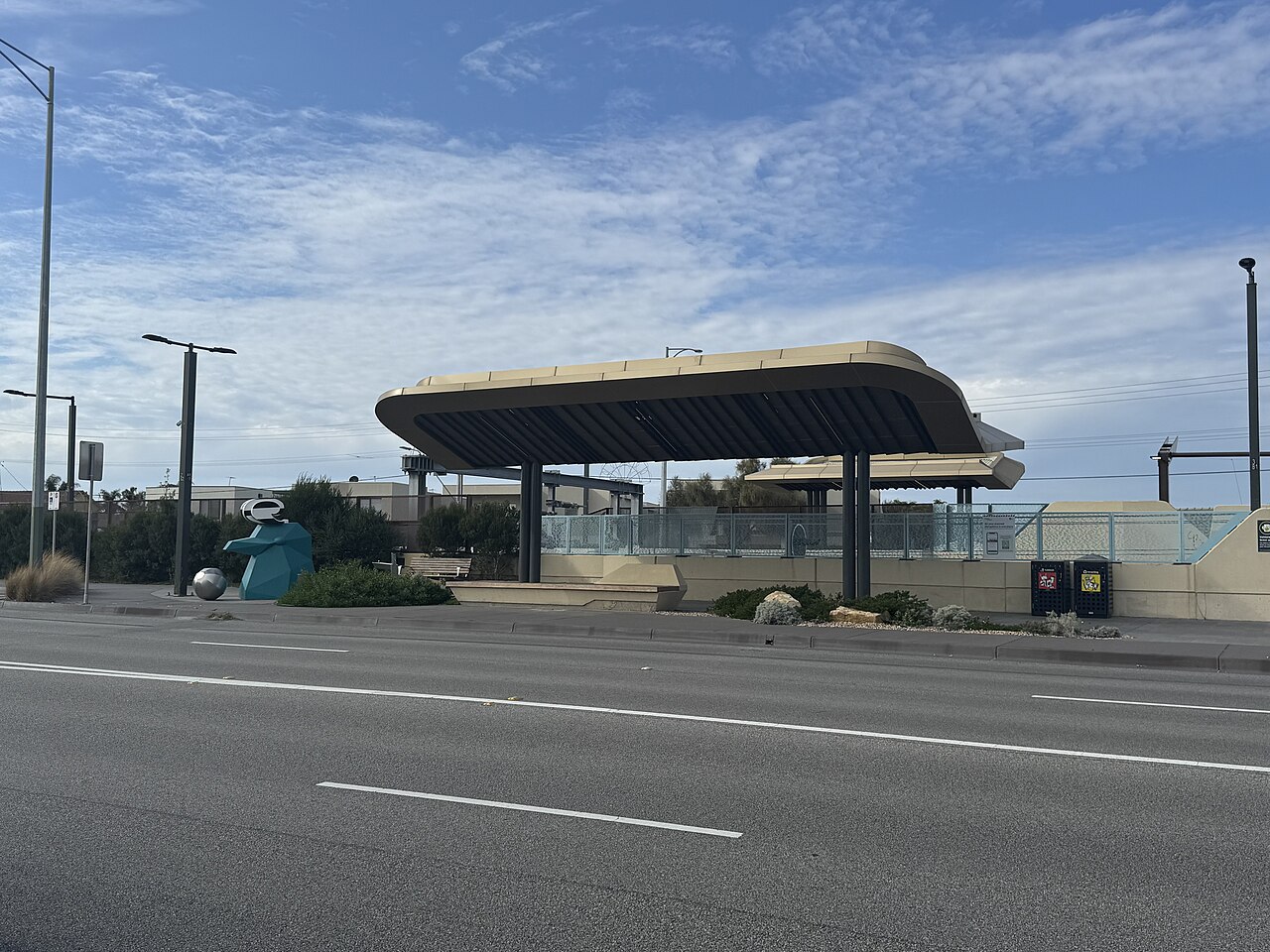
For remote work, the best Chelsea pockets are the ones that reduce daily friction: close enough to Chelsea station for the Frankston line, far enough from Nepean Highway that calls are not backed by truck noise, and close enough to Station Street or the beach that a break does not require driving. The sweet spot is usually in the residential streets between the railway line and the beach, where walking to the train, sand and local shops is realistic. Streets around Avondale Avenue, Argyle Avenue, Sherwood Avenue, Thames Promenade and parts of Embankment Grove can work well if the building is quiet and parking is not squeezed.
Nepean Highway is useful but not restful. The venue strip gives you Fourseas Chinese at 393 Nepean Highway, Inca Gourmet at 414, The Chelsea Collective at 416A and A day in BKK at 453, so it is handy for coffee, lunch and takeaway. But living right on or hard against that corridor means traffic noise, delivery movement, harder visitor parking and less of the beach-suburb payoff. It can suit renters who want convenience and do not mind background road sound; it is not the first pick for anyone recording audio, taking client calls from a balcony, or working with windows open.
Station Street is practical because it anchors food and local movement, with Southern Seas at 323 Station Street as a useful reference point. The trade-off is local parking pressure, school-hour movement, beach-season spillover and more short stops by drivers. Chelsea Road and the station-adjacent streets are better for commuters but can feel busy at peak times, especially when train delays push more people onto buses, cars or pick-up runs.
Two honest gotchas: first, Chelsea has lifestyle appeal but not much dedicated coworking, so your home needs to function as the office. Second, summer changes the suburb. Parking near the beach gets tighter, Nepean Highway feels more exposed, and casual cafe tables are harder to rely on. If you inspect in winter, mentally add beach traffic, glare, heat and more foot movement before signing.
Signature Craving
The remote-work lunch move in Chelsea is not a long tasting-menu fantasy; it is picking the right venue for the job. The Chelsea Collective on Nepean Highway is the sensible coffee-and-reset stop when you need to get out of the house without pretending the cafe is your rented office. For a proper break, Inca Gourmet Fine Peruvian Cafe & Restaurant gives the strip more personality than the standard sandwich-and-muffin routine, while A day in BKK covers the easy Thai dinner after a late Zoom finish. Fourseas Chinese is the old-school option for no-drama takeaway, and Southern Seas on Station Street is the beach-adjacent fish-and-chips answer when the laptop closes early. The honest verdict: Chelsea eats well enough for locals, but remote workers who need a different work lunch every day will hit the ceiling quickly.
Comparisons Table
| Suburb | Transport | Tier | Region |
|---|---|---|---|
| Chelsea | N/A | South | middle-south |
| Aspendale | B | South | middle-south |
| Aspendale Gardens | N/A | South | middle-south |
| Bonbeach | A | South | middle-south |
Trust Block
Author: Dani Reyes — Melbourne food writer covering suburb-by-suburb honest eats. Pays her own bills.
Data: data/melbourne_suburbs_master.json (Codex per-LGA enumeration, cross-checked vs VEC + Australia Post + ABS SA2 boundaries), data/suburb_scores.json (composite percentile grades), data/venues/.json (OpenStreetMap + Gemini-verified venue catalog).
Last reviewed: 2026-05-26. Not financial advice. We do not accept paid placements in editorial.
FAQ
Q: Is Chelsea good for remote workers in 2026? A: Chelsea is good for remote workers who already have a workable home setup and want their off-screen life to be better. The beach, Frankston line, local cafes and takeaway options make the week easier, especially if you only commute once or twice. It is weaker for people who rely on formal coworking, frequent private calls outside the house, or a dense lunch scene. Treat Chelsea as a home-office suburb with useful extras, not as a ready-made remote-work district.
Q: Are there proper coworking spaces in Chelsea? A: Chelsea is not a strong dedicated coworking suburb. You may find cafes suitable for short admin sessions, but that is different from a professional desk, monitor, meeting room and phone-booth setup. If your work involves confidential calls, long video meetings or client presentations, plan to work from home or travel to larger centres nearby. The realistic local model is home office first, cafe break second, occasional external coworking when you need separation or better facilities.
Q: Which part of Chelsea is best if I work from home? A: Look for residential streets that keep you close to Chelsea station and the beach but away from constant Nepean Highway noise. The beachside-of-rail pockets can be strong if the building is insulated, parking is workable and the floor plan has a real desk position. Station-adjacent addresses help commuters but may bring more foot traffic and parking pressure. Inspect at the time you normally take calls, not just on a quiet weekend morning.
Q: What is the main downside of remote working from Chelsea? A: The biggest downside is that the suburb asks your home to do most of the work. There is no deep coworking layer to absorb bad Wi-Fi, noisy neighbours, heat, school-holiday distraction or a week of back-to-back calls. If the rental has thin walls, poor cooling, weak natural light or nowhere for a proper chair, Chelsea’s beach access will not fix your workday. The inspection checklist matters more here than the suburb brochure.
Q: Can I rely on cafes in Chelsea for laptop work? A: Only for short sessions. The Chelsea Collective and other local venues can be useful for coffee, email, reading or a quick reset, but cafe work should not be your core plan. Tables are limited, lunch trade matters to the business, and summer or weekend demand can change the feel quickly. If you need power, quiet, privacy and a guaranteed seat, solve that at home or use a proper workspace outside the suburb.
Q: How hard is the city commute from Chelsea? A: Chelsea is viable for hybrid work but not effortless. The Frankston line gives you a direct rail option, which is the suburb’s big advantage over car-dependent coastal pockets. The catch is distance: CBD days are long enough that two or three trips a week will shape your routine. If your office expects frequent late meetings, inner-city networking or spontaneous attendance, Chelsea may feel too far. For predictable one-or-two-day hybrid, it is much easier to justify.
Q: Is Chelsea rent good value for a one-bedroom renter? A: It can be, but only if you judge the actual property, not the suburb image. One-bedroom supply is thin, and the better-priced places may be older, compact or short on desk space. Around $475 a week can look reasonable for a bayside address, yet a two-bedroom unit may be the more practical remote-work choice if your budget allows it. A cheap one-bedder that forces you onto the couch for calls is false economy.
Q: What should I check before renting in Chelsea as a remote worker? A: Check NBN type, mobile reception, traffic noise, window orientation, cooling, heating, neighbour noise and whether a full-sized desk fits without blocking daily life. Visit near peak traffic if the property is close to Nepean Highway, Chelsea Road or the station. Ask where bins, visitor parking and deliveries happen, because those small noises become bigger when you work from home. Also check summer sun and glare; beach suburbs can look gentle until a hot afternoon hits.
Q: Does Chelsea have enough food options for someone working from home? A: Chelsea has enough for a normal local week, not enough for a food-obsessed office replacement. You can rotate through The Chelsea Collective, Inca Gourmet, A day in BKK, Fourseas Chinese, Southern Seas and simple ice cream or juice stops, which covers coffee, takeaway and casual meals. The limitation is depth. If you expect a new lunch option every day, late-night choice or specialist food errands, you will be driving or using nearby suburbs.