You walk Chelsea now and the story looks split: seaside retreat, working suburb, commuter base, cafe-era reset. Here’s the useful version of its history: what actually changed, what stayed visible, and what locals still argue about.
The Verdict
Chelsea’s real historical turning point was the shift from holiday escape to permanent bayside suburb. If you only remember one thing, make it that: Chelsea stopped being mainly a place Melburnians visited to cool off and became a place people built ordinary lives around. The street grid, older housing stock, shopping strip, parks, community halls, sports clubs and local pubs all make more sense once you see that change. This was not a suburb invented by developers last decade. It grew in layers, with each era leaving something behind.
The strongest reason to care is that Chelsea’s current personality comes from that layering. The old seaside retreat explains the relaxed coastal bones. The working years explain the local institutions and the neighbourly, practical streak. The recent shift explains the renovated pub, the cafe energy, the better food options, the pressure on rents, and the uneasy feeling that some of the old Chelsea has been sanded back. The obvious lazy take is that Chelsea simply “gentrified”. That misses the point. Chelsea changed gradually, street by street, as transport improved and permanent residents replaced the holiday crowd. Don’t romanticise the old version too much, though. Some things were more affordable and less polished, but not everything lost was perfect, and not everything new is fake.
What It’s Actually Like
The best way to read Chelsea’s history is on foot. Start around the shopping strip, then look at the older homes, the public spaces, and the places where a milk bar, workshop, or plain community building could now plausibly be a cafe, gallery, or renovated venue. That is the suburb’s story in miniature: useful local infrastructure first, lifestyle polish later. You can still see the older Chelsea in the layout, even when the shopfronts have changed.
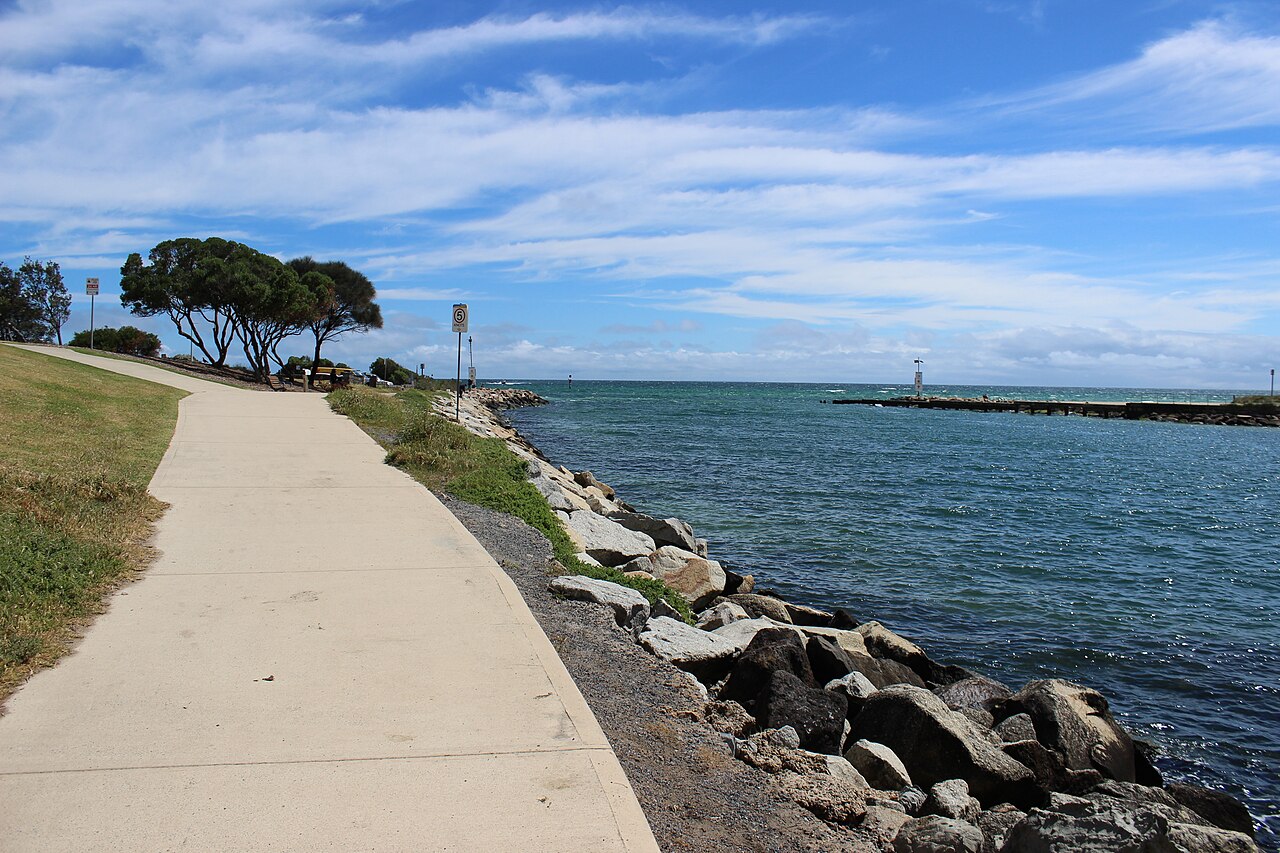
The recognisable markers are the Chelsea shopping strip and the bay-side public spaces that made the suburb attractive in the first place. The old social map also ran through pubs, sports clubs, church halls, parks and local shops. These were not just background details. They were how people met, watched kids grow up, heard gossip, joined teams, and measured whether the suburb still felt like itself. That matters because the argument about Chelsea is not only about buildings. It is about who had room to stay when the suburb became more desirable.
Skip the neat heritage-tour mindset if you want a museum suburb. Chelsea is not frozen in one era. Some older institutions are gone, some have been renovated, and some of the change is only obvious if you know what used to be there. If you are west of Chelsea’s coastal strip and trying to understand the broader area rather than the suburb itself, compare it with Edithvale, Bonbeach, or Chelsea Heights instead. Chelsea’s history is bayside first, suburban second, and development-pressure third.
Who This Suits
If you are a new resident, read Chelsea as a suburb that was lived in before it was marketed. That will help you understand why long-term locals can be protective of ordinary things: the old shop, the unfashionable pub, the sports club, the street that used to feel quieter. If you are a buyer, focus on the layers rather than the brochure version. Older homes, newer apartments, renovated hospitality and improved infrastructure all point to continuing demand. If you are a renter, the history explains why affordability feels more fragile here than it once did. If you are a history-minded walker, pick the shopping strip, older residential pockets, parks and public spaces over a checklist of grand landmarks.
Cost expectations are simple: Chelsea’s history has become part of its value. Better food options, safer streets, transport improvements and a stronger local scene have made the suburb more liveable, but those gains also helped push prices and rents upward. Existing owners benefited more than people trying to get in later. That is the uncomfortable trade under the whole story.
Time of day changes how Chelsea reads. In warm weather, the old seaside-retreat identity is easier to understand because the suburb’s appeal still comes from escaping the harder edges of the city. On a weekday, the commuter and permanent-resident version is clearer: shops serving locals, people moving through routine, the suburb doing normal work rather than performing charm. In ten years, expect more density and more development pressure. The question is whether Chelsea keeps enough of its useful, unpolished local character while it grows.
What to Do Next
Walk Chelsea before judging it: start at the shopping strip, move through the older streets, then compare what you saw with the current Chelsea suburb guide. The history makes more sense when you can see the layers in front of you.