
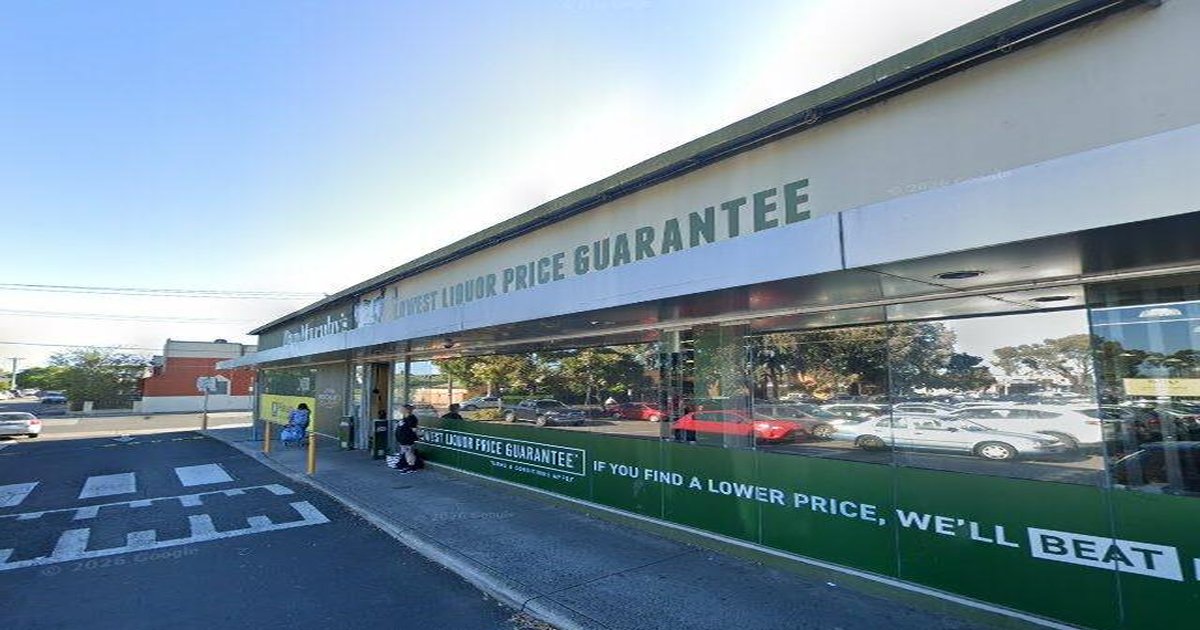
Coburg’s history is written in its bluestone walls, its multicultural shopping strip, and the former prison that’s now a brunch destination. Understanding how this suburb evolved explains why it feels the way it does today.
The Early Days: Farmland and the Pentridge Connection
Before suburbia, Coburg was agricultural land — market gardens and orchards serving colonial Melbourne. The area was originally known as Pentridge, named after a village in Dorset, England. The name stuck to the prison that would define the suburb for over a century.
Pentridge Prison opened in 1851 and operated until 1997. For 146 years, it was one of Australia’s most notorious correctional facilities. The bluestone buildings that housed inmates now house The Boot Factory (brunch), The Glass Den (cafe), and North & Common (fine dining). Ned Kelly was held here. Ronald Ryan, the last person executed in Australia, was hanged within its walls in 1967.
The prison’s presence shaped everything about Coburg — the streets were laid out around it, the local economy serviced it, and the suburb’s identity was inseparable from it.
The Working Suburb: Post-War Growth
Coburg’s population boomed in the post-war decades. The housing that defines the suburb today — brick veneer homes, California bungalows, walk-up flats — went up between the 1940s and 1970s. The Upfield train line connected workers to the city. Sydney Road became the commercial spine.
Migration waves transformed the suburb’s character. Italian and Greek families arrived in the 1950s and 60s, establishing the community institutions — the churches, the sports clubs, the delis — that still exist in some form. Trivelli Cakes on Sydney Road has been making cannoli since 1965.
Turkish and Lebanese communities followed from the 1970s onward, and their mark on Sydney Road is indelible. The bakeries, the kebab shops, the grocers selling zaatar and halloumi — this is the food strip that Coburg is now known for.
The Gentrification Question
Coburg’s transformation accelerated in the 2010s. Young professionals priced out of Brunswick and Fitzroy moved north along the Upfield line. New cafes appeared where milk bars used to be. The pub got a renovation. The rent started climbing.
The Pentridge Prison redevelopment, which began in earnest around 2015, was the symbolic turning point. Heritage buildings were repurposed into apartments, restaurants, and retail. The precinct attracted new residents and visitors. Property values followed.
What got lost: some of the affordable shops, some of the community institutions, some of the character of a suburb that didn’t care about Instagram. Long-term residents carry specific frustrations about what was demolished, what closed, and who was priced out.
What arrived: better food options, improved infrastructure, the Pentridge dining precinct, and a cafe scene that rivals Brunswick’s. Whether the trade was worth it depends on who you ask.
Coburg Today
Today Coburg carries its history visibly. The bluestone prison walls sit next to new apartment buildings. A1 Bakery (Lebanese, established decades ago) operates a few blocks from Beit Siti (Palestinian, opened 2024). The Post Office Hotel on the corner of Bell Street and Sydney Road has been a pub for over a century and still serves the community.
The suburb was governed by the City of Moreland until 2022, when the council renamed itself the City of Merri-bek — a decision that generated significant local debate. Some locals have adjusted. Others still call it Moreland.
Where Coburg Is Heading
The trajectory is clear: continued demand, continued development, continued evolution. The Pentridge precinct is still filling out. Sydney Road’s dead stretches are slowly being activated. The Merri Creek corridor is being revegetated. New apartment developments are adding density.
Whether Coburg preserves the things that make it worth living in — the multicultural food scene, the community warmth, the affordability relative to its neighbours — depends on how it’s managed over the next decade.
FAQ
What was Pentridge Prison? One of Australia’s most notorious prisons, operating from 1851 to 1997 in Coburg. The heritage bluestone buildings have been redeveloped into a dining, residential, and cultural precinct.
When did Coburg become multicultural? Italian and Greek migration began in the 1950s. Turkish and Lebanese communities established themselves from the 1970s. Vietnamese, South Asian, and East African communities have grown more recently.
Why did Moreland change its name to Merri-bek? The City of Moreland renamed itself Merri-bek in 2022 after community consultation. The name Moreland had links to a historical figure associated with slavery.
The Verdict
Coburg’s history gives the suburb its depth. The prison heritage, the migration waves, the gentrification tensions — these aren’t just stories, they’re visible on every block. Walk Sydney Road and you’re walking through 150 years of Melbourne’s story, compressed into a single strip.
More Coburg: Coburg Neighbourhood Guide · Coburg Honest Guide · Coburg for Families
💬 Discussion
Join the conversation — no account needed