Verdict Box
Collingwood is not a suburb to assess with a simple yes or no. At night, it works well for people who understand inner-city rules: use Smith Street, Johnston Street, Wellington Street or Hoddle Street when you want light and passing traffic; avoid treating quiet warehouse lanes as shortcuts; and do not assume every street feels the same after 10pm.
The local reality is mixed. Smith Street can feel comfortable because there are restaurants, bars, trams, delivery riders, late diners and people walking between Fitzroy and Collingwood. That activity matters. A street with open venues and a steady stream of people usually feels very different from a blank industrial frontage one block away. The issue is not that Collingwood becomes unusable after dark. The issue is that the suburb has sharp edges: active one minute, empty the next.
For Maya, a 32-year-old renter considering a one-bedroom apartment near Smith Street, the practical verdict is this: Collingwood is manageable at night if your building has secure entry, your route home is direct, and you are comfortable with the normal friction of an inner-city entertainment area. It is less suitable if you want silent streets, easy parking at your door, and a low chance of encountering intoxicated people, rough sleepers, loud groups, or petty theft risk around cars and bikes.
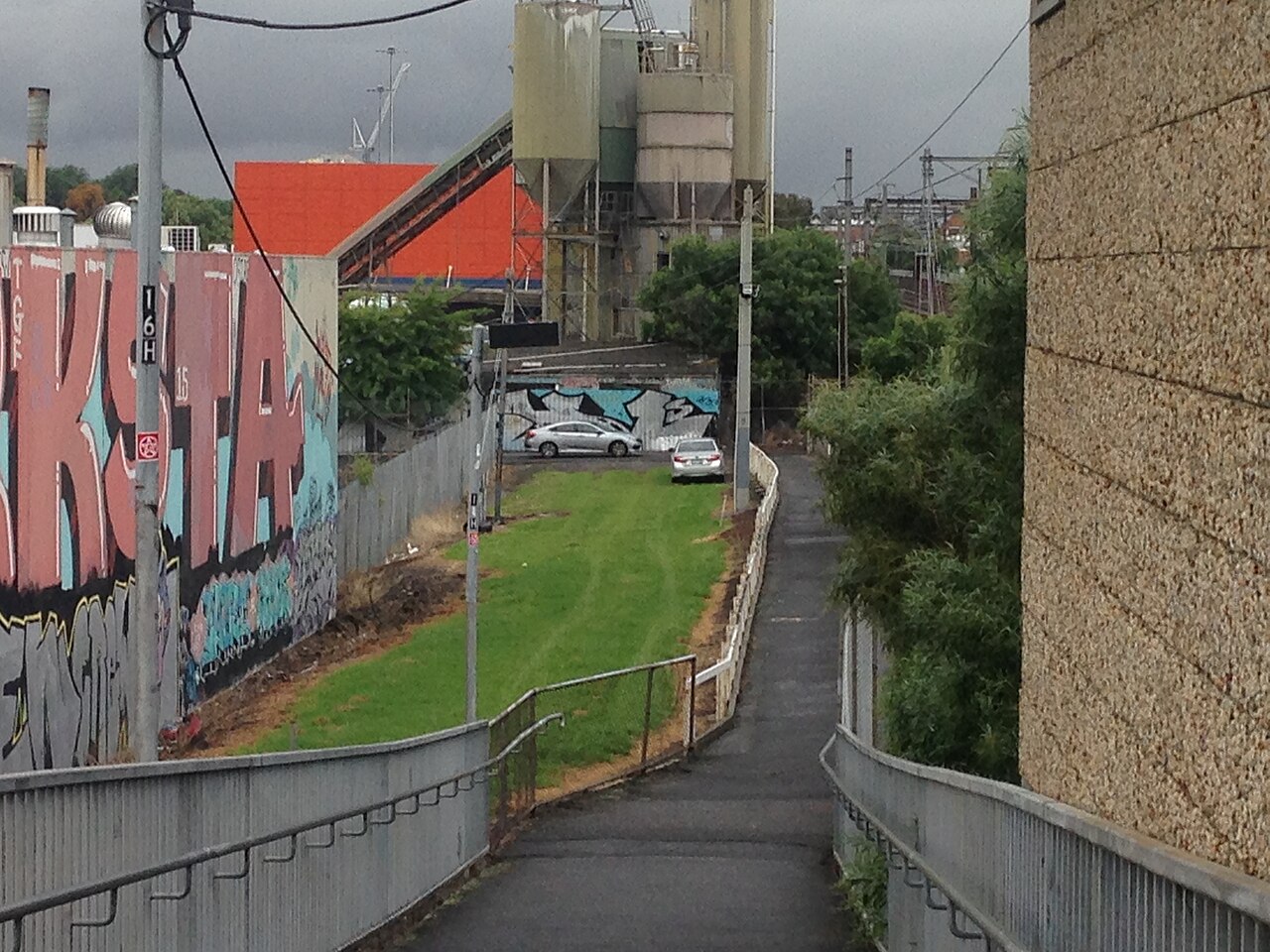
The safest-feeling pockets are usually the lit commercial strips and the apartment-heavy streets with passive surveillance. The weaker pockets are isolated side streets, blank commercial edges, car parks, underused corners near major roads, and late-night walk-home routes where the crowd thins quickly. Collingwood rewards street awareness. It does not reward denial.
At-a-Glance Table
| Question | Honest answer |
|---|---|
| Is Collingwood safe at night? | Generally workable on main routes, uneven on quiet side streets. |
| Best night route | Smith Street, Johnston Street, Wellington Street, Hoddle Street, or direct tram corridors. |
| Main risk pattern | Intoxicated behaviour, opportunistic theft, bike theft, car break-ins, and isolated-feeling shortcuts. |
| Good for solo walkers? | Often fine on active streets, less comfortable when venues close or streets empty out. |
| Best local safety asset | Lots of open venues, foot traffic, trams, rideshare access and apartment windows facing the street. |
| Biggest mismatch | People expecting village quiet from a dense inner-city suburb with late trade and nightlife. |
| Late transport | Trams and buses help, but the final 300 metres to your door matters most. |
| Property filter | Secure entry, lighting, bike storage, parcel security and a route you would actually use at midnight. |
Who It Suits
Maya, 32, inner-north renter - wants bars, coffee, trams and a short city commute, and is comfortable choosing sensible routes after dark.
The Gig Worker - finishes late, values food options and transport, and needs a building with secure entry and somewhere safe for a bike.
The Social Couple - likes dinner, pubs and friends nearby, but still wants a home street that feels calm enough on weeknights.
The Street-Smart Downsizer - wants compact living close to services, but will inspect lighting, entrances and noise before signing anything.
Rent & Property Reality
Collingwood’s night-safety question is tied closely to its housing stock. This is a dense suburb with apartments, converted warehouses, older terraces, narrow lanes, mixed commercial frontages and a steady supply of renters. Domain’s suburb profile records Collingwood as a heavily renting suburb, with a younger average age band and a high share of single-person households. That matters because rental turnover, apartment density and late-night movement all shape how the streets feel after dark. See the current Domain Collingwood suburb profile for live sales, rental and demographic indicators.
Rent is not cheap. Realestate.com.au’s Collingwood profile for May 2025 to April 2026 showed two-bedroom houses around the high $700s per week and three-bedroom houses close to $1,000 per week, with apartments also carrying strong inner-city pricing. The exact figure changes by building, parking, outdoor space and condition, but the broader point is stable: you pay a premium for proximity to Smith Street, Fitzroy, the CBD fringe, hospitals, universities, offices and hospitality work. Check the live realestate.com.au Collingwood market profile before using any number in a budget.
For safety, the rent question should not stop at bedrooms and price. A cheaper listing can become a worse deal if the entrance is down a poorly lit lane, the intercom does not work, bike storage is exposed, or the walk from the tram stop feels uncomfortable at night. Inspect after sunset if night safety is a genuine concern. Stand outside for ten minutes. Watch whether people pass regularly. Check lighting around the doorway. Look for secure mailboxes, fob access, working garage doors and clear sightlines.
The Australian Bureau of Statistics 2021 Census also helps explain the suburb’s rhythm. Collingwood has a high share of people who walk, cycle or use public transport compared with many outer suburbs. The local population is less car-dependent, more apartment-oriented, and more likely to be out on foot. That helps active streets feel safer, but it also means footpath conflict, bike theft risk and late-night noise are part of the living equation. The relevant ABS snapshot is the 2021 Collingwood QuickStats page.
Buyers should be equally practical. A terrace on a quiet street may feel charming at inspection but expose you to parking pressure, old locks, side access and noise bleed. A newer apartment may offer better security but weaker street character, smaller rooms and owners corporation rules. The safest-feeling property in Collingwood is often not the most polished one. It is the one with a visible entry, good lighting, reliable access control, sensible waste areas, secure bike parking and a route home that does not depend on wishful thinking.
Local Reality & Pockets
Smith Street is the main night spine. It sits on the Collingwood and Fitzroy edge, which means it draws people from both sides. Restaurants, bars, supermarkets, bottle shops, take-away counters and tram stops keep parts of it active well into the evening. That does not make it risk-free. It means you are less likely to feel alone. The trade-off is exposure to alcohol, loud groups, street arguments and the occasional person behaving unpredictably.
Johnston Street is more variable. Near the venues and main intersections it can feel active, but some stretches thin out quickly. It is a useful east-west route, especially if you are crossing toward Fitzroy or Abbotsford, but it does not have the same consistent after-dark comfort as the busiest parts of Smith Street. If you are inspecting a property near Johnston Street, walk the exact route from the tram stop or rideshare drop-off to the front door.
Wellington Street has a different profile. It is an important movement corridor with apartments, traffic, cycling routes and mixed edges. Yarra Council has continued to debate and assess safety works on Wellington Street, which tells you something important: this is not a sleepy backstreet. It is a contested corridor where walking, cycling, driving, parking and local access all compete. At night, that can mean good visibility in some places and a harsher road feel in others.
The Hoddle Street edge is practical rather than pretty. It gives access to major movement, buses and a clearer line back toward Richmond or Clifton Hill, but heavy traffic changes the pedestrian experience. Some people prefer the noise and visibility of a main road over a quiet lane. Others find it stressful. Safety is personal here: the best route is the one you will actually choose when tired.
The smaller streets around Oxford Street, Peel Street, Cambridge Street and Gipps Street vary by block. Some benefit from restaurants, breweries, studios and apartment windows. Others have blank walls, loading bays and limited late-night foot traffic. Do not judge the whole suburb from one street. Collingwood changes quickly because residential, commercial and former industrial uses sit very close together.
The strongest local rule is simple: after dark, take the route with light, open doors and other people, even if it is a few minutes longer. Shortcuts are where Collingwood can feel worse than its map suggests.
Signature Craving
If you want one venue that explains why people still choose Collingwood despite the rougher edges, make it Le Bon Ton on Gipps Street. It is not just a place to eat. It changes the after-dark feel of that pocket by pulling people into a side street that might otherwise feel quieter. The New Orleans-style barbecue, late drinks and group-dinner energy make it a useful anchor when you are moving between Smith Street, Wellington Street and the apartment blocks nearby.
For a night-safety guide, that matters more than a generic food recommendation. A venue like Le Bon Ton creates light, movement, rideshare pick-ups and a recognisable meeting point. If you live nearby, you will quickly learn which streets feel better when it is open and which corners become quieter after closing time.
Collingwood has other useful anchors too. Stomping Ground Brewery on Gipps Street brings groups and families earlier in the evening. Proud Mary on Oxford Street shapes the morning economy more than the late-night one, but it adds all-day recognition to the area. The Grace Darling Hotel on Smith Street is a long-running pub landmark, and Smith Street’s food strip gives people multiple reasons to stay on the main route instead of cutting through back streets.
The craving is not only brisket, beer or coffee. It is the feeling of having known places on your map. Collingwood becomes easier to read once you know which venues are open, where the tram stops are, and which streets keep activity after dinner service.
Comparisons Table
| Suburb | Night feel | Better for | Watch-outs |
|---|---|---|---|
| Collingwood | Active on main strips, patchy on side streets | Renters wanting food, bars, trams and CBD-fringe access | Late-night noise, theft risk, uneven street comfort |
| Fitzroy | More visitor-heavy around Brunswick and Gertrude streets | People who want denser nightlife and more retail foot traffic | Weekend crowds, alcohol-related behaviour, premium rents |
| Abbotsford | Quieter residential pockets with Victoria Street and river access nearby | People wanting Collingwood proximity with some calmer streets | Station and Victoria Street routes vary after dark |
| Clifton Hill | More residential and calmer, especially away from Queens Parade | People prioritising quiet, parks and train access | Fewer late-night venues, higher price for family-friendly streets |
Trust Block
Author: Sofia Dimitriou
Local lens: Written for Maya, a 32-year-old renter deciding whether Collingwood is comfortable enough after dark for regular solo trips home.
Method: This guide cross-checks current property profiles, ABS demographic data, Yarra Council material, local street patterns and named venues. It avoids pretending a whole suburb has one safety rating.
Reality check: Safety changes by block, time, lighting, venue trade, transport reliability and personal risk tolerance. Visit at the time you expect to come home, not only at Saturday brunch.
Editorial stance: Collingwood is not being sold as harmless or written off as unsafe. The honest answer is that it is an inner-city suburb with excellent access and real night-time friction.
FAQ
Q: Is Collingwood safe to walk around at night?
A: Usually on the main, lit routes, especially Smith Street and the busier parts of Johnston Street. It feels less comfortable on quiet side streets, blank commercial edges and shortcuts with poor lighting.
Q: Is Smith Street safe after dark?
A: Smith Street is one of the better night routes because it has trams, venues, shops, food, traffic and other pedestrians. The trade-off is occasional intoxicated behaviour and weekend crowd noise.
Q: Is Collingwood safe for solo women at night?
A: Many solo women live in and move through Collingwood, but the sensible answer is route-specific. Use lit streets, avoid isolated shortcuts, plan the final leg home and inspect your exact walk before renting.
Q: Which part of Collingwood feels safest at night?
A: Streets close to active venues, tram routes and apartment entries tend to feel safer because there are more people around. The best pocket depends on your route home, not just the address.
Q: Which parts feel less comfortable after dark?
A: Quiet lanes, car parks, blank warehouse edges, poorly lit doorways and streets that empty quickly after venues close can feel less comfortable. These are block-by-block issues rather than one single danger zone.
Q: Is Collingwood worse than Fitzroy at night?
A: Not exactly. Fitzroy has heavier visitor traffic around Brunswick and Gertrude streets, while Collingwood has sharper changes between active strips and quiet industrial or apartment edges. Both require street awareness.
Q: Is Collingwood good for renters who finish work late?
A: Yes, if the property is close to a sensible route and has secure entry. Late workers should prioritise lighting, fob access, safe bike storage, rideshare pick-up points and a direct walk from public transport.
Q: Should I inspect a Collingwood rental at night?
A: Yes. A daytime inspection misses the main issue. Visit after sunset, check the walk from the tram or bus stop, look at the entrance, and notice whether nearby businesses are open or shuttered.
Q: Is bike theft a concern in Collingwood?
A: Yes. Inner-city areas with lots of riders and apartments attract opportunistic bike theft. Treat secure indoor bike storage as a serious rental feature, not a bonus.
Q: Is Collingwood suitable for families at night?
A: It can be, but most families will prefer quieter streets, secure homes and predictable parking. If you want a low-noise family setting, compare Collingwood carefully with Clifton Hill, Northcote or parts of Abbotsford.
Q: What is the simplest safety rule for Collingwood?
A: Stay visible. Choose lit routes with open venues, trams, traffic and other pedestrians. A slightly longer walk on a known street is usually better than a shortcut through a quiet lane.