
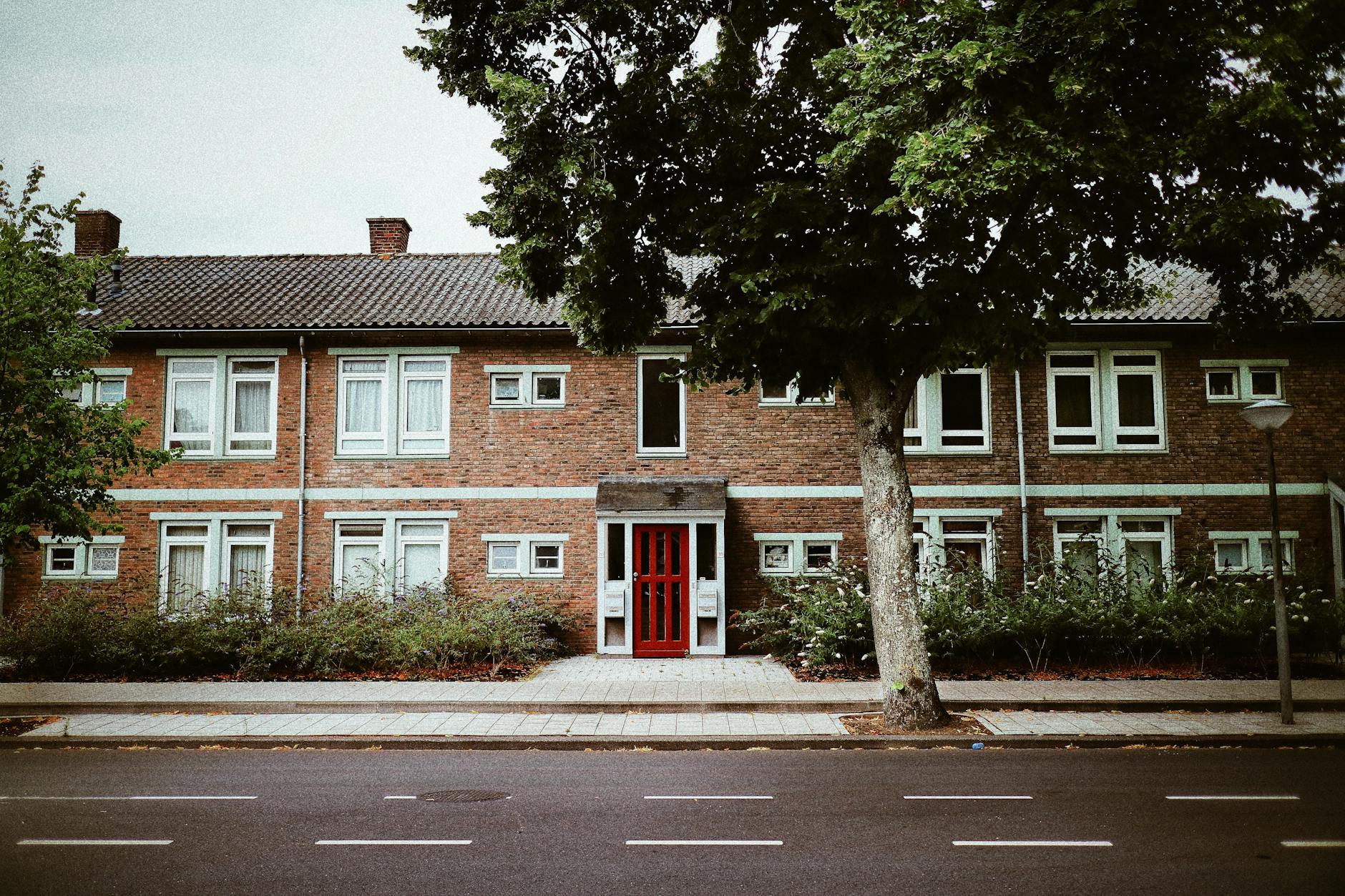
Collingwood Neighbourhood Guide 2026 — The Real Streets, The Real Story
Collingwood doesn’t introduce itself politely. It doesn’t have a cute tagline or a heritage walking tour that ends at a gelato shop. What it has is Smith Street — one of Melbourne’s most alive strips — and a grid of backstreets where $600-a-week apartments sit above former factories, where you can walk to three world-class coffee shops before breakfast, and where the neighbour on one side is an artist and the neighbour on the other is a tradie and somehow that’s exactly the mix that works. If you’re thinking about moving here, already here, or just trying to understand why people talk about this suburb the way they do, this guide covers the streets, the vibe, the practical stuff, and the honest truth about what it’s actually like to live in postcode 3066.
Last updated: 22 March 2026
The Borders — Where Does Collingwood Actually Start?
Collingwood’s boundaries are more straightforward than its reputation. The western edge is Smith Street — the famous strip that splits Collingwood from Fitzroy. Cross Smith Street heading east and you’re in Collingwood. The southern border runs along Victoria Parade, with East Melbourne and Richmond on the other side. To the north, Alexandra Parade separates Collingwood from Clifton Hill. To the east, Hoddle Street forms the border where Collingwood meets Abbotsford.
The geography matters because it explains why Collingwood feels so connected to its neighbours. You can walk to Fitzroy in 5 minutes, Abbotsford in 10, and Richmond in 15. It’s the geographical centre of the inner north, which is exactly why so much culture concentrates here.
The Streets — A Block-by-Block Breakdown
Smith Street (The Main Artery)
Smith Street is the spine. It runs the full length of Collingwood’s western border, carrying the 86 tram from Docklands through the CBD, up through Collingwood to Northcote and beyond. In 2026, the strip is a mix of restaurants, bars, cafes, vintage shops, bookstores, and the occasional laundromat that hasn’t been converted into a natural wine bar yet.
The southern stretch (near Johnston Street) is the busiest — restaurants, bars, and the 86 tram rumbling past every 10 minutes. This is where you come for dinner, for drinks, for the Saturday night crush. The Gem Bar holds its ground here as a reliable local.
The middle section (between Peel and Gipps streets) is the cafe and deli heartland. The shops that make browsing a verb rather than an activity.
The upper stretch (north of Gipps Street) is quieter, more residential, and where you’ll find better-value apartments and some of the suburb’s best-kept-secret restaurants.
Parking on Smith Street: Metered until 8:30pm, then free. On weekends, park on the cross streets (Peel, Gipps, Oxford) for free all day.
Johnston Street (The Eastern Runner)
Johnston Street runs east-west through the southern half of Collingwood, connecting Abbotsford via the Hoddle Street border to the Collingwood-Fitzroy border. This is the pub street — established venues, live music, and a main route for through-traffic.
The stretch between Hoddle and Wellington is quieter and more residential, with terrace houses, small parks, and the kind of leafy calm that surprises people who only know Collingwood for its Smith Street chaos.
Peel, Gipps, Wellington, and Oxford Streets (The Quiet Grid)
These cross streets running east from Smith Street are where Collingwood’s residential character lives. The terraces are a mix of Victorian workers’ cottages, converted warehouses, and new apartment blocks. Parking is easier, the noise drops significantly, and you’re still a 5-minute walk from Smith Street. If you’re apartment hunting, these streets offer the best balance of quiet living with nearby amenity.
Gipps Street deserves particular mention — it’s home to Stomping Ground brewery and Le Bon Ton, creating a secondary food and drink destination that operates independently from the Smith Street strip.
Easey Street and Langridge Street
These smaller streets between Smith and Hoddle are where Collingwood’s creative and industrial character is most visible. Easey’s — the rooftop burger joint in decommissioned train carriages — put Easey Street on the map, and newer openings like The Proof Bakery are building on that reputation.
Housing — What You’ll Actually Pay
Rent (March 2026)
| Type | Weekly Range | Median |
|---|---|---|
| Studio | $380–$450 | $420 |
| 1-bedroom apartment | $450–$560 | $520 |
| 2-bedroom apartment | $560–$680 | $620 |
| 3-bedroom house | $680–$850 | $750 |
| Warehouse conversion (2-bed) | $600–$750 | $680 |
Collingwood is no longer the cheap option it was a decade ago. Median rent for a 2-bed apartment has reached $620/week, putting it on par with some pockets of Fitzroy and only slightly below Richmond. The best value is in the eastern pocket near Hoddle Street where the streets are quieter and the prices sit $30–60/week below the Smith Street corridor.
For the full data breakdown, see our Collingwood Rent Report.
Buying
| Type | Median Price (2026 est.) |
|---|---|
| 2-bedroom apartment | $580,000–$720,000 |
| 3-bedroom terrace | $1,100,000–$1,500,000 |
| Warehouse conversion | $800,000–$1,200,000 |
The property market in Collingwood has cooled slightly from its 2024 peak but remains expensive by any standard that isn’t “inner Melbourne.” The warehouses are the trophy buys — high ceilings, industrial character, and the kind of floor space you don’t get in a new-build apartment. But they also come with body corporate fees, shared walls, and the occasional noise complaint from the cafe below.
For more, see our Collingwood Property Market guide.
Transport — Getting Around
Trams
- 86 tram (Smith Street): Runs from Docklands through the CBD, up Smith Street to Northcote and Reservoir. This is the main Collingwood line. Frequency: every 8–12 minutes during the day, less frequent evenings and weekends.
- 12 tram (Victoria Parade border): Runs along the southern edge of the suburb on Victoria Parade, connecting to the CBD and St Kilda.
Trains
- Collingwood Station (Hurstbridge/Mernda line): Located at the northern end of the suburb near the Johnston Street bridge. A 10–15 minute walk from Smith Street. Trains to the CBD take about 12 minutes.
- Victoria Park Station (Hurstbridge/Mernda line): Southern Collingwood, near the Abbotsford border. Handy for the Johnston Street and Hoddle Street area.
Cycling
Collingwood is one of Melbourne’s most bike-friendly suburbs. The Main Yarra Trail runs along the southern border, connecting to the CBD (15 minutes by bike), the Darebin Creek trail (heading north), and the Kew Trail (heading across the river). Smith Street has bike lanes, though they’re not always respected by drivers. Bike parking is generally good — every cafe has a rack, and most pubs have space out front.
Driving
Driving in Collingwood is fine during the day. It’s a grid, the streets are wide enough, and parking on the residential cross streets is usually available. On Friday and Saturday nights, Smith Street becomes a bottleneck — avoid driving between 7pm and midnight. Hoddle Street is the eastern escape route but gets congested during peak hours.
Walking to Neighbouring Suburbs
- To Fitzroy (Brunswick Street): 5 minutes west via Smith Street
- To Abbotsford: 10 minutes east via Johnston Street
- To Richmond: 15 minutes south via Victoria Parade
- To Clifton Hill: 10 minutes north via Alexandra Parade
- To the CBD: 30–40 minutes on foot, or 12 minutes by train from Collingwood Station
Parks and Green Space
Victoria Park
The former home ground of the Collingwood Football Club, Victoria Park offers open grass, walking paths, and off-leash dog zones at designated times. It sits on the eastern edge of the suburb near Hoddle Street.
Edinburgh Gardens (Bordering Fitzroy North)
A 10-minute walk north from most of Collingwood, Edinburgh Gardens is the nearest large green space — proper sports ovals, picnic areas, and a weekend dog-walking scene that functions as the suburb’s social network.
The Main Yarra Trail
Running along the southern border, this path connects to parks in Richmond, Abbotsford, and Kew. Morning runners, weekend cyclists, and the occasional rowing crew on the river below. If you’re a runner or cyclist, this trail alone justifies living here.
Schools and Family Life
Collingwood has improved significantly as a family-friendly suburb over the past decade, though it’s still not the first choice for people prioritising school zones. The main options:
- Collingwood College (P-12): The local government school, on the Johnston Street/Hoddle Street corner. Decent reputation, particularly for its arts program.
- St. Joseph’s Primary (Catholic P-6): A solid option for families wanting Catholic education in the suburb.
- Princes Hill Secondary (7-12): Just over the northern border, within Collingwood’s zone. Well-regarded.
The family scene in Collingwood is growing. Pram traffic on Smith Street on Saturday mornings is now a genuine thing, and the cafes have adapted — high chairs, kids’ menus, and the kind of staff who don’t flinch when a toddler drops a babycino.
The Honest Truth: What’s Good and What’s Not
The Good
- Walkability: You genuinely don’t need a car. Everything — food, coffee, transport, groceries, parks — is within walking distance.
- Food and drink: The density of good restaurants, cafes, and pubs per block is among the highest in Melbourne. Stomping Ground on Gipps Street, The Gem Bar on Smith Street, and dozens more within a few blocks.
- Character: Every street has personality. No two blocks look the same. The mix of Victorian terraces, industrial conversions, and new builds creates a visual variety that newer suburbs cannot match.
- Community: Despite the gentrification, Collingwood still has a genuine community feel — the local bookshop, the pub where staff know your name, the morning dog-walking crew at Victoria Park.
The Not-So-Good
- Parking: On Smith Street and surrounding strips, it’s difficult after 5pm on weekdays and all day weekends. On the residential streets it’s manageable, but if you have a car, factor this in.
- Noise: Smith Street is loud. The 86 tram runs until late. Live music venues run until 1am. If you’re a light sleeper, don’t live on Smith or Johnston streets. Two blocks east makes a significant difference.
- Rent: It’s no longer cheap. What was once the affordable alternative to Fitzroy is now almost at parity. The price advantage has shifted to Abbotsford and Clifton Hill.
- Green space: Collingwood is inner-city dense. There’s no large park within the suburb proper — Victoria Park is the best option, and Edinburgh Gardens requires a walk north.
Who Lives Here?
The 2026 Collingwood demographic is a mix:
- Young professionals (25–35) renting 1–2 bed apartments, drawn by the food scene and proximity to the CBD
- Couples and young families (30–45) in terraces and warehouse conversions, staying for the walkability and the community
- Creative professionals — designers, musicians, artists, and freelancers who’ve been here since before the rent rises
- Downsizers from the eastern suburbs who want walkable urban living without the skyscraper apartment feel
The common thread: people who value being able to walk to good food, good coffee, and good transport over having a big backyard and a garage.
FAQ
What council is Collingwood in? City of Yarra. The postcode is 3066.
How far is Collingwood from the CBD? About 3km. You can walk it in 30-40 minutes, catch the 86 tram from Smith Street in about 15 minutes, or take the train from Collingwood station in 12 minutes.
Is Collingwood safe? Collingwood is generally safe for an inner-city suburb. Smith Street is well-lit and busy until late. The quieter residential streets are calm. Standard city awareness applies — stay on main roads at night and keep belongings secure.
What tram goes through Collingwood? The 86 tram runs the length of Smith Street. The 12 tram runs along Victoria Parade on the southern border.
Verdict
Collingwood in 2026 is the suburb that proves you don’t have to choose between urban convenience and neighbourhood character. The food and drink scene is strong, the transport is excellent, and the community is real — not the manufactured “lifestyle community” that developers sell, but the organic kind that comes from decades of diverse people sharing the same few streets. The trade-off is cost (it’s not cheap anymore) and space (your apartment will be smaller than you’d get further out). But if you value walkability, culture, and the particular energy that comes from living somewhere that genuinely doesn’t feel like anywhere else in Melbourne, Collingwood delivers.
More on Collingwood: Collingwood Rent Report | [Collingwood Nightlife Guide](/collingwood/nightlife-guide/) | Collingwood Late Night Eats
Explore More of Collingwood
- Collingwood History
- Collingwood Late Night Eats
- Collingwood Things To Do This Weekend
- Collingwood Cheap Eats
- Collingwood Rent Guide
- Collingwood Date Night Guide
- Collingwood New Openings
- Collingwood Things To Do
💬 Discussion
Join the conversation — no account needed