
The Story You Don’t Know
When it comes to melbourne laneways history, Melbourne doesn’t mess around. This city has been quietly building one of the best history scenes in Australia, and the depth of what’s on offer is genuinely impressive.
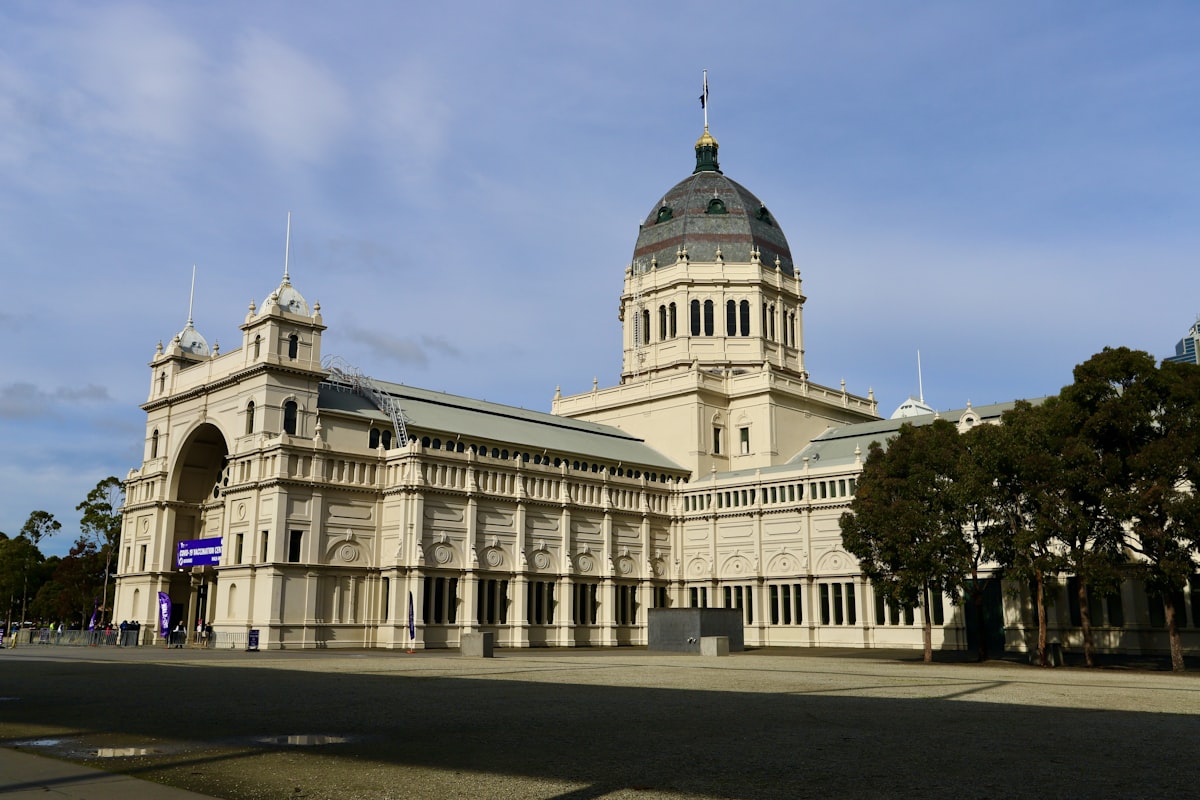
The Royal Exhibition Building in Carlton Gardens is Australia’s only World Heritage-listed building and hosted the first Australian Parliament in 1901. The Old Melbourne Gaol on Russell Street held Ned Kelly before his execution. The Block Arcade (1892) and Royal Arcade (1870) are stunning examples of Victorian-era shopping architecture. Flinders Street Station (1909) is Melbourne’s most iconic building. The Shrine of Remembrance in the Domain is a masterpiece of memorial architecture.
Where to See It
The key to experiencing melbourne laneways history properly is knowing where to look. Most visitors stick to the obvious spots, but the locals know that the best experiences are often just one street over from where the crowds are.
Melbourne’s inner suburbs — Fitzroy, Collingwood, Brunswick, and Carlton — tend to be the epicentre of the history scene, but places like Footscray, Northcote, and even Coburg have been making serious moves in the last few years.
Walking the History
Timing matters. For melbourne laneways history, the sweet spot is usually midweek when the crowds thin out and you can actually enjoy the experience without fighting for space. Thursday nights are particularly good — many venues and spaces have special programming on Thursdays that rivals the weekend offerings.
Melbourne’s event calendar means there’s always something happening. Check local listings on Concrete Playground, Broadsheet Melbourne, and Time Out Melbourne for the latest.
The People and Events
Public transport is your best friend here. Melbourne’s tram network covers most of the inner-city history hotspots, and the Free Tram Zone in the CBD means you can hop between venues without spending a cent on transport.
For areas outside the free zone, a Myki card loaded with a few dollars will cover you for the day. Most history experiences in Melbourne are within Zone 1, which caps at around $10 for a full day of travel.
Visiting Information
The thing about melbourne laneways history that most guides won’t tell you is that the best experiences are often the ones you stumble on by accident. Melbourne rewards curiosity — turn down a side street, follow the sound of music, walk into a building that looks interesting from outside.
Follow the local accounts on Instagram (@melbournestreetart, @broadsheetmelb, @concreteplayground) for real-time updates on what’s happening. Melbourne’s history scene moves fast, and last month’s hot spot might already be yesterday’s news.
💬 Discussion
Join the conversation — no account needed