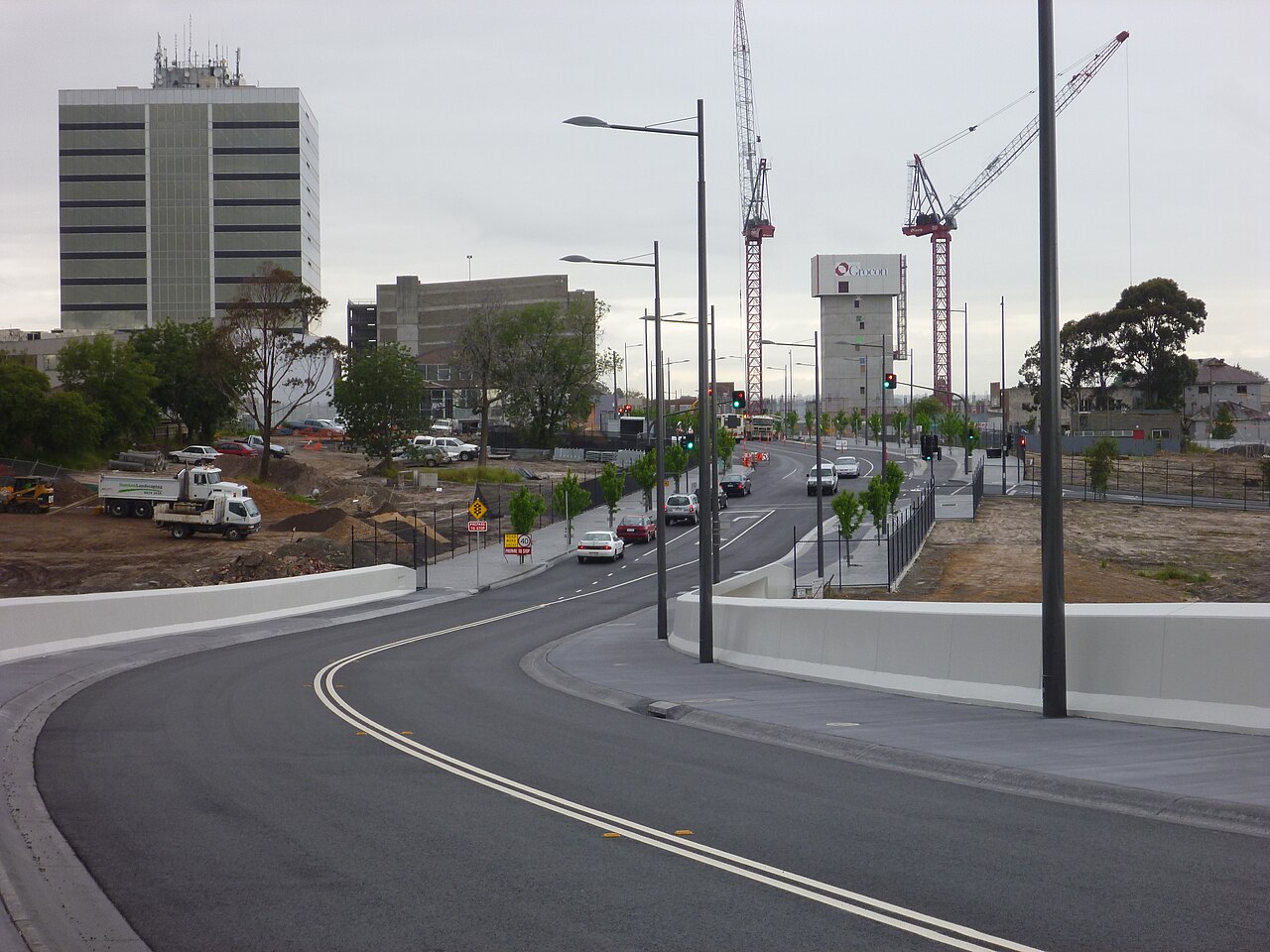
Verdict Box
Best for / People who want a hard-working suburb with rail frequency, late food, cheaper units, and no need to pretend the main street is polished. Skip if / You need quiet after 9 pm, easy street parking near the station, or a suburb where every block feels the same. Rent pressure / Still cheaper than inner Melbourne, but the cheap 1BR headline hides a thin pool of decent stock. Good places near the station or hospital lease fast. Commute reality / Train access is the reason Dandenong works. Driving to the CBD is a different argument, especially via Princes Highway, Monash Freeway, Stud Road, or Springvale Road in rain. Food scene / Strong, practical, and better after dark than many pricier suburbs. Not polished; that is the point. Family fit / Good if you inspect school zones, traffic exposure, and walking routes. Bad if you buy first and ask questions later. Overall score / 7.2/10 for value hunters, 5.8/10 for people buying on brochure optimism.
At-a-Glance Table
| Factor | Dandenong 2026 |
|---|---|
| LGA | Greater Dandenong City Council |
| Postcode | 3175 |
| Geographic tier | South |
| Region | middle-south-east |
| Transport grade | N/A |
| Overall grade | C |
Who It Suits
Nadia, 31, hospital shift worker — wants trains, food after late shifts, and rent that does not eat the whole roster. The First-Home Pragmatist — will accept older brick, busy roads, and body-corp paperwork to get a foothold. Marcus, 44, commute-scarred parent — cares less about suburb reputation than the exact block, school route, and parking reality.
Rent & Property Reality
Median 1BR rent: about $342 a week, with the wider unit market sitting around $450 a week and broadly flat year-on-year on current portal snapshots; cross-check the live suburb page on REA before you believe any agent’s “Dandenong is still cheap” line. The plain-English version is this: Dandenong is cheaper than Carnegie, Oakleigh, Clayton, Springvale, and most inner-south-east suburbs, but the discount comes with more homework. A cheap one-bedder can mean an older walk-up near a noisy road, a compact apartment with limited storage, or a listing where the rent looks fine until you realise the car space is awkward, visitor parking is fantasy, and the laundry setup belongs in a 1998 share-house.
The marketing spin says Dandenong is affordable and connected. Both are partly true. The part people miss is that affordability is uneven. A clean 1BR close enough to Dandenong station to walk, but far enough from late-night street noise, does not sit around waiting for you. If it has secure parking, decent heating/cooling, and no mould smell in the bathroom, expect competition. If it is cheap and still online after multiple inspection windows, assume there is a reason: road noise from Princes Highway, a grim common area, poor natural light, thin walls, no usable balcony, or an owner who has delayed maintenance until the next tenant becomes the maintenance plan.
For renters, the smart move is to price Dandenong in bands rather than averages. Under $350 a week usually means compromise: size, condition, location, or amenity. Around $380-$430 is where better one-bedroom and older two-bedroom units start to make sense. Above that, you should be demanding secure entry, proper heating/cooling, a clean owners corporation record, and a route to the station that you are comfortable walking after dark. For families, the three-bedroom rental market is no longer the bargain people remember from ten years ago. You may still beat many middle-ring suburbs, but you are now competing with hospital staff, logistics workers, new arrivals, and people priced out of the Clayton-Springvale belt.
The biggest mistake is comparing Dandenong only by weekly rent. Add transport, insurance, car dependence, parking fines, and time. A cheaper place off a bus route that runs poorly for your shift can cost more than a slightly dearer unit within a real walk of the station.
Local Reality & Pockets
If you are inspecting Dandenong, stop treating it as one suburb. The block matters more than the postcode. The areas around Dandenong station, Foster Street, Lonsdale Street, Thomas Street, Cleeland Street, and the market precinct give you the strongest convenience: trains, buses, shops, food, services, and late trading. They also give you the most friction: traffic, delivery vehicles, occasional street disorder, sirens, tired apartment entries, limited parking, and weekend crowding around the market. That is not a moral judgement. It is a liveability trade-off you need to inspect at the actual hours you will be home.
Pockets north and west of the core, around quieter residential streets off Stud Road and toward Dandenong North, can feel more settled, with more houses, older units, and less immediate street activity. The trade-off is car reliance and road exposure. Stud Road, Heatherton Road, Princes Highway, Cheltenham Road, Gladstone Road, and Hammond Road all need noise checks. Do not inspect a unit on a sunny Saturday at 11 am and assume you understand it. Go back on a wet Tuesday at 5:45 pm and again after 8:30 pm. Listen for truck braking, train horns, motorbikes, neighbour noise through common walls, and whether parking collapses once everyone is home.
Favour streets where the walk to Dandenong station is simple, well-lit, and does not require awkward crossings of major roads. Favour older brick units if they have been maintained: they can be larger and more forgiving than newer investor apartments with thin storage and high owners-corp costs. Favour properties where bins, mailboxes, stairwells, and car parks look managed. Those common areas tell you more than the styled living room.
Be cautious with anything hard against Princes Highway, Lonsdale Street, Stud Road, Cheltenham Road, or near industrial edges unless you have personally tested the noise. Be extra cautious with properties advertising “walk to everything” but offering no secure parking; in parts of central Dandenong that can mean you inherit a daily fight for a legal spot.
Two Dandenong gotchas catch newcomers. First, the suburb can change block by block. A street can feel fine near one intersection and materially worse three minutes away. Second, school choice is not just about reputation. Dandenong High School, Dandenong Primary School, Dandenong South Primary School, St John’s Regional College, and nearby options all depend on zone, faith, capacity, transport, and your child’s needs. Check Find My School and do the morning run before signing. A technically acceptable school route can be ugly when it crosses major roads in peak traffic.
Signature Craving
Dandenong’s food scene is one of the few things the real estate brochures understate. Start with Raja Tasty Foods on Cleeland Street if you want the suburb at its most useful: quick, direct, and better value than half the suburbs charging more for less. Trio Mexicano is almost next door, Beletti holds the Lonsdale Street Italian-restaurant role, and Gladstone Road gives you Shades Food, Berriko’s, and AB Bakery Dandenong nearby on Lonsdale Street. The move-in test is simple: if you need linen napkins and soft lighting to feel settled, Dandenong will annoy you. If you judge a suburb by whether you can eat properly after work without booking three days ahead, it starts making more sense.
Comparisons Table
| Suburb | Transport | Tier | Region |
|---|---|---|---|
| Dandenong | N/A | South | middle-south-east |
| Bangholme | D+ | South | middle-south-east |
| Dandenong North | N/A | South | middle-south-east |
| Dandenong South | F | South | middle-south-east |
Trust Block
Author: Marcus Cole — Long-time Melbourne local who eats his way through the inner-east. Property cynic.
Data: data/melbourne_suburbs_master.json (Codex per-LGA enumeration, cross-checked vs VEC + Australia Post + ABS SA2 boundaries), data/suburb_scores.json (composite percentile grades), data/venues/.json (OpenStreetMap + Gemini-verified venue catalog).
Last reviewed: 2026-05-26. Not financial advice. We do not accept paid placements in editorial.
FAQ
Q: Is Dandenong a good suburb to rent in 2026? A: Yes, but only if you choose by block rather than postcode. Dandenong works for renters who need rail access, cheaper units, hospital or industrial employment nearby, and food options that run later than the average middle-ring suburb. It is weaker for people who need quiet streets, easy parking, or a low-friction walk everywhere. Inspect the route between the property and Dandenong station, check common areas, and revisit the street after dark. The rent discount is real, but it is payment for doing more due diligence.
Q: What are the five inspections people skip before moving to Dandenong? A: Do five checks: the weekday peak noise check, the night walk check, the parking check after 7 pm, the school or childcare run, and the wet-weather commute. Dandenong can look workable in a ten-minute open home and feel very different during truck traffic, station crowds, or school pick-up. Stand in the bedroom without talking and listen. Walk to the station at the time you would actually travel. Count legal parking spaces, not hopeful gaps. If renting an apartment, inspect bins, lifts, stairs, mailboxes, and garage entries.
Q: Which streets or areas should I favour in Dandenong? A: Favour locations with a straightforward walk to Dandenong station, useful bus connections, and enough distance from the heaviest road noise. Streets off the central grid can work if they avoid direct exposure to Princes Highway, Lonsdale Street, Stud Road, Cheltenham Road, and Hammond Road. Older brick units can be better than newer-looking apartments if the owners corporation is functional and the building has proper parking. For families, favour routes that make school drop-off simple without repeated major-road crossings.
Q: Which parts of Dandenong should I be careful with? A: Be careful with properties sold purely on central convenience. Around the station, Lonsdale Street, Foster Street, Thomas Street, and Cleeland Street you gain access but also inherit noise, traffic, parking pressure, and more street activity. Also be cautious near industrial edges and main-road frontages. None of this means automatic no. It means you inspect at the right time. A rear unit with double glazing and secure parking may be fine; a front bedroom facing a truck route may be miserable.
Q: How bad is the commute from Dandenong to the CBD? A: By train, Dandenong is far more usable than its distance suggests, especially after the Metro Tunnel timetable changes brought frequent services through the corridor. The catch is your door-to-platform time. A place twelve minutes from the station on a clean walking route is a different suburb from a place that needs a bus connection and a major-road crossing. Driving is much less forgiving. Princes Highway, Monash Freeway, Springvale Road, Stud Road, and Cheltenham Road can all punish small timing mistakes.
Q: Is Dandenong safe enough for families? A: Many families live in Dandenong and make it work, but you should assess safety at street level. The family question is less “is the suburb safe?” and more “is this route safe for my child, this car park, this station walk, this school crossing, this block after dark?” Central Dandenong has more movement and more friction than quieter residential pockets. Inspect lighting, footpaths, traffic speed, sightlines, and how the street behaves after shops close. Do not outsource that judgement to suburb reputation.
Q: What should buyers check before purchasing an apartment in Dandenong? A: Buyers should read the owners corporation certificate, maintenance history, insurance details, cladding information, sinking fund balance, and recent meeting minutes before getting emotionally attached. Dandenong has plenty of investor-grade apartments and older unit blocks where the purchase price looks friendly but the building tells another story. Check water damage, balcony drainage, lift reliability, garage security, visitor parking, and whether short-term maintenance has been deferred. A cheap apartment with weak governance can become expensive slowly, which is worse than expensive upfront.
Q: Are Dandenong schools a reason to move there? A: Schools can be a reason, but not a lazy one. Dandenong has government, Catholic, and nearby independent options, including Dandenong High School, Dandenong Primary School, Dandenong South Primary School, and St John’s Regional College. The trade-off is that catchments, transport, capacity, and fit matter more than suburb-wide chatter. Use Find My School for government zones, then physically test the commute at school time. A school that looks close on a map may require an ugly crossing or a drive that gets worse every wet morning.
Q: What do locals usually warn newcomers about? A: Locals tend to warn newcomers about three things: do not judge Dandenong from one street, do not assume cheap rent means easy living, and do not ignore parking. They also warn that the suburb is practical before it is pretty. You get trains, services, markets, food, medical access, and relative affordability. You also get traffic, noise, older housing stock, and more visible street activity than in tidier suburbs. If you can handle that honestly, Dandenong can be a smart move.