Verdict Box
Honest reality: Dandenong is not a soft landing suburb; it is a practical, loud, useful place where the good bits reveal themselves after you stop trying to make it behave like inner Melbourne. Best for: renters who need trains, buses, cheap food runs, late services, and a suburb that works even when your week is messy. Skip if: you need leafy silence, cafe-strip polish, easy street parking, or a station precinct that feels calm after 9pm. Rent pressure: cheaper than many rail suburbs, but the cheap end is picked over fast and older flats can be rough around the edges. Commute reality: Dandenong Station is the prize, but only if you learn which side of town you actually live on. Food scene: excellent for no-nonsense meals, bakeries, and takeaway; weak for slow brunch culture. Family fit: strong for services, markets, schools and transport, weaker for traffic patience. Overall score: 7.4/10 if usefulness beats prettiness for you.
At-a-Glance Table
| Factor | Dandenong 2026 |
|---|---|
| LGA | Greater Dandenong City Council |
| Postcode | 3175 |
| Geographic tier | South |
| Region | middle-south-east |
| Transport grade | N/A |
| Overall grade | C |
Who It Suits
Nadia, 29, shift worker — needs trains, buses, groceries and dinner to line up without a car every day. The First-Rental Strategist — will trade postcard streets for cheaper rent, services and actual transport depth. Samir and Leila, young family — want market shopping, medical access, schools and parks more than quiet-luxury suburb branding.
Rent & Property Reality
Median 1BR rent in Dandenong is about $375/week, with broader studio-and-one-bedroom unit rent growth sitting around the low double digits year-on-year in 2026; Domain’s live rental data for Dandenong VIC 3175 and current rental listings put the suburb below many rail-served eastern and south-eastern alternatives, but no longer in bargain-bin territory.
The plain-language version: Dandenong is still affordable by Melbourne train-line standards, but the gap has narrowed. A one-bedroom flat near Lonsdale Street, Stud Road, Potter Street, Mason Street or the station side of town can look cheap on the headline rent, then cost you in noise, parking pain, older fittings or a building where every small repair becomes a follow-up email. The better one-bedders are usually not the absolute cheapest ones. They are the clean older units with proper heating, off-street parking, working blinds, secure entry and a walk that does not involve crossing half the activity centre at night.
For a first-month renter, the trap is comparing Dandenong only by postcode. A $360/week one-bedroom can feel completely different depending on whether it is tucked behind a busy road, beside a service lane, above a shopfront, near the hospital traffic, or down a quieter residential street toward Hemmings Street, Power Street, Close Avenue or parts of Dandenong North’s edge. You are not just renting a bedroom; you are renting your daily exposure to trucks, sirens, bus brakes, delivery bays, parking signs and the walk home from the station.
The rent pressure is most obvious on places with secure parking and decent walking access to Dandenong Station. Those suit hospital staff, students, hospitality workers, new arrivals without a car and people priced out of Springvale, Noble Park, Clayton and the inner south-east. Cheaper stock still exists, but inspect properly: open cupboards, test water pressure, stand in the bedroom with the window closed, check whether the car spot is usable, and visit the street after 7pm. Dandenong rewards practical renters, not romantic ones.
Local Reality & Pockets
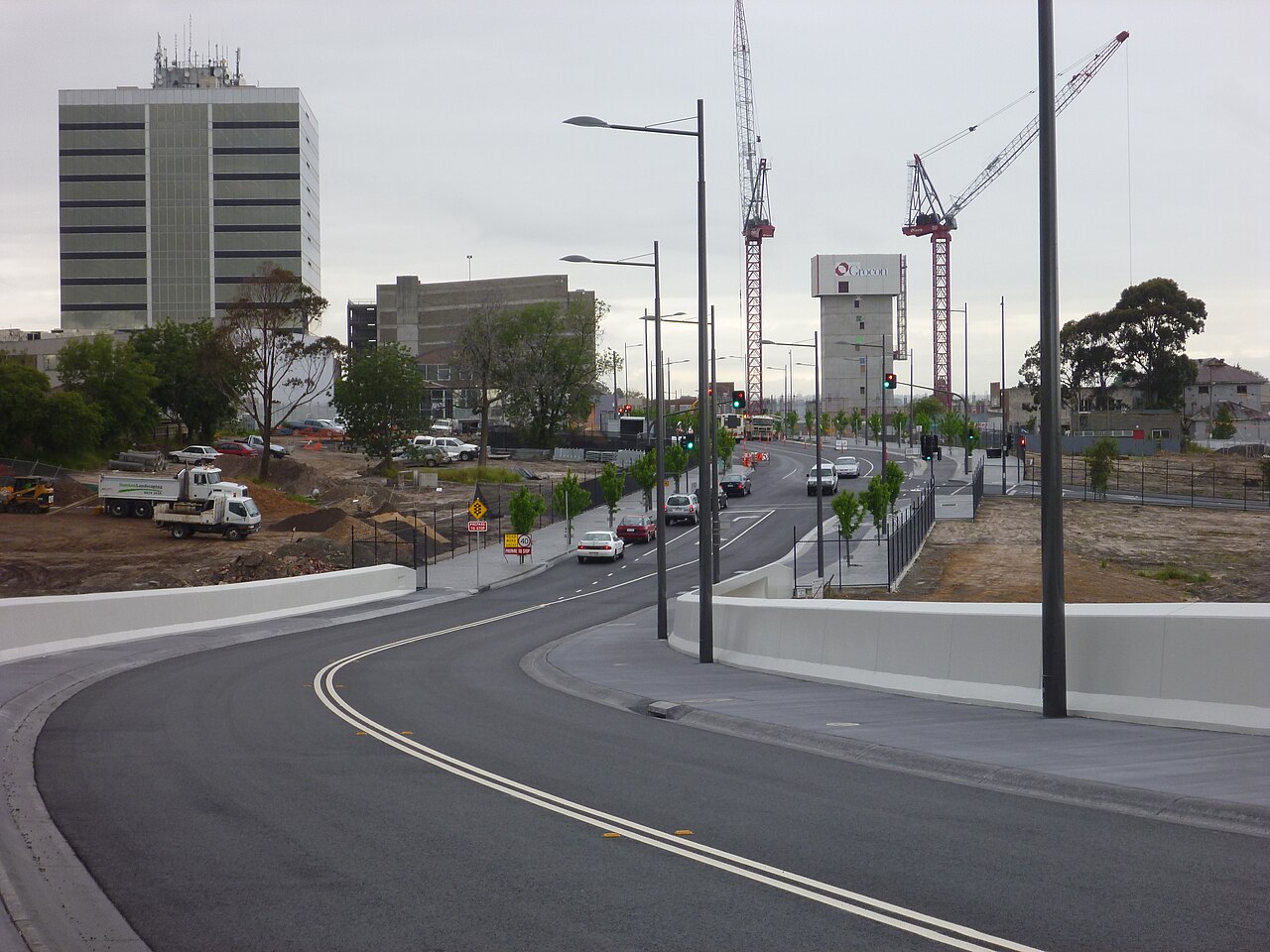
The easiest way to understand Dandenong is to stop thinking of it as one neat suburb. The station, market, Plaza/Dandenong Square, hospital side, industrial edges and older residential pockets all behave differently. If you are car-light, favour walking distance to Dandenong Station, but be precise: the Foster Street and station-bus-interchange side is useful for buses, taxis and quick transfers, while the central streets around Lonsdale, Walker, Thomas, Cleeland and Mason are better for errands but can feel more tiring late at night. Dandenong Station carries Cranbourne and Pakenham line trains, plus Gippsland V/Line services, and the bus network is the real local hack: routes like the 901, 800 and 850 matter because they stitch Dandenong to Frankston, Chadstone, Glen Waverley, Ringwood, Knox and surrounding work zones without forcing every trip through the CBD.
For streets, Lonsdale Street is the spine, not the place you choose for peace. Cleeland Street is food-and-market practical, but market days change the foot traffic and parking mood. Foster Street/Stud Road carries the north-south grind. Cheltenham Road is useful if you drive toward Keysborough or Dandenong South, but it is not restful. Princes Highway and the industrial edges are convenient for trades, warehouses and early starts, but truck noise is part of the package. If you want a calmer base, look at pockets set back from the major roads: older unit streets off Power Street, Hemmings Street, Close Avenue, Macpherson Street, parts around David Street and some residential runs toward Dandenong North.
Two Dandenong gotchas: first, parking signs are not decoration. Council-managed central parking often has time limits or paid zones, and the clock starts when the car stops, not when you finish reading the sign. Second, market days and school/hospital peaks change everything. Dandenong Market trades Tuesday, Friday, Saturday and Sunday, so Cleeland Street, Clow Street, King Street and nearby parking can become a test of patience. By hour, the suburb wakes early: trucks and tradies before 7am, school and hospital traffic from 8am, market/shops from late morning, station pressure from 4pm, takeaway traffic from 6pm, then a sharper drop after 9pm except around the main strips. In hot weather, Lonsdale and the big car parks feel harsh; in heavy rain, the station-to-shops walk feels longer than the map admits.
Signature Craving
The first food lesson in Dandenong is that dinner does not need a mood board. Walk Cleeland Street when you are tired and hungry and the suburb starts making sense. Raja Tasty Foods is the kind of anchor a newcomer should learn early: close to the market/station orbit, practical for a proper feed, and more useful than another cafe you only visit on Saturdays. Trio Mexicano is nearby when the craving swings differently, while Beletti on Lonsdale Street handles the more polished sit-down option. Over on Gladstone Road, Shades Food and Berriko’s make that strip worth knowing if your routine runs east of the centre, and AB Bakery Dandenong on Lonsdale Street is a breakfast-or-snack stop that fits the commuter rhythm. The move is not chasing one famous plate. It is learning which side of town you are on, then building your food map around the walk home.
Comparisons Table
| Suburb | Transport | Tier | Region |
|---|---|---|---|
| Dandenong | N/A | South | middle-south-east |
| Bangholme | D+ | South | middle-south-east |
| Dandenong North | N/A | South | middle-south-east |
| Dandenong South | F | South | middle-south-east |
Trust Block
Author: Dani Reyes — Melbourne food writer covering suburb-by-suburb honest eats. Pays her own bills.
Data: data/melbourne_suburbs_master.json (Codex per-LGA enumeration, cross-checked vs VEC + Australia Post + ABS SA2 boundaries), data/suburb_scores.json (composite percentile grades), data/venues/.json (OpenStreetMap + Gemini-verified venue catalog).
Last reviewed: 2026-05-26. Not financial advice. We do not accept paid placements in editorial.
FAQ
Q: Which side of Dandenong Station should a newcomer use? A: Use the Foster Street and bus-interchange side when you are connecting to buses, taxis, or getting picked up quickly. That side is practical, direct and usually the one you will learn first if you rely on the 901, 800, 850 or other local routes. If your errands are around Lonsdale Street, Dandenong Square, the library or the market, allow extra walking time because the station precinct is functional rather than graceful. At night, plan the simplest route home, especially if you are carrying groceries or waiting for a connecting bus.
Q: Can you live in Dandenong without a car? A: Yes, but only if you choose your pocket carefully. Living within a sensible walk of Dandenong Station, Dandenong Market, Dandenong Square and Lonsdale Street makes car-free life workable because trains, buses, groceries, pharmacies, cheap meals and services cluster tightly. The problem starts when a rental looks close by postcode but sits across a major road, behind an industrial edge or too far from the station for wet nights. If you do not drive, inspect the walk, not just the apartment. Do it once in daylight and once after work hours.
Q: Where should locals shop for groceries in the first month? A: Build two grocery routines. Use Dandenong Market on Tuesday, Friday, Saturday or Sunday for produce, meat, pantry staples and price-checking what you normally buy at supermarkets. Use Dandenong Square and the central shops for boring top-ups: milk, cleaning products, pharmacy items, SIM cards, banking and quick errands. The local mistake is trying to do every shop at one place. Market shopping is excellent when you have time and bags; supermarket shopping is better when you are exhausted after the train. Keep both habits and Dandenong becomes much easier.
Q: What are the parking traps around central Dandenong? A: Central Dandenong has a lot of parking, but it is heavily signposted and not all of it works the same way. Council-managed on-street spaces may be free with time limits, paid by machine or app, or restricted by hour. Dandenong Square has its own large parking supply, while some nearby car parks are privately managed. The trap is assuming a big suburban centre means relaxed parking. Read every sign, especially around Walker Street, Thomas Street, Cleeland Street, Clow Street and market-adjacent streets. If you are doing a long appointment, choose a proper off-street car park.
Q: Which roads should a Dandenong local learn first? A: Learn Lonsdale Street as the main commercial spine, Foster Street/Stud Road as the north-south mover, Cheltenham Road for the Dandenong South and Keysborough direction, Princes Highway for broader east-west driving, and Clow Street for the market and central crossings. Then learn the smaller relief streets around Power, Hemmings, David, Walker, Thomas and Cleeland. The local skill is knowing when not to force Lonsdale Street. During school, market and peak traffic windows, a slightly uglier back-road route can save your mood even if it does not look faster on the map.
Q: Is Dandenong noisy? A: Parts of it are, and you should assume noise is a rental-inspection issue, not a minor detail. The major roads bring trucks, buses, engine braking, sirens and delivery traffic. The station area adds announcements, passenger movement and replacement-bus chaos during rail works. Market days add crowd and parking noise around Cleeland Street and nearby streets. Quieter pockets do exist, usually set back from Lonsdale Street, Foster Street, Stud Road, Cheltenham Road and Princes Highway. When inspecting, close the windows, stand still for two minutes and listen. That test tells you more than the agent’s description.
Q: What daily routines do locals figure out before newcomers? A: First, locals separate market shopping from emergency shopping: Dandenong Market is for planned buying, while Dandenong Square and the central supermarkets are for quick gaps. Second, they time station trips around bus connections instead of assuming every bus is frequent late. Third, they know takeaway geography: Cleeland Street, Lonsdale Street and Gladstone Road all solve different dinner problems. Newcomers often waste the first month doubling back across busy roads. Once you match groceries, station access and food stops to your actual side of the suburb, the place becomes far less tiring.
Q: Where should renters avoid if they hate traffic stress? A: Avoid rentals directly fronting Lonsdale Street, Foster Street, Stud Road, Cheltenham Road, Princes Highway or busy service-road sections unless the building is well insulated and parking is secure. Also be careful around central streets where market-day traffic, bus movements, loading zones and short-stay parking collide. These locations can be brilliant for access but poor for rest. If you need quiet after shift work, look one or two streets back from the main roads and check how the driveway works. A cheap flat with a painful car exit gets old very quickly.
Q: What is the most underrated Dandenong survival rule? A: Do not judge distance only by kilometres. In Dandenong, crossings, traffic lights, rail lines, bus stops, car parks and big-road edges decide whether a five-minute errand feels easy or draining. A rental 900 metres from the station can be excellent if the walk is direct and lit; another 600 metres away can feel worse if it crosses awkward roads or empty-feeling blocks at night. The same rule applies to food and groceries. Your first month should be spent testing routes on foot, by bus and by car before locking in habits.