You’re weighing up Diamond Creek for retirement and the sales pitch is useless. The real question is simpler: can you walk to coffee, see a GP, avoid isolation, and still get quiet when you want it? Here’s the honest answer.
The Verdict
Diamond Creek is best for retirees who want a real suburb with daily services close by, not a sealed-off retirement village. Pick it if your priority is staying connected: shops, cafes, chemists, Australia Post, public transport, parks, and enough local rhythm to keep the week from feeling small. The strongest case is the main strip. If you live close enough to walk there, the suburb becomes practical in a way many outer north-east pockets are not. You can do the supermarket run, sort the chemist, grab coffee, and handle basic errands without building your whole day around the car.
The second reason is community. Diamond Creek still has that village-edge feel where you start recognising faces at cafes, in parks, and around the shopping strip. It is not sleepy in the middle of the day, but it usually settles down in the evenings, which suits retirees who want life nearby without constant noise. The trade-off is location inside the suburb. A block or two off the main strip is the sweet spot: close enough for walking, far enough from the busier traffic and parking churn. Don’t buy into the idea that every Diamond Creek address works equally well for retirement. If you end up too far from the strip, or on a busier road, you’ll get the postcode without the day-to-day convenience.
Don’t choose Diamond Creek if your dream is complete rural quiet or a large garden with no compromise. You’ll regret treating it like a country escape. It is better understood as a connected Melbourne suburb with green space, local services, and a social pulse.
What It’s Actually Like
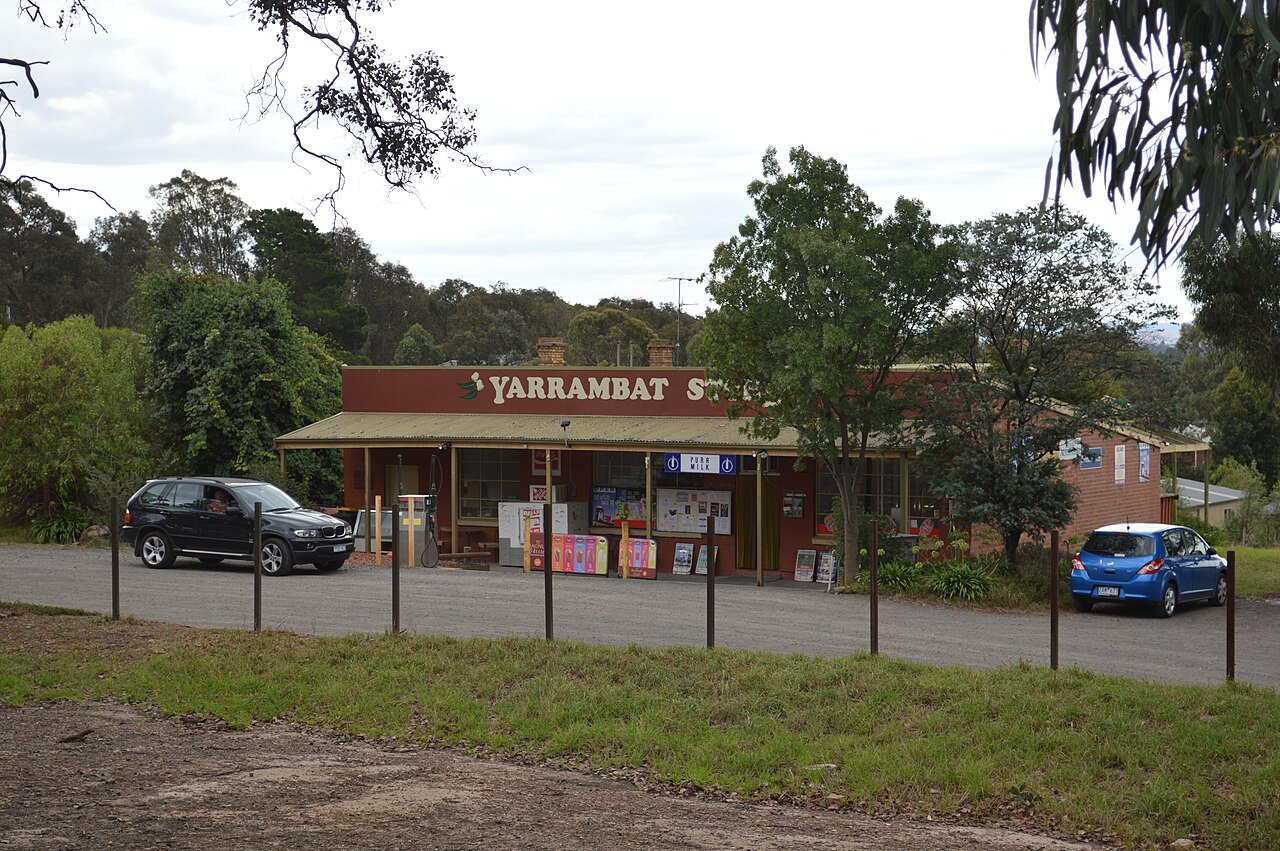
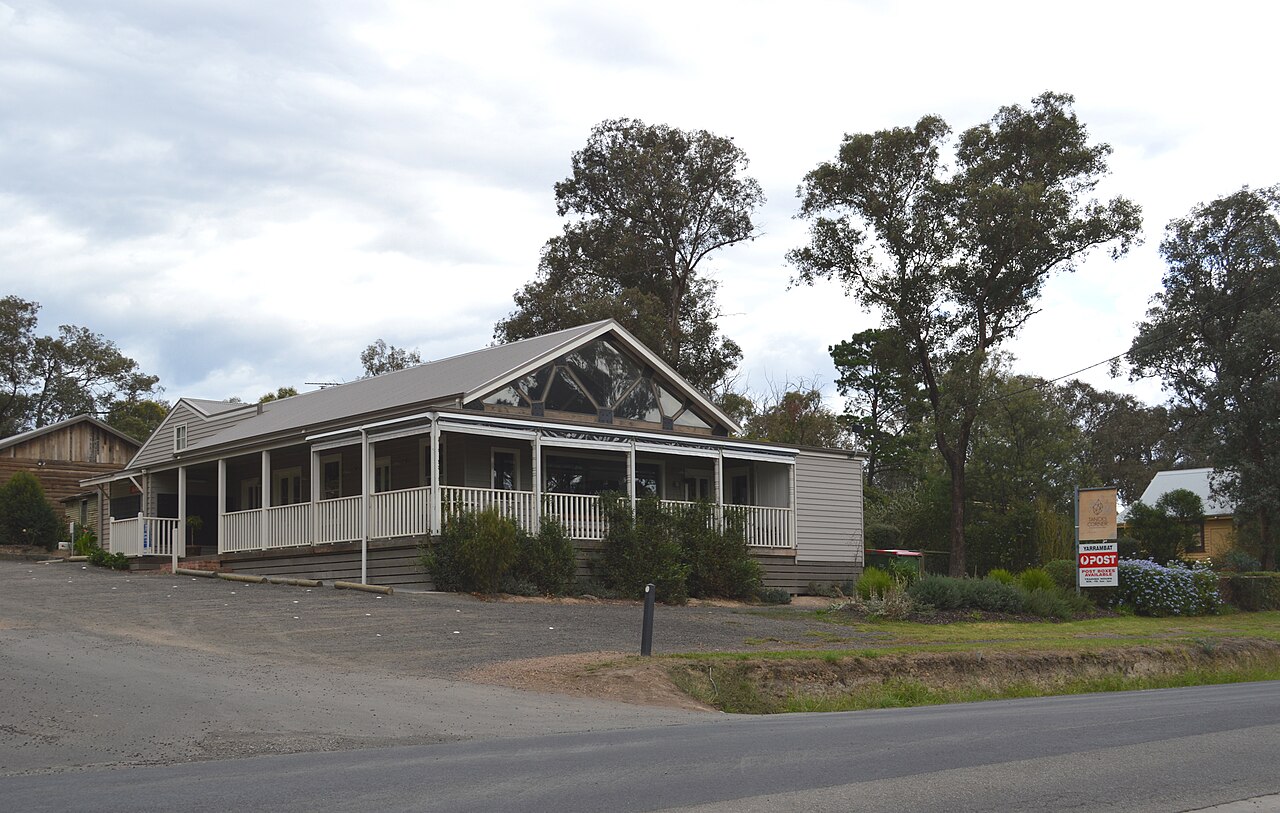
Day to day, Diamond Creek works best when your routine sits around the local shopping strip. The supermarket, chemists, newsagents, Australia Post, cafes, and medical services are the pieces that matter. They are not glamorous, but they are exactly what makes retirement easier: short errands, familiar staff, and fewer reasons to drive across town for basic things. Parking near the shops can be competitive, especially around cafe hours and weekends, so being able to walk is a genuine advantage rather than a lifestyle bonus.
The quieter residential streets are the prize. The suburb has busy moments around the main roads and the shopping area, then a much calmer feel once you move into the nearby pockets. For many retirees, that is the appeal: you can keep one foot in the action and one foot in a quiet street. Parks and green spaces give you simple walking options, and the streets generally feel safe during the day and early evening. The footpaths are good enough in the practical sense, though you should still walk the exact route from any home you are considering to the main strip before making a decision.
Healthcare is reasonable for daily needs. GPs, chemists, and medical centres are accessible, but specialist appointments may mean travelling beyond Diamond Creek. That is manageable if you still drive, or if you are comfortable using public transport, but it should be part of the decision. For the transport details, keep the Diamond Creek Transport Guide open while comparing addresses.
Skip Diamond Creek if you need every appointment, shop, and social activity within a flat five-minute walk. If you are west of the most convenient shopping-strip access, or you know you will stop driving soon, compare Eltham as well. If you want a quieter village feel and can handle fewer services, Hurstbridge may suit better.
Who This Suits
If you’re a downsizer coming from a larger family home, pick a smaller townhouse, unit, or apartment near the main strip. That gives you the best version of Diamond Creek: less maintenance, more walking, and enough services close by to make the move feel like freedom rather than a retreat. If you’re a social retiree, choose a spot close to cafes, parks, and regular foot traffic. The suburb rewards people who like small conversations and familiar faces.
If you’re a still-driving couple, Diamond Creek gives you more flexibility. You can live a little farther from the strip, keep garden space, and still use the suburb comfortably. If you’re planning for a future with less driving, be stricter. Prioritise walkability over house size. If you’re a quiet-seeker, look one or two blocks away from the main activity rather than right on top of it. If you’re a medical-appointment-heavy retiree, make healthcare access and transport the first filter, not the final check.
Cost expectations depend heavily on the type of home. Bigger houses with gardens are at a premium, and they can defeat the point of downsizing if the maintenance stays high. Smaller homes, townhouses, units, and newer developments are the more logical retirement options, especially when they keep you close to shops and services. The cheapest address is not necessarily the best retirement address here. Paying for walkability can save you time, effort, parking stress, and future dependence on driving.
Time of day matters. Visit on a weekday morning to see the normal cafe-and-errand rhythm, then come back on a weekend when parking and popular spots are busier. Also check the evening feel, because Diamond Creek changes character after the daytime activity drops away. In warmer months, parks and walking routes become a bigger part of the lifestyle. In colder weather, proximity to cafes, shops, and medical services matters more.
What to Do Next
Walk the route from any potential home to the main strip before you trust the listing. If it feels easy, Diamond Creek can work beautifully for retirement. For the wider suburb picture, read the Diamond Creek suburb guide.