
Docklands’ Story
Docklands is Melbourne’s newest suburb and its most deliberately constructed. Unlike every other Melbourne neighbourhood, Docklands doesn’t have a past as a residential area — it was a working port and rail precinct until the 1990s, and everything you see today was built in the last 25 years.
The Port Years
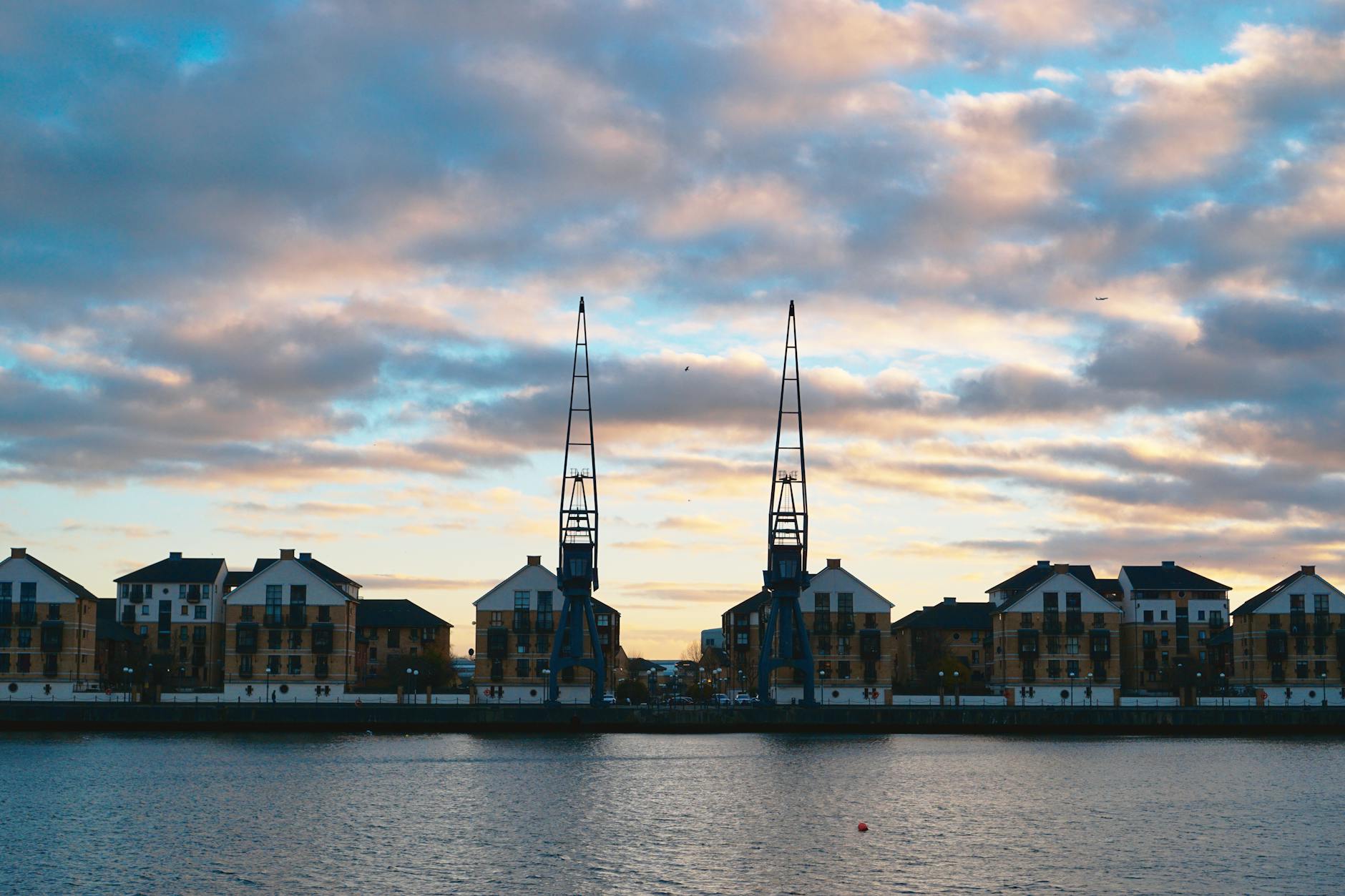
The Docklands waterfront served as Melbourne’s working port from the mid-19th century. Cargo ships, rail yards, warehouses, and industrial infrastructure occupied the land west of the CBD. The area was essential to Melbourne’s economy but entirely industrial — no one lived here. The rail yards at Spencer Street (now Southern Cross Station) connected the port to the broader Victorian rail network.
By the 1980s, containerisation had moved shipping operations to Webb Dock and the Port of Melbourne further south. The Docklands rail yards and wharves became disused — a vast stretch of empty industrial land immediately adjacent to Melbourne’s CBD.
The Development
The Victorian Government declared Docklands an urban renewal precinct in 1991. VicUrban (later Places Victoria, now Development Victoria) was tasked with transforming 190 hectares of port land into a mixed-use waterfront precinct. Development agreements were signed with multiple companies, each responsible for a distinct precinct: MAB Corporation for NewQuay, Lend Lease for Victoria Harbour, Mirvac for Yarra’s Edge.
The first residential towers were completed in the early 2000s. Marvel Stadium (originally Etihad Stadium, then Docklands Stadium) opened in 2000 and became the precinct’s anchor. The District Docklands (originally Harbour Town) added retail.
The Growing Pains
Docklands’ first decade was rough. The precincts felt disconnected from each other and from the CBD. Wind tunnels between towers made the waterfront unpleasant. Retail tenancies struggled. The suburb developed a reputation as a soulless corporate precinct — all glass and no character.
That reputation has softened but persists. The community has grown, independent businesses have moved in, and the waterfront promenades have matured. But Docklands is still filling in its gaps — literally. Empty lots and construction sites remain between precincts, and the suburb won’t feel complete for another decade.
Where It’s Heading
Docklands’ trajectory is toward a denser, more established waterfront neighbourhood. New residential and commercial developments continue. The library, the parks, the community events, and the growing food scene are building the social infrastructure that the first decade lacked. Whether Docklands becomes a great Melbourne suburb or remains a functional but characterless precinct depends on whether the next phase of development prioritises community over return on investment.
More on Docklands: Docklands Suburb Guide · Neighbourhood Guide · Living Guide
Explore More of Docklands
- Docklands Rent Guide
- Docklands Docklands For Young Professionals
- Docklands Docklands For Retirees
- Docklands Living In Docklands
- Docklands Things To Do
- Docklands Cost of Living
- Docklands Neighbourhood Guide
- Docklands Transport Guide
Nearby Suburbs Worth Checking
- Melbourne CBD Suburb Guide
- Southbank Suburb Guide
- West Melbourne Suburb Guide
- East Melbourne Suburb Guide
Data sourced from Google Places, OpenStreetMap, and ABS Census. Compiled April 2026. Found an error? Contact us.
💬 Discussion
Join the conversation — no account needed