You are trying to understand Eltham without the brochure version: why it feels old, green, settled, and a bit changed-at-the-edges. The short answer is post-war growth layered over market-garden roots, with the original community shape still showing through.
The Verdict
The version of Eltham to understand first is the post-war family-suburb shift, because that is the turn that explains most of what you see now. Eltham began as agricultural land and market gardens, tied to Melbourne’s outward growth from the Yarra, but the suburb people recognise today came from paddocks being turned into streets of family homes over the 20th century. That change did not arrive as one grand redevelopment. It happened street by street, slowly enough that long-term residents could watch the suburb become something else while still carrying pieces of the old place.
What makes Eltham different from the standard inner-suburb gentrification story is that it never fully lost its layered feel. The old buildings, the shopping strip, the parks, the public spaces, the pubs, the sports clubs, and the church halls all matter because they show how the suburb worked before it became a more desirable lifestyle address. Yes, better food options, renovated venues, cultural activity, and rising property values arrived. So did higher rents, demolished buildings, closed local businesses, and the familiar frustration of people being priced out of the suburb they helped build. Do not read Eltham as a neat before-and-after story - you will miss the point. The better read is a suburb that absorbed change, benefited from some of it, and paid for some of it.
What It’s Actually Like
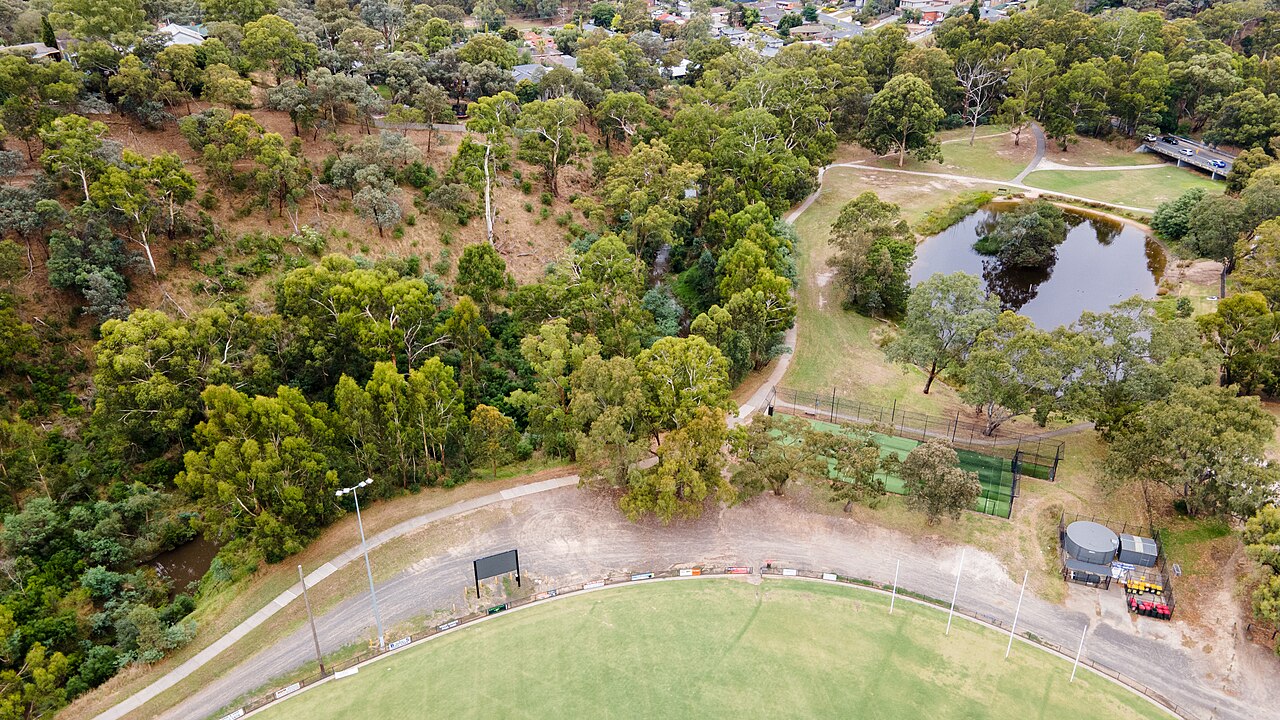
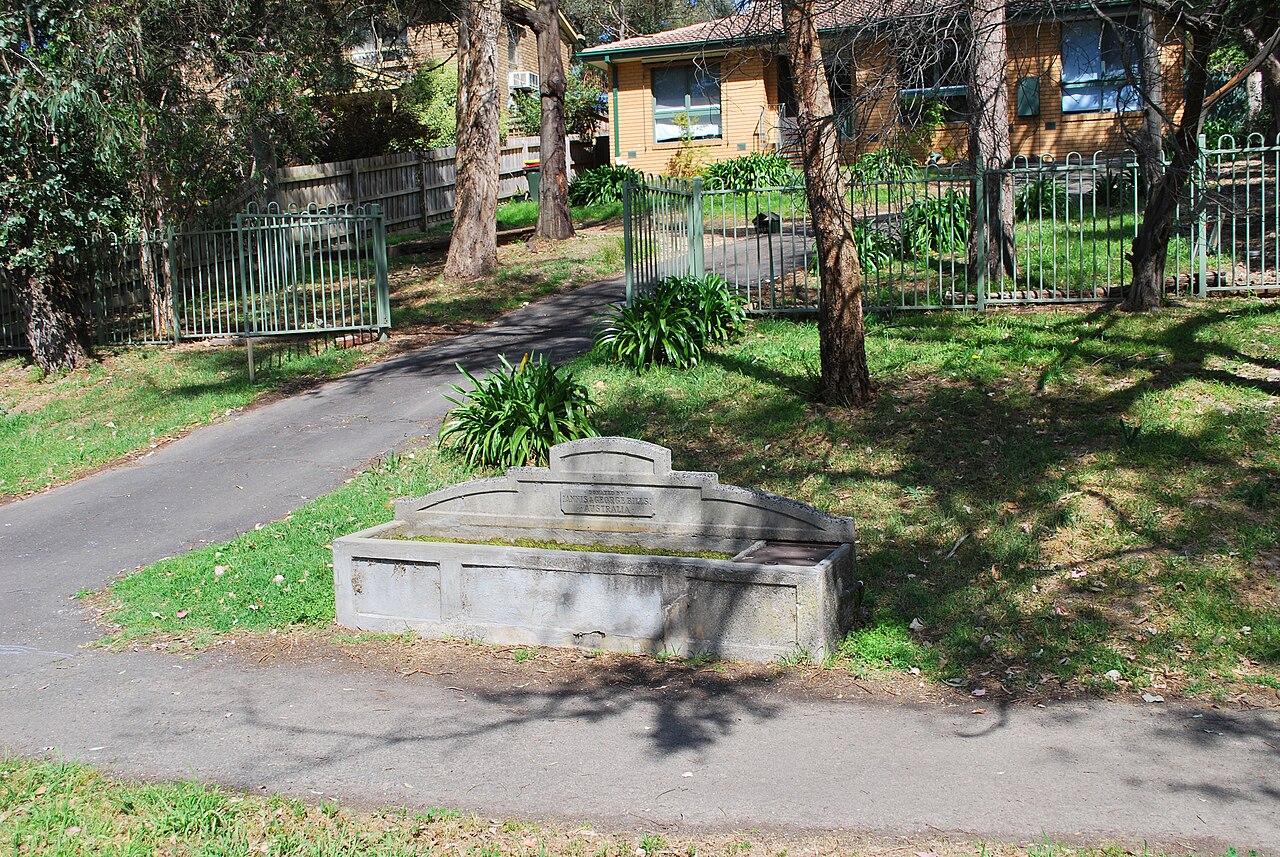
Eltham’s history is visible in the ordinary layout rather than one single landmark moment. The shopping strip matters because it tells you the suburb had a practical centre before it had a polished one. The parks and public spaces matter because they were positioned for a different version of daily life, then adapted as the suburb grew. The older housing stock matters because it sits beside newer development rather than disappearing completely from view. Walk through Eltham with that in mind and the suburb makes more sense: it is not trying to look like a museum, but it has not wiped its past clean either.
The recognisable anchors here are Eltham itself, the Yarra story that shaped Melbourne’s outward growth, and the neighbouring suburbs that frame its local identity: Montmorency, Lower Plenty, Research, and Diamond Creek. Those names matter because Eltham is not an isolated pocket. It sits in a broader north-east pattern of settlement, family housing, community clubs, and gradual pressure from development. The warning is this: skip the romantic version if you want a tidy heritage tale. The source material is clear that growth came with losses - affordable shops, older institutions, demolished places, and people who could no longer afford to stay. If you are west of the old Eltham story and really trying to understand the surrounding area, look at Montmorency or Lower Plenty as part of the same conversation, not as footnotes.
Who This Suits
If you are a new resident, start with the post-war housing boom: it explains why Eltham feels established rather than freshly assembled. If you are a long-term local, the more honest frame is what got lost along the way - the businesses, buildings, and social habits that made the old suburb feel less curated. If you are researching property, focus on the shift section, because rising rent, higher property values, and added density are the clearest signals of where Eltham has been heading. If you are comparing nearby suburbs, read Eltham beside Montmorency, Lower Plenty, Research, and Diamond Creek so the north-east context is not flattened into one generic Melbourne growth story.
Cost expectations in this history are not about menu prices or ticket prices; they are about the cost of suburb change. Existing owners gained from higher property values. Newer residents gained better food options, infrastructure, and cultural life. The people who paid more heavily were renters, priced-out locals, and anyone attached to the shops, halls, and institutions that closed or changed beyond recognition. That is why the question is not simply whether Eltham improved. It is who got to enjoy the improvement, and who had to leave before the benefits arrived.
The time caveat is generational. If you only look at Eltham today, you will overstate the cafe-and-property version of the suburb. If you only listen to nostalgia, you will understate the genuine gains: safer streets, improved infrastructure, more things to do, and a broader mix of daily life. Read it across decades. Eltham’s next ten years will probably bring more demand, more density, and more pressure to decide what is worth protecting.
What to Do Next
Start with the current Eltham suburb guide before you judge the history. Then read the old buildings, shopping strip, parks, and community institutions as evidence of a suburb still negotiating what to keep and what to trade away.
More on Eltham:
Nearby suburbs: Montmorency · Lower Plenty · Research · Diamond Creek