You walk through Fairfield and the suburb feels older than its cafe signs. The useful history is not a date list: it is why the streets, houses, shopping strip, parks and Yarra edge still feel like different versions of Melbourne stacked together.
The Verdict
The best way to read Fairfield’s history is as a railway village that became a family suburb, then a quietly gentrified inner-north address. That is the through-line. If you only remember one thing, remember this: Fairfield did not become what it is because of one boom or one reinvention. It changed in layers, with transport, housing, work, migration and rising demand all leaving marks you can still see.
The first layer is practical. Fairfield began with agricultural land, market gardens and the kind of street grid that made sense when Melbourne was pushing outward from the Yarra. The second layer is social: the working years, when pubs, sports clubs, church halls and everyday shops mattered because they were where people actually knew each other. The third layer is the modern one: cafes where milk bars used to be, renovated pubs, higher rents, more polished food options and the familiar inner-Melbourne argument about whether improvement also means loss.
The obvious lazy take is that Fairfield simply got wealthier and nicer. That misses the point. The better take is that Fairfield kept enough of its older bones to make the new money visible by contrast. Don’t treat this as a cute suburb-history story where everything worked out cleanly. The cost was real: affordable shops closed, people were priced out, and some of the old Fairfield was demolished or made harder to recognise.
What It’s Actually Like
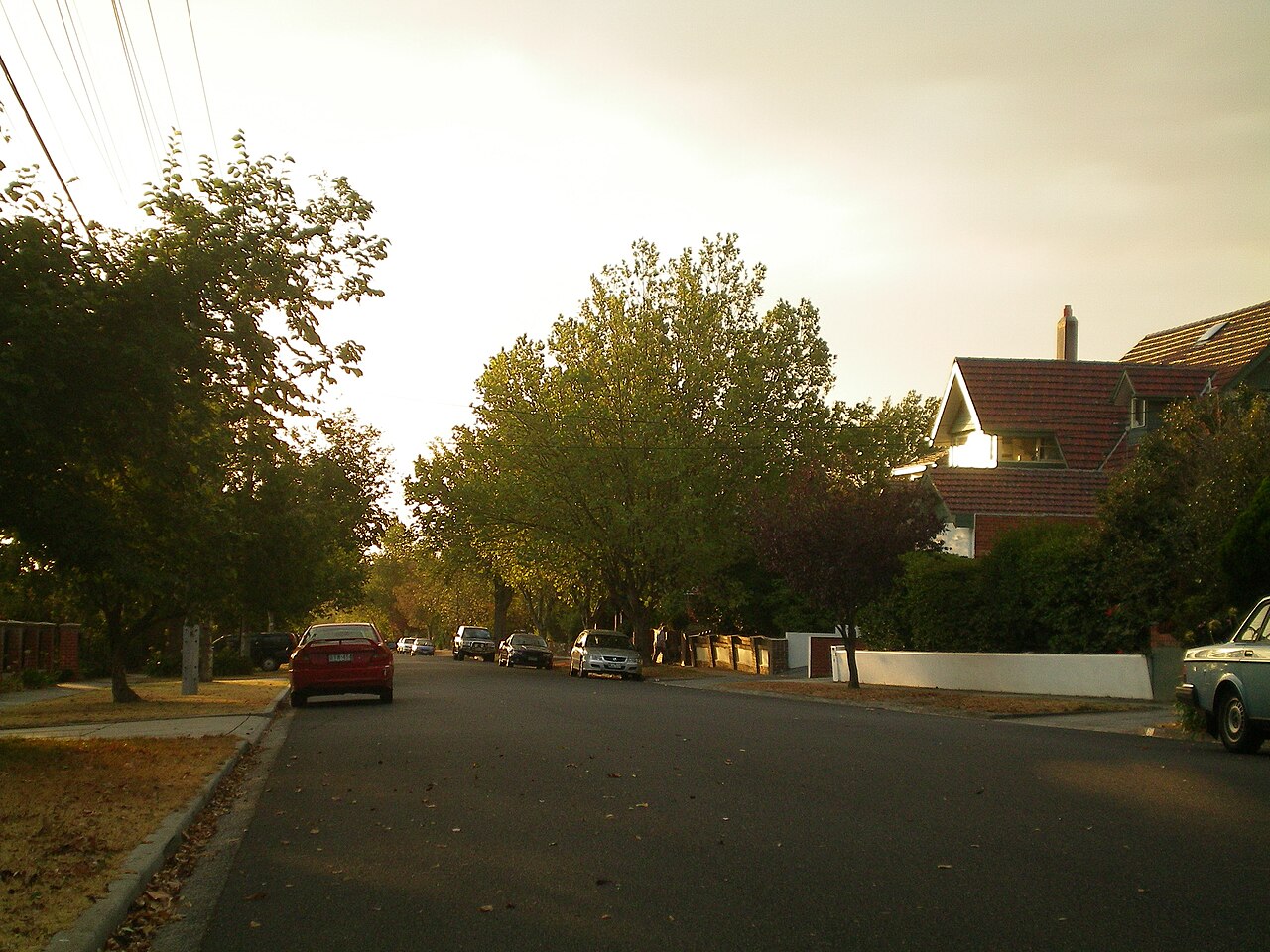
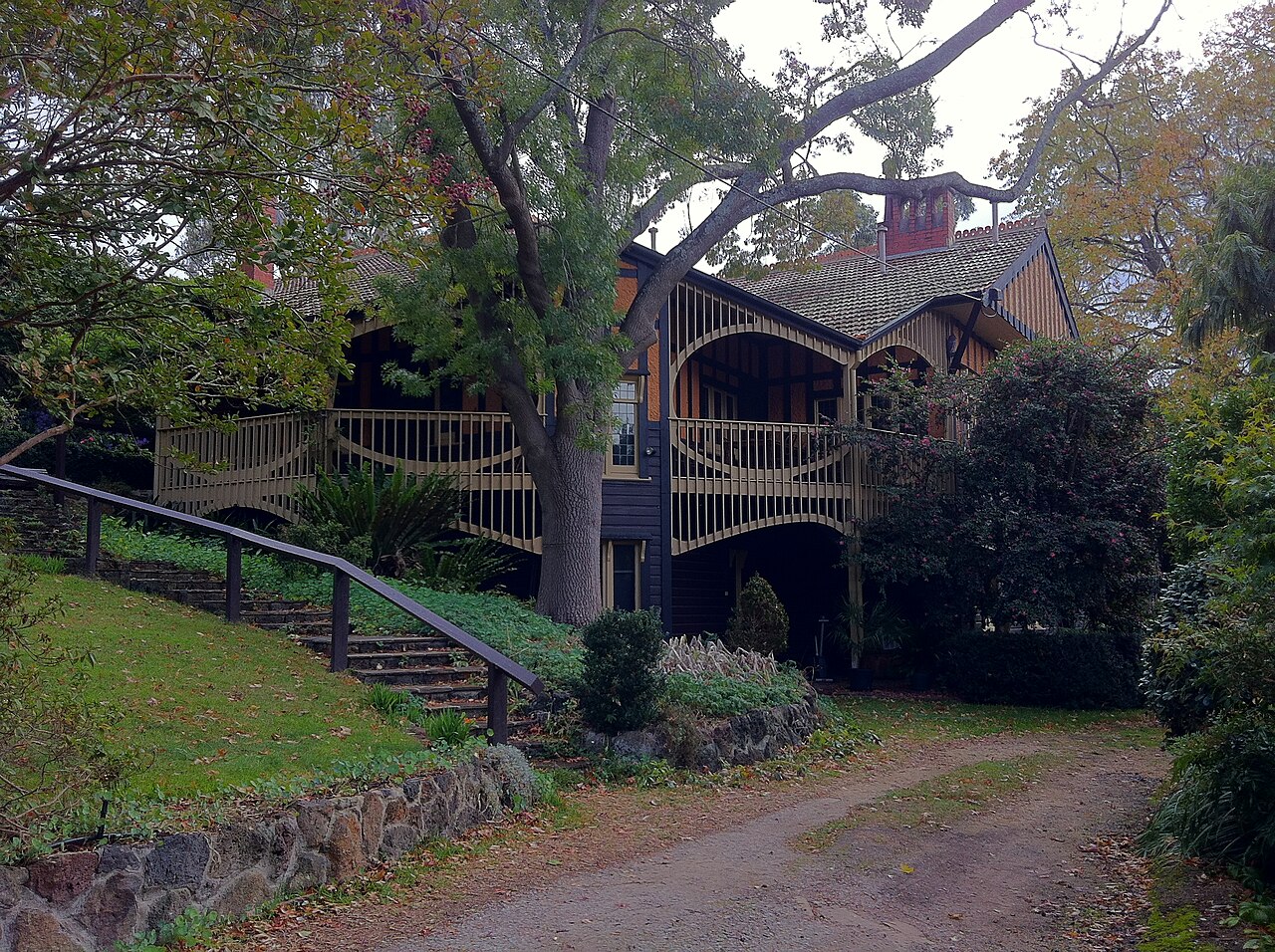
Fairfield’s history is easiest to understand on foot. Start with the railway-village idea, then look at how much of the suburb still seems arranged around everyday movement: streets leading toward the shopping strip, parks and public spaces placed for older patterns of family life, and housing stock that tells you this was not built all at once. The suburb does not need a plaque on every corner. Its timeline is sitting in the mix of older homes, newer apartments, renovated shopfronts and the way the Yarra still anchors the broader story.
The shopping strip is the clearest street-level lesson. It carries the change from practical local retail to a more polished cafe-and-restaurant culture, but not in a way that feels completely fake. You can still sense the earlier suburb underneath the newer one. The parks and public spaces do the same thing: they were designed for a different rhythm of local life, then adapted as Fairfield became more desirable, more mobile and more expensive.
The warning is simple: skip this history if you only want heritage charm without the uncomfortable parts. Fairfield’s story includes migration, work, social infrastructure and gentrification, but it also includes people losing the suburb they helped build. If you are west of the Yarra in your mental map of Melbourne, compare Fairfield with Northcote instead; if you are thinking about the quieter eastern edge, Alphington and Ivanhoe help explain the softer, greener version of the same inner-north pressure.
Who This Suits
If you are a new Fairfield renter, use this history to understand why the suburb feels convenient without feeling brand new. If you are a buyer, pay attention to the older housing stock and the tension between preserved character and new density. If you are a long-term local, the most honest version is the one that admits both gains and losses. If you are comparing suburbs, place Fairfield between Northcote’s stronger inner-north energy, Alphington’s quieter residential feel and Ivanhoe’s more established eastern-suburban pull.
Cost expectations sit behind the whole story. Fairfield’s rising property values did not arrive from nowhere; they followed better food options, safer streets, improved infrastructure, new residents and the cachet of being close enough to inner Melbourne without feeling as intense as some neighbouring suburbs. Existing owners benefited from that lift. Renters, small shops and people on tighter budgets often carried the pain. That is why the history matters: it explains the price tag better than a real estate blurb ever will.
The time-of-day caveat is that Fairfield reads differently depending on when you see it. In the morning, the suburb can feel like cafe-era Melbourne: polished, local, comfortable. Later in the day, the older residential pattern is easier to notice, especially around the streets away from the main strip. On weekends, the gentrified version is louder. On an ordinary weekday, the older suburb is still easier to see.
What to Do Next
Walk Fairfield slowly before deciding what it is. Start with the shopping strip, follow the older streets, then read the current picture in the Fairfield suburb guide before you judge whether the trade-off was worth it.