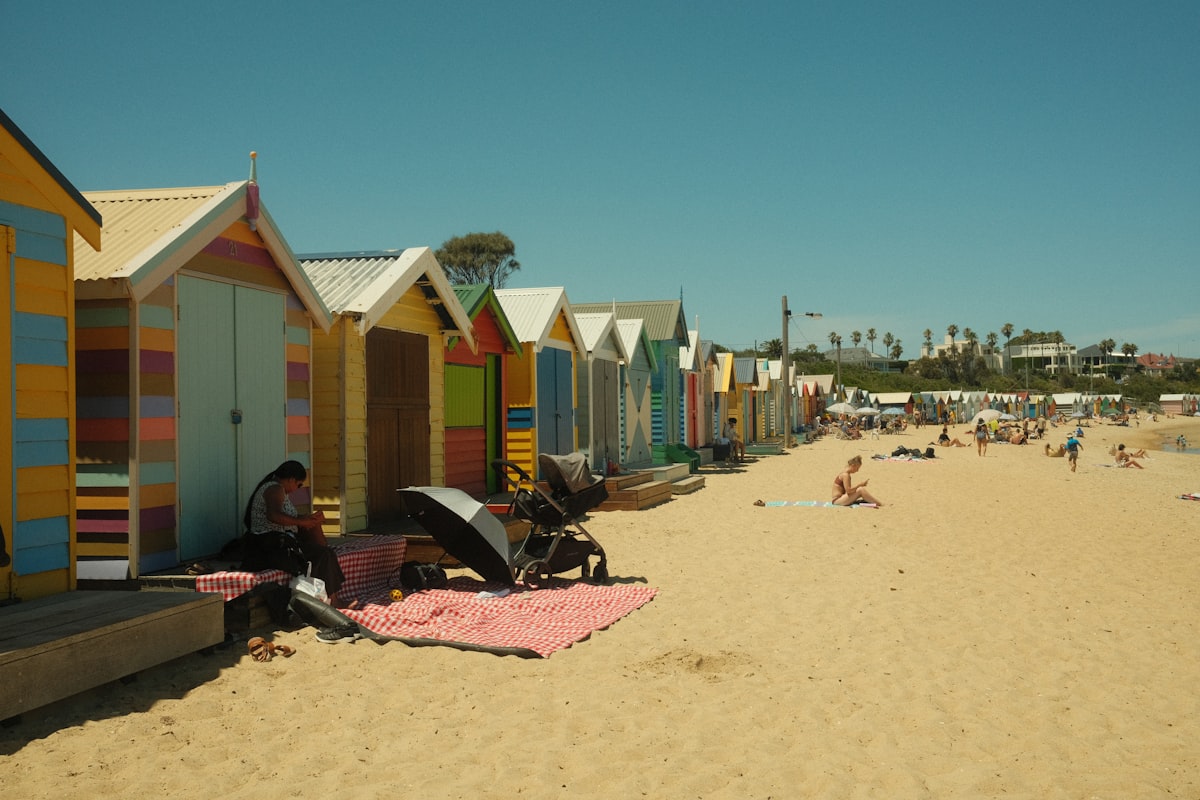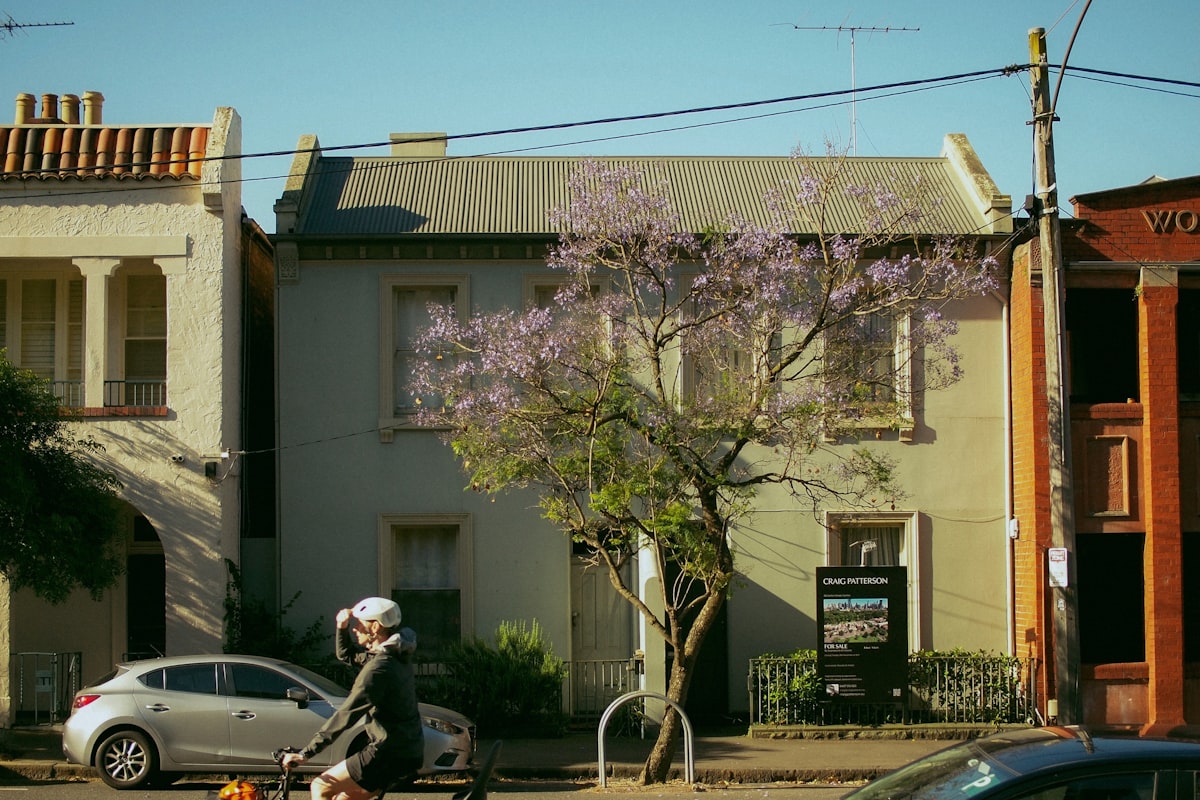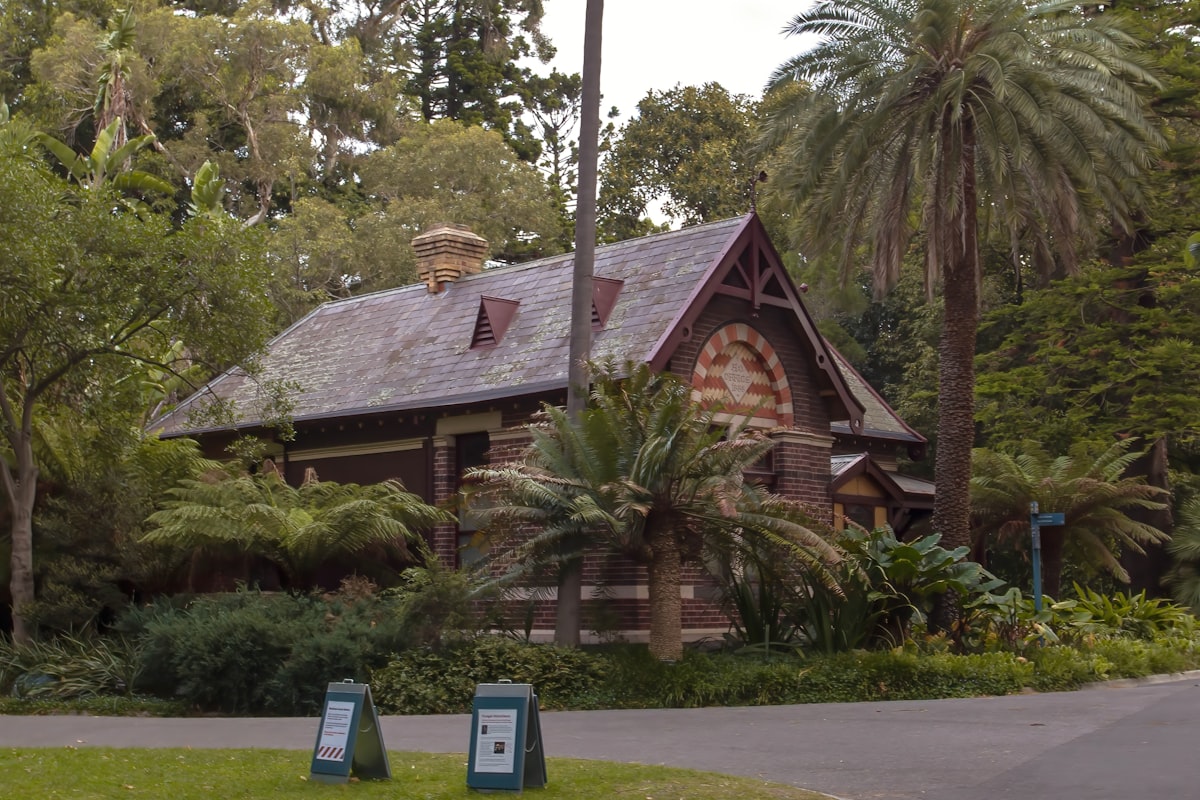
I’ll cut to it. Family decisions in Melbourne in 2026 deserve better than recycled checklists and ’top 10’ posts written by people who haven’t lived the question. This guide is criteria-led: I name what a parent actually filters on, where to verify it against a primary source, and what to skip. I do not invent costs, ratings, capacities, staff details or operational claims - anything I cannot confirm against a government register, council page or the venue’s own site is framed as a check, not a fact. Real Melbourne anchors only: Royal Park, Edinburgh Gardens, Princes Park, Albert Park Lake, Studley Park, Ruffey Lake Park in Doncaster, Karkarook Park in Moorabbin, and the Maribyrnong River trail through Footscray. Where I describe a category (a park, a centre, a school zone) rather than naming a single example, that is deliberate - the category is what scales, the specific example changes by suburb.
At a glance
| Criterion | What I verify before recommending it |
|---|---|
| Government register | ACECQA for childcare, findmyschool.vic.gov.au for school catchments, sro.vic.gov.au for property concessions |
| Operating hours / capacity | The venue’s, centre’s or council’s own page, on the day |
| Cost / fees | Confirmed against the operator’s own current price list - not a year-old review |
| Accessibility | Step-free, accessible toilets, parents’ room - direct from the operator |
| Subsidy or rebate | Means-tested or category-tested via the relevant government portal |
| Annual review | Re-check every 12 months; family decisions move with stage of life |
| Source quality | Government first, then operator-direct - never a third-party aggregator alone |
The shortlist - what I filter on
- After-school routine (homework time, dinner time, screen-time boundaries; the parent sets these, not the school).
- Holiday breaks (term breaks add up to 12+ weeks per year; plan childcare or family time in advance).
- School communication (compass or sentral apps; the parent app is the source of truth, not the family group chat).
- The cost of ‘free’ state schooling (uniforms, camps, excursions, devices typically add $1000-2500 per year; varies by school).
- Read the operator’s own page, not just the third-party listing. Aggregators lag; the operator’s site updates faster.
- Phone, DM, or write before you commit money or a Saturday. A 60-second message saves a wasted trip.
- Don’t build a routine on a single viral post. One Saturday is not a pattern; one TikTok is not a review.
Practical checks before you go
- Use primary sources first. ACECQA, findmyschool, sro.vic.gov.au, council park pages - never a third-party aggregator alone.
- Phone before you visit. Hours, capacity and policy details lag online; the operator is the source of truth.
- Build a monthly budget. Rent or mortgage + utilities + groceries + transport + childcare or schooling + one weekly outing - then compare against ABS Selected Living Cost Indexes.
- Schedule the family review annually. Once a year, re-check schools, centres, after-school commitments and the family budget; quarterly is too often, never is too rarely.
- Don’t build a plan around a single agent or marketing pack. Cross-check every claim against a public register before you commit money or a school year.
On data sources (a disclaimer)
Anywhere this guide references rates, ratios, fees or boundaries, the source is named. I do not invent ACECQA ratings, school catchment lines, council fees or subsidy thresholds. Where I cite a typical figure (e.g. educator-to-child ratios under Victorian regulation), the regulation is named. Where I describe a category (e.g. ‘family centre’ or ‘family park’) rather than a specific operator, that is deliberate - the category scales, the specific example varies by suburb. If you spot a figure here that has changed since publication, the operator’s or government’s own page is always the source of truth - tell us and we’ll update.
Watch-outs (the brutal truth)
- Marketing language vs reality. ‘Award-winning’, ‘iconic’, ‘family-friendly’ are marketing labels; verify against a primary source.
- Catchment changes. School zones have been redrawn before; check findmyschool every year you’re considering.
- Centre rating changes. ACECQA ratings can move; the public register is the source - not the centre’s marketing.
- Subsidy thresholds. Means-tested rebates and concessions update annually; sro.vic.gov.au, mychild.gov.au and Centrelink are the sources.
- Stage-of-life mismatch. A school or centre that suits a 4-year-old may not suit an 11-year-old - run the criteria again at each transition.
- Settlement vs school year mismatch. A property settling in mid-Term-2 means mid-year enrolment - sequence the move.
- Single-source advice. A real-estate agent, principal, centre director or financial planner is one perspective; cross-check before committing money or a year.
How I picked
The framework here combines four inputs:
- Government registers - ACECQA for childcare, findmyschool.vic.gov.au for school zones, sro.vic.gov.au for property concessions, ABS Selected Living Cost Indexes for cost-of-living.
- Operator-direct verification - the centre’s, school’s, council’s or operator’s own page on the day, not a third-party listing.
- Editorial criteria - published upfront so you can re-run the test as your family’s stage of life changes.
- Local reader signal - parents in our Melbourne audience tell us where the marketing diverges from the lived experience.
I do not accept paid placement on shortlists. I do not write hidden-advertorial. If I am not confident a specific operational claim is current, I frame it as a check rather than a fact. I do not publish fabricated centre ratings, fee figures, catchment quotes or ‘X% of parents said’ claims. If I cannot link a primary source, the claim does not appear.
FAQ
How do I research a family decision in Melbourne without getting trapped in marketing? Start with primary sources: ACECQA for childcare, findmyschool.vic.gov.au for school zones, sro.vic.gov.au for property concessions, council pages for parks. Treat agency or centre marketing as a starting point, not a verdict.
How do I budget for a Melbourne family in 2026? Build a monthly figure from rent or mortgage + utilities + groceries + transport + childcare or schooling + one weekly outing. Compare it against the ABS Selected Living Cost Indexes for the closest household type.
Are the ‘family-friendly’ tags on Melbourne venues reliable? Mostly a marketing label. Verify directly: high chairs, change tables, accessible toilets, age policy. Phone if it matters.
Where should I look first for accurate, current data? Government sources first (Vic and Federal), then the venue or centre’s own site. Third-party aggregators and blog round-ups lag and are often months out of date.
Verdict
Family decisions in Melbourne in 2026 reward parents who go to the primary source first and the marketing pack second. Government registers, operator-direct verification, and the published criteria you can re-run as your family changes - that’s the framework. Anyone outsourcing the decision to a single agent, blog or ’top 10’ list is taking on more risk than the decision deserves.